What happens if you report someone on Instagram, from the tap to the verdict?
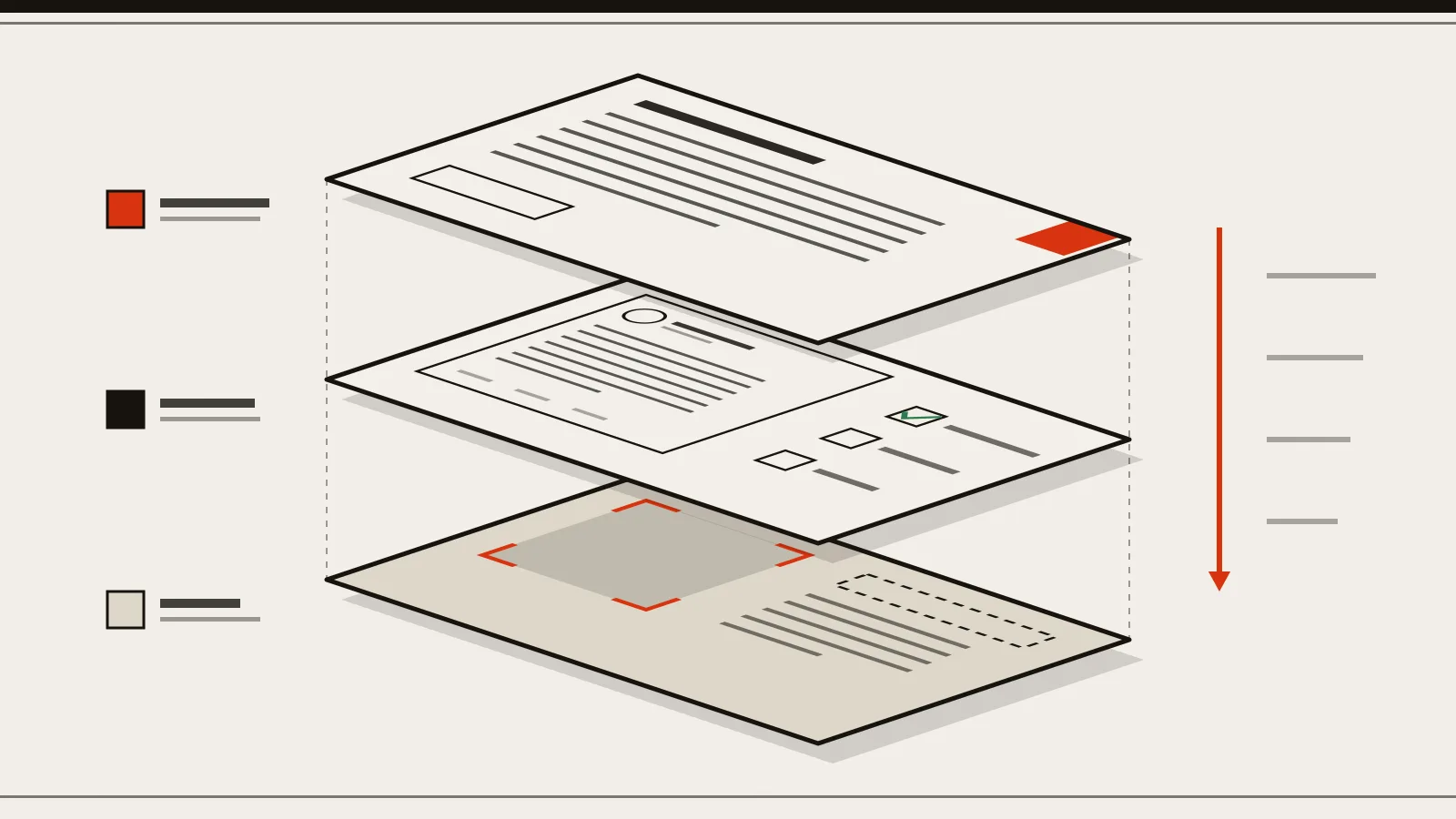
What happens if you report someone on Instagram runs in a fixed order. Your report is logged against the reason you picked, the content goes to Meta's review systems, and a decision is taken against the rules Meta applies to Instagram, which its help pages now call the Community Standards. If the content breaks one of those rules, it is removed or the account is restricted, and the person who posted it sees the removal in their own Account Status. If it breaks none, it stays up and nothing is added to that record. At no stage does the account you reported learn your name: Instagram's help centre says the reported account won't see who reported it, and names intellectual property claims as the exception. You can follow the outcome yourself under Support requests, which records whether action was taken and what was decided, and for some content lets you ask for a second look. What you will not find anywhere is a deadline.
That last point surprises people more than anything else about what happens after you report someone on Instagram. Meta publishes no turnaround for the first review of an ordinary report, so the "24 to 48 hours" figure repeated across the web is somebody's estimate. The filing itself takes a minute, and how to report a comment, post, photo or story on Instagram walks through each surface in turn. This page is about everything that happens once you have pressed the button.
People type the question every possible way. "What happens if u report someone on instagram" returns the same results as the grammatical version, and so does "what happens when u report someone on instagram". The misconception underneath is usually the same too: that a report works like a vote. Instagram's help centre says the opposite in so many words, that the number of times something is reported does not decide whether it comes down. One accurate report in the right category does the work. Forty reports in the wrong one do nothing, which is the same reason reporting volume never becomes a removal on any platform we file with.
| Stage | What Instagram does | What you see | What Meta describes the reported account seeing |
|---|---|---|---|
| You file | Logs the report under the reason you chose | The report appears in Support requests | No notice is described, and never your name |
| Review | Automated systems, a reviewer, or both, check the content against the rule that reason points to | A pending report | No notice is described |
| Rule broken | Removes the content, limits features, or disables the account | What was decided | The removal in Account Status, with an option to request a review |
| No rule broken | Leaves the content up | What was decided, sometimes with an option to ask for another review | Nothing added to Account Status |
| Second review | Looks again where a review is offered | The updated decision | Any change, in Account Status |
So when you report someone on Instagram, what happens next is mostly invisible to both of you. The reporter gets a record. The reported person gets a consequence, or nothing on their record. Neither gets the other's side of the file, and that asymmetry explains most of the anxiety in the searches that bring people here.
The reason you pick outweighs every word you add. It decides which rule the reviewer checks, and a report filed under the wrong heading can fail on content that would have come down under the right one. A threat filed as spam and a stolen photograph filed as harassment are the classic mismatches.
On the receiving end: what happens when someone reports you on Instagram
When someone reports you on Instagram, what happens first is a review, and Meta's help pages describe no notice to you while it runs. Where a result surfaces is Account Status, the page in your settings that lists content removed for breaking the rules and any features you can no longer use. If a reviewer decides your post, story or comment broke a rule, it appears there, and the same page offers "Request a review" if you think the decision is wrong. Meta says that in most cases you get a warning before you lose access to the account itself. The report never arrives with a name attached, whoever filed it and however many people joined in. A review that finds nothing adds nothing. That is the whole mechanism, and it means the useful question for someone who has been reported is never "who did this?" but "what does my Account Status say?"
Removals can carry a strike. Meta's rules on counting strikes say they expire after a year, and that a sufficiently severe violation, child sexual exploitation being the clearest example, can disable an account after a single occurrence. Everything in between is a sliding scale of feature limits that Meta does not reduce to one threshold. That is a different design from YouTube's, which publishes three reasons a channel is terminated and very little else. A disabled account shows its notice when you next try to use it, with a way to disagree with the decision, and Meta's help pages publish no deadline for that review.
One notice can reach an author whose content was not removed. Instagram sometimes tells people that a comment they wrote may have been hurtful to others, and Meta says that message has no effect on the account. It is a nudge, not a finding.
If the reports against you are malicious
Being reported repeatedly by someone with a grudge feels like being put on trial by a mob. Mostly it is not. The count does not decide the outcome, so a campaign of reports against content that breaks no rule usually fails on its own. Meta also lists misuse of its reporting tools to harass or silence people among its inauthentic-behaviour violations, and Instagram's terms forbid groundless reports.
Where content was removed wrongly, request the review first and keep a dated screenshot of everything: the removal notice, the content, and any message in which someone boasts about reporting you. A campaign of knowingly false reports, particularly false copyright claims, can itself be actionable, and a coordinated attack on a business account has its own economics, set out in what happens when a paid campaign is aimed at your own Page. What we would not do in your position is report back. It adds a second file to a dispute Meta has already shown it does not settle by volume.
If I report someone on Instagram, will they know?
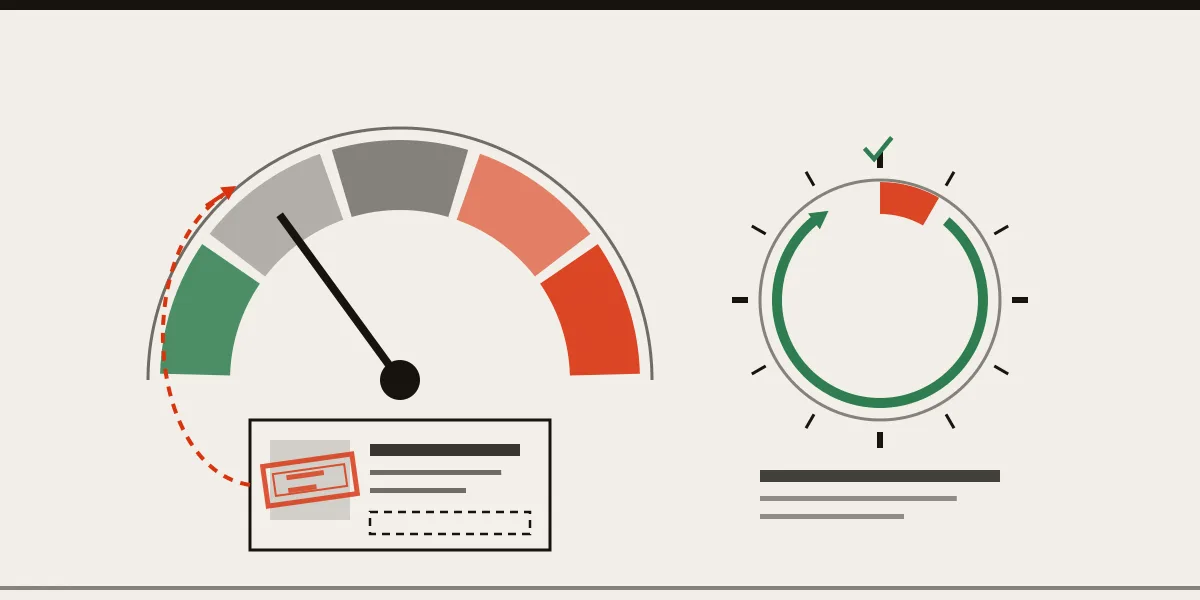
Not from Instagram. A report made through the app is anonymous: the help centre says the account you reported won't see who reported it, and that holds whether the report concerns a post, a comment, a story, a message or the whole profile. If you report someone on Instagram, will they know from any notice, email or badge? No. The exception Meta names is intellectual property. A copyright or trade mark complaint is not anonymous, because the process behind it is built on the complainant being identifiable, so the other side can end up holding your details. That is not a quirk of Instagram. Copyright is the fastest lane on X and the least private one for exactly the same reason, and anyone filing one should decide in advance whether speed is worth being named.
The rest of the risk comes from circumstances rather than from the platform. Where the post you reported was a story seen by eleven people, or the message was sent only to you, the person on the other end may simply work it out. Nothing in the report tells them. Nothing needs to.
Every step past the report button trades some of that anonymity for force, and it helps to see the ladder before you climb it. A defamation complaint to Meta must come from the person defamed or someone authorised to act for them. A court claim names you as the claimant. A police complaint that ends in a prosecution puts your account of events in front of the defence. None of that is a reason to hold back, but it is a reason to choose the rung deliberately. "If u report someone on instagram will they know" is usually typed by someone who wants a fast, quiet fix, and the in-app report is the quietest tool there is. It is also the weakest.
What happens when you report a DM on Instagram?
The reviewer reads the conversation, not just the message you tapped. Instagram's help centre says it reviews up to thirty of the most recent messages in a reported chat, and that messages which were deleted, unsent or edited can be included where you report the whole conversation or a message close to them. Unsending a threat does not take it out of the reviewer's hands. That matters most for harassment that arrives in bursts, where someone sends a threat, deletes it and follows up with something milder that reads as harmless on its own. A thirty-message window catches exactly that pattern, and reporting a message close to the deleted one is what brings it back into view. The sender is not told who reported them. In July 2025 Meta also announced a combined block-and-report option for direct messages as part of its teen-safety changes, so the two actions can happen in one step, although the order matters less than what you save first.
There is one change in 2026 that anyone reporting old messages should know about. Instagram has not supported end-to-end encrypted chats since 8 May 2026, and its help centre shows affected users how to download those older conversations. No Instagram conversation is end-to-end encrypted any more, which is the opposite of WhatsApp, where a reviewer sees only the handful of messages a reporter forwards.
Save it before you report it
A report is a request to a company. Evidence is what you will need if the matter goes anywhere else: to the police, to a solicitor, to your bank. Instagram's reviewer may see thirty messages, but you will not be sent a copy of what they saw, and you cannot count on the thread looking the same after the other account is renamed, removed or deleted. So before you report a DM on Instagram:
- Screenshot the messages with the sender's username, not just their display name, visible at the top of the thread. Display names can be changed at will, so the username is the identifier that matters.
- Capture the profile itself: username, bio, profile picture and the date you are taking the capture.
- Note any payment details, links or phone numbers the messages contain. Those are what a bank or the police will act on.
- Use Meta's "Download your information" tool in Accounts Centre if the conversation is long, because a full export is better evidence than a hundred screenshots.
- Only then report, and block if you want to.
What happens when you report a DM on Instagram is, in the end, the same review everything else gets. The difference is that a chat is usually the only copy of the evidence you have, and it lives on somebody else's servers.
What goes into an Instagram sextortion report, and what goes elsewhere?
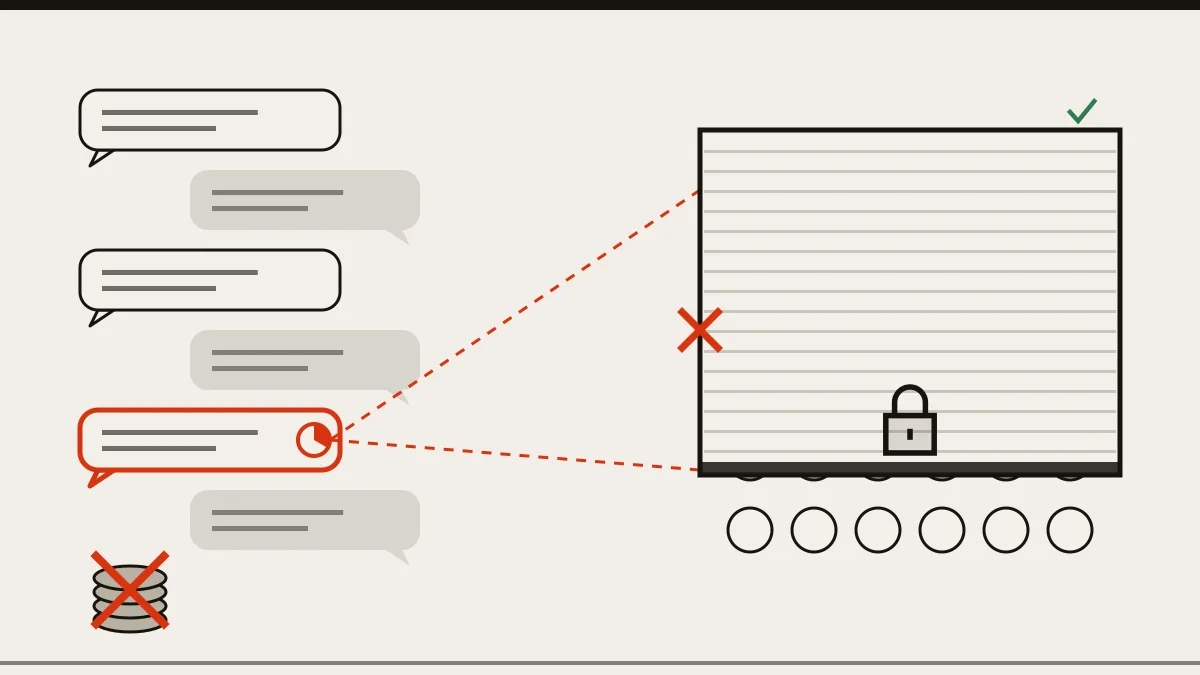
An Instagram sextortion report is one of four calls you should make, not the whole response, and the first few minutes matter more than the wording of any of them. Don't pay. Stop replying. Don't delete the conversation. Meta's own sextortion guidance says the same things: stop responding, don't pay because paying rarely ends the threats, block the account but keep the profile and messages, and report both the threats and any images. The National Crime Agency's April 2024 alert, sent to hundreds of thousands of education professionals, put it more bluntly still: "Don't pay, do stop contact and block". Paying is the mistake people make most, because it feels like buying silence. It rarely is, and Meta's guidance says so plainly. None of this is your fault, and none of it is unusual. Reporting early keeps every option open.
The four calls, in the order that protects you best:
- Instagram. Report the account and the messages from inside the chat, after you have captured them as described above. Since October 2024 Instagram has also hidden follower and following lists from accounts that show signs of scam behaviour, which takes away the audience these threats depend on.
- Hash-matching, so the images cannot spread. For adults, StopNCII.org creates a digital fingerprint of an intimate image on your own device, and participating platforms, Instagram among them, block matching uploads. NCMEC's Take It Down offers the same protection for images taken before you turned 18. Neither service ever receives the image itself. Adults in the UK can also call the Revenge Porn Helpline, the service behind StopNCII.org, for help with reporting and removal.
- The police. In the UK, call 999 if you are in immediate danger and 101 otherwise. Under-18s and their parents can also report through the CEOP Safety Centre, and Childline's Report Remove tool helps young people get images taken down. In the United States the FBI takes reports at ic3.gov and on 1-800-CALL-FBI.
- Your bank, if you have already paid or shared card details. In the UK, dialling 159 connects you safely to your bank, a service Stop Scams UK says covers more than 99% of UK retail bank current accounts.
The law is firmly on the victim's side. In England and Wales, threatening to share an intimate photograph or film has been an offence in its own right since 31 January 2024 under section 66B of the Sexual Offences Act 2003, whether or not anything is ever shared, and demanding money with menaces is blackmail under the Theft Act 1968. In the United States, the Federal Trade Commission began enforcing the TAKE IT DOWN Act on 19 May 2026, which requires covered platforms to remove reported intimate images, and known identical copies, within 48 hours of a valid request.
The scale is rising, and it is not evenly spread. The Internet Watch Foundation acted on 397 sextortion reports in 2025, 127% more than in 2024, and 98% of them involved boys aged 14 to 17. Meta's enforcement reaches beyond the single account a victim reports: in July 2025 it said it had removed nearly 135,000 Instagram accounts earlier that year for sexualised comments on, or requests for sexual images from, adult-managed accounts featuring children under 13, together with around 500,000 Facebook and Instagram accounts linked to them. When the conversation has moved to Snapchat, where messages delete themselves by default, preserve the Snapchat evidence before it disappears, because the same capture rules apply there with less time to act.
Be wary of anyone who charges to make a threat like this go away. The FBI's own public service announcement on sextortion points out that law enforcement and non-profit agencies help victims at no charge, and that is correct: the helplines, the hash services and the police cost nothing, and so does our triage.
An Instagram blackmail report when there are no images
Not every threat is sexual. We also see demands for money backed by a threat to send a fabricated allegation to an employer, a partner or a list of followers, and threats to publish private information unless someone complies. The Instagram blackmail report follows the same pattern: capture everything, report the account and the messages, block, and do not negotiate. Where the threat is to publish something false about you, the matter is part blackmail and part defamation, and the police route and the legal route can run side by side.
If someone is threatening to share intimate images of you, or is already doing it, contact us for free, confidential triage. We will never ask you to send the images, we will tell you which of the free routes above to use first, and nothing you tell us is shared without your agreement; how we handle what you send is set out in our privacy notice.
How to report doxxing on Instagram, and where else the address lives
How to report doxxing on Instagram comes down to picking the privacy route rather than the harassment one. Meta's privacy-violation rules cover the details people use against each other: a private home address or location, a phone number or email address that is not public, national identity numbers and card details. Two limits sit inside that policy, and both catch people out. Not every piece of personal information breaks the rules, and the policy spells out exceptions. And Instagram acts on a privacy report only where it comes from the person the information is about, or someone authorised to act for them. A friend reporting your address on your behalf is well meant and procedurally weak. Report the post, story or comment from the item itself, or use Instagram's privacy violation form if the content is hard to reach from the app.
When the address arrives with a threat, the report to Instagram is the second call, not the first. In the UK, ring 999 if you believe you are in danger now and 101 if you are not. Posting someone's address as part of a campaign of intimidation can amount to harassment or stalking, which the Crown Prosecution Service prosecutes under sections 2, 2A, 4 and 4A of the Protection from Harassment Act 1997, and a message threatening death or serious harm can also fall under the threatening communications offence in section 181 of the Online Safety Act 2023, which carries up to five years and applies in England, Wales and Northern Ireland.
The part nobody mentions is that an address posted on Instagram rarely stays there. It is screenshotted into group chats, pasted onto forums, and scraped by sites that exist to aggregate exactly this kind of detail, and a removal from Instagram touches none of those. What does reach them, where it is search results that matter, is Google's own policy. Google will remove a search result that exposes your personal contact information alongside explicit or implicit threats, or calls for others to harm or harass you, and it treats that as doxxing under its personal information removal policy. The page itself stays wherever it is hosted, but it stops being the thing someone finds when they search your name, and that is often the difference between a nuisance and a danger. It is also the one part of a doxxing case that does not depend on the host's goodwill, which matters, because the site that republished the address is frequently the one party that never answers.
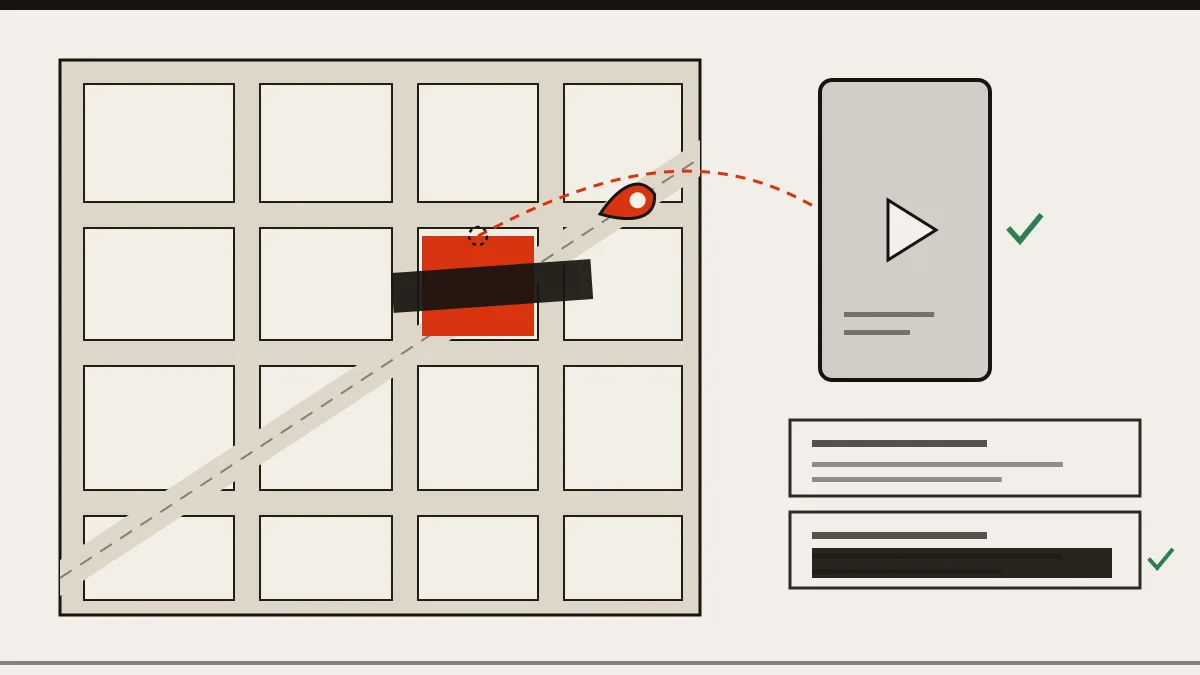
Keep a log as you go: the Instagram handle, the date, where else the details surfaced, and every report reference you are given. Should the police become involved, that log is the first thing they will ask for.
The report that takes down an Instagram post, reel, story or business page
Start with the question search engines assume you are asking, because they are usually right. Most people who type "take down instagram story" or "take down instagram reel" want to remove their own, and for your own content there is no report involved at all. A post, reel or story you published can be deleted or archived from its own menu, and a business profile can be deactivated or deleted from the account's settings, all of which Instagram's help centre documents step by step. Nobody needs to be paid for that part.
Taking down somebody else's content is a different job, and the route depends on why it should come down rather than on what kind of object it is:
| If the content… | The route | What happens after |
|---|---|---|
| Breaks a platform rule (harassment, threats, nudity, hate, scams) | An in-app report on that item | Removal if the rule is broken; nothing if it is not |
| Uses your photo, video or music without permission | Meta's copyright report form | Removal, but the poster can counter-notify, and your details are not kept from them |
| Uses your trade mark, such as a business name or logo | Meta's trade mark report form, from the owner or an authorised representative | Removal of the infringing use, sometimes the account |
| Exposes your private information | The privacy route above | Removal if it falls inside the policy |
| Makes a false factual claim about you | Meta's defamation form, where available, or a court order | Usually restriction in one country, rarely deletion |
To take down an Instagram post, the in-app report is right when a rule is broken, and nothing else is faster. Reels work the same way; there is no separate takedown form for them, although the audio laid over a reel can be its own copyright object. Stories are the awkward case. A story leaves public view after 24 hours but can live on in a highlight, so capture it the moment you see it, because the evidence may be gone before any review finishes. The four Instagram removal jobs, profile to story takes each object in turn, including why a story is the one most often lost to the clock.
To take down an Instagram business page that is not yours, identify what it is doing wrong before you choose a form. A page trading on your brand is a trade mark case, filed by the owner of the mark or an authorised representative, and it stands or falls on the registration and on an example of the infringing use. A page pretending to be your business is an impersonation case, and the evidence is proof that you are the business: company records, the official website, an email address on your own domain. If your business name is not a registered trade mark, this is usually the stronger of the two routes. A page telling the public your business is a scam is, if the claim is false, a defamation case, which needs the exact statement, the reason it is false and evidence of the harm it is doing. Three routes, three kinds of evidence; the wrong one wastes the weeks it takes to be refused.
Copyright takedowns deserve one warning. They are fast, but they are the easiest to reverse: if the poster files a counter-notice, Meta sends it to you with their contact details and, by its own account, the process can take up to 14 working days before the content may be restored. Knowing which removals stay down once a counter-notice arrives is the difference between a result and a pause.
How do you report a scam on Instagram so the money side moves too?
Report it twice, in the right order: to the money first, then to the platform. When people search "report scam instagram" or "report scam on instagram" they usually mean the in-app report, and it matters, because it is how the account and its posts come down. It does nothing to recover a payment. If you have sent money, the clock that counts is your bank's, so call the bank before you do anything else. In the UK, dialling 159 puts you through to your bank safely, without relying on a number the scammer may have given you.
UK victims have a stronger position here than most people realise, and they need it: UK Finance reported in July 2026 that losses to authorised push payment scams reached £576.4 million in 2025, up 19% on the year before. Since 7 October 2024, payment firms have had to reimburse most victims of authorised push payment fraud, where you were tricked into sending the money yourself, for Faster Payments and CHAPS transfers between UK accounts, up to £85,000, provided you claim within 13 months. The Payment Systems Regulator says refunds should normally arrive within five business days. Its own dashboard, published on 30 July 2026, reports that 88% of the money lost in cases covered by the scheme, £316 million, was reimbursed between October 2024 and the end of March 2026, and that 82% of claims were closed within five business days. The scheme does not cover card payments, cryptocurrency, cash or transfers abroad, so a scam paid in crypto or gift cards falls outside it.
How to report an Instagram scammer to police
If you typed "report instagram scammer to police" from England, Wales or Northern Ireland, the route is Report Fraud, the City of London Police service that replaced Action Fraud on 4 December 2025, at reportfraud.police.uk or on 0300 123 2040. In Scotland, report to Police Scotland on 101. Be clear-eyed about what follows. You will get a police crime reference number, which your bank or insurer may ask for. Report Fraud does not investigate cases itself. Reports go to a national analysis service that every police force can see, where they are linked to other reports and passed on when there is something to act on, so filing one does not guarantee an investigation. It is still worth doing, because linked reports are how the people behind an account get caught, and because the reference number can support a refund claim.
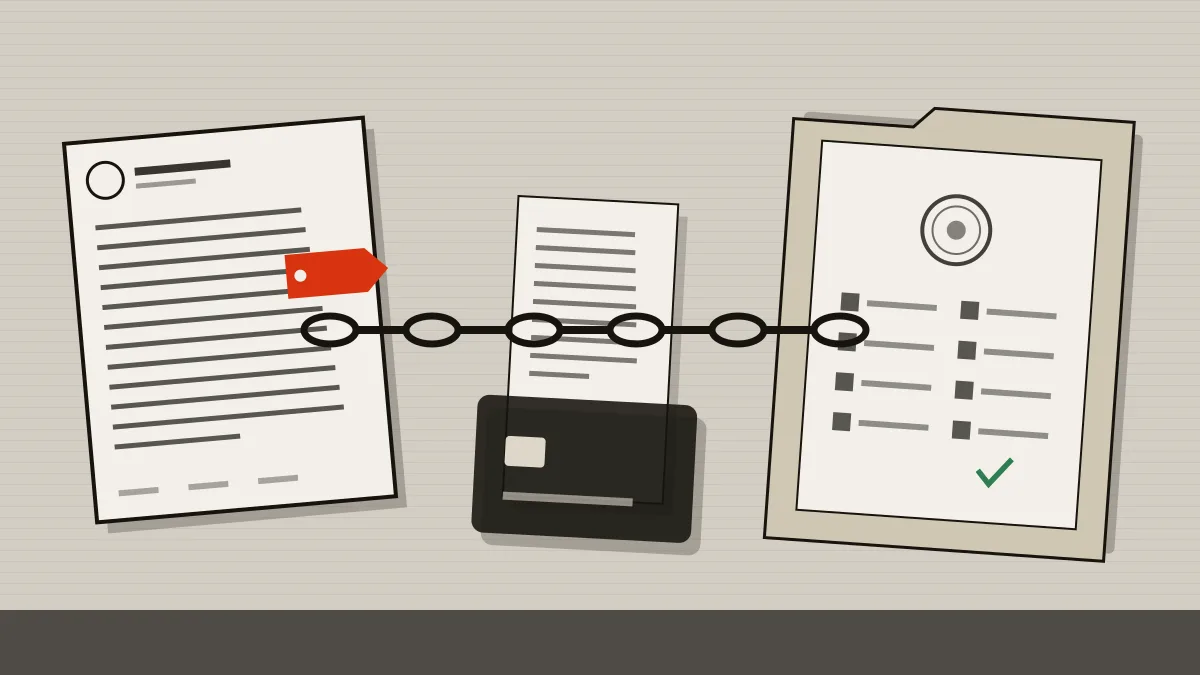
If your search was "report instagram scammer online" and you are in the United States, the routes are the FBI's Internet Crime Complaint Center at ic3.gov and the Federal Trade Commission at ReportFraud.ftc.gov. The FTC's figures show why the social-media route matters: in April 2026 it reported that nearly 30% of people who lost money to a scam in 2025 said it started on social media, with Instagram named among the leading platforms after Facebook.
Then report the scam on Instagram itself: the account, the posts that advertised the offer, and the messages that closed it. Scam accounts often operate in networks, and a report that names the payment details and linked handles gives the reviewer more to act on than a report that only says "this is a scam". Still up a week later? File again only with something new, such as a second victim's screenshots, rather than repeating the same report.
One more direction to think about. If a scammer used your business's name, or a victim now believes your business was the scam, the damage moves off Instagram and onto review and complaint sites, where the rules are different again; removing Trustpilot and Ripoff Report posts covers that end of the problem.
What if someone is impersonating me on Instagram?
Then the ordinary report button is the weaker of your two tools, and knowing why saves a week. The first message we receive in these cases is usually some version of "somebody is impersonating me on Instagram and my followers are getting messages". What to do when someone is impersonating you on Instagram depends less on how convincing the copy is than on who files. Meta's impersonation form says it can only act on reports from the person being impersonated or an authorised representative, such as a parent or legal guardian. Friends can and should flag the clone, and it helps to have the account in front of a reviewer, but their reports are not the filing that decides it. Yours is.
What to do if someone is impersonating me on Instagram, as the search usually puts it, comes down to three moves in the first hour: capture, warn, file. The filing asks for a photo of government-issued ID, which Meta says it deletes within 30 days, and it is open to people who have no Instagram account at all. Before sending it, capture the fake profile: username, display name, bio, profile picture, the date you found it, and any message it has sent in your name. A clone that is removed and returns an hour later under a new handle is a second case, and your first set of screenshots is the evidence that it is the same operator. Meta's account-integrity rules treat accounts created to evade an earlier removal as violations in their own right, so say so in the new report and name the old handle.
Warn your own followers too, from your real account, without linking to the copy: a story saying the clone is not you protects them and costs the impersonator the one thing they borrowed from you.
What happens after you report someone impersonating me on Instagram, to use the phrasing people actually search? The impersonator is not told who filed: Meta's help centre says reports are anonymous except for intellectual property claims, and impersonation is not one of those. When the review goes your way, the account disappears. When it does not, the refusal usually turns on identity evidence rather than on the merits, and the two filings that actually decide an impersonation case sets out how to read a refusal and re-file. Searching "someone is impersonating me on instagram reddit" mostly turns up other people's accounts of the same problem, many from writers and small creators rather than from Reddit itself, which says something about how ordinary it has become. The shorter search, "someone impersonating me instagram", typed in a hurry, leads to the same place.
Why is there an Instagram account impersonating me?
Almost always for one of four reasons, and the reason changes who else you should warn. The commonest is money: the copy messages your followers with an investment tip, a giveaway or an emergency, and your name is the credibility. The second is access, where the clone asks your contacts for a login code "sent by mistake" and uses it to take over their accounts. The third is image theft for someone else's scheme, where your photographs front a romance or sextortion profile aimed at strangers who have never heard of you. The fourth is personal: an account built to embarrass you or put false words in your mouth, which is where defamation law, rather than platform policy, starts to matter.
The same clone often appears on more than one network within days, and each copy needs its own filing. How clones and libel are handled on LinkedIn covers the professional-network version, which runs through a different form with a different evidence bar.
What happens when Instagram does nothing?
You climb, one rung at a time, and each rung is slower, more formal and more likely to hold than the one below it. The first rung is the one most people skip: where Support requests offers a further review, ask for it, and add anything the first reviewer could not have known, such as the context of a threat or proof that a photograph is yours. After two reviews, some decisions to leave reported content up can be appealed to Meta's Oversight Board, which allows 15 days from the decision and hears only a small number of cases. Beyond that, the route depends on where you live and on what the content is.
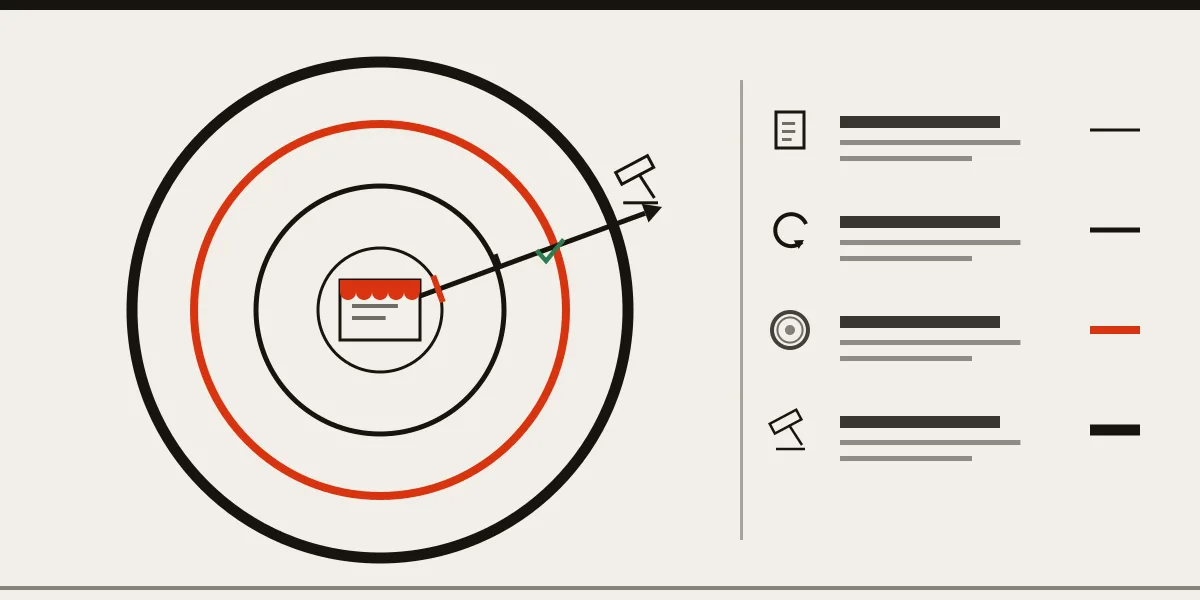
In the European Union, the Digital Services Act gives users, including people who reported something, access to a platform's internal complaints system for at least six months after a decision, and then to certified out-of-court dispute bodies. Appeals Centre Europe is one of them and covers Instagram; it charges users nothing to file, and where the content you reported is still up there is no deadline for bringing the dispute. Its decisions are made outside Meta, which is the point of the exercise, although the regulation does not allow such bodies to impose a binding settlement. The United Kingdom is outside that system. Here the Online Safety Act requires platforms to run complaints procedures, and Ofcom's illegal-harms codes have applied since 17 March 2025, but Ofcom supervises how platforms run their systems. It is not a route for having one post taken down, and nobody should tell you otherwise.
The rungs above those are legal ones. For a false statement of fact, Meta runs a defamation reporting form for Instagram, though where it is available at all it tends to produce a country-level restriction rather than deletion, and Meta's defamation form, and the sentence that ends most filings explains why most submissions fail before a reviewer reaches the substance. After that come a letter of claim, a court order that the platform will act on, and de-indexing of the result from search. The legal routes that remove social media defamation sets out each of them, from the first letter to the order a platform will actually obey, and it is broadly the sequence our team works through on a live case.
| What is happening | On Instagram | UK route past the app | US route past the app |
|---|---|---|---|
| Harassment, threats or stalking | Report the account and the messages | Police: 999 in an emergency, otherwise 101 | Local police |
| Doxxing | Privacy report or privacy form | Police if threatened; Google removal request | Police if threatened; Google removal request |
| Sextortion or intimate images | Report, then StopNCII or Take It Down | Police, CEOP Safety Centre for under-18s, Report Remove | FBI via IC3; the 48-hour TAKE IT DOWN rule |
| Scam or fraud | Report the account, posts and messages | Bank via 159, then Report Fraud, or Police Scotland on 101 | IC3 and the FTC |
| A fake account posing as you | Report it, or use the form, with ID | Police only where fraud or harassment follows | The same |
| Copyright or trade mark | Meta's IP forms, which are not anonymous | A court claim after a counter-notice | A court claim after a counter-notice |
| False statements of fact | Meta's defamation form, where available | Letter of claim, court order, de-indexing | Court order, de-indexing |
When a client comes to us after Instagram has refused a report, the first thing we do is re-read the original filing rather than reach for a heavier instrument. We check the reason that was chosen, the exact item that was reported, and whether the person who filed had standing to do it: the person impersonated, the owner of the photograph, the person whose address was posted. Often the problem is there and not in the evidence, and the fix is a better-routed report, which costs nothing, rather than an escalation, which costs a good deal. We say so when it is true, because a client who wins with a free form is a better outcome than a client who pays for a letter that did not need sending. Where the filing was right and the answer was still no, the ladder above is what comes next.
Read across any row and the pattern is the same. The in-app report is free, anonymous and quick, and it is the only rung that asks nothing of you. Every rung above it asks for more evidence, more of your identity and more time, and gives you in return something the report button never can: a decision somebody outside Meta can enforce.
Four things a report never reaches, and the lines we hold
A report asks one company to apply one rulebook to one piece of content. That is all it is, and it is worth being exact about the edges.
It cannot remove something that is true. A post saying you were convicted, when you were, will rarely break a platform rule or the law, however much it hurts, and the same goes for an honest review or an opinion stated as an opinion. Reporting it achieves nothing, and a false claim that it is defamatory can come back on the person who made it. What remains possible for true material is suppression: pushing the result down in search with accurate, owned content, which changes what people see first without pretending the original has gone.
It cannot reach copies. A screenshot on another platform, a repost in a group chat, a cached page on a forum: each is its own object with its own host, and each needs its own route. Removal from Instagram also does nothing to a Google result pointing at the same material elsewhere. TikTok shows the problem at its starkest, because duets, stitches and reposts are separate objects that survive the original, and the copies that outlive a removal are the reason we map every copy before filing anything at all. Instagram has its own versions of the same thing: reposts on other accounts, reels that reuse your footage or audio, and screenshots of stories that were only ever meant to last a day. A removal that ignores them is a removal on paper, and the person who wanted the content gone is usually the first to find the copy that was missed.
It cannot tell you who is behind an account. Instagram does not unmask users to other users, and the lawful ways to identify someone run through the police or a court order, not through a report form.
And it cannot be bought in bulk. Volume is not a variable in Meta's review, and paying someone to file hundreds of reports on your behalf risks your own accounts for no gain.
Our side of the line is just as fixed. We do not file a report we believe to be false, we do not forge or bluff a legal notice, we will never ask for your password, and in an intimate-image case we will never ask you to send us the material. We cannot guarantee removal, and nobody honest can. What Obscura can do is tell you, before any fee is named, which route fits your case, whether it is worth filing, and when the honest answer is that nothing will come down. The longer version of those limits, and what these briefings are and are not, is set out in our disclaimer, and the platform-by-platform detail lives in the rest of our briefings.