Does mass reporting an Instagram account work?
No. Volume alone does not remove an account that breaks no rule.
Instagram's help article on removal decisions says so. A tally of reports is not what settles the outcome. The same guidelines apply at every review, and either software or a trained review team checks the item against them. One report or a hundred, the question stays the same.
What is mass report on Instagram?
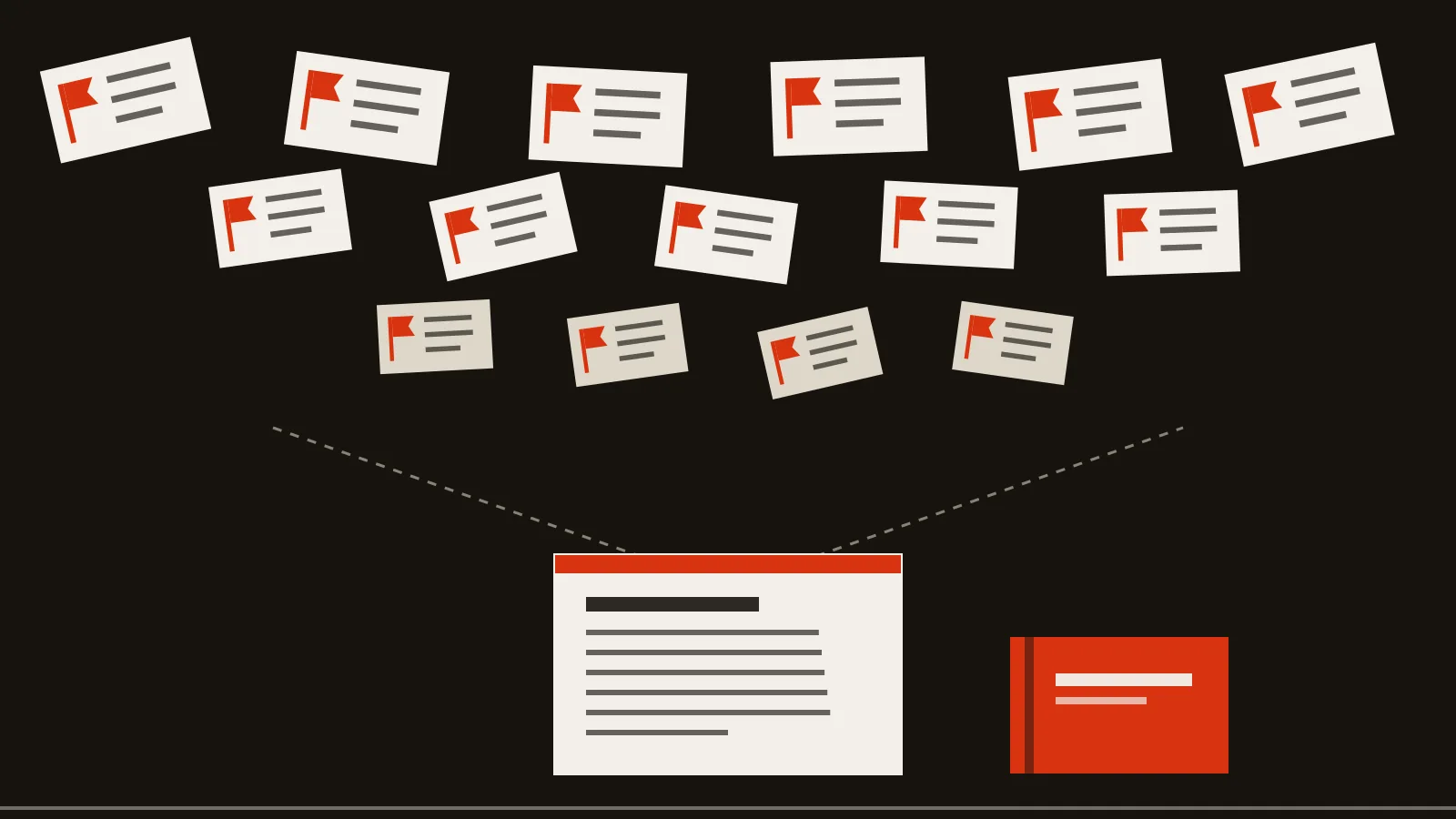
Mass reporting on Instagram is a burst of reports aimed at one target. Many people, fake accounts, or a script file them. Sellers list it as a "mass report Instagram account" package. The aim is simple. Volume is meant to do the job that only evidence can do.
Volume can still hurt. In 2021, AlgorithmWatch described small groups that ran free GitHub scripts. One person could file hundreds of reports from several accounts in a few clicks. Some targets were suspended after such a wave. So a wave can cause a wrong call. Does mass reporting work on Instagram against a clean account, then? Only by error. Errors like that can be appealed, and a wave still cannot make a lawful post break a rule.
Obscura is an independent content reporting and takedown service that files only through official forms, legal notices, and appeals.
Obscura prepares the evidence and the filing. Instagram, a court, or a regulator decides each case, and no outside party controls the review queue.
Which rule the post breaks picks the report route
The rule an item breaks decides where the report goes. That choice outweighs any count.
| Situation | Rule to name | Where to file |
|---|---|---|
| Someone poses as you | Impersonation | The impersonation form, by the person shown or a representative |
| Fake shop or payment request | Fraud, scams, or spam | Report it in the app, from the profile or from the chat |
| Abusive direct messages | Bullying and harassment | Report the chat itself, since the profile team cannot see direct messages |
| Insults aimed at a private adult | Bullying and harassment, self-report tier | The target files, as Meta's bullying policy asks for some abuse types |
| Your own photo or video posted | Privacy | The privacy form, kept for the person in the image |
| Intimate image shared or threatened | Non-consensual intimate imagery | The in-app report, plus a hash through StopNCII |
| A personal feud, no rule broken | None | No report fits, because Instagram does not mediate disputes |
| Threat of harm right now | Violence and incitement | Local police first, as Instagram's safety page advises |
For example, picture a hypothetical shop at example.com that copies a bakery's photos and name. The bakery owner files one impersonation form with proof of identity. That one form asks the right question. Ten friends filing scam reports would ask the wrong one.
Getting the rule right is the core of the job. A reviewer checks one item against one written standard, so a report filed under the wrong heading can fail even when the item is harmful. Pick the right heading.
Harassment has its own limits. Meta asks the target to report some kinds of abuse in person. A friend cannot always stand in. The Instagram harassment reports guide maps those lanes in detail. Fake profiles have their own two queues as well, covered in the impersonation guide. If no row fits, there is nothing to file.
How to mass report an Instagram account: file once, file well
The right way is one accurate report per person, on the exact item, under the true reason. Every guide on how to mass report someone on Instagram ends at this same menu. The steps below use its labels.
Report one item at a time
- Profile. Open it, tap Options in the top right, then tap Report. On desktop, the Options button sits beside the username (profile and post steps).
- Post. Tap Options above the post. Tap Report, then follow the steps on screen.
- Comment. Under the post, tap Comments. Press and hold the comment you mean, and choose Report (comment steps).
- Story. While the story plays, use the three-dot icon near the top. Choose Report inappropriate (story steps).
- Message. Tap and hold the message, tap Report, and pick a reason. Then tap Submit report. A review can read up to 30 recent messages from that conversation (message steps).
- Proof. Screenshot each item with its date. Copy the link and the username. The About this account screen lists when the profile was created and how many usernames it has used before.
- Follow-up. Check Support requests for your reports. Some may be missing there, as Instagram's help page warns.
The step guide for comments, posts, stories, and DMs has screenshots of each menu. What comes after you file is set out in what happens after you report someone.
What to prepare and why reports fail
Have four things ready before you file:
- The link to the exact post, comment, story, or profile.
- The username, copied as text.
- A dated screenshot of each item.
- The name of the rule it breaks, taken from the table above.
Three mistakes can sink a report that deserved to win:
- Wrong heading. A scam filed as hate speech is checked against the hate speech rule, and it passes that check.
- Wrong reporter. The impersonation and privacy forms are kept for the person shown or a representative.
- Wrong item. A harassing message reported from the profile goes to a team that cannot see direct messages.
Reporting one Instagram account multiple times
Yes, but a second report on the same item from you adds nothing new. Reporting every post on a profile, broken rule or not, adds noise, not facts. Asking a group chat to mass report Instagram post links adds the same noise. Report each separate post that breaks a rule instead. Each item gets its own check.
Other people who were harmed can file their own reports. Those count as fresh accounts of what happened. Copies of your report from strangers do not.
Still, can you mass report an Instagram account from many phones? Anyone can tap Report, but there is no bulk report button anywhere in the app. Report again only when you have a new item or new proof. Reports stay private, too. Your identity stays hidden from the reported account.
What GitHub scripts, Telegram bots, and paid panels really do
Every listing below runs fake or borrowed accounts, and Instagram's terms forbid each part of that.
As of November 2026, section 4.2 of the Instagram Terms of Use bans making accounts or gathering data by automated means without consent. It calls fraudulent or groundless reports a misuse of the report channel. It also bars buying or selling accounts.
Meta's Inauthentic Behavior policy adds a direct line. Using its report tools to harass or silence people is a violation in its own right. The EU Digital Services Act, Article 23, goes further still. Platforms must warn, then pause, people who keep sending clearly unfounded reports.
| Sold as | What it runs on | Verdict |
|---|---|---|
| GitHub scripts | Code that signs in to stored accounts and reports in a loop | Breaks the automation and fake-report terms |
| Telegram bots | A chat that takes orders and runs scripted accounts behind it | Paid groundless reports |
| Web shops and SMM panels | Report counts priced like likes, filed from the seller's accounts | Paid groundless reports |
| Desktop or browser tools | Software that runs the same loop from your computer | Coordinated inauthentic reporting |
| APK apps | A sideloaded Android app that asks for a login | Risk to your own account |
| Outage trackers | Sites that count users who cannot load the app | Unrelated to account reports |
An Instagram mass report bot has no side door. The scripts AlgorithmWatch studied filed through ordinary accounts, one report at a time. More accounts raise a count. They cannot add a fact to the file. An Instagram mass report GitHub project runs that same loop. An Instagram mass report Telegram bot does too, with a chat taking the order. Any Instagram mass report tool sold under a new name works the same way.
Paying changes nothing either. A search for "buy mass report Instagram" leads to the same loop with a price on it. A buyer who hands money to a report bot gets no proof that one report was filed. An Instagram mass report service files from the seller's accounts, and those accounts break the terms the moment they report. An Instagram mass report SMM panel is the same offer on a price list, next to likes and followers. Telegram storefronts of this kind are covered in a look at report-bot shops. Spam-bot accounts themselves are a real target, and reporting spam bot accounts shows the route that works.
Instagram mass report APK files
An APK is an Android app installed from outside Google Play. Google's own count put malware from internet sideloading over 50 times higher than on Play apps. An app that asks for your Instagram login can take over your own account. Google's developer verification began its regional rollout on September 30, 2026. A global rollout is planned for 2027 and beyond. A test of nine report apps shows what they ask for.
Can mass reports delete an Instagram account?
A wave of reports can trigger a wrong suspension. It cannot create a violation, and wrong calls can be appealed.
As of November 2026, strikes expire after one year under Meta's strike system. A single severe breach can be enough to disable an account. That depends on the content, not on the number of reports. The detail sits in how many reports it takes.
A disabled account can ask for a review. Instagram sets no deadline for that review, per its help page on disabled accounts. Watch the email tied to the account. People in the EU can also take a final decision to the Appeals Centre Europe, and it bills users nothing.
If a wave hits your account
- Open Account Status and read which rule each removal cites. Professional accounts also see whether they can be recommended.
- Appeal each removal that broke no rule, inside the app.
- As of November 2026, you can turn on Limits for up to four weeks. It screens out comments and message requests from people who only just followed you. Accounts that do not follow you are screened too.
- Restrict one harasser. Their new comments then show only to them.
- Add words and emoji to Hidden Words.
- Save proof of the campaign: posts that organize it, dates, and usernames.
- Report those organizing posts under the true reason.
If Account Status lists no removal, nothing has been taken down yet. There is nothing to appeal. Keep the proof and leave Limits on while the wave runs.
The rule named in a removal notice tells you what to argue. The guide to reading why an account was banned walks through each rulebook.
What Obscura prepares and what it declines
Obscura prepares one evidence-backed report for a real violation and submits it on Instagram's official forms. We read the evidence first. Then we name the rule, pick the channel, and file.
What comes back is a written view of the case. It names the rule, the channel, and the gaps in the evidence. There is no fixed price, because the work depends on what the evidence shows. Obscura is not part of Instagram or Meta. It has no access to their review queue.
Obscura declines these requests, and each one has a reason:
- Fake, paid, or coordinated reports against any account. They break the Terms of Use.
- Bot, script, APK, or panel runs from any seller. They rely on fake accounts.
- Any password, 2FA code, or session file. We never ask for them.
- Help with a new account made to dodge a ban. Meta's Account Integrity policy covers that.
- Payback against someone who reported you. Retaliation is still abuse.
- Promises about removal, timing, or results before the evidence is read.
Start with the route table above. Find your row, then file that one report yourself or send the case to Obscura.