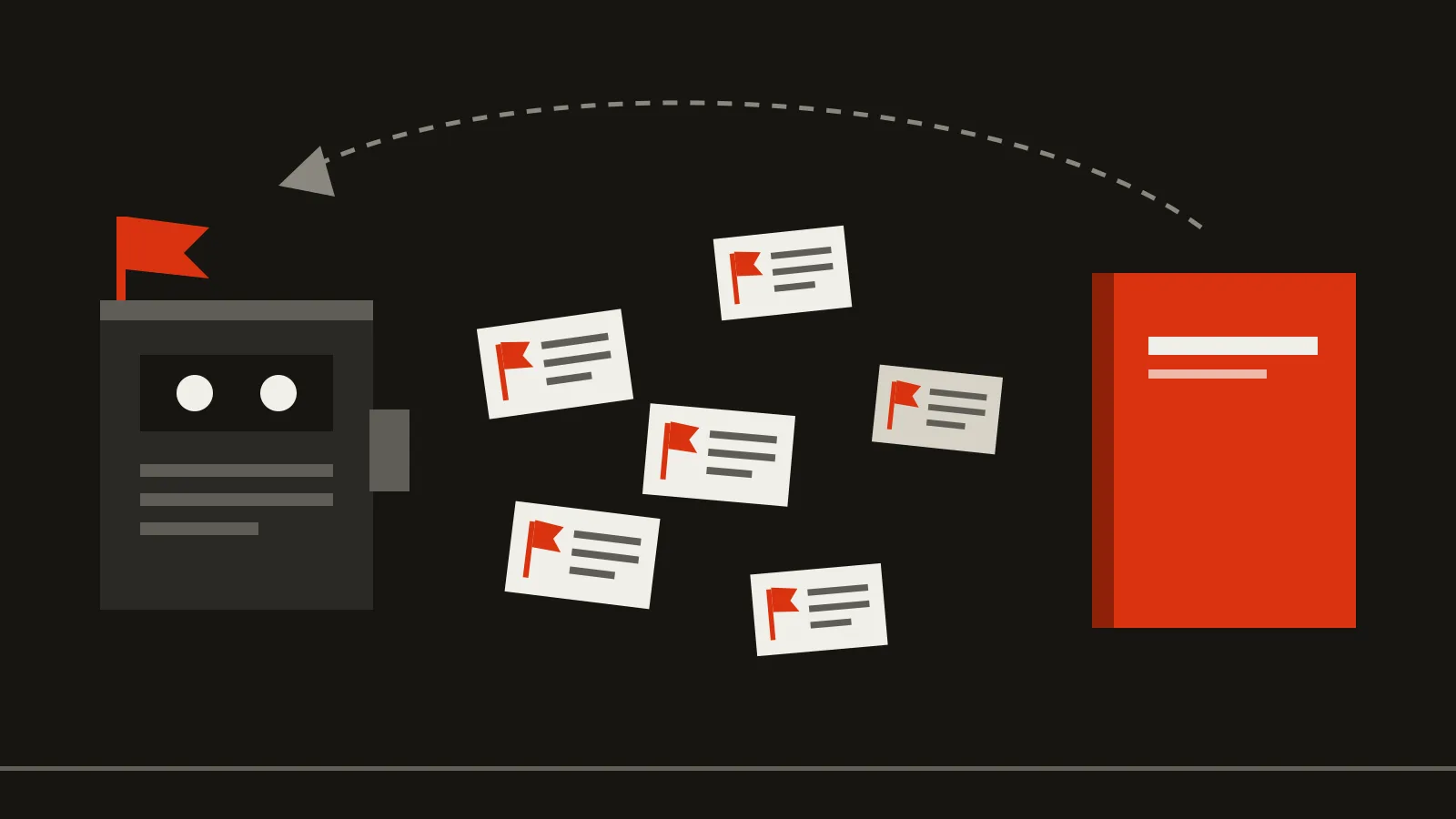
Four people, one tool: where does the risk land?
Sellers describe a transaction with two sides, a customer and an enemy. Four people are involved, and the seller is usually the one holding the least risk. An Instagram spam report bot, as we use the term, is a paid product that lodges repeated spam complaints about a named profile through many logins. The buyer funds it. Somebody, possibly somebody who never heard of the buyer, supplies each login. A target absorbs whatever follows. And in the background sit ordinary people filing real complaints into the same queue, who never agreed to share it.
Searches such as instagram report spam bot and spam report bot instagram usually come from the first of those people, weighing a purchase. Someone typing report spam bot instagram more often has a fake profile in their comments and needs a plain answer, which comes further down. Obscura removes content by lawful routes, such as policy complaints, signed copyright notices and legal letters. We sell neither reports nor bots, and this briefing explains no way of running one.
What follows takes each person in turn and asks three questions. What can they lose? What can they check? And what can they do about it?
The buyer pays for an outcome that can't be inspected
Start with the purchase itself, since the buyer's first exposure is simply being sold nothing. Instagram tells people that "The account that you reported won't see who reported them", and no public mark shows that a complaint was ever filed. A counter on a seller's dashboard is therefore a number the seller typed. If the target goes quiet, that proves little too, because people stop posting for all sorts of reasons.
The product's central promise is also contradicted by the platform. Instagram says it uses "a combination of technology and reports from users" and that a higher tally doesn't settle removal. When the Oversight Board described whole-account review on 4 June 2026, in Account Ban for Targeting Public Figures, it listed the profile picture, name, strike history and a limited number of recent posts. Report volume wasn't on that list. A fuller account of the weighing sits in our note on what moderators weigh in mass-report cases, and our bench test of Instagram report apps covers the product types on sale.
Next comes the buyer's own account. Section 4.2 of the Instagram Terms of Use bars "accessing or collecting information in an automated way without our express permission", and the same section prohibits using other people's credentials. Meta's Inauthentic Behavior standard names misuse of its reporting systems "to harass, intimidate or silence others". No Meta document mentions report bots by that name, so joining those lines up is our reading. It isn't a stretch, though.
Then there is the law, which reaches further than a platform can.
In England and Wales, section 1 of the Protection from Harassment Act 1997 forbids a course of conduct that amounts to harassment where the person knows or ought to know it does, and the test for "ought to know" is what a reasonable person with the same information would think. Paying someone to file complaints against one named individual is not automatically harassment, and we know of no reported case on these facts. Still, a spam report instagram bot order that names a person and states the aim of silencing them is an unhelpful document to have written. Separately, section 1 of the Computer Misuse Act 1990 makes it an offence to cause a computer to perform a function intending to secure access you know is unauthorised, which can matter when the tool runs on logins taken without consent. Whether a buyer is liable for what a seller does depends on the facts and the country, so anyone already in this position should speak to a solicitor about their own circumstances.
Money is the smallest item in that list. Yet it is the only one sellers ever mention.
The person whose login gets used may not know
Of the four, this one has the least say and often the least warning. A tool that files through many accounts has to get those accounts from somewhere: profiles a seller holds, or logins that customers and strangers have handed over. Instagram's own November 2018 notice on third-party apps told affected users that changing a password revokes such an app's access. That advice tells you how those apps got in, and it tells you what the person holding your session can do until you act. Sometimes the request is dressed up as a verification step, as the storefronts selling Instagram spam reports show.
Consider what the owner stands to lose. Their account can be used for anything while someone else is signed in, and the terms make no special allowance for a borrowed login. Meta's counting strikes page gives strikes a one-year life and says the most serious violations can disable an account on a single occurrence, so a restriction may be the first sign of trouble they get. Being real offers no shelter either. When Meta announced the removal of a mass-reporting network in Vietnam in December 2021, it said the members relied "primarily on authentic and duplicate accounts". The network was on Facebook, not Instagram, and it remains the clearest public example. We found no published figures on how often accounts are hit for this, so any number you are quoted, in either direction, can't be checked.
What can this person do? Four things, in this order.
- Change the password on the account, and on the email address linked to it.
- Check active sessions and remove any device or location you don't recognise.
- Switch on two-factor authentication.
- Remove any third-party app you once connected and no longer trust.
Anyone who hears "just share your login and we'll handle it" should treat it as an attack, whichever way it's framed. A real helper doesn't need your password. We never ask for one.
The target of a spam report instagram account bot keeps real rights
Proving that a spam report instagram account bot was involved is rarely possible, and an appeal doesn't depend on it. No list of complainants will be disclosed. Nor do ordinary errors need a campaign behind them: Meta's Integrity Reports put Instagram's global enforcement precision at around 92% as the first half of 2026 closed, with no spam-only figure. So the target has a practical cost and a procedural advantage. The cost is lost days, lost reach and perhaps lost income, and it arrives before anyone has reviewed anything. The advantage is that the decision can be challenged on its own wording.
Users in the EU have something firmer than a help page. Article 20 of the Digital Services Act requires online platforms to keep a free complaint system open for at least six months after a decision, and it requires complaints to be decided under the supervision of appropriately qualified staff, not by automated means alone. Six months matters more than it sounds. Someone who discovers a restriction late, or who spent a fortnight trying to sign back in, hasn't necessarily lost their chance. Those outside the EU should read the time limit in their own notice and act quickly.
An appeal works best as a short set of checkable facts. A spam label is about conduct, so answer the conduct: how often you post and comment, in plain numbers; that you haven't bought or sold accounts, likes or followers; where your links go, and that they deliver what they say; which scheduling tool you use, if any. If you have used a growth app, deal with that honestly first, because it may be the real cause. Start from Account Status, screenshot the notice and leave the disputed post in place as your evidence. A suspected campaign earns one line at most, and only if your dates support it, because the reviewer is testing the rule and not anyone's motive.
EU users can also look at Appeals Centre Europe, which charges no user fee at present. Read its limits first. Its FAQ rules out decisions finding that an account "uses automation, bots or scripts", since those depend on "account activity patterns, not on a specific piece of content". A suspension pinned to one post might get a hearing where a plain automation finding wouldn't.
Sometimes the complaints travel with something worse, such as a libellous post, your home address online or a copy of your shop's profile. Each of those has its own route, and Obscura reviews them confidentially. You'll hear which route applies before any fee is discussed. The decision stays with the platform or a court, so nobody here will promise you a result.
The honest reporter shares the queue with the machines
Nobody writes about this person, and yet they are the reason the reporting button exists. Someone sees a fake giveaway, files one complaint and hopes a reviewer reads it. Every automated complaint competes for the same attention, although how Meta triages its queue is unpublished, so treat the crowding effect as our inference.
The honest reporter also has a legal line drawn on their behalf. Article 23 of the Digital Services Act says platforms shall suspend, for a reasonable period and after a prior warning, the processing of notices and complaints from those who frequently submit manifestly unfounded ones. Each case must be assessed individually, looking at the absolute numbers, the proportion against that person's total submissions, the gravity of the misuse and, where it can be identified, the intention. That standard is aimed at repeat abuse. One sincere report that a reviewer later rejects sits a long way from it. We have seen no published count of how often Instagram uses this power, so we can't say how it plays out in practice.
The same Article 20 gives reporters a right as well: its complaint system extends to those who have submitted a notice. If your report on a genuine scam was turned down in the EU, you aren't limited to shrugging and moving on.
There is a quieter risk for the helpful friend. Asked to "report this account too", a person who saw nothing is making a claim they can't support, and they become a small part of someone else's campaign. People who were each personally targeted can each describe what happened to them, because those are separate witnesses. Everybody else should leave it alone.
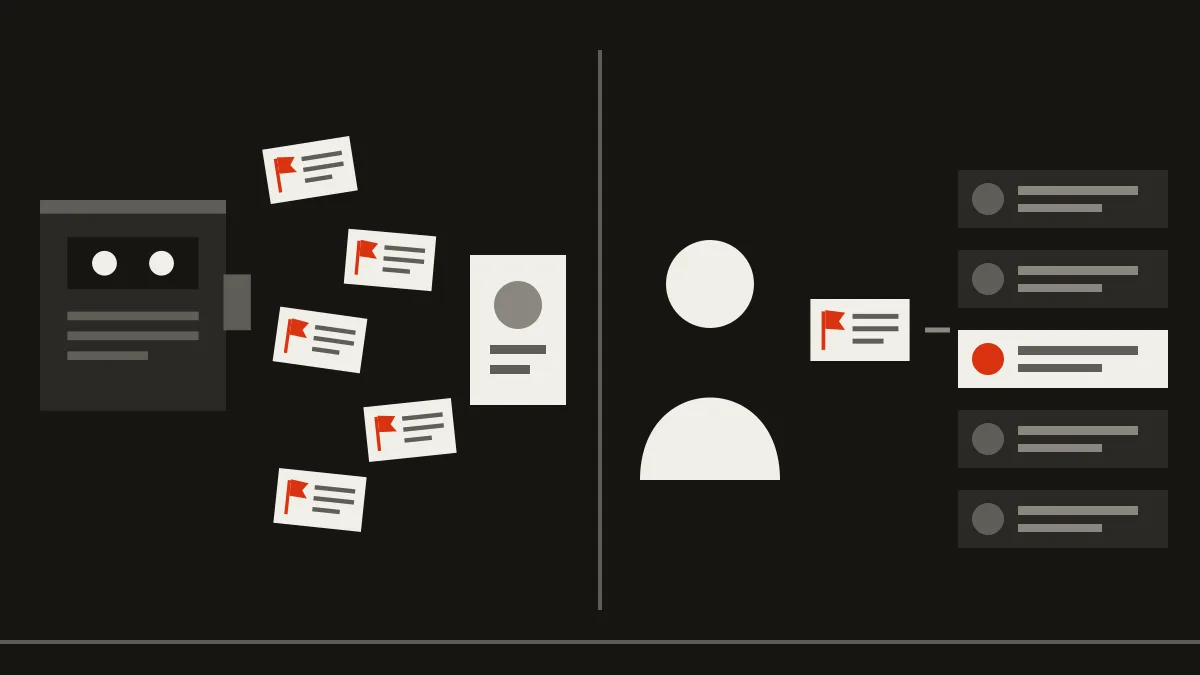
One honest instagram spam bot report, from start to finish
This takes about a minute and needs nothing but your own account. Instagram's help page on reporting sets the route, and menu labels change, so go by what your screen says.
- Check the behaviour. Does it post at a rate no person would? Does a link promise one thing and deliver another? A blank grid and an odd handle prove nothing, since quiet people have those too.
- Choose the object. File on the single post, comment or message where one item does the harm. Go to the profile when the whole account is at fault.
- File once. Open the options menu on the post or beside the username, choose Report and follow the prompts. For a post, the reason Instagram labels Scam, fraud or spam is the one to pick if it truly fits.
- Save a record, then stop. Keep the handle, the link and a dated screenshot.
A spam bot instagram report doesn't gain from a second filing by you. A swarm of fake followers on your own profile is a different chore, covered in our guide to spam and bot accounts. Clones and threats aren't spam at all, and they need the route that fits the account's type. What reporting someone on Instagram does follows a single complaint from there, and the note on strikes explains how penalties accumulate.
What Obscura refuses, and what no report can reach
We turn down work against compliant accounts, however unwelcome the critic or rival behind them. False reports, bots in any form, forged notices, requests for a password or two-factor code and promised outcomes are off the table as well. The phrase a service that removes an account covers four different requests, and only some have a lawful answer.
Our first questions on a spam complaint are practical. Which post or profile is it, which line of which policy does it meet, and what could a stranger verify without taking your word for it? A rival advertising likes for sale has made a public offer you can screenshot. A rival who simply has more customers has given you nothing to file, and you'll hear that early. If what really hurts is an untrue claim about your business, calling it spam buries the complaint, because the filing belongs under defamation or privacy.
Reporting has a ceiling too. Truthful reporting, genuine public records and honest opinion don't come down through any of these routes, and a forged complaint against them tends to attract more readers. The lawful option left is suppression, meaning work that lowers a result in searches for your name while the page stays online. Our disclaimer draws that line in full.
Threats go to the police, and child sexual abuse material to the police or a national hotline. For intimate-image abuse, adults have StopNCII, whose hash is created on the person's device, so the picture itself is never sent.