What is a TikTok mass report bot, and what does one report contain?
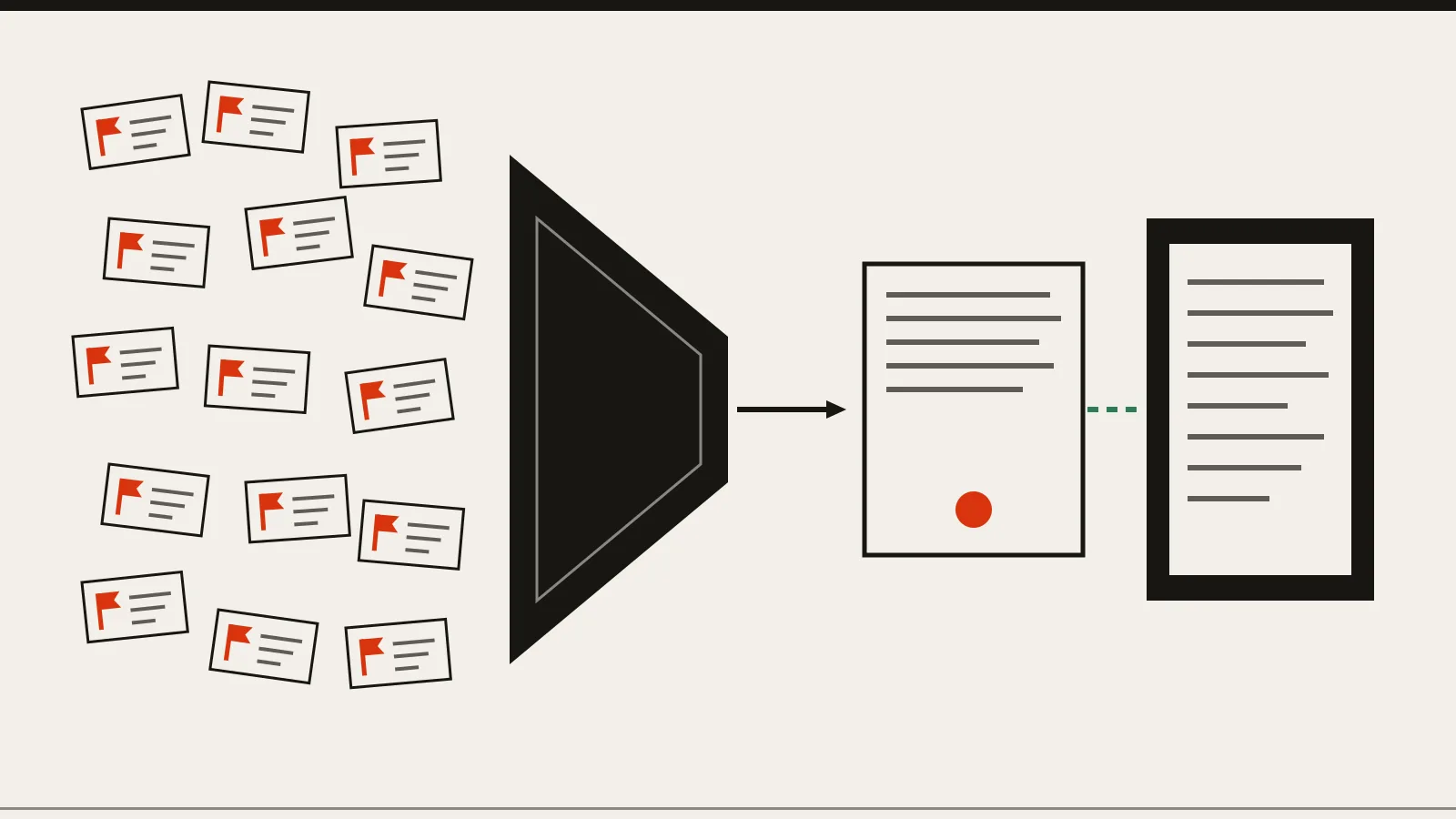
A TikTok mass report bot is software, or a paid service built on software, that makes many accounts file reports against one video, comment, LIVE or profile in a short window, in the hope that the pile forces a removal. The labels vary: mass report bot tiktok, mass report tiktok bot, mass tiktok report bot, mass report tiktok account bot, tiktok mass reporter. So does the packaging, from a tiktok mass report tool to a mass report tiktok tool or a mass report tool tiktok listing with a dashboard on top. The thing underneath stays the same. When we read TikTok's developer documentation in July 2026, it offered login, posting, research and advertising interfaces and no call for filing a Community Guidelines report, so a bot has no door of its own. It signs in to ordinary accounts and uses the Report screen you already have. Every tiktok mass report therefore begins as a stack of ordinary reports.
That makes one ordinary report the thing worth following. Obscura is a content-removal firm working through platform policy, copyright notices and legal routes. It does not sell reports. This briefing walks a single complaint through TikTok's four visible stages and asks the same question at each: what would the five-hundredth copy add? If you want the products taken apart instead, our bench test of what report bots actually are does that job, and we won't repeat it.
Stage one: what gets submitted
Very little. On a post you go to Share, then Report, choose a reason and submit. On an account it is the profile, Share, Report, Report account, then a reason (TikTok Help Center, Report an account). So the complaint carries an object, a reason from TikTok's own list and the account that filed it. Nothing on that path asks how many other people agree.
TikTok tells the reporter it "will not disclose your identity to the person whose content or account you're reporting" (TikTok Safety Center, Reporting on TikTok, read 2 November 2026). Hold on to that sentence. It protects honest reporters, and it also means nobody buying a campaign can check that one was delivered.
Copy five hundred adds the same object and the same reason. No new fact arrives at this stage, only a repetition of a question already asked. The route itself, object by object, is set out in how to report a TikTok account, video, LIVE or comment.
How does TikTok mass reporting work in the queue? Stage two: the repeats
Here the honest answer starts with a gap. TikTok does not publish how it merges, ranks or discards repeated reports on one object, so anyone describing the exact mechanics, including a threshold or a magic number, is guessing. What it has said is narrower. Its Help Center lists when content comes under review: "when you upload content, if it gains popularity, or if it's reported" (TikTok Help Center, Content violations and bans). Being reported is the trigger, and the sentence attaches no number to it. Tiktok mass reporting can plausibly buy a further look at an object, since popularity and reports both prompt review. A further look at one clip still means one clip, read against one set of rules. The second reader has no more evidence than the first did, which is why sheer repetition is such a weak thing to pay for.
Published figures show repeats are ordinary. TikTok's EU transparency report for January to June 2026, published on 31 August 2026, counts 1,081,646 Article 16 notices against 349,915 distinct items, or about three notices per item, and records 92,256 actions on them (TikTok DSA transparency, figures as we read them on 26 September 2026). Those are formal illegal-content notices under the Digital Services Act and not taps on the in-app menu, so this isn't a report success rate. The useful point is that TikTok itself tracks items separately from complaints.
The object still changes what a repeat can mean.
- To mass report tiktok video content is to ask about one clip several times. The clip either breaks the rule or it doesn't.
- To mass report a tiktok account is a different request, because the question becomes a pattern across a profile or a profile that is itself the violation. Ten copies still point at the same videos. People who search mass report tiktok account, mass report account tiktok or mass report tiktok accounts tend to want a person gone, and the review looks at what the person posted.
- To mass report tiktok live runs into a clock. LIVE reporting happens in the app during the broadcast (TikTok Help Center, Report a LIVE), and after it ends the reviewer has whatever TikTok kept. A wave ordered afterwards reports a stream that has gone.
| Stage | What TikTok has in hand | What the five-hundredth report adds |
|---|---|---|
| Submitted | An object, a reason, a reporter | A duplicate of the same two fields |
| Queued | Review prompted; merging logic unpublished | At most a further look, which TikTok doesn't quantify |
| Judged | The content and the Community Guidelines | Nothing the rule tests for |
| Notified | A reason and an appeal route for the creator | No effect on the wording, and no reporter identity |
| Appealed | The same content, looked at again | Nothing that survives a correct second reading |
Does mass reporting work on TikTok? Stage three: what gets judged
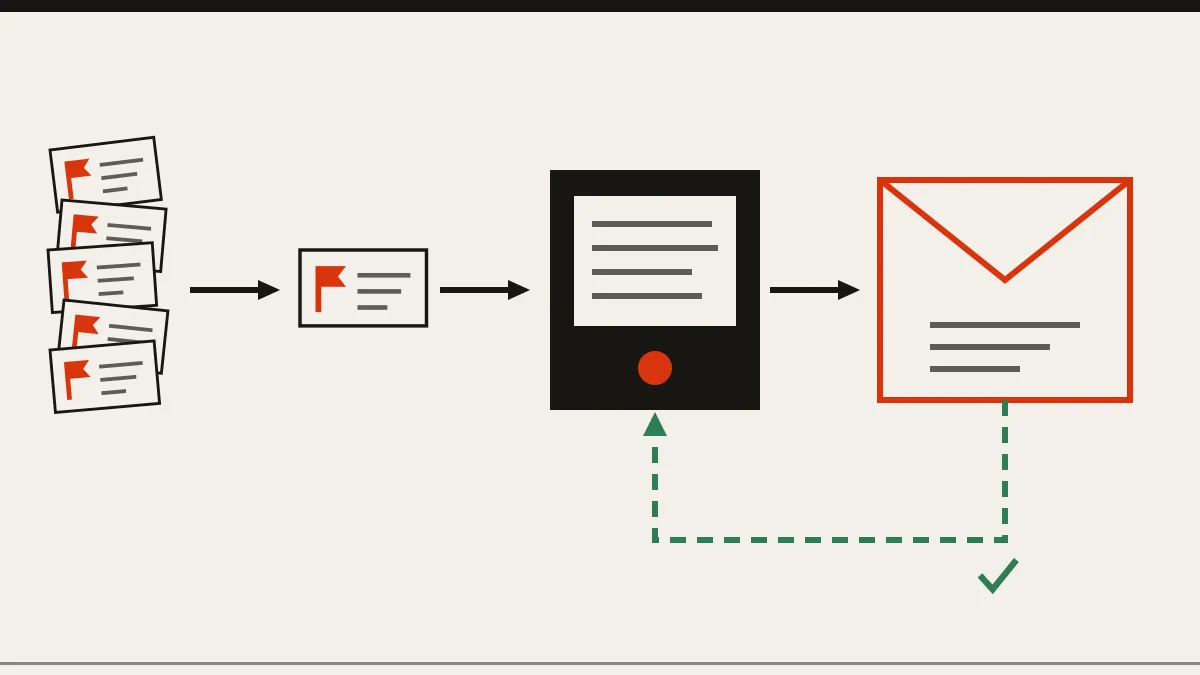
No, not as a way of deciding the outcome, and TikTok has said so in writing. Its safety team stated in July 2021 that "mass reporting content or accounts does not lead to an automatic removal or to a greater likelihood of removal by our Safety team" (TikTok Newsroom, 9 July 2021). The post was still live on 2 November 2026. Five years is a long time for a platform statement, so treat it as TikTok's stated position, not an audit. Its current reporting page is consistent, describing the test in one line: "If a report is submitted, we'll review the reported content to check if it violates our policies." That test has two inputs, the content and the policy. The number of complainants isn't an input anywhere in that description. So when someone asks does mass reporting work on tiktok, the best-sourced answer is that volume isn't the thing being assessed.
Two more pieces of TikTok's own text point the same way.
The first is its list of grounds for a permanent ban. It covers failing the age requirement, deceptive impersonation, a severe violation such as promoting violence or posting child sexual abuse material, creating an account to evade a ban, multiple violations of its policies or intellectual property policy, and an account that "exists solely to violate our rules" (TikTok Help Center, read 2 November 2026). Being reported often does not appear on it. We looked.
The second is proactive detection. TikTok says it "is able to remove the majority of this content before it's reported to us". Its technology may remove content outright or flag it for moderators, so user reports are one input to a system that mostly finds things by itself, which is a poor place to apply pressure by weight. It also complicates the seller's story, because an account can vanish for reasons no customer had any hand in, and the seller can still take the credit.
What can a report do that a pile can't? Point at something real. A single report on a genuine violation names an object a reviewer can test. Our briefing on what actually triggers a TikTok ban follows that from the violation side, and the account, Shop and bot variations are covered in how someone's TikTok gets banned.
What does the outcome notice say, and can a wave still do damage? Stage four
The notice goes to the person affected, and it is about the content. If something is removed for a violation, TikTok says "you'll receive a notification explaining why your content was removed, and how to submit an appeal if you believe we've made a mistake". It adds that it "will never include information about who reported their content". An account's standing appears as Healthy, Fair, Severe or Banned, reflecting the last 90 days, and violations expire after 90 days. The reporter sees less: TikTok "may update you" in the inbox, with a history under Safety Center, Report records. Neither side's screen shows a tally, because no tally is part of the finding. A reason goes out, attached to one object.
So far the story favours the sceptic. It stops being tidy here, and pages that merely reassure tend to leave this part out.
Moderation makes mistakes, and more reviews mean more chances for one. If a wave prompts extra review of older posts, a classifier or a hurried reader may get one wrong, and the Help Center version of TikTok's guidance says features such as LIVE and direct messages may be restricted while content is under review. The evidence that waves cause this is thin and old: in 2021 BuzzFeed News reported Black creators who suspected an algorithm error or a coordinated reporting effort behind their bans, and that December the Los Angeles Times reported that many TikTokers believe mass reporting works even against posts that break no rule, while TikTok downplays the risk. Suspicion is not proof. No outsider can see which reports preceded which decision, and TikTok publishes no rate. Nobody else can publish one either, so a seller's percentage is sales copy.
The appeal figures tell you how often decisions fail on a second reading, though not why they were made. In the same EU report, TikTok logged 810,860 complaints about account suspension or termination, of which 377,235 were reversed, about 46.5%. On content and visibility decisions it logged 11,728,557 complaints and 6,019,911 reversals, about 51%. Those cover every cause, including plain automated error, and they can't be split by report waves. Reporters appealing a no-action decision fared far worse: 15,590 appeals, 1,704 reversed, about 11%.
Read those together. A wave may occasionally produce a wrong decision, and wrong decisions are what appeals exist to undo.
TikTok mass report bot APK, GitHub, online, Reddit, buy: what do these searches find?
People type these phrases, so here is what sits behind each of them, sorted by what the listing wants from you first. No names and no links; we don't send readers to them.
| What you searched | What you tend to find | What it wants first |
|---|---|---|
| tiktok mass report bot github, tiktok mass report github | Public code, much of it stale or empty | Your session or a file of logins |
| tiktok mass report bot apk | An Android package from outside Google Play | Install rights on your phone |
| tiktok mass report bot online | A hosted page with a form | Your TikTok login, or a fee |
| tiktok mass report buy, tiktok mass report service | A price list, a panel or a chat seller | Payment up front |
| tiktok mass report bot reddit | Strangers' anecdotes, possibly including seller posts | Your trust |
All five rows share one defect, and it matters more than any individual scam: the buyer can't audit delivery. TikTok doesn't tell the target who reported, doesn't tell the public that anyone did, and shows a reporter only the status of reports filed from that reporter's own account. A seller's dashboard saying 5,000 reports went out is therefore a number the seller controls. If nothing happens, the seller can say TikTok is slow or the target got lucky. If the account goes quiet, the seller can claim the credit, even though TikTok says it finds the majority of violating content by itself and accounts also leave for their own reasons. No document anywhere in that transaction links payment to outcome. That is how a tiktok mass report service can stay in business without ever showing that a single ban was its own doing.
Reddit deserves a separate word. A thread claiming it worked can't be audited, and neither can one claiming it failed, since reports leave no public trace and accounts disappear for many reasons. Read those threads for what sellers ask of people, not for results.
The cost of mass reporting tiktok accounts falls on the person attempting it, and it arrives in three forms.
Your own account and device. Google says it has found "over 50 times more malware from internet-sideloaded sources than on apps available through Google Play" (Android Developers Blog, August 2025), and a tiktok mass report bot apk asks you to take that risk on the phone holding your logins and codes. A web form that asks for your password may simply add your account to the capacity sold to the next buyer. TikTok itself says it "will never contact you to ask for your password, verification codes, or other sensitive personal information" (TikTok Help Center, phishing).
Your standing with TikTok. This is where volume can backfire on the reporter. TikTok's US Terms of Service, last updated on 15 July 2026 when we read them, bar anyone from using the service, or helping anyone else use it, to "submit appeals, reports, notices or complaints which are unfounded" (TikTok Terms of Service, s.3.4). The Community Guidelines in force from 24 September 2026 add that TikTok "strictly prohibit[s] automation tools, scripts, or other tricks designed to bypass our systems" (Integrity and Authenticity, read 3 October 2026). A buyer who pays someone else to send the reports is helping, on any plain reading.
Your legal position. A sustained campaign against one person may amount to harassment under the Protection from Harassment Act 1997, where section 7(3A) can treat conduct a person "aided, abetted, counselled or procured" as theirs. A copyright complaint you know to be false creates liability in the United States under 17 U.S.C. § 512(f). Whether either applies turns on the facts, and a solicitor is the person to ask. Prices and refund traps are covered in what a TikTok ban service costs and the lawful alternative. The same pattern on other platforms appears in who reads Telegram mass reports and why the Instagram spam report bot is the spam.
How to mass report a TikTok account that really breaks the rules
Short answer: you don't. Volume does not decide outcomes, it can come back on you, and we won't supply a method. People asking how to mass report a tiktok account, how to mass report tiktok account, how to mass report on tiktok or how to mass report someone on tiktok often have a genuine grievance, though, and there is a lawful version of what they want. It is one accurate report per real violation, with evidence kept.
- Pick the object. Report the post, comment, LIVE or message that contains the problem. Use the account report only for a pattern, or for a profile that is itself the violation.
- Pick the true reason. The most alarming label doesn't help; the object gets read against the rule you name and anything else the reviewer sees.
- Save your copy first. Screenshot the item with its URL and date, because content can vanish while a report is pending.
- Use a rights form where the problem is a right. Impersonation, copyright and privacy have their own routes, and the person affected or their agent files them.
- Check Report records. See what happened before you do anything else. If several people were personally targeted, each may report what happened to them. Several witnesses with several facts differ from a crowd repeating one complaint.
Severe material goes elsewhere. Threats of violence and child sexual abuse material are for the police; TikTok says it reports youth sexual exploitation to NCMEC and contacts law enforcement over credible imminent threats. For intimate images, StopNCII lets an adult create a hash on their own device without uploading the picture.
Facing a defamatory video, an exposed address or a clone of your business? That needs a correctly chosen notice, not more volume. Ask Obscura for a confidential review: we name the route before we name a fee, we never ask for your password, and intimate-image cases get urgent, free triage without anyone needing to see the material.
If your account gets mass reported on TikTok, what should you capture?
Many people behind this search have just lost something, and if your account gets mass reported on tiktok you usually can't prove it from the inside. Reports are anonymous, appeals won't reveal them, and you don't need to prove it anyway. An appeal has one question to answer: did this item break the rule cited? So capture the record first. Screenshot the notice from Inbox, System notifications, Account updates, with the date. Note the item, the policy named and your account status. Save a copy of the video and its URL, and keep it up, because TikTok's guidance suggests deleting doesn't clear the violation and you would lose the evidence. Log the timing against any public dispute, and keep whatever points to a campaign: a post urging people to report you, a group-chat screenshot, a sudden run of removals on old videos. Treat timing as context, since coincidence is common. Then appeal from the notice itself, stating why that item doesn't breach that rule.
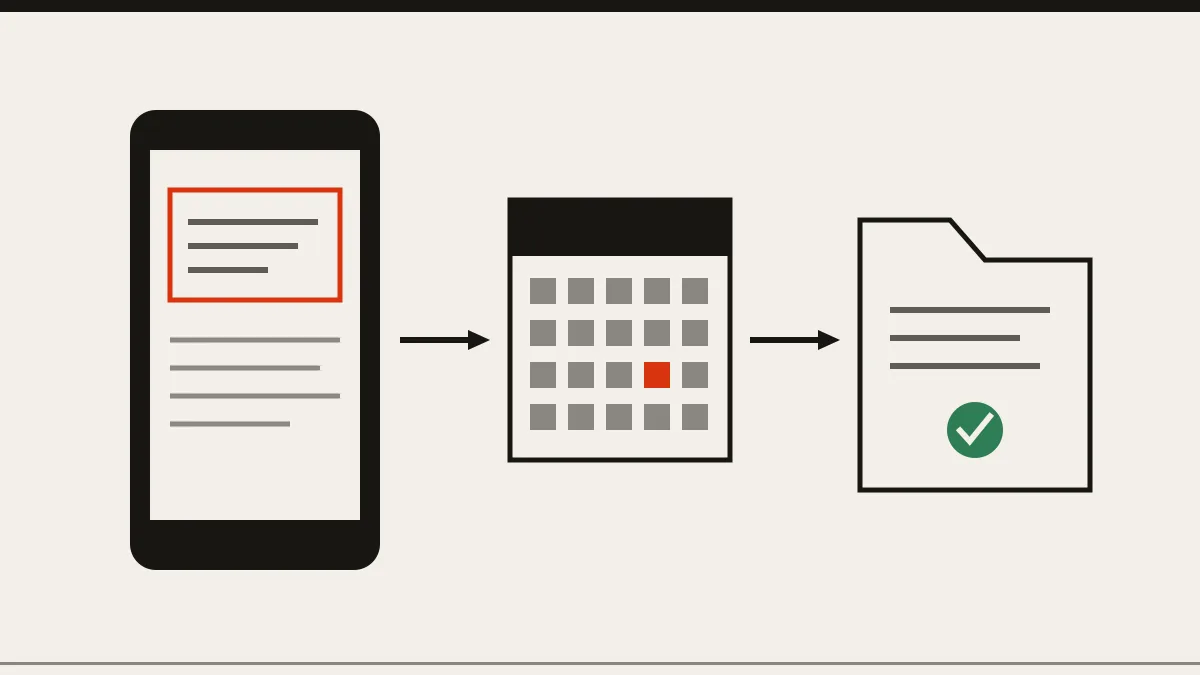
Mention coordination as one short line, if the dates support it. An appeal that argues the rule gives a reviewer something to decide; a motive is hard to reverse on, and "I was brigaded" answers a question the form didn't ask.
A ban changes the mechanics slightly. TikTok says you can still log in to a banned account to submit an appeal and download your personal data, and it warns that personal data is deleted after a period, so do the download early. Lock things down in parallel: a new password on the email behind the account, two-factor authentication, unfamiliar devices removed. Anyone offering to fix it for your password is the next problem.
If the internal appeal fails and you are in the EU, a certified out-of-court body may hear it. The Appeals Centre Europe FAQ is the place to start, and TikTok's report shows 6,886 such disputes in the first half of 2026, with 2,525 recorded as reversed, a count that includes procedural outcomes. Those numbers are small beside the internal complaints. They are still a real check.
Obscura can look at the file with you if the wave came with defamation, doxxing or impersonation, since those have routes of their own that survive whatever TikTok decides about a report.
Where does Obscura stop, and what can no report remove?
Obscura does not sell mass reports, run bots, or act against accounts that follow the rules, which includes critics and competitors you would simply prefer gone. It files no report or notice it believes to be false. It never asks for a password or a two-factor code. And it offers no guarantees: Obscura prepares and files lawful notices where the facts support one, then the platform or a court decides, so an honest firm can promise you the route but never the result. That line is written down in our terms and in the limits of any removal claim.
Some material stays up however it is reported. Truthful journalism, genuine public records and protected opinion aren't removal cases, and a false notice aimed at them tends to restore the post, identify the sender and hand the material a second, louder circulation. What remains is suppression: lawful work that pushes a result down when someone searches your name. It buries the link. The page behind it still exists. Removal and suppression are different jobs with different promises, and treating one as the other is how people end up paying for a result nobody can deliver. A court can order what a platform refuses, but only on the facts, and it is no quicker version of a report. Duets, stitches and screen recordings can outlive even a successful removal, too, so we say at the start which of the two jobs applies, and sometimes the answer from the team filing these notices is that nothing can be filed at all.