Can you get someone banned on TikTok, or only reported?
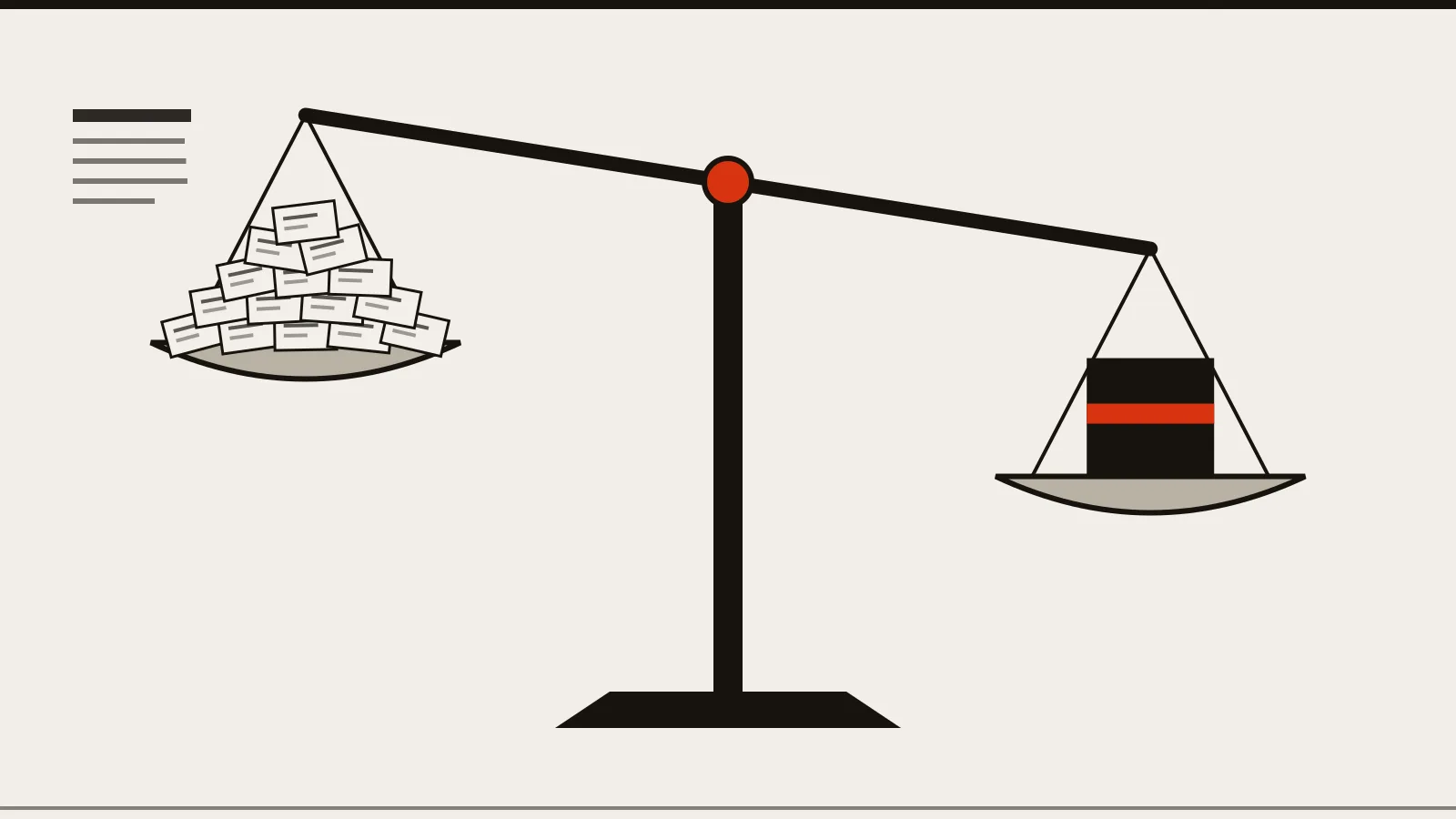
Can you get someone banned on TikTok? Yes, but not by the route most people picture. A report is a request for review. The ban is a decision TikTok makes against its Community Guidelines, and the number of people who asked for it is not one of the inputs. You control the evidence and the reason you choose. You do not control the outcome.
The word "ban" also covers three different things in these searches, and most bad advice comes from mixing them up:
- Your own ban. You block someone, stop them commenting, or remove them from your LIVE. It is instant and nobody at TikTok has to agree.
- A feature ban. TikTok takes away one feature, such as commenting, going LIVE or sending messages, while the account stays up.
- An account ban. TikTok removes the account. Under the Community Guidelines that took effect on 24 September 2026, a ban can extend to "all of their accounts, including associated accounts".
Most people asking how to ban someone on TikTok want the first kind, and it takes about ten seconds. People asking how to get someone banned want the third. That is the one this briefing is about, and it runs on events, not votes. TikTok's enforcement system counts violations. It gives strikes for most of them, removes an account when the strikes cross a threshold, and bans on the first strike for a short list of the worst harms. A report can start that process by putting a video or a profile in front of a reviewer. It cannot finish it. Three hundred reports on a video that breaks no rule add up to three hundred "no violation" results. One report on a video that breaks a zero-tolerance rule can end the account the same afternoon. Our earlier piece, the honest answer on getting someone banned on TikTok, covers the basics. This one is narrower: what TikTok counts, what it ignores, and the five events that actually end an account.
How many reports to take a TikTok down?
One, if the content breaks a rule. None at all in most cases, because TikTok's systems find the large majority of violations before anyone reports them. And no number, if the content breaks nothing. TikTok has never published a report threshold. We have looked. Its enforcement documentation describes decisions made per violation, never per complaint.
The platform's own numbers show why a count can't be the trigger. Since the EU's Digital Services Act came in, TikTok has had to publish how many notices it receives about illegal content in the EU, how many items those notices name, and what it did with them.
| TikTok, EU, 1 January to 30 June 2026 | Figure |
|---|---|
| Notices filed under DSA Article 16 | 1,081,646 |
| Distinct items those notices named | 349,915 |
| Actions taken (under law 59,375; under the guidelines 32,881) | 92,256 |
| Complaints against account suspension or termination | 810,860 |
| Of those, decisions reversed | 377,235 |
Source: TikTok DSA transparency report for the EU, H1 2026, published 31 August 2026 (TikTok transparency centre).
Do the division and the picture is plain. The average item was reported about 3.1 times, so roughly two notices in three repeated a complaint someone had already made. Yet TikTok took 92,256 actions against 349,915 named items, about one for every four. If volume moved decisions, the most-reported items would all have come down. They didn't.
Why don't repeat reports stack? Once an item has been reviewed and found not to break a rule, a fresh report of the same item asks the same question and usually gets the same answer. Changing the answer takes different information. The EU figures show that too. Reporters who disagreed with a no-action decision filed 15,590 appeals in the half-year, and 1,704 of them, about 11%, were reversed. That is a real second chance, but it is one reporter asking once with a better case, not a crowd asking again.
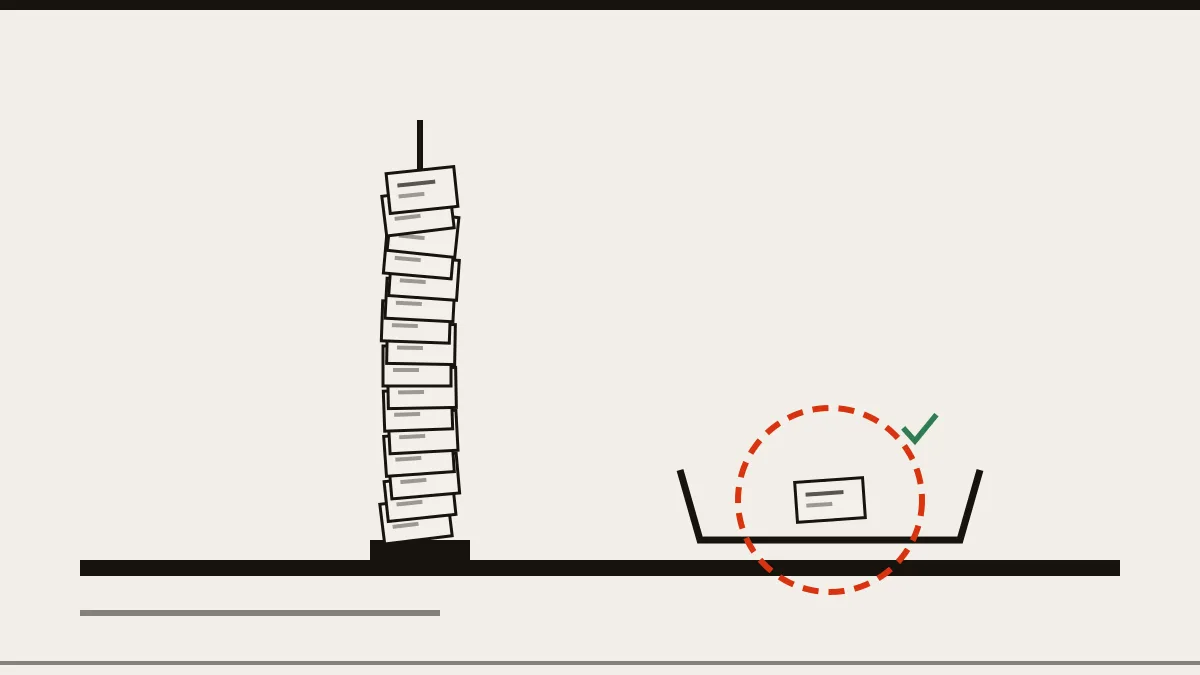
The global figures point the same way. In the first quarter of 2026 TikTok removed 184,012,576 videos, 178,014,154 of them by automated detection. It says 99.3% of removals happened before any user report and 82.2% before the video had a single view (TikTok Community Guidelines Enforcement Report, Q1 2026). Reports matter at the margin: 96.2% of the removals that did start from a report came within two hours. That is fast. It is also a statement about how clear the violation was, not how many people flagged it.
So where does "10 reports" come from? One widely ranked how-to page states that it takes "at least 10 reports" to ban an account, then says a few lines later that there is no exact number. We found no TikTok source for 10 or for any other figure. The same myth turns up platform by platform, whether the question is does mass reporting work on TikTok, how many reports to take down a Twitter account or how many reports to take down a YouTube video. And every tool built on it hits the same queue: a YouTube mass report bot, a script sold to mass report a Twitter account, an Instagram spam report bot, a Snapchat mass report bot.
A note from our own desk. When we file a TikTok report for a client, the count never changes the result. What changes it is whether the reason we pick matches something a reviewer can see in the video without any background. A threat said to camera usually comes down within hours. A video saying our client "is a fraud" does not, because a guidelines reviewer can't decide whether a claim is true. That case needs a legal route, which we come back to at the end.
What actually triggers a TikTok account ban? Five events
If you want to know how to get someone banned from TikTok, start at the other end, with the events that remove accounts. There are five. Reports feed some of them. None of them is a count.
1. One zero-tolerance violation
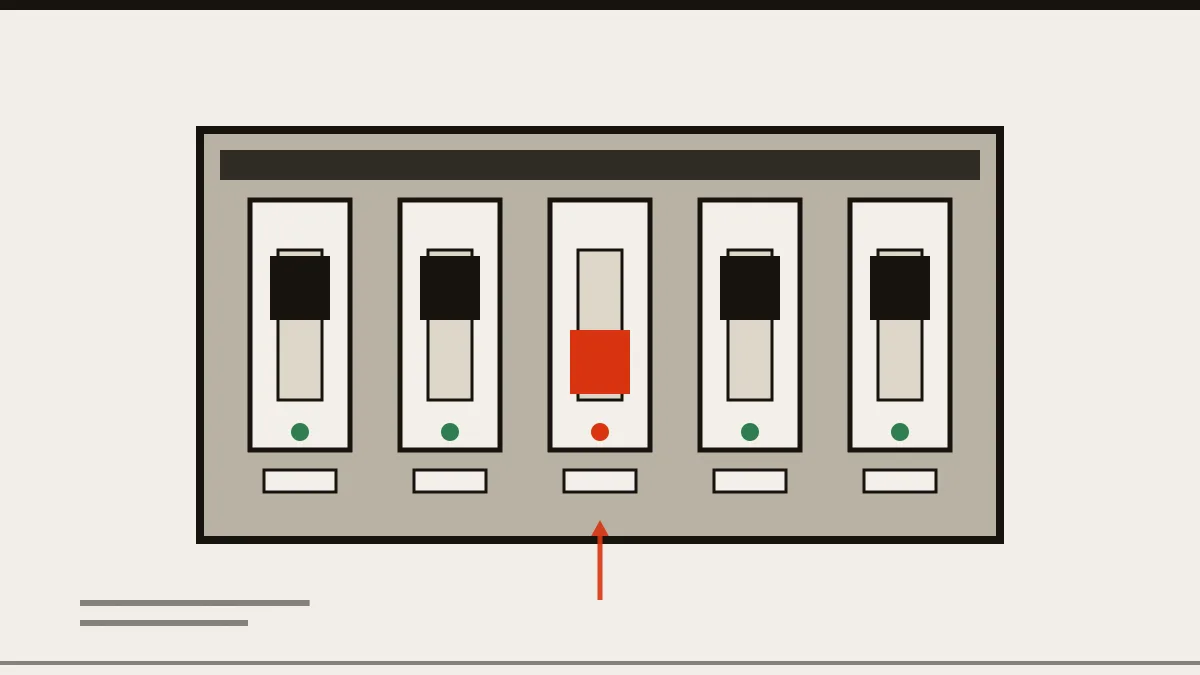
TikTok's account enforcement system names a short list of violations that bring a permanent ban on the first strike: promoting or threatening violence, child sexual abuse material, and showing real-world violence or torture (TikTok newsroom, account enforcement system). There is no strike count here and no 90-day window. One accurate report of one such video is enough. If a video threatens a named person, report it on TikTok and to the police as well. If it shows a child being abused, don't download or share it. Report it in the app and, in the UK, to the Internet Watch Foundation.
2. Strikes that stack up inside 90 days
Most violations earn a strike, not a ban. Strikes are tracked by policy area and by product feature, so a run of abusive comments can cost someone commenting while their videos stay up. TikTok's wording is plain: "Strikes will expire from an account's record after 90 days". An account that crosses the threshold in one policy, or builds up strikes across several, is banned. The thresholds differ by harm, and TikTok publishes none of them.
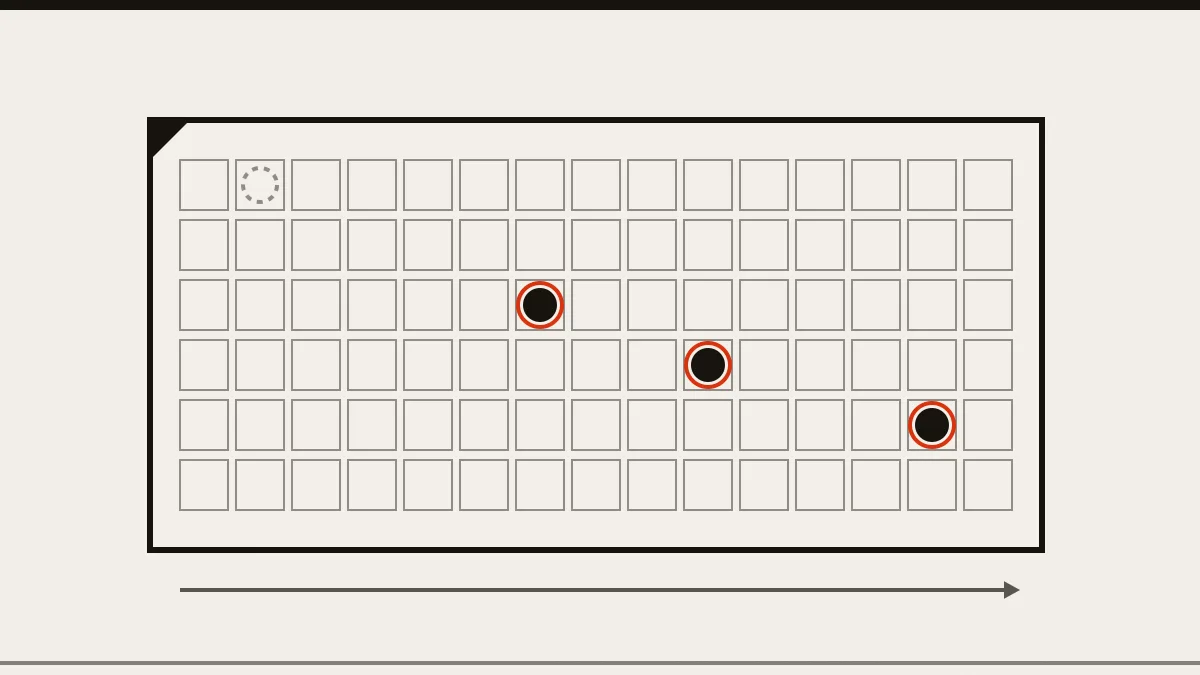
The account owner sees this in Account check (Settings and privacy, then Support, then Safety Center). The Help Center describes four states over a rolling 90 days: Healthy, Fair, Severe (an account "on the verge of being banned") and Banned (TikTok Help Center). This is the one trigger where reporting does add up, but it adds up violations, not reports. Five separate videos with five separate problems, each reported once, give TikTok five chances to issue a strike. One video reported five hundred times gives it one.
3. Three copyright strikes
Copyright has its own ledger. Three copyright strikes mean a permanent ban. Those strikes also expire after 90 days, a burst of claims filed together may count as a single strike, and trademark strikes are counted separately. Only the rights holder, or someone authorised to act for them, can file on the copyright webform. A viewer who dislikes a repost cannot start this clock for someone else.
4. Findings about the account itself
Some bans aren't about any one video. TikTok removes accounts that appear to belong to a child under 13, accounts that impersonate a real person, fake and spam accounts, and accounts run by automation. The Q1 2026 report counts 86,288,705 fake accounts and 25,764,372 suspected under-13 accounts removed. The 2026 guidelines add: "We strictly prohibit automation tools, scripts, or other tricks designed to bypass our systems." For these, the right report is against the account, with the matching reason, such as "User could be under 13 years old". Reporting one of its videos misses the point.
5. Ban evasion
A banned user who opens a new account is breaking the rules by existing. Since 24 September 2026 a ban can cover associated accounts too. Record the old handle and the link between the two accounts: the same face, the same voice, the same posting habits. Report the new profile, and name the banned handle wherever a form gives you space to write.
| Trigger | What your report contributes | Usual result |
|---|---|---|
| Zero-tolerance violation | Puts it in front of a reviewer; one is enough | Permanent ban on the first strike |
| Repeated violations within 90 days | Each valid report can lead to one strike | Feature ban, then account ban |
| Three copyright strikes | Only the rights holder's notice counts | Permanent ban |
| Under 13, impersonation, fake, automation | An account report with the matching reason | Account removed |
| Ban evasion | Links the new account to the old one | New account removed |
Other platforms work on the same principle, with different clocks. The strike system behind how to get someone banned on Instagram counts over a longer period. The answer to how does someone get banned from Snapchat is also a list of rule breaks, not a tally. Meta's rules on how you get someone banned from Facebook run on the same kind of violation list. And YouTube's three-strike rule is the whole story of how to get someone's YouTube channel banned. In every case the platform counts rule breaks, never reporters.
How to report a TikTok account and get it deleted
How to report a TikTok account and get it deleted comes down to one thing: filing the report so that one of the five triggers can fire. The in-app steps take a minute. The thinking before them takes longer, and it decides the result.
- Choose the object. If the problem is one video, report the video. Report the account only when the account itself breaks a rule: an impersonator, a child under 13, a spam or bot account, a banned user's new profile.
- Save the evidence first. Copy the profile URL and the video links, and take screenshots with the date visible. Owners delete videos when they notice attention, and a deleted video can no longer be checked.
- Report the account. Open the profile, tap Share, then Report, then Report account, pick the reason and submit (TikTok Help Center). On the web, use More options (the three dots) on the profile.
- Report the videos one by one. Press and hold the video, or tap Share, then Report, and choose the most specific reason and sub-reason offered.
- One report per violation. Ask the people who were actually targeted to report what they saw, once each. A ring of friends adds nothing that a reviewer counts.
- In the EU, use the legal form. TikTok's illegal-content reporting page takes defamation, harassment or threats, and non-consensual intimate imagery under national law. Reporters "will be notified of our decision", and the reporter can appeal.
- Track it. TikTok's Safety Center shows the "status of any reports you have filed".
A full walkthrough of every report button, including LIVE, DMs and sounds, is in our guide on how to report a TikTok account, video, LIVE or comment.
How to ban someone's TikTok account when you are the target
How to ban someone's TikTok account is not in your power. What you can do is build the file that makes a ban likely. If the account targets you personally, TikTok's privacy and harassment portal opens without logging in, asks for links and evidence, and suits people who have been blocked by the account or who have no TikTok at all. Anyone asking how to ban someone's TikTok for harassment should file there as well as in the app: the web form has a text box, and the in-app menu does not. Describe the pattern with dates. A reviewer who sees six harassing videos listed in one place is looking at six possible strikes. A reviewer who gets six separate taps sees six unrelated items. People asking how to ban someone's account on TikTok for impersonation should use the impersonation route, filed by the person being copied, not a friend.
What the reported account sees, and what you hear back
The reported person is told nothing when a report is filed. They hear from TikTok only if TikTok acts, through Inbox, then System notifications, then Account updates, and the notice names the rule, not the reporter (TikTok Help Center). In-app reports do not reveal who filed them. Web forms are different. The copyright form warns that your contact details "may be shared with the person who posted the content", so a copyright claim is never anonymous. You hear back in two ways: the Safety Center shows the status of your reports, and the EU illegal-content route sends a decision even when TikTok finds no breach. A "no violation" result doesn't mean nobody looked. It means the item, as reported, didn't match the reason you chose. Before reporting again, read the rule once more and check whether a different reason, or a different object such as the account instead of the video, fits better.
How to get someone banned on TikTok fast: what speeds a decision
How to get someone banned on TikTok fast depends on which trigger applies. A zero-tolerance video, reported accurately, can be gone in hours, because 96.2% of report-led removals in Q1 2026 came within two hours. An account ban built from strikes takes as long as the violations take to pile up. Nobody outside TikTok can hurry that.
Some things really do speed up a review. Report the specific video rather than the whole profile, choose the narrowest reason, and include a timestamp where the form allows it. Popularity matters too. The 2026 guidelines say "Additional review will occur if content gains popularity or has been reported." A video spreading fast gets a second look whether you report it or not.
Speed also depends on what the reviewer can see without asking you anything. Report the video that shows the breach, not the one that makes you angriest. If the harm is spread across comments, report the comments themselves. If the account has already deleted the worst video, your dated screenshot belongs in a web form, because the in-app report can only point at what is still live.
Other things don't help at all. Recruiting strangers, rerunning the same report, or paying someone who promises results in "24 to 72 hours" adds nothing. We have covered what a TikTok ban service actually delivers, what the Facebook ban service market charges, and what runs behind a Facebook mass report tool. None of them changes a reviewer's decision. When a single video is the real problem, our guide on how to get a TikTok taken down immediately sets out who has standing to ask and which lane moves fastest.
Not sure which trigger fits your case? Send us the profile link and your screenshots. We review it confidentially and tell you which route fits and whether it has a realistic chance, before anything is charged. We never ask for anyone's password.
How to ban someone from TikTok LIVE, as host or moderator
How to ban someone from TikTok LIVE is two different questions. One is removing a viewer from your own stream, which is yours to do and instant. The other is how to get someone banned on TikTok LIVE when they are the host, which is a report and TikTok's decision. LIVE hosting has been limited to users aged 18 and over since 23 November 2022. TikTok suspended 50,791,858 LIVE sessions in Q1 2026 and restored 4,171,677 of them on review, so LIVE is policed heavily already.
To report a LIVE, you need the app: tap Share on the stream, then Report, choose a reason and submit (TikTok Help Center). Under the 2026 guidelines, "the session may be stopped, and the creator could face temporary restrictions from going LIVE". That is a feature ban, not an account ban, unless the content hits a zero-tolerance rule.
How to ban someone on TikTok LIVE as the host: tap the viewer's name or comment during the stream. The host and any moderators can report, mute, limit or block a viewer. A mute can last from 5 seconds to the whole LIVE.
How to ban someone on TikTok LIVE as a moderator
Only the host can appoint moderators, and the LIVE safety guide allows up to 30. A moderator uses the same viewer menu: mute, limit, block, report. The limit matters. A moderator's block keeps that viewer out of the host's LIVE. It is not a TikTok ban, and it does nothing to the viewer's account anywhere else. If a viewer's comments break the guidelines, the moderator's report is what can lead to a strike. Anyone asking how to ban someone on TikTok LIVE as a moderator should do both: block to protect the stream, report to put the behaviour on record.
How to ban someone on TikTok LIVE without them knowing
You can't, with the person-level tools. The Help Center says muted and blocked LIVE viewers are notified. The quiet option works on words, not people. A keyword filter can hold up to 500 terms of 30 characters each, and it catches common variants by default. It hides the comments you pre-empt without singling anyone out. For a persistent troll, the honest answer to how to ban someone on TikTok LIVE without them knowing is to filter their vocabulary and accept that a block will be noticed.
How to ban someone from commenting on your TikTok
How to ban someone from commenting on your TikTok has four answers, from the widest to the narrowest:
- Change who can comment. Set comments to Everyone, Followers or Friends, for the account or for a single video. It shuts out strangers without naming anyone.
- Filter keywords. Add the words the person uses. Filtering all comments for review "isn't currently available to everyone", so check whether you have it.
- Block the person. On their profile, tap Share, then Block. The blocked person is not notified (TikTok Help Center), though they may still appear in multi-host LIVEs, Duets and shared group chats. It is also the quickest answer to how to ban someone on TikTok quickly: two taps, and it works at once.
- Clean up in bulk. You can delete or report up to 100 comments at once through Manage multiple comments.
TikTok has no equivalent of Instagram's Restrict. So if "how to ban someone in TikTok" means making one person vanish from your space quietly, a block is the only person-level control, and the rest act on words or audiences. TikTok's own comment ban is a different thing. It is a feature strike, shown in Account check as "Restricted from commenting", and it follows reports of abusive comments that TikTok upholds. The same split between your controls and the platform's shows up in how to ban someone on Twitter and in what it takes to ban someone's WhatsApp number.
How to permanently ban someone on TikTok: permanent for whom?
How to permanently ban someone on TikTok has an easy half and a hard half. The easy half: your block is permanent until you undo it. The hard half is TikTok's permanent ban, which follows a zero-tolerance violation, a threshold of strikes, three copyright strikes or an account-level finding. Even then, "permanent" means less than it sounds. Banned users can still log in to appeal and to download their data, and deleting an account does not wipe the violation from TikTok's records (TikTok Help Center).
Reversals are common. In the first half of 2026, TikTok reversed 377,235 of 810,860 EU complaints against account suspensions and terminations, 46.5%. The same report records 137,538 suspensions of repeat offenders. EU users can also take a decision to the Appeals Centre Europe free of charge. RTÉ reported on 28 May 2026 that the centre had disagreed with TikTok in 59% of about 3,000 decisions it reviewed. A ban that rests on thin evidence often comes back. A ban that rests on a clear violation, well documented, usually stays. That is also why promises from a WhatsApp ban service or its TikTok equivalents to make a ban "permanent" are worth nothing: the account holder's appeal is outside the seller's control.
How to get someone banned on TikTok for no reason
How to get someone banned on TikTok for no reason: you can't, and trying is itself a breach. TikTok's US Terms of Service, last updated 15 July 2026, say at section 3.4 that you must not use the platform, or "help anyone else use" it, to "submit appeals, reports, notices or complaints which are unfounded" (TikTok Terms of Service). The ban on "automation tools, scripts, or other tricks" covers report bots too. Outside the platform, a campaign of false reports aimed at one person can form part of a course of harassment. In England and Wales, section 7(3A) of the Protection from Harassment Act 1997 treats conduct "aided, abetted, counselled or procured" by another person as that person's own, so organising the reporters carries risk even if you never tapped Report. In the US, 18 U.S.C. § 2261A covers online courses of conduct that cause substantial emotional distress.
What "how to get someone banned on TikTok reddit" actually turns up
We ran the phrase on 30 September 2026. The top results were not Reddit threads at all. They were TikTok's own auto-generated "discover" pages and a Wikipedia article about the US divest-or-ban law, which has nothing to do with account bans. The advice people hope to find there (report as a group, use a bot, pay a panel) is the brigade pattern the numbers above rule out. We have taken the tools apart one by one: the Telegram mass report bot panels, the GitHub scripts sold to mass report an Instagram account, the WhatsApp mass report bot. The paid versions, an Instagram ban service or a Twitter ban service, sell the same reports at a higher price.
We should be as clear about our own limits. Obscura does not file reports it can't stand behind, doesn't write fake copyright notices, and never asks for anyone's password. Some content can't be removed by anyone: accurate reporting, genuine public records and honest opinion stay up however many people object. For those, the lawful option is suppression, meaning pushing the result down in search, not taking it off TikTok. Our disclaimer sets out exactly what we can and can't promise.
When the account stays up: routes that don't need a ban
Most of the people who come to us don't need a ban. They need one video, or one search result, to stop doing damage. Those are separate jobs. On TikTok, a video that breaks no guideline can still break the law. In England and Wales, a false statement that causes serious harm to reputation can be defamation under section 1 of the Defamation Act 2013, and an EU resident can file under national law on the illegal-content page. Intimate images shared without consent go through StopNCII, which matches images by hash so you never send the pictures to anyone. Images of under-18s go through Take It Down.
Removal and suppression are different jobs, and we tell clients up front which one applies. Removal means the video or account is gone because a rule or a law required it: a guidelines breach, a copyright claim, a court order or a privacy right. Suppression is what is left when none of those applies. We make sure accurate, better-ranked pages sit above the damaging result for your name, so fewer people ever reach it. It works slowly, often over months, and it never deletes anything. It is also the only honest option for true but unwelcome coverage. A client who is told that a report campaign will "remove" a truthful video is being sold something that can't happen.
Search is our side of the desk. A TikTok video that ranks on Google for your name usually drops out of Google once TikTok removes it; in our filings that has taken anything from days to several weeks. If the video stays up, Google's Results about you tool handles personal contact details, and lawful suppression handles the rest. The same logic runs through an Instagram account takedown, the steps to take down a Snapchat account, taking down a Facebook account, a LinkedIn account takedown and what a Twitter account removal service can honestly deliver. Even for a Telegram ban service the rule holds: the route is chosen by what was done to you, not by how many people are angry about it. You can read about the people who do this work on our about page.