Three bans hiding in one search
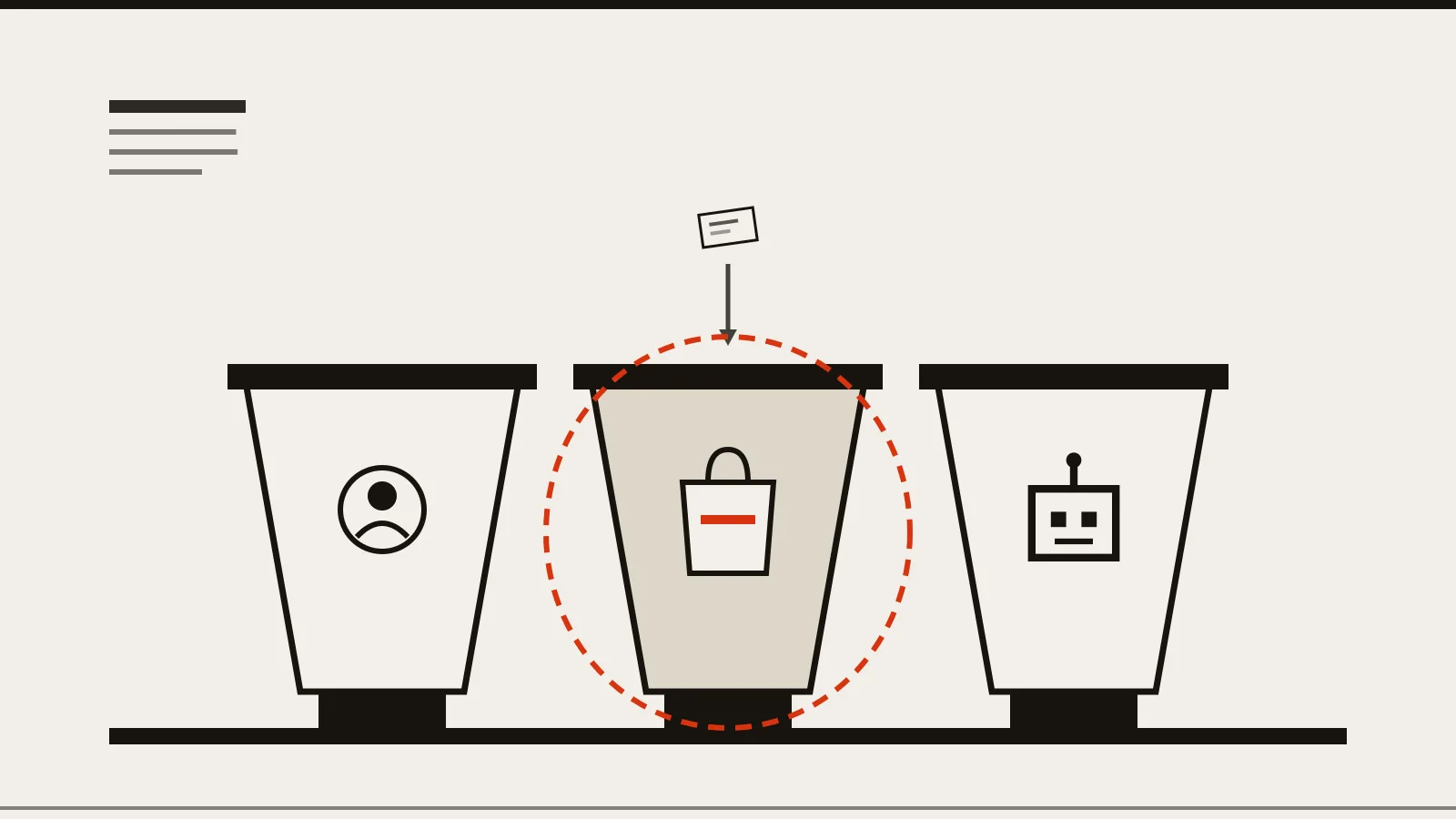
A person who types "how to banned someone on tiktok" is rarely asking a single question. Usually they want one of three things gone: somebody's account, a shop that sold them something, or a swarm of bot accounts. TikTok judges each of those under a different rulebook. A report that fits one of them does very little in the others.
Nobody can ban anyone on TikTok from the outside. You can block people, restrict who comments and delete comments under your own posts; everything past that is TikTok's decision. So how to get someone's TikTok banned comes down to two choices you actually hold: which object you report, and which reason you pick. The rest belongs to an enforcement system, and the right system depends on what the target is.
| Target | Rulebook TikTok applies | What ends it | Where you file |
|---|---|---|---|
| A personal or creator account | Community Guidelines | One severe violation, strikes inside 90 days, ban evasion, an under-age finding | Report account in the app, or the no-login online form |
| A TikTok Shop seller | Shop seller policies and the Account Health Rating | A score that reaches 0, counterfeits, fraud, repeated IP violations | Report the product, the video or the order |
| A spam bot network | Integrity and authenticity rules | Automated fake-account sweeps | Report account with the spam reason, then block |
The table explains why the same complaint gets such uneven results. A scam seller reported under a harassment reason lands in a queue that judges behaviour and speech, not order records, so the reviewer has nothing to check the fraud against. A bot reported by hand competes with TikTok's own sweeps, which removed 86,288,705 fake accounts in the first quarter of 2026 (TikTok Community Guidelines Enforcement Report, Q1 2026, as reported in July 2026). Picking the lane first matters more than anything you type into the report box.
The same split runs through every platform we work on. Our briefing on how to get someone banned on TikTok sets out the account side at length. Instagram turns on the same point, which is why getting someone banned on Instagram without bots starts with the reason code rather than the number of people complaining. Meta is no softer: how to get someone permanently banned from Facebook depends on what its reviewers act on, not on volume. Snapchat adds a clock, because how to get someone's Snapchat account banned turns on evidence captured before it disappears.
On X and WhatsApp, the gap between your own tools and the platform's is wider still. You can mute or block in seconds, but how to get someone's Twitter account banned is a question only X answers, and how to ban someone from WhatsApp runs into end-to-end encryption before it reaches anybody's review queue.
How to get someone's TikTok banned through the account route
A TikTok account ban is a decision TikTok makes under its Community Guidelines, and the only way to start one from outside is a report. Open the profile, tap Share, then Report, then Report account, pick the reason that matches what the person did, and submit (TikTok Help Center, reporting an account, checked September 2026). On the web the same menu sits under More options. Without a TikTok account of your own, the online form at tiktok.com/legal/report/feedback takes a report with no login: choose "Report a potential violation", then Account violation. Everything after Submit is a review against the policy you named, and it gives no weight to how many others pressed the same button. Your leverage is the reason and the evidence.
What happens next is not a vote. TikTok's content violations and bans page says a first removal usually brings a warning strike. Strikes count per policy area or feature and expire after 90 days. Deleting the post does not wipe the strike, and the owner is warned when they are close to a ban. For each trigger and the part a report plays in it, see the five events that trigger a TikTok ban.
Report a TikTok violation where it lives
Report a TikTok violation at the level where it actually happens. One abusive video belongs in a post report. An account that exists to harass, impersonate or scam belongs in an account report, because only that report asks TikTok to look at the whole pattern rather than one clip.
A better file names the account, then lists the dated posts that show the pattern, each with a screenshot and its URL. The report button for each TikTok object covers the rest, from comments to sounds.
How to get someone permanently banned on TikTok
How to get someone permanently banned on TikTok is a narrower question than it sounds, because TikTok publishes the list. Its Help Center names these grounds for an outright ban:
- being under the minimum age;
- deceptive impersonation;
- the gravest harms, such as child sexual abuse material, threats of violence, non-consensual sexual acts, trafficking or torture;
- ban evasion, meaning a fresh account opened to get round an earlier ban;
- reaching the strike threshold;
- repeated intellectual-property violations;
- an account that exists only to break the rules.
If what you are reporting is on that list, say which item and prove it. If it is not, a permanent ban is unlikely however many people report, and a removed video or a restricted feature is the realistic ceiling. Under the Community Guidelines in force since 24 September 2026, a ban can reach "all of their accounts, including associated accounts", which matters when the person keeps backups.
The shorthand searches ("get tiktok user banned", "how to get someones tiktok banned") ask the same thing, and paid sellers answer them with a menu. How much it costs to get a TikTok account banned prices those offers against what a report can do. For a real impersonator the lawful route is usually quicker anyway: how to get a fake TikTok account taken down goes through the impersonation form, which asks for proof of identity, not a crowd.
When we file an account report, the dated URLs do the work, not the adjectives. A reviewer sees one account at a time. A report that names the policy, the post links and the dates reads like a case; one that says the person is toxic reads like a grudge, and it is treated like one.
Spam report TikTok bot: why bots leave in sweeps
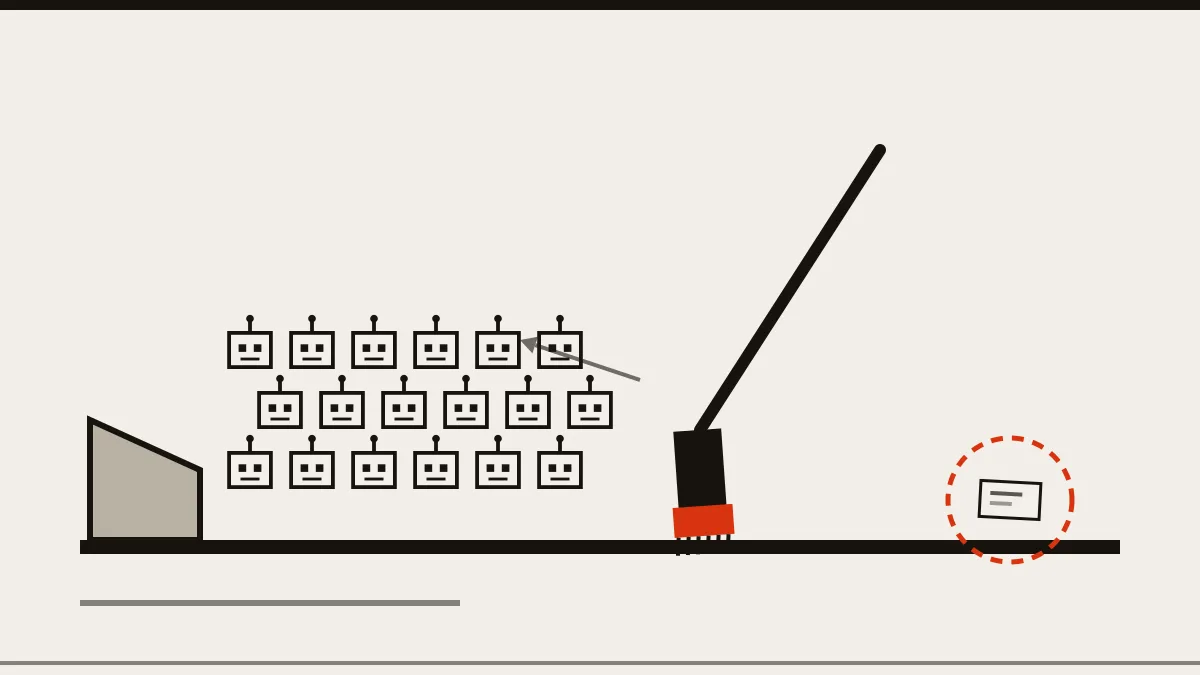
"Spam report tiktok bot" hides two different requests. Some people want to report a spam bot: the account that posts the same crypto link under every video, or follows you from a blank profile with a stock photo. Others want a spam report bot, a tool that fires reports at someone else's account automatically. The first is an ordinary report. The second breaks TikTok's rules before it ever reaches the target.
For the first, report the account, choose the spam or fake-engagement reason, then block it. Reporting bots one by one works, but it is not how most of them leave the platform. TikTok's integrity rules bar fake accounts and bought likes or followers, and its systems remove them in bulk. In Q1 2026 that meant 86,288,705 fake accounts, alongside 184,012,576 videos, 99.3% of which came down before anyone reported them (TikTok Community Guidelines Enforcement Report, Q1 2026, via press coverage, July 2026). One user's report is a single signal in a pipeline that mostly runs itself. It still earns its place when a bot network is new or aimed squarely at you, because your report is what ties those accounts to a target and gives the reviewer a reason to look at them together. Name every account in the cluster in one report, note when each one appeared and what it posted, and block them only after the screenshots are saved.
Whether you search "bot spam report tiktok" or "tiktok report spam bot", the answer to the second meaning does not change. TikTok's Community Guidelines state: "We strictly prohibit automation tools, scripts, or other tricks designed to bypass our systems." Its US Terms of Service (updated 15 July 2026, s.3.4) bar anyone from submitting, or helping others submit, reports "which are unfounded". A bot that sprays reports is both. The TikTok mass report bot traces what happens to its target, usually nothing, and what can happen to the buyer's own accounts.
Every platform has its version of the tool, and each fails in its own way. The Instagram spam report bot myth is mostly risk to the buyer, and the Instagram mass report tool on GitHub turns out to be four sources and one dead end. The X mass report bot repeats one complaint from many accounts. A Telegram mass report panel sells reach into a moderation team it cannot see. The YouTube mass report tool stalls at a daily quota.
Meta's apps are no different. What runs behind a Facebook mass report service is scripted reporting with nothing special attached. A WhatsApp mass report tool asks buyers to hand over their own account. And a Snapchat mass report tool has no endpoint to call at all.
How to report a TikTok Shop, a seller or a product video
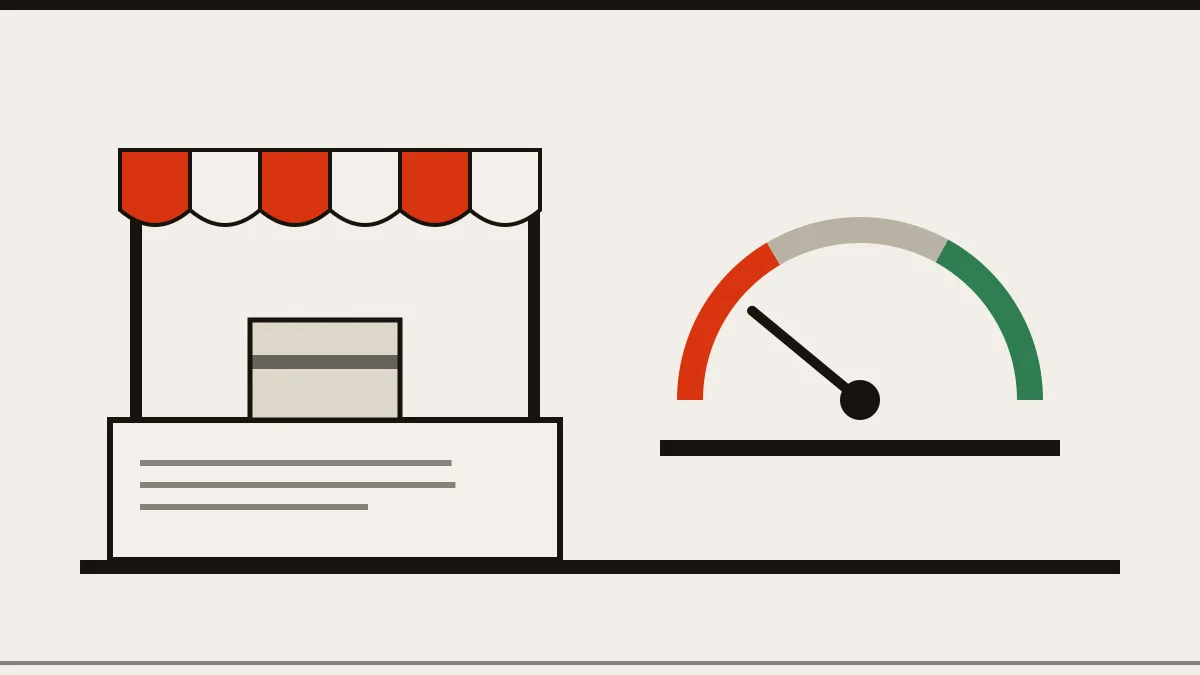
TikTok Shop is a marketplace inside the app, and its seller enforcement runs on its own track. To report a TikTok Shop listing, open the product page, tap the three dots, tap Report, pick the issue and submit (TikTok Shop, "Want to report an issue?", 15 November 2024). That route suits counterfeit goods, misleading claims and prohibited items. It asks TikTok Shop to act on the listing and, if the pattern repeats, on the seller behind it.
To report a seller on TikTok Shop rather than a single product, report each listing that shows the problem and say in the description that it is a pattern across the store. Name the other listings. A reviewer who sees three matching reports about one seller has more to act on than one report about a product.
How to report a vid on TikTok Shop
Every shoppable video is two objects at once. To report a vid on TikTok Shop, press and hold the video (or the LIVE) and tap Report, which sends it to the content queue. If the problem is the product pinned inside it, tap the three dots on the product card instead; that goes to the Shop queue. A creator pushing a fake through an affiliate link can face both.
How to report a seller on TikTok after an order
How to report a seller on TikTok changes once you have bought something, because the order gives TikTok Shop a record it can check. Tap Help in the row under the Shop search bar, describe the issue and choose Contact us, quoting the order number (TikTok Shop customer-support guidance, 6 May 2026). In the US, returns run 30 calendar days from the Delivered status, and the Money-Back Guarantee covers damaged, defective or not-as-described items for up to 90 days, with TikTok Shop deciding eligibility. A complaint that carries an order number is far harder to wave away than a report typed from a product page.
What gets a TikTok Shop seller closed
Anyone learning how to report a TikTok Shop seller should know the report feeds a score, not a switch. In the US, TikTok Shop's Account Health Rating runs from 0 to 1,000 points over a rolling 180 days, and every seller starts at 200 (Seller University, effective 29 June 2026). Violations deduct points, among them IP infringement, counterfeits, fraud, late dispatch and poor reviews. At 150 points a seller loses new listings and mega campaigns for 7 days; at 100, for 14 days; at 50, for 28. At 0 the account "may be permanently deactivated". That ladder is the reason a single complaint rarely closes a shop on its own: each confirmed violation moves the needle, and a seller with a clean record absorbs one deduction without losing anything. A seller already near the bottom can fall off the ladder on the next confirmed report. Neither you nor any other shopper can see where a seller sits, so the practical rule is the same either way. Report every confirmed problem through the route that matches it, attach the order or listing that proves it, and leave the arithmetic to TikTok Shop.
| Shop problem | Report route | What starts moving |
|---|---|---|
| Counterfeit or prohibited product | Three dots on the product, then Report | Listing review and a possible score deduction |
| Order missing or not as described | Help, then Contact us, with the order number | 30-day return window; guarantee up to 90 days (US) |
| Misleading shoppable video | Press and hold the video, then Report | Content review of the video |
| Your trademark or copyright on a listing | IP Protection Center (rights owners and agents only) | Rights review of the listing |
| Seller asks you to pay off-platform | Report the listing and keep the chat | Fraud review; your bank if you have paid |
Shop closures and account bans are separate outcomes. TikTok's Creator Enforcement Policy (updated 25 September 2026) links them only partly: when a seller's shop is deactivated, the creator accounts tied to it may lose their e-commerce permissions, which is not the same as losing the account. Anyone searching how to report a TikTok Shop because they want the person off TikTok altogether should expect the shop to close before the profile does, if either happens. TikTok says its Shop enforcement already works at scale: in the first half of 2025 it rejected 1.4 million seller applications, blocked 70 million products and removed about 700,000 sellers (Modern Retail, 11 November 2025).
Bought from a TikTok Shop seller who vanished, or found your own product copied into someone else's store? Send us the order number and the listing link. We review it in confidence and tell you whether the Shop route, the IP route or your bank is the faster lever before anything is charged. We never ask for your login.
Is there a report TikTok Shop phone number?
No. As of October 2026, TikTok Shop publishes no phone line for shoppers or sellers. Its customer-support guidance of 6 May 2026 lists in-app Help, live agents in Seller Center and a web form, and no number. Any "report TikTok Shop phone number" you find on a search result, a forum post or a caller ID is not TikTok's. TikTok Shop's own reporting guidance adds that it "won't make unrequested phone calls without prior notification" and tells you to hang up.
That matters because the phone is where Shop scams go next. A seller who asks you to call, text or pay by bank transfer outside the app has left the one place your order is protected. Report the listing, keep the chat and do not pay. If money has already gone, TikTok is no longer the main route. In the UK, call your bank first, then report to Report Fraud, and for consumer rights advice Citizens Advice runs its consumer helpline on 0808 223 1133. In the US, file at ReportFraud.ftc.gov. TikTok's security guidance is blunt about calls in the other direction: it "will never contact you to ask for your password".
Report a TikTok duet without touching the original
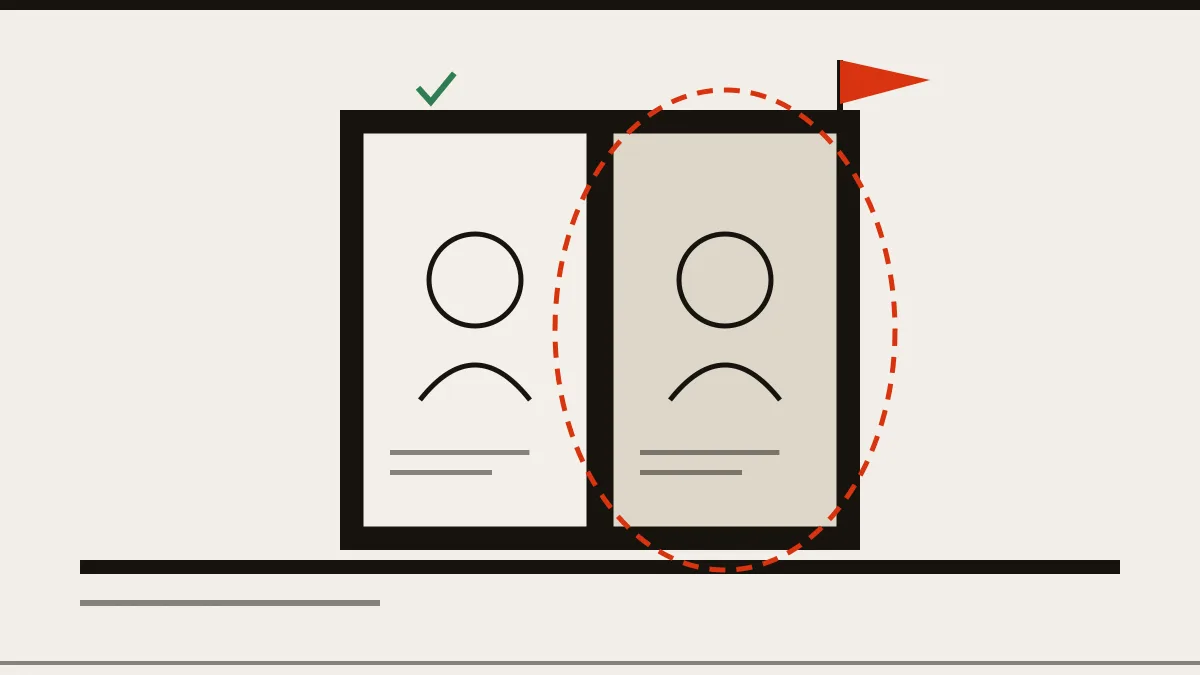
A Duet is a new post that plays beside someone else's video, and it belongs to whoever recorded it. TikTok's Duet help page says it "will only appear on the profile of the person who recorded the Duet". To report a TikTok duet, find it on that person's profile or in your feed, press and hold, tap Report and choose the reason. Reporting the original does nothing to the Duet, and reporting the Duet does nothing to the original.
If the Duet uses your video, you hold two stronger tools than a report. You can delete Duets linked to your post, and you can limit who duets you in future to Everyone or Friends, or switch Duet off post by post (TikTok Help Center, Duets). Where a Duet exposes private information, TikTok has a separate privacy form. Only public accounts can be dueted, so going private stops new ones.
Copyright claims against a Duet you allowed are usually weak, since the setting you left on is the permission. Keep the copyright form for re-uploads and edits made outside the feature; duets, stitches and reposts that outlive a removal covers those copies.
How to know if someone got banned on TikTok
TikTok shows no "banned" label on other people's accounts. A banned owner sees a banner when they log in and can still sign in to appeal and download their data; everyone else just sees a profile that no longer loads. From outside, "Couldn't find this account" can mean a ban, a deletion by the owner, a new username or a block. How to know if someone got banned on TikTok is therefore a matter of ruling things out, one explanation at a time, before you draw any conclusion from an empty page. A missing profile proves only that you cannot see it from where you are standing. It does not prove that TikTok acted, and it certainly does not prove that your report was the reason. The table below lists what you can observe from outside and the checks that narrow each one down:
| What you see | What it can mean | How to narrow it |
|---|---|---|
| "Couldn't find this account" logged in and logged out | Banned, deleted by the owner, or renamed | Search the old display name; follow links from other sites |
| Profile loads logged out but not from your account | They blocked you | Not a TikTok enforcement action |
| Profile loads but the videos are gone | Removals, or the owner hid or privatised them | Check whether the account went private |
| Profile loads but they stopped commenting or going LIVE | A feature restriction, not a ban | Only the owner sees Account status |
| Your report shows an outcome | TikTok acted on what you reported | Check the report status in the Safety Center |
Only the last row tells you anything first-hand. TikTok's Community Guidelines say users can see the "status of any reports you have filed" in the Safety Center. In the EU, TikTok's illegal-content reporting page says reporters are told the decision, even when TikTok finds the content lawful. A no-violation outcome can be appealed: in the EU in H1 2026, reporters filed 15,590 such appeals and 1,704 were reversed (TikTok DSA Transparency Report, published 31 August 2026).
What we won't file, and what no TikTok ban removes
Banning an account takes it off TikTok. It does not take down screenshots of it, reposts on other platforms, or the Google results that still show its old videos. That second layer is where our team usually works once the platform has acted, and it splits in two. Removal applies where a route exists: a policy report, a copyright notice, a privacy or defamation claim, a right-to-be-forgotten request. Suppression is what is left for truthful reporting, public records and protected opinion, which no lawful notice can take down. We say which one applies before any work starts, and the disclaimer sets out the limits. Nobody can promise a ban or a removal, and we don't. What we can promise is a file that names the right rule, attaches the evidence that rule needs, and goes to the desk that decides it.
Some things we will not file. We don't send reports for reasons that aren't true, forge copyright or legal notices, run report bots, or ask anyone for a password. Part of that is principle; part is law. TikTok's US terms bar unfounded reports, and in England and Wales the Protection from Harassment Act 1997, s.7(3A) treats conduct someone "aided, abetted, counselled or procured" as theirs too. Hiring a report campaign against a person can make the buyer part of the harassment.
We have priced the paid-ban market on every platform, and it sells the same report you could file free. Read what an Instagram ban service actually sells before paying one. The same test applies to a Twitter ban service promising an X suspension. Paying someone to get a Facebook account banned carries risk for the buyer, and a WhatsApp number ban service cannot read an encrypted chat. YouTube bans channels through strikes, which is how to get someone banned on YouTube without a seller. On Telegram, how to get someone banned on Telegram usually means taking down a channel.
Harassment rarely stays on one app. If the same person follows you off TikTok, each platform needs its own file. An Instagram account takedown turns on removal versus suppression. How to get someone's Twitter account taken down depends on which of five instruments fits, and Twitter impersonation removal is won on evidence gathered before filing. Video copies need a YouTube take down request that also keeps them down. Disappearing messages call for how to get someone's Snapchat deleted with screenshots saved first. On Meta, how to take down a Facebook account depends on whose account it is, and for a cloned professional profile you can remove a fake LinkedIn account through its impersonation route.