The figure that settles the TikTok report bot question
Start with a number TikTok publishes about itself. In its Community Guidelines Enforcement Report for January to March 2026, TikTok said 99.3% of the videos it removed were taken down proactively, before any user reported them. The April to June report, released at the end of October 2026, put global video removals at just over 188.2 million for the quarter (Brandsynario coverage of TikTok's Q2 2026 report, 29 October 2026).
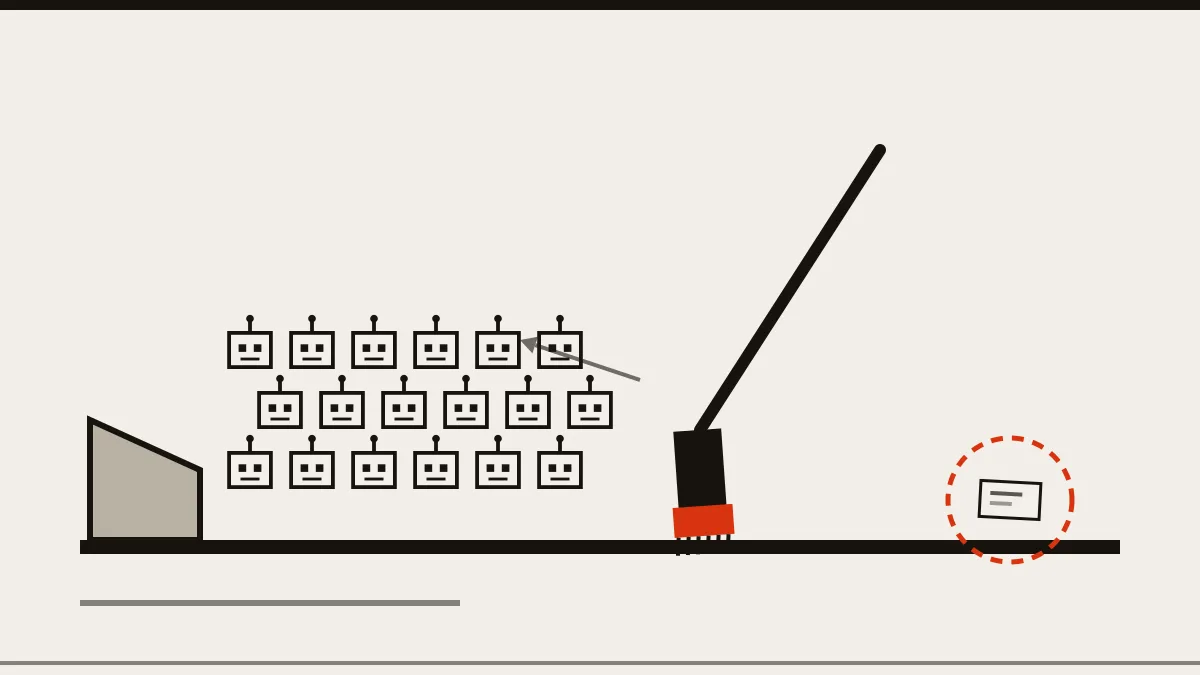
Read those two figures together and the pitch behind every tiktok report bot falls apart. A TikTok report bot is software, or a paid service running on software, that files reports against a video, comment, LIVE or account from many accounts at once, on the theory that volume forces removal. But user reports are a small slice of what drives removal on TikTok. Detection systems find most violating videos first, and when a report does arrive, it does not cast a vote. TikTok's enforcement rules say content "first goes through an automated review process" and that "additional review will occur if content gains popularity or has been reported" (TikTok Community Guidelines, Enforcement). Additional review means another look at the same clip, under the same rule.
So a bot can buy attention. It cannot buy a verdict.
Obscura is a content-removal firm that files policy, copyright, privacy and legal takedowns for people who are being harmed online, and it treats a report bot as a liability for whoever pays for one rather than as a tool. The rest of this page follows that liability, then sets out what actually removes a harmful TikTok account, comment or stream. If you want the queue itself traced stage by stage, our briefing on what TikTok's review counts when a mass report bot fires does that.
Who does a TikTok spam report bot actually put at risk?
The people a tiktok spam report bot puts at risk are the ones running it and the one paying for it, long before the target. TikTok's US Terms of Service, last updated 15 July 2026, open their list of banned conduct with "you must not use, or help anyone else use, the Platform to" and then name, among other things, operating "spam or impersonation accounts" and using an automated system or "bots" to extract data (TikTok Terms of Service, s.3.4). The same list bars anyone from submitting "appeals, reports, notices or complaints which are unfounded".
That lead-in matters. "Help anyone else use" reaches the buyer who never touched the script.
TikTok's Integrity and Authenticity rules close the remaining gap: "We strictly prohibit automation tools, scripts, or other tricks designed to bypass our systems", with penalties listed as "content removal, account bans, or other enforcement" (TikTok Community Guidelines, Integrity and Authenticity). A spam report bot tiktok sellers advertise is an automation tool by definition, and its accounts send reports in bursts with no viewing history behind them. That is the easiest pattern in the whole exchange for TikTok to find. Whatever names the listing uses, a tiktok account report bot, a mass report tiktok account bot or a tiktok account ban bot, the accounts doing the work are the first to go.
The tiktok mass report bot github version: your session is the payload
Search tiktok mass report bot github or tiktok spam report bot github and the scripts that contain working code tend to share one design. They replay the request TikTok's own website sends when you press Report, and to do that they need a logged-in session, so they read your browser cookies or ask you to paste a session ID.
A session ID is a login. Whoever holds it can act as you on TikTok until the session ends, and nothing in the script stops it being sent somewhere else.
The reports, meanwhile, come from your account: the one profile the target cannot be blamed for. Repositories that offer a download, an installer or a "loader" instead of readable code deserve more suspicion, not less. If you have already run one, log out of TikTok on every device, change the password, and scan the computer you ran it on. The same design shows up on Meta, as our piece on who carries the risk of an Instagram spam report bot shows.
Does a TikTok ban service work, and how much does a TikTok ban service cost?
A TikTok ban service works only in the narrow sense that reports get sent; it has no way to make TikTok remove an account that breaks no rule. How much does a TikTok ban service cost? When Obscura reviewed gig marketplaces and broker forums in August 2026, asks ran from roughly $10 for a resold report to about $1,500 at the top of the broker tier, and the price tracked the seller's confidence rather than any capability (our August 2026 TikTok ban service cost breakdown). Every tiktok mass report bot service sells the same three things in different wrapping: reports anyone could file free, a coordinated brigade TikTok's rules forbid, or nothing at all. When a banned account does appear after a paid campaign, the plain explanation is that it was already breaking a rule and one report named it. A free report from you, under that rule, reaches the same reviewer.
| What the listing says | What happens on TikTok's side | Who carries the risk |
|---|---|---|
| "Guaranteed ban" | Each report is judged against the rule it names | You, because the money is gone either way |
| "No login needed" | Reports come from the seller's own accounts | The seller's accounts first, then you as the buyer who helped |
| "Use your account for best results" | Your profile files the reports | Your account, and your session if a script holds it |
| "Proof of delivery" | A counter or screenshot of reports sent | Nobody can prove a decision a seller did not make |
Is a TikTok profile, comment or LIVE copying your identity, publishing your address or making false claims about you? Then you need a filing, and a bot cannot write one. Send Obscura the details in confidence: you hear which form or notice fits before any fee is mentioned, nobody asks for your login, and leaked intimate images are handled first and free, through hash-matching that never requires you to share them.
How does TikTok mass reporting work when the reports are honest?
TikTok mass reporting, done honestly, is several witnesses each reporting the one object they saw break a rule. Each report lands on that video, comment, LIVE or account and is checked against the guideline it names. Ten accurate reports from people who saw the harm are fine. Ten accounts pasting one complaint about a stranger are the conduct TikTok bans.
That is the lawful answer to how to mass report someone on TikTok, and to how to mass report tiktok content as a group: pick the right object, pick the right rule, and say in the text box what happens and when. People who want to mass report tiktok accounts usually get further by reporting the three clearest videos, each under its own rule, than by reporting the profile forty times. The Report button sits in a different place for each object, according to TikTok's "How to Report" Help Center articles as read in September 2026:
| Object | Where Report lives | What to write |
|---|---|---|
| Video | Share, or press and hold, then Report | The rule, and the second the violation starts |
| Account | Profile, Share, Report, Report account | A pattern, with dates of the clearest posts |
| LIVE | Share, then Report (app only) | What is on screen right now, and the minute |
| Comment | Press and hold; up to 100 at once on your own videos | The quoted words |
| Direct message | Press and hold the message, then Report | The message itself, before you block |
Two details most guides miss. TikTok also takes reports through an online form at tiktok.com/legal/report/feedback, which opens without a login. And after you report, Settings and privacy, Support, Safety Center, Report records shows where your report stands. TikTok's reporting page says it "will not disclose your identity" to the person you report. The full object-by-object walkthrough lives in our guide to reporting a TikTok account, video, LIVE or comment, and the question of what actually triggers a ban on TikTok has its own page.
Is there a TikTok mass reporter tool for LIVE, or a real LIVE takedown service?
No tiktok mass reporter tool for live can end a stream; only TikTok can, and it acts on what is on screen. The penalty TikTok describes for a host who breaks its rules on air is that "the session may be stopped", with possible temporary limits on going LIVE again (Community Guidelines in force from 24 September 2026), and it attaches to the broadcast content. A tiktok live report bot sends reports into the same queue as a viewer's, and it races a clock it usually loses, because most buyers order one after the stream they disliked has ended.
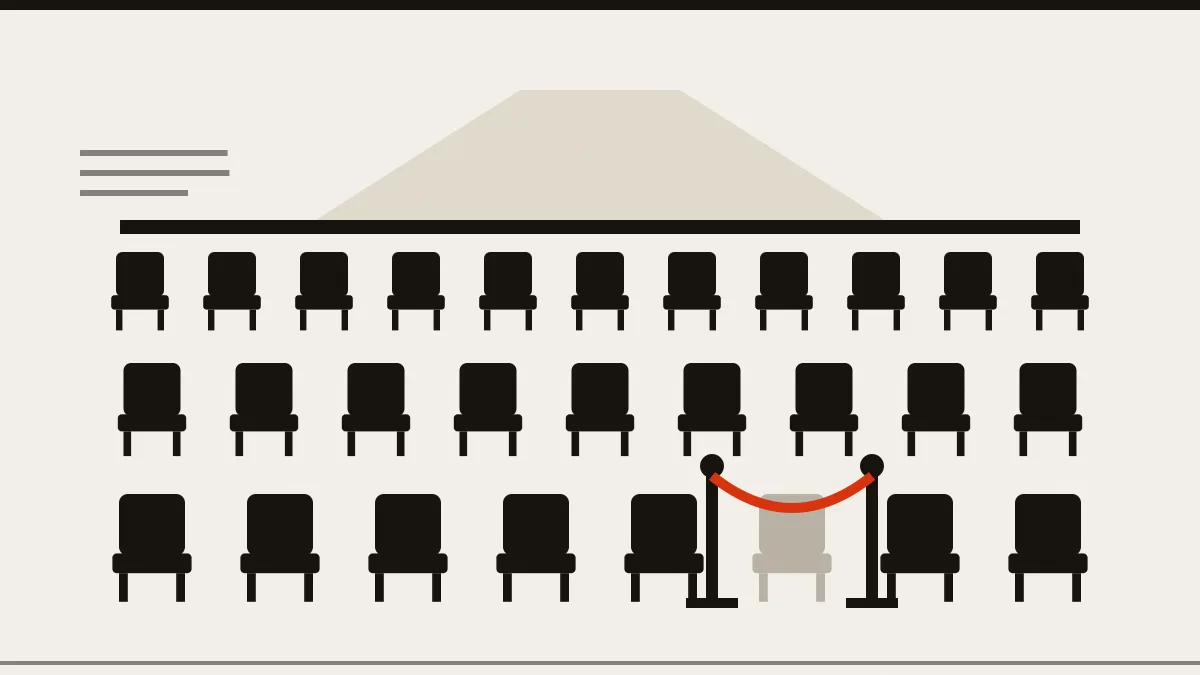
What a legitimate tiktok live stream removal service or tiktok live takedown service sells is small, and none of it involves volume. It can tell you to report the LIVE accurately while it is on air, from the app. It can make sure the stream is recorded, because a report about a LIVE that has ended leaves the reviewer with only what TikTok kept. And where the stream re-broadcasts your own video, film or event, it can file a copyright report signed by the owner. If the trouble is in your own room, TikTok's LIVE controls let a host or moderator report, mute, limit or block a viewer; only the host can add a moderator, and muted or blocked viewers are told. That removes someone from your space in seconds. Nothing outside TikTok switches off someone else's broadcast.
TikTok account removal service and comment removal service: the paid work that can be real
A TikTok account removal service is real when it files a rights-based form for a client who has standing, meaning the rights at stake are theirs: their face and name, their footage, their home address. TikTok's copyright webform, for instance, asks whether you are the owner or "authorized to act on behalf" of one, and ends with a full-legal-name signature under three statements. In its intellectual property report for July to December 2025, published in June 2026, TikTok recorded 401,471 copyright removal requests, 63.0% of which led to content coming down.
That is what a filing with standing looks like in numbers. Volume does not appear anywhere in the process.
For impersonation, TikTok has a dedicated report route, covered in our guide on proving a fake TikTok account copies you. For stolen videos, see how to report stolen content on TikTok without a rejection. In the EEA, TikTok's illegal-content form lists Defamation and Harassment or threats among its categories, and says those who report "will be notified of our decision". A tiktok comment removal service is a thinner product. Under your own videos you can delete, filter keywords, limit who comments, and report up to 100 comments in one action (TikTok, Report a comment). A comment about you under someone else's video comes down when it breaks a rule or the law, and the lever there is a policy or defamation notice. The wider pattern is in our piece on the TikTok content removal service copy problem.
What happens if you get mass reported on TikTok?
If you get mass reported on TikTok, the outcome turns on your content, and the size of the wave is close to irrelevant. What happens if you get mass reported on TikTok, in most cases we see, is a review and nothing more. Content that breaks no rule stays up. Content that did break one comes down, and would have on one report. While content is under review, TikTok may restrict features such as LIVE or direct messages, which is the part people notice and mistake for a ban.
If your account gets mass reported on TikTok, work through it in this order:
- Open Settings and privacy, then Support, Safety Center, Account check. It shows rows for Login, Posts, Comments, Profile and Direct messages, each with a tick or a warning sign.
- Read each notification in Inbox, under System notifications and Account updates. TikTok tells you only when it has acted.
- Appeal every removal you disagree with from the notification itself, briefly, naming the guideline you did not break.
- Capture the campaign: the post that said "everyone report this", the group-chat screenshot, the times. Save it before you block anyone.
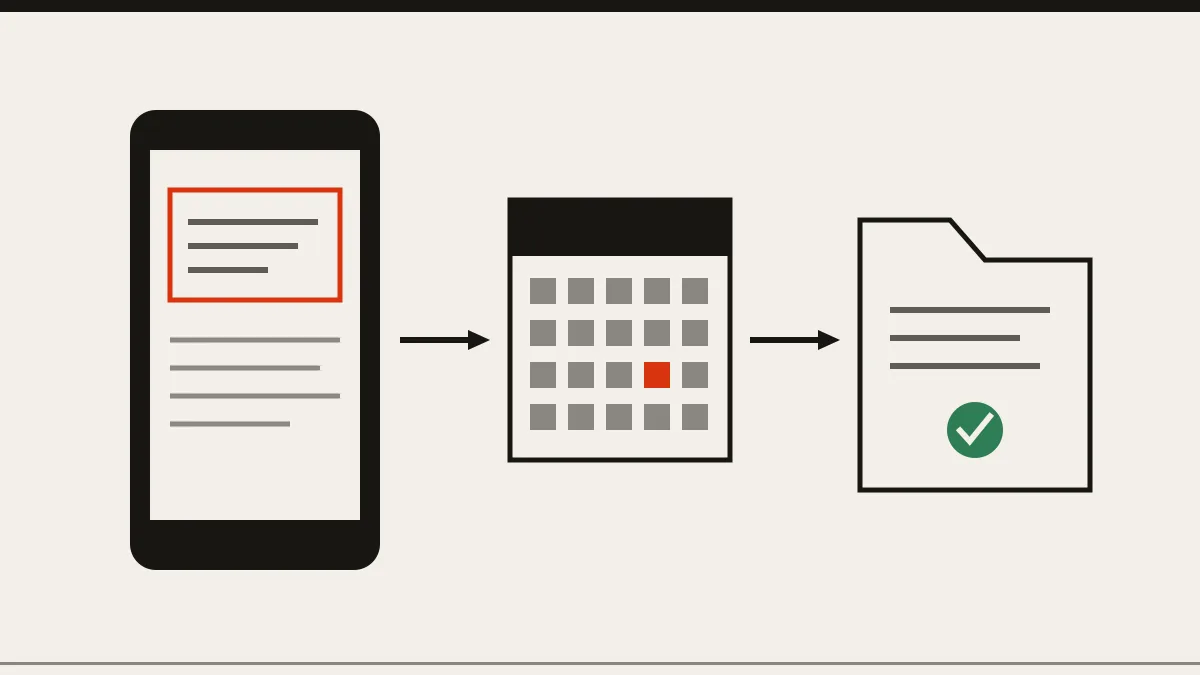
Appeals are worth filing. In TikTok's EU transparency report under the Digital Services Act for January to June 2026, published 31 August 2026, 377,235 of 810,860 complaints against account suspensions or terminations, about 46.5%, ended with the decision reversed. In the EU, a lost appeal is not the end: certified dispute bodies such as Appeals Centre Europe hear TikTok cases, and RTÉ reported in May 2026 that users pay nothing to use it.
Here is how these cases tend to look when we review them. The owner arrives sure that a wave caused the damage. The record usually shows one or two specific videos removed, each under one named rule, and sometimes the wave did nothing but surface an old clip. An appeal that argues the rule does better than one that argues the brigade, so we write it that way. If what stays up is a page about you that ranks on your name, see how the harm decides whether a TikTok account can be banned.
Where Obscura stops, and what no report removes
The refusals come first. Obscura will not send report volume, operate or resell bots, borrow accounts, or tell you a specific person will lose theirs. No invented copyright claim, no bluffed legal letter, no request for your password or 2FA code, and no demand for crypto before work starts. A confidential review comes before any charge, and it begins by asking whether the content breaks a rule or a right at all.
There is also a category no filing touches. Accurate journalism, real public records and opinion honestly held survive TikTok's forms and the courts alike; a manufactured complaint against them usually earns a counter-notice and more readers. If such a post ranks on your name, the remedy is suppression, which pushes it down with stronger results, and it never makes the post disappear. Obscura files the report or the notice; TikTok makes the final decision, and no one outside TikTok can make it for you. If you came here wanting someone gone who has broken no rule, the honest answer is that no route exists, and how to get someone banned on TikTok explains why. Our disclaimer sets out what we can and cannot promise, and the people who handle these cases are named on the team page.