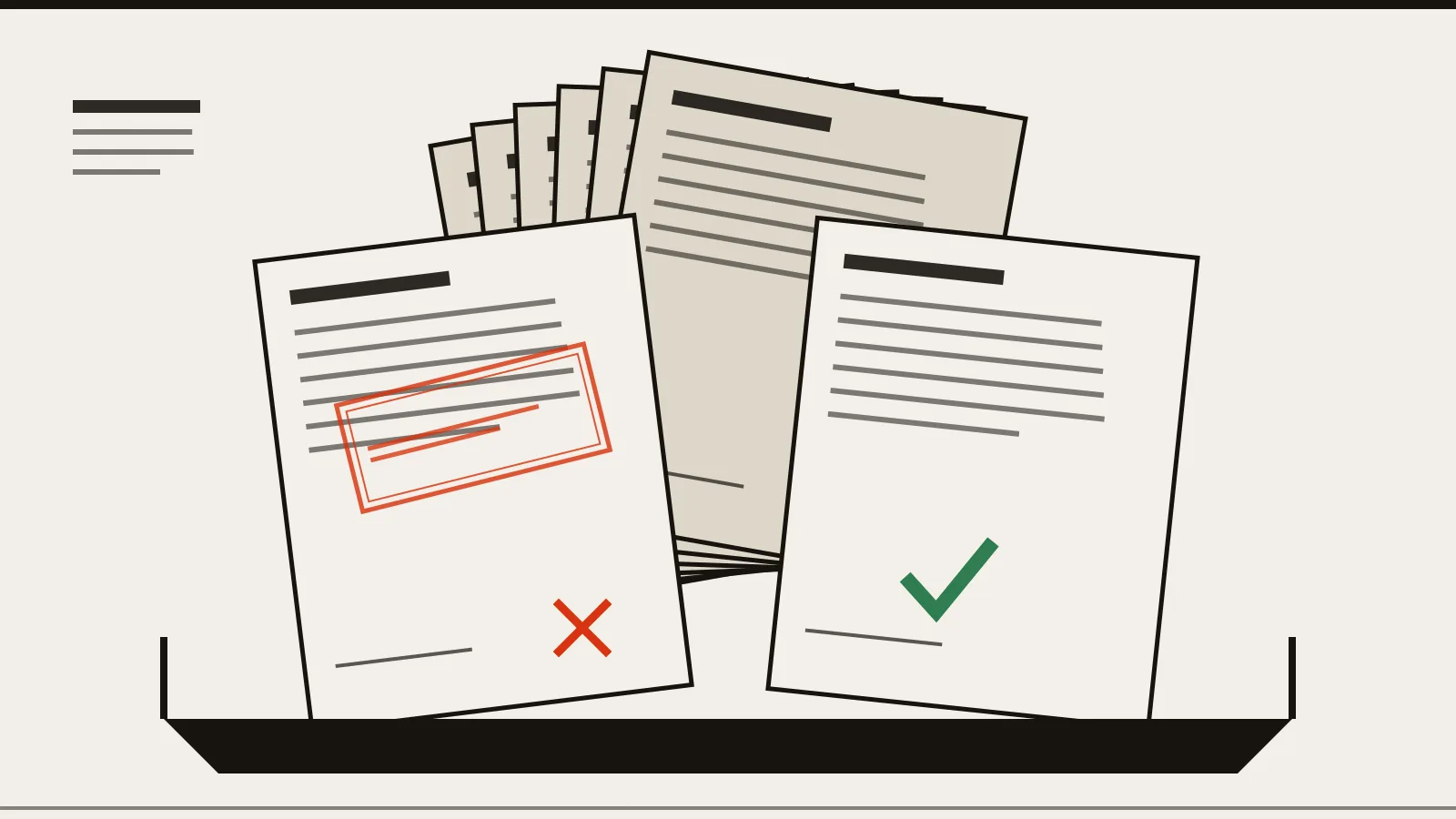
What counts as stolen content on TikTok, and who may report it?
Stolen content, in TikTok's terms, is a work you own posted by someone else without your permission. Your video re-uploaded to a stranger's account. Your photograph inside their slideshow. Your original audio under their name. TikTok handles all of it as an intellectual property matter, through a different team, a different policy and a different form from the everyday flag you use for spam or bullying. The TikTok copyright infringement policy, which TikTok publishes as its Intellectual Property Policy (released 27 March 2025, in force since 26 April 2025), gives the right to complain to a narrow group: the owner of the work, or a person authorised to act for them.
That one rule decides more cases than any other.
Copyright belongs to whoever created the work, which in practice means whoever pressed record. A clip of you filmed by a stranger at a wedding is their copyright, not yours. If it was posted to humiliate you, the route is a privacy or harassment report, and our guide to getting a TikTok taken down immediately, and who is allowed to ask sorts those lanes by standing. Employment is the other trap. Under UK law the employer is normally the first owner of work made in the course of a job (Copyright, Designs and Patents Act 1988, s.11(2)), so a social media manager whose brand clips were lifted usually needs the company to sign.
A copyright report is also not a punishment lever. Readers who come here after a search on how to get someone banned on TikTok should know what the form does: it removes the specific videos you name. Any account ban that follows is TikTok's own decision under its repeat-infringer rule, which we cover below. The ordinary in-app flags for accounts, LIVEs and comments are a separate system, set out object by object in how to report a TikTok account, video, LIVE or comment.
Why do so many TikTok copyright reports fail?
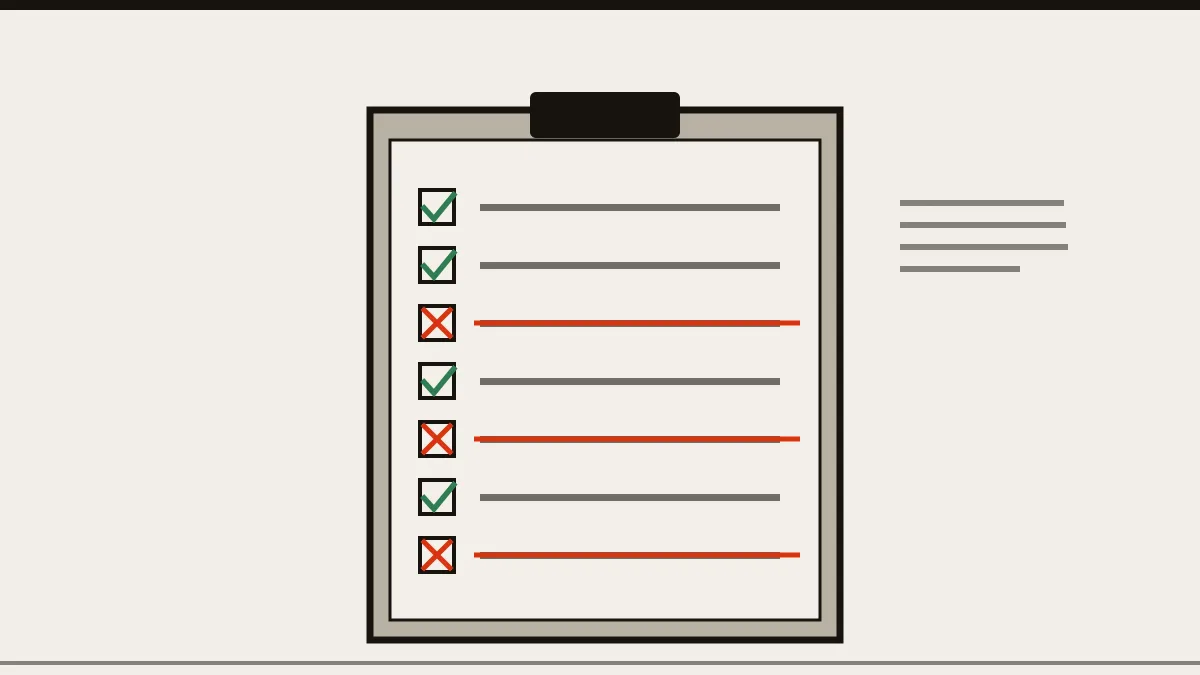
TikTok publishes how its intellectual property desk performs. In its report for July to December 2025, published on 24 June 2026, TikTok received 401,471 copyright removal requests and removed content in response to 63.0% of them. Trademark requests numbered 75,082, with removal in 67.1% (TikTok transparency centre, intellectual property removal requests). Over the same six months it classed 173,140 requests as invalid because they were incomplete, inaccurate or outside its criteria. More than a third of copyright requests ended with nothing removed. Those failures are rarely about whether the theft happened. They come from the filing itself: the wrong person signing, the original never linked, a profile URL where a video URL belongs, or a brand complaint pushed through a copyright form. Almost every one of them can be fixed before you press submit, which is why a TikTok copyright infringement report deserves ten careful minutes rather than two hurried ones.
The pattern we see in client files lines up closely with TikTok's own categories:
| Why the filing fails | How it shows up | The fix |
|---|---|---|
| Filer is not the owner or agent | A request for proof of rights | The creator files, or signs an authorisation |
| The original is not linked | A request for more information | Link the first post or a dated source file |
| Wrong URL in the report box | Profile or shortlink, not the video | One full video URL per line |
| Reuse the Terms already cover | No action on a Duet or Stitch | Report copies made outside those features |
| A brand, not a creative work | Redirect to another form | Trademark form or the Shop portal |
| Statements or signature missing | The form will not submit | Tick all three, sign with a full legal name |
Volume does not rescue a weak filing. Forty identical reports from forty accounts are forty copies of the same invalid claim, and TikTok's figures on whether mass reporting works on TikTok show a platform that counts items, not voices. YouTube's desk behaves the same way, as our note on YouTube mass report bots running into a daily quota explains.
The Duet and Stitch trap in TikTok's Terms
This is the rejection almost nobody warns you about. TikTok's US Terms of Service, last updated on 15 July 2026, grant "each user of the Platform" a worldwide, royalty-free licence to your content, including the right to "adapt or make derivative works" such as including your content in their own (TikTok Terms of Service, s.3.5). The clause says this depends on "your sharing activities and settings". It does not name Duet or Stitch. Those features are simply how that licence is exercised day to day, so a Stitch that quotes your clip and adds commentary, made while your settings allowed it, is very hard to call infringement. If you report TikTok video for copyright on that basis, expect a refusal. A download of your video, stripped of its watermark and posted as someone else's original, is a different thing entirely: that is the case the copyright form was built for. To stop the first kind in future, switch off Duet and Stitch for your posts in the privacy settings.
How to report stolen content on TikTok, field by field
The TikTok copyright report lives at tiktok.com/legal/report/Copyright, and it works without a TikTok account. That makes it the only way to report copyright infringement TikTok offers to photographers, musicians and brands who never joined the app. As of September 2026 it runs in this order:
- Verify an email address. A code arrives before anything else opens. Use an inbox you will watch for weeks, because follow-up questions land there.
- Pick the issue. There are seven options. Choose copyright; the ads, TikTok Shop, trademark and impersonation choices send you elsewhere.
- Say who you are. The owner, or someone "authorized to act on behalf" of the owner. An agent should hold written authority before filing.
- Describe the work. Video, original music, non-music audio, photo, logo or other, and whether it first appeared on your own TikTok, on an account you represent, or outside TikTok.
- Prove the original. A 350-character box takes the link to your original. An upload under 20 MB takes evidence: the source file, a dated screenshot, a licence.
- List every copy. A 35,000-character box holds the reported links. Put one full video URL on each line, across every account that reposted it.
- Consider "Prevent future copies". The box is optional. It asks TikTok to watch for re-uploads of the same work.
- Make the three statements and sign. Good faith, accuracy and authority, then your full legal name as the signature.
The form warns that your contact information "may be shared with the person who posted the content". Read that line before you type a personal mobile number.
How to report a TikTok video for copyright from the app
People searching how to report TikTok video copyright theft often start in the app: press and hold the video, tap Report, then choose the intellectual property option. TikTok's policy confirms reports can be made "via our online form or in-app". The in-app TikTok report copyright infringement path suits one copy you are looking at right now. For several copies, or anything you may need to prove later, use the web form, because you keep a confirmation email and a record of exactly which URLs you filed.
A note from our own files. When we file these for clients, the case is usually won or lost at step 5. A dated original answers the reviewer's only real question, which is who had it first. The draft still sitting in your TikTok drafts folder, the camera-roll file with its creation date, the first upload on Instagram: any one of them settles it. The same holds on X, where a Twitter account removal service case is won on the evidence before anything is filed.
Several accounts reposting your work? Send us the links and your original. We review them confidentially, tell you which form fits and whether the claim is realistic, and charge nothing for that review. We never ask for your password.
Is there a TikTok DMCA email, and should you use it?
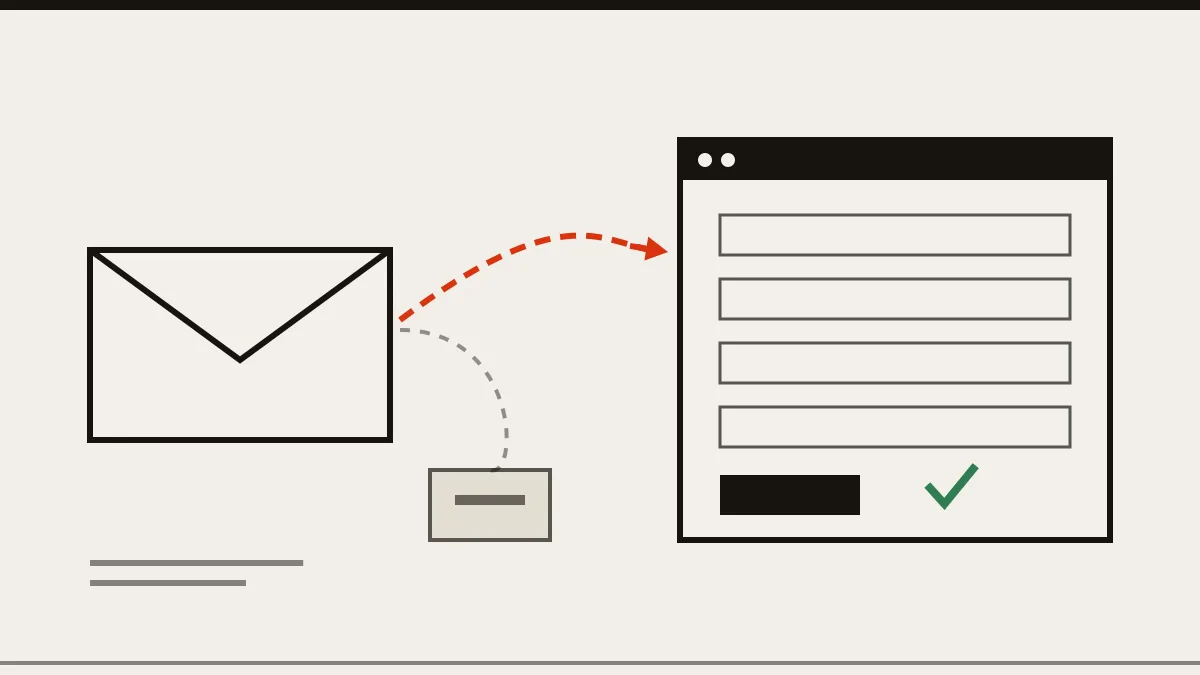
There is an address, but TikTok does not steer anyone towards it. The US Copyright Office's directory of designated agents lists TikTok Inc.'s agent as the TikTok Intellectual Property Team in Culver City, California, with copyright@tiktok.com as the contact, in an entry dated 31 January 2025 (DMCA designated agent directory). A platform publishes that listing because the US Digital Millennium Copyright Act requires it for safe-harbour protection. So copyright@tiktok.com is the formal TikTok DMCA email, and a notice sent there is legally delivered to TikTok's agent. What TikTok's own Intellectual Property Policy does not do is mention it. The policy names no email address at all and sends everyone to the online form or the in-app report. That gap is why the "TikTok copyright infringement email" question comes up so often: third-party guides print the address, TikTok's pages never do, and filers are left guessing which one counts. Both count in law. Only one is the route TikTok has designed its review process around, and it is the form.
Is a DMCA takedown request TikTok receives by email valid? It can be. Under 17 U.S.C. §512(c)(3) a notice to the designated agent is effective if it contains the statutory elements: a signature, identification of the work, identification of the infringing material precise enough to find it, your contact details, a good-faith statement, and a statement under penalty of perjury that you are authorised. Our pillar on where a DMCA takedown notice goes, platform by platform walks through each element.
In practice we file a TikTok DMCA report through the form. A DMCA takedown TikTok gets by email still has to be matched to the form's fields by someone on the IP team, and email gives you no confirmation step and no check for missing fields. An emailed TikTok DMCA takedown makes sense in one situation: a solicitor's notice that needs a paper trail outside TikTok's systems.
Two warnings. UK and EU owners do not need the DMCA at all. TikTok's form accepts owners anywhere, and for UK hosts the "actual knowledge" test in the Electronic Commerce Regulations 2002, reg. 19 does similar work. Second, treat any copyright email that reaches you, rather than one you send, with suspicion. Fake copyright notices with a countdown and a login link are a routine way to steal creator accounts. TikTok's genuine notices arrive as in-app notifications.
TikTok trademark infringement report: the registration test
A logo, a brand name or a product's look is trademark territory, and the copyright form will redirect you. The TikTok trademark infringement report sits at tiktok.com/legal/report/Trademark, and TikTok's policy says a report "should contain the information requested" there. Before opening it, check the register: is the mark registered, and in which country? UK owners can confirm theirs through the UK IPO trade mark search.
TikTok reporting trademark infringement covers three patterns we see most: an account using your brand in its handle and avatar, videos putting your logo on goods you never made, and ads borrowing your name. The first overlaps with impersonation, which has its own form. Our notes on a LinkedIn account takedown for clones and libel and on an Instagram account takedown by lawful routes show the same split elsewhere: "they copied our brand" goes to one desk, "they are pretending to be us" to another.
TikTok Shop: report infringement through the IP Protection Center
A counterfeit listing is a TikTok Shop report infringement case, not a video case. TikTok runs a separate portal for it, the IP Protection Center (IPPC) at ippc.tiktokglobalshop.com. You can sign in with seller credentials or open a new account, so you do not have to sell on TikTok to use it. You do have to verify your identity first, as a business or as an individual, and register the rights you want enforced. TikTok's US seller guide adds a rule that catches foreign brands out: "Your IP asset MUST be active in the country where you want to protect it." A UK-only mark gives you nothing against a listing on the US Shop.
The scale explains the separate desk. Covering July to December 2025, TikTok reported more than 54 million Shop products blocked before they were listed, more than 3 million taken down, about 1.2 million IPPC requests, and over 7,700 rights holders using the portal.
| What was copied | Where the TikTok IP infringement report goes | Have this ready |
|---|---|---|
| Your video, photo or audio | Copyright form, or in-app | Original link, copy URLs, signature |
| Your registered name or logo | Trademark form | Registration number and country |
| A fake of your product in Shop | IPPC portal | Verified identity, rights in that country |
| An account posing as your firm | Impersonation form | Proof you represent the business |
What happens after a TikTok copyright takedown?
If the claim holds, TikTok removes the videos you named and tells the uploader through an in-app notification. Two consequences follow that filers seldom plan for.
The first is that names travel. TikTok's policy says it "may provide the user with information about your report, such as the name of the copyright owner", and the form warns that your contact details may be shared too. If the uploader appeals, the exchange runs the other way: outside the EU, TikTok says it "will forward your entire appeal to the original reporter", contact details included. Anyone who fears retaliation should file with a business address or through an authorised agent.
The second is the strike. Every upheld claim can put a TikTok copyright strike on the uploader's account, and TikTok's Help Center sets out how they add up (TikTok Help Center, intellectual property strikes). Strikes "will expire from your record after 90 days". Three copyright strikes inside that window lead to a permanent ban. And "TikTok counts strikes for copyright and trademark infringements separately". TikTok's own example: two copyright strikes plus two trademark strikes is not a ban, while three of one kind plus one of the other is. Several reports landing at once may be counted as a single strike, so a batch filing on ten copies does not give ten strikes. The Intellectual Property Policy itself commits only to banning a user who "repeatedly commits copyright infringement"; the numbers live in the Help Center. We set out the other four ban triggers in what actually gets someone banned on TikTok.
Then comes the appeal. The uploader can contest the removal from the notification, and TikTok's policy gives no clock for putting anything back; reinstatement is at its discretion. US law does set one for platforms that want the safe harbour. After a valid counter-notice, the material goes back up in "not less than 10, nor more than 14, business days" unless the complainant tells the platform it has started a court action (17 U.S.C. §512(g)(2)(C)).
| Stage | Who acts | What to watch for |
|---|---|---|
| Filing | You | Confirmation email, your list of URLs |
| Review | TikTok | Questions sent to the verified email |
| Removal | TikTok | Uploader notified, may see the owner's name |
| Strike | Uploader's account | Lapses after 90 days; three copyright strikes end it |
| Appeal | Uploader | Forwarded to you, outside the EU |
| After an appeal | You | Your evidence decides whether it stays down |
The same "strikes, not reports" logic runs across the other networks. It is why three copyright strikes terminate a YouTube channel, why the honest guide to how you ban someone on Twitter, and what only X can do starts with X's own enforcement, and why you cannot get someone banned on Instagram by report volume either.
How to remove a TikTok copyright claim from your own video
Sometimes the notice is aimed at you. A TikTok video copyright claim usually shows up as a removed video, a muted sound or a strike warning in your inbox. Creators asking how to remove TikTok copyright claims have three honest moves:
- Fix the post. If the claim concerns a song, swap in a track from TikTok's Commercial Music Library, or repost without the audio.
- Appeal from the notification. If you own the work, hold a licence, or your use is fair, appeal in the app. TikTok's policy names "the fair use doctrine in the United States" and "permitted acts of fair dealing" in the EU.
- Check where you stand. Settings and privacy, then Support, Safety Center and Account check (or TikTok Studio, More tools, Account check) lists each strike and when it lapses.
Do not appeal a claim you know is correct. A knowingly false counter-notice exposes you to damages under §512(f), and outside the EU your appeal, with your details, goes straight to the person who complained. Meta keeps a similar split between intellectual property and community enforcement, which is one reason getting someone banned from Facebook depends on what Meta acts on, not on who complains loudest.
Why a mass report or a paid ban will not remove a copy
Theft makes people angry, and the internet sells anger a product. The pitch is always some version of "we'll get the thief's account banned". We have looked at that market platform by platform. A TikTok ban service sells a report, not an outcome. The Instagram ban service turns out to be something else once you see what you're buying. The Twitter ban service promising an X suspension files the same reports you could file yourself. Facebook ban service price bands put the legal risk on the buyer, and no WhatsApp ban service fee can unseal an encrypted chat.
The bots are no better. An Instagram spam report bot, a panel promising to mass report an Instagram account from GitHub code, an X mass report bot, a Telegram mass report bot, a Facebook mass report tool, a WhatsApp mass report bot and a Snapchat mass report bot all do one thing: they file the ordinary community report many times over. None of them can file a copyright notice, because only the owner or an authorised agent can sign one. A spam report against a re-upload asks TikTok whether the video is spam. It is not. It is your video, and only the copyright form asks that question.
When the same clip is stolen on other platforms too
Re-uploaders rarely stop at one app. A TikTok that travels well gets ripped to Shorts, Reels, Facebook pages and Telegram channels within days, and a TikTok filing has no effect anywhere else. Each platform needs its own notice:
- YouTube: the copyright webform removes the video and strikes the channel. See how to get a YouTube video taken down and keep it down.
- Facebook: Meta's IP form handles the copy. If a whole profile exists to repost stolen clips, taking down a Facebook account, yours or theirs covers the account route.
- X: copyright has its own form. For an account built on reposts, read how to take down a Twitter account.
- Telegram: copyright notices go to dmca@telegram.org, and the channel-level route is in how to take down a Telegram channel.
- Snapchat: Spotlight reposts are common. Taking down a Snapchat account that isn't yours and how someone actually gets banned from Snapchat cover the account side.
- WhatsApp: channels and forwards are the hardest to reach, and banning someone's WhatsApp number runs on block, report and appeal rather than copyright.
Keep one spreadsheet for all of it: platform, URL, date filed, reference number, outcome. If the same person keeps reposting, that sheet becomes your evidence of repeat infringement, whether for TikTok's strike count or for a solicitor's letter. Copies that multiply faster than you can file are their own problem, covered in why a TikTok content removal service has to chase the copies.
What a copyright report cannot take down
A copyright report protects a creative work. It does not reach everything that feels like theft. It will not remove a genuine review or critique that uses short clips of your work, because criticism, review and quotation are fair dealing in the UK and fair use in the US, and TikTok's own policy names both. It will not remove a news report that shows your clip. It will not remove a video of you that someone else filmed, since the copyright is theirs; that is a privacy question. It will not protect an idea, a format or a trend, because copyright protects expression, not concepts. Filing anyway is not a clever shortcut. A notice for a work you do not own is invalid, a knowingly false one exposes the sender to damages under §512(f), and either way your name goes to the person you accused. We never file for a work the client does not own, never bluff a legal threat, and never ask for anyone's password.
When removal is off the table, say a hostile commentary video about your business that ranks for your name, the honest route is suppression: building and promoting stronger results so the video drops out of view, rather than claiming a takedown right that does not exist. Our disclaimer sets out those limits in full, and the team page lists who reviews each case.