What does X actually review when you report a Twitter account?
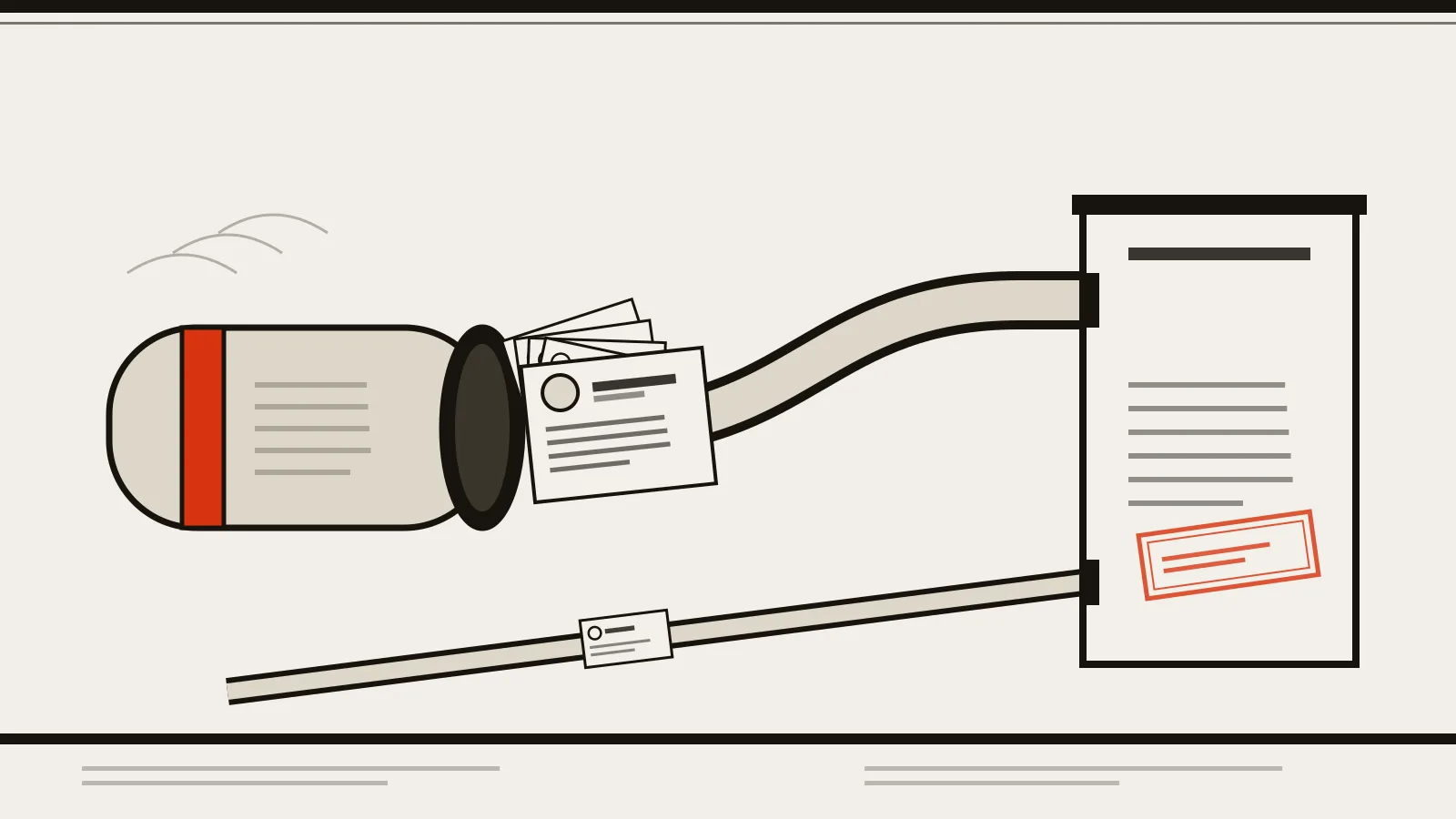
When you report a Twitter account, X reviews what your report puts in front of it and very little else: the profile, the posts you select from it, and your answer to the question of who is being harmed. That question comes first. X asks whether the report is for you, for someone else or a specific group of people, or for everyone on X, and the answer shapes every screen that follows (X Help Centre). A reviewer does not trawl the account for problems you never mentioned. They rule on the case you built. That makes an account report closer to a small case file than a complaint button, and it explains why two people reporting the same account can get different outcomes. This briefing is about building that file properly, putting it under the right rule, and recognising the point at which a report stops being the right instrument at all.
Twitter began moving to this design in 2021 and called it a "symptoms-first" approach (Twitter blog, 2021). You no longer pick a policy name from a list. You describe what is happening, and the flow proposes the rule. People who have never read the X Rules find that easier. It also means your description steers the review, so vague answers produce vague reviews.
If what you want in the end is the account gone rather than assessed, our briefing on how to take down a Twitter account sets out the five legal and policy instruments that reach X. This one stays with the report. For most people it is the first move, and done carefully it is often the only one they need.
Report X account from the profile, a message thread or a browser
The steps are the same on x.com and in the X apps for iOS and Android. To report an X account from its profile:
- Open the profile of the account you want to report.
- Select the ••• (more) icon.
- Select Report.
- Say who the report is for: yourself, someone else or a specific group of people, or everyone on X.
- Answer the follow-up questions, and select posts from the account when X asks for them.
- Read the summary before you submit. X restates what you are reporting, the context you added and the rule it thinks is involved. If that rule looks wrong, go back.
Abuse that arrives privately is reported from the conversation instead. Open the Direct Message thread, select the information icon and choose Report @username. If you choose "It's abusive or harmful", X may ask you to pick further messages from the same account. The whole conversation can be reported from the ••• menu, and group conversations have the same option.
Take screenshots before you report a message or block the sender. A message you no longer hold is evidence you no longer hold.
One small setting deserves a second look. X copies the text of reported posts into its follow-up emails unless you untick a box headed "Updates about this report can show these posts". If someone else reads your email, or you would rather not see those words again, untick it.
Why the posts you attach decide the outcome
X's help page says it may ask you "to select posts from that account" so a reviewer has better context. Those selections are the heart of an account report. Without them the reviewer sees the profile as it stands on the day, and a practised harasser tidies a profile long before anyone looks at it. With them, the reviewer sees conduct.
Choose the posts the way a solicitor chooses exhibits. The strongest name or tag the target, show a photograph of them, or repeat the same attack over several days. Those are the factors X's harassment policy says it weighs when setting a penalty: whether someone was targeted by being mentioned, named in full or pictured, how severe the content is, and the account's previous record (X Help Centre). Posts that are merely rude dilute the file. A handful of precise examples beats a long scroll of indifferent ones.
X publishes no deadline for any of this. Its help pages promise a confirmation within 24 hours and a follow-up if it needs more from you or takes action, and our note on how long Twitter takes to ban someone explains why a review can close in hours or sit for weeks. Other platforms handle this moment differently. Instagram's in-app reports are mostly menus with nowhere to explain, which is why the Instagram report forms Meta pays attention to carry more of the load there than they do on X.
Here are the four routes side by side, as we use them in our own files. We checked them against X's help pages on 26 September 2026.
| Route | What the reviewer sees | Use it when |
|---|---|---|
| Post report | The post, plus any posts X asks you to add | One post is the harm |
| Account report | The profile and the posts you select | The account exists to target someone |
| Message report | The messages or conversation you flag | The abuse is private |
| Legal web form | Your written notice and the links | A law is broken, not only a rule |
Report abuse on Twitter: which rule is the abuse actually breaking?
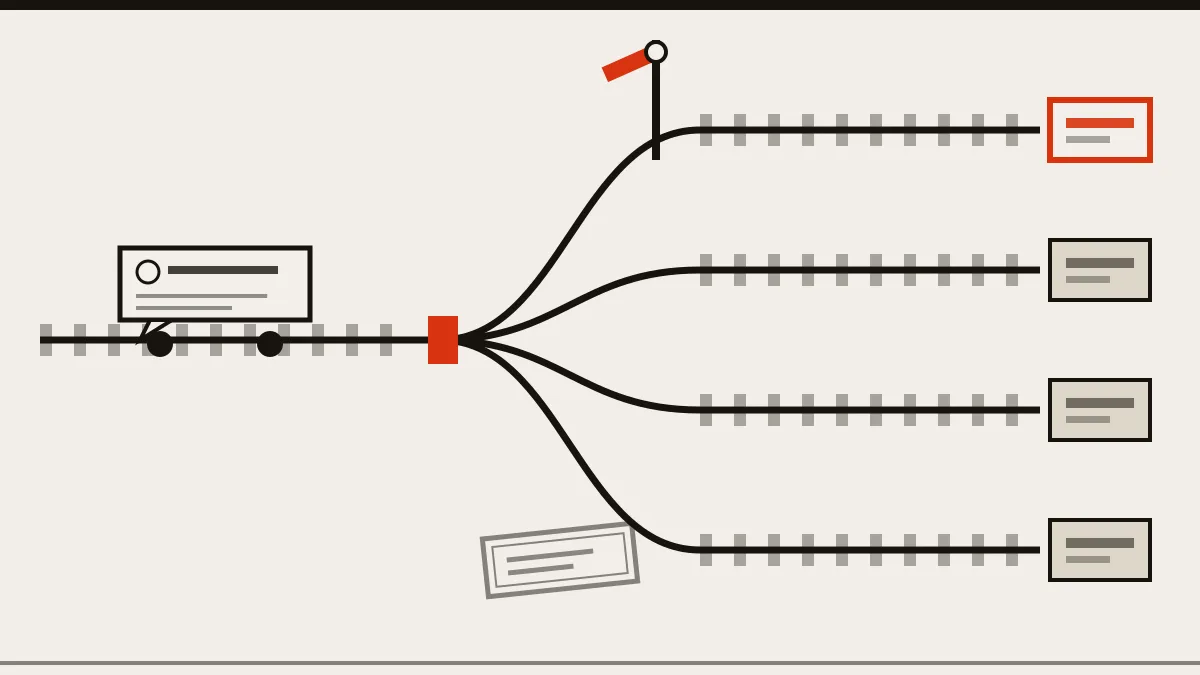
To report abuse on Twitter with any effect, you first need to know which rule the behaviour breaks, because X judges each report against a written policy rather than against how upsetting the content feels. The main one is the Abuse and Harassment policy, last revised in March 2024. It forbids targeting people with abuse or harassment, forbids encouraging others to do it, and sorts the conduct under six headings: targeted harassment, incitement of harassment, unwanted sexual content and graphic objectification, insults, violent event denial, and the deliberate use of someone's former name or pronouns. Enforcement is lighter than most people expect. X lists visibility limits first, then an order to delete the post and a spell in read-only mode, and keeps suspension for accounts that are dedicated to harassing individuals or exist only to break the sexual-content rule (X Help Centre). A report can succeed while the account stays up.
What the six headings cover, in plain terms:
- Targeted harassment means malicious, unreciprocated targeting: a run of posts or replies aimed at one person over a short period, tagging someone with malicious content, or an account set up to harass.
- Incitement of harassment is calling on others to go after a person, online or in the physical world.
- Unwanted sexual content covers unsolicited adult media, sexual remarks about someone's body, and solicitation.
- Insults are actioned when aimed at people, though X says it will not act on every offensive word.
- Violent event denial means calling a verified mass-casualty event a hoax in an abusive context.
- The rule on prior names and pronouns only limits visibility where local law requires it, and only on the target's own report.
Much of what people call abuse sits under other rules entirely. Threats belong to violent speech. Attacks on a protected characteristic belong to hateful conduct. A home address posted without consent is private information, and intimate images shared without consent have their own policy and their own form. X's safety forms page shows the full spread. When we checked it on 26 September 2026 its menu offered private content, harassment, hate against a protected category, violent threats, self-harm, child sexual exploitation, an underage user, ads, Communities, paid partnerships, illegal and regulated behaviours, and a US Take It Down Act report (X safety forms). The rule moves a reviewer, not the volume. That is as true when you get someone banned on TikTok as it is in what Meta actually acts on.
The line between an insult and hateful conduct is easy to blur in both directions, and it changes which rule applies. An insult aimed at you as a person, however vile, sits under the harassment policy, and X says plainly that it will not act on every offensive word. The same insult aimed at you because of your race, religion, sexual orientation, sex, disability or another protected category belongs under hateful conduct, which X treats as its own violation with its own form. Filing it there tells the reviewer what to look for. Filing it as a generic insult asks them to weigh rudeness, which is a much weaker question.
Twitter report abuse filed under the wrong heading
Someone searching "twitter report abuse" has often filed once already and heard nothing back. The heading is the first thing we check. A report is reviewed against the rule it ends up under, so a threat filed as spam gets a spam review, and a spam review asks the wrong questions. The symptoms-first flow proposes a rule on its summary screen, and that screen is your last chance to change it.
When one account breaks several rules, split the work. File the threat under violent speech and the published address under private information, as separate reports on those specific posts, and keep the account report for the pattern. That is not the duplicate reporting X prohibits. Different content under different rules is simply accurate filing.
Why X sometimes needs to hear from the target
X's harassment policy warns that it will "sometimes need to hear directly from the person being targeted" before it acts. The reason is context. Friends swear at each other, rivals trade insults by mutual consent, and a post that reads as abuse in isolation can be a joke between two people who both find it funny. A report from the person on the receiving end settles that question in a way no bystander report can. For former names and pronouns, X goes further and says it must always hear from the target.
The practical upshot is simple. If you are the person being attacked, file yourself even when friends have already reported, and answer "Myself" when the flow asks who the report is for. X's web form for harassment asks the same thing at the outset, with a required choice between content directed at you and content directed at someone else. Friends' reports still count as signals. They cannot stand in for yours where the rule turns on the target's own account of events.
Reporting for someone else, a group, or everyone on X
The middle option, someone else or a specific group of people, is for bystanders: a colleague being piled on, a community being targeted as a group. The third option, everyone on X, fits content that harms the public at large, such as a scam link or spam that reaches no one in particular.
There is no field in the in-app flow for a representative. Where X accepts one, it is through a form that demands proof. The impersonation form's branch for someone you represent asks for proof of authority, such as an agent's agreement or a power of attorney. The Take It Down Act form accepts a report from an authorised representative. A parent, carer or lawyer acting for someone else should expect to show paperwork.
How to report someone on Twitter for harassment when it is a pattern
Knowing how to report someone on Twitter for harassment starts with accepting that X judges harassment as a pattern. The policy's own examples are a series of posts sent over a short period, a stream of malicious replies, tagging someone with malicious content, and accounts dedicated to harassing one or more people. A single rude reply rarely meets that standard. Thirty replies over a week, each one tagging you, is the conduct the policy describes, but only if the reviewer can see it. So the real question behind how to report harassment on Twitter is how to show a pattern through the few posts one report can carry, and how to keep the record intact if the account deletes, locks or renames itself before anyone looks. Everything in this section serves one goal: a file that still makes sense to a stranger reading it cold, weeks after the event.
Build the case file before you file
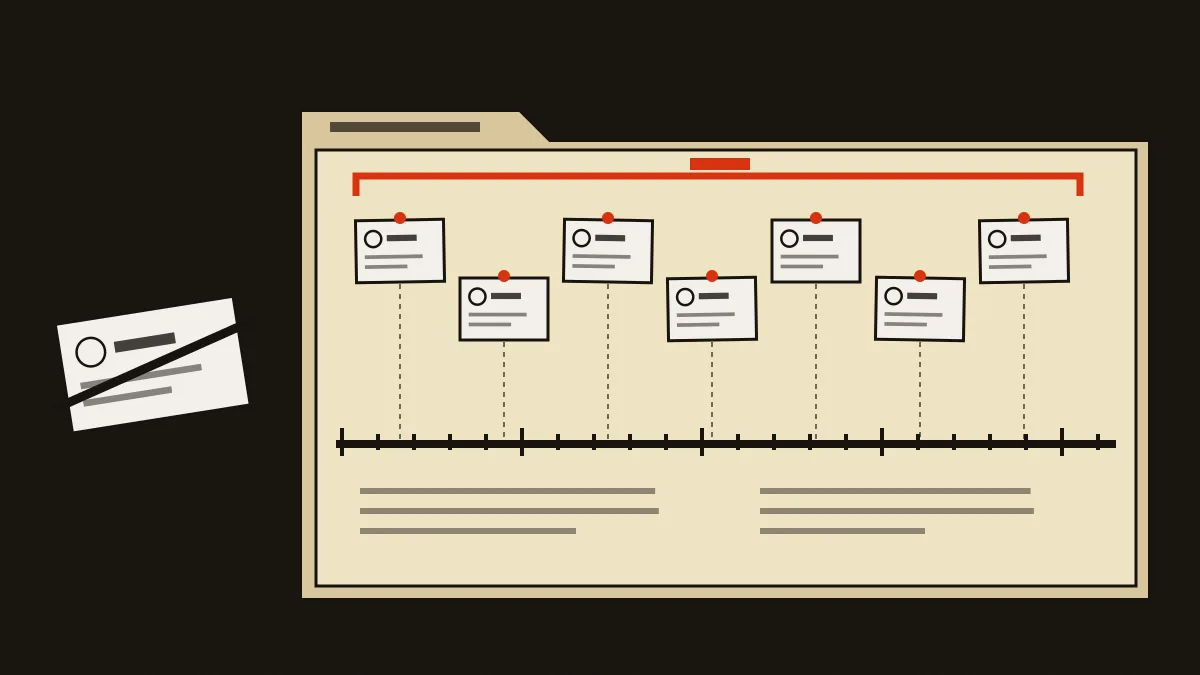
Capture comes first because nothing you capture later will be better than what is on screen now. We ask clients for five things:
- The profile: handle, display name, profile address and a screenshot of the header. Handles change. The numeric ID in each post's address does not.
- Every post: its address, the date and time, and a screenshot showing the handle and the timestamp together.
- The thread around each reply, so a reviewer can see what it was answering.
- Direct Messages: screenshots, plus the archive of your own data that X lets you request from your account settings, which contains your messages.
- A plain log with the date, what happened, what you reported and the confirmation you received.
Only then block. Blocking is the right move for your peace of mind, but it belongs at the end of the sequence, not the start.
Encrypted apps are harder. On WhatsApp, what no fee can unseal in an encrypted chat has to come from your own phone, because nobody else can see it. X is easier. Most of what matters is public, and your own archive holds most of the rest.
Report Twitter account for harassment: the order we file in
When a client asks us to report a Twitter account for harassment, we prepare the file and the client submits the report from their own account, because the policy may need the target's own voice. The order we follow is deliberate:
- Capture everything listed above.
- The target files the account report, answers "Myself", and selects the posts that name, tag or picture them.
- The gravest single items get reports of their own under their own rules: a threat under violent speech, an address under private information.
- Direct Messages are reported from inside the conversation.
- Only then does the client mute, block and restrict who can reply.
- Credible threats also go to the police, with the copy of the report that X emails on request.
The reasoning is procedural. A post report and an account report are reviewed separately. A threat that sits inside an account report waits for the account ruling, and it should not have to. Filing the gravest items on their own gets each one a ruling of its own, under the rule that fits it.
Reporting harassment on Twitter in DMs, replies and Communities
Replies are the easiest channel to close. X lets you choose who can reply to a post as you write it (anyone, verified accounts, accounts you follow, or only accounts you mention) and change that choice after the post is up. Restricting replies does nothing about posts already sent, which still need reporting, but it stops the next wave landing under your own posts.
Direct Messages are reported from the thread, as set out earlier, and group conversations can be reported the same way. Message requests from strangers can be switched off in your privacy settings, which starves a harasser who keeps opening new accounts.
Communities are their own space on X, and the safety forms page lists "I'd like to report a Community" as a separate route. Report individual posts inside the Community too. A Twitter harassment report on a Community post is still reviewed against the same Abuse and Harassment policy as anywhere else. The Twitter report harassment screens are the same whether you start from a post, a profile or a message. Only the object under review changes, so pick the object first.
When the harassment comes from many accounts at once
A pile-on looks like a crowd, but the policy looks for the organiser. Incitement of harassment covers calls to target people with abuse online, so the post that started the wave is the first report to file, under that heading. After that, report the worst participants individually, account by account, choosing the posts that tag you. Bystanders who want to help should answer "Someone else or a specific group of people" and report the organiser's post rather than every reply.
If the crowd is really a handful of people running many accounts, a second rule is in play: X's Authenticity policy prohibits coordinated inauthentic activity across multiple accounts. Say so in the description, and select posts that show the accounts acting in step. Snapchat, where most pile-ons happen inside private groups, needs a different approach, which is set out in how someone gets banned from Snapchat.
When to report Twitter harassment to the police as well
X's own advice for a credible threat is to contact local police as well as reporting. For post reports, the "We have received your report" screen offers an Email report button that sends you a copy to hand over. X adds that it does not release account information "except as required by valid legal process", so the identity behind an anonymous account is a matter for police or a court, not for a report.
In England and Wales, the Protection from Harassment Act 1997 makes harassment an offence under section 2 and putting someone in fear of violence an offence under section 4 (legislation.gov.uk). A course of conduct needs at least two occasions, which is exactly what a well-built case file shows. Section 3 gives a civil claim, including an injunction, without any prosecution. The Online Safety Act 2023 added a threatening communications offence at section 181, which covers England, Wales and Northern Ireland. Scotland has its own offences. A well-kept file serves every one of these routes as well as it serves X.
Twitter report fake account: fake persona, impersonation or lawful anonymity?
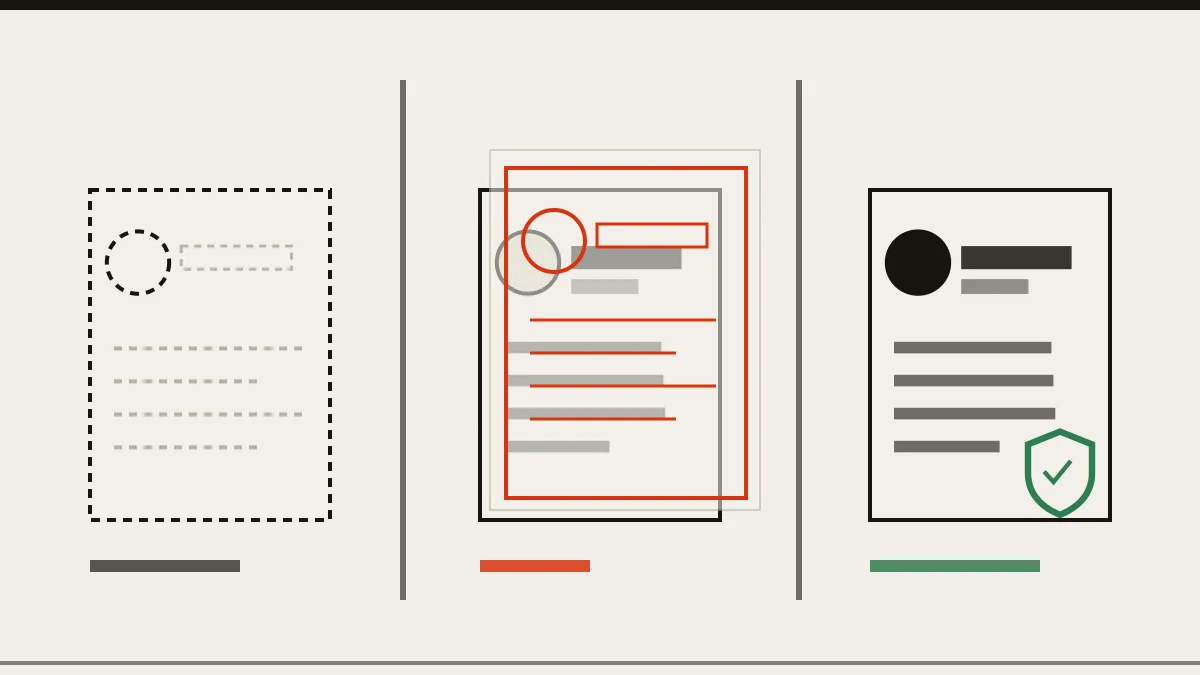
Before you file a Twitter report fake account complaint, decide which of three things you are looking at, because X treats them differently. Its Authenticity policy, dated April 2025, bans fake personas: manufactured identities used to deceive, often built from stock, stolen or AI-generated photos, copied bios and misleading profile details. It separately bans impersonation, meaning posing as a real person, group or organisation to deceive others. And it expressly allows anonymity. Users are not required to show their real identity, and parody, commentary and fan accounts are allowed when they are labelled as such (X Help Centre). The word carrying the weight in both prohibitions is deception. An anonymous account that insults you is a harassment case, not a fake-account case. An account using your photographs and name to message your clients is impersonation. A ring of stock-photo profiles pushing the same scam is a fake-persona case, and usually spam as well.
How to report fake Twitter account profiles, step by step
The in-app route works for anyone. Open the profile, select the ••• icon, choose Report, and answer the first question honestly: "Myself" if the account pretends to be you, someone else if it copies another person, everyone on X if it belongs to a scam ring. Then pick the option describing a fake or impersonating account, and select posts that show the deception, such as messages sent in your name or a bio copied word for word. People who search "twitter how to report fake account" or "how to report twitter fake account" are usually looking for exactly this path, and for most bystanders it is the only one available.
The impersonation form is the stronger route if the copy is of you or someone you act for (X impersonation form). When we read it in September 2026 it had three branches:
- Me: your email, the copy's username and links to its posts, with documents only needed for a trade name or pseudonym that is not on your ID.
- Someone I represent: the person's legal name and proof of authority, such as an agent's agreement or a power of attorney.
- My company, brand or organisation: a company email address, your relationship to the company, and a choice about whether the company wants the username.
Every branch opens with a government ID and selfie check run by Persona, which X says usually takes about five minutes, and Persona may keep the extracted data for up to 30 days. A bystander has no form at all. The page for that case says to report from the account's profile.
We have written up Twitter impersonation removal separately, including the label test that settles most parody disputes before anyone files. TikTok draws the same line between the person copied and everyone else when you try to get a fake TikTok account taken down.
How to get a fake Twitter account deleted, and what "deleted" will mean
People ask how to get a fake Twitter account deleted, and X's own wording is worth reading closely. Its impersonation help page says a reported account will "either be suspended or asked to update" its profile. Neither outcome is deletion, so even a successful Twitter fake account report ends in suspension at best. An impersonator told to update may relabel itself as parody and stay. A suspended impersonator stays suspended, visible as a notice rather than erased, and the username is not handed to you: X's help page says it generally does not accept individual requests for inactive or suspended usernames. Brands on Premium Business can raise username questions through its priority support, and a handle built on your registered trade mark has its own route under X's trademark policy.
For fake-persona rings the realistic aim is suspension of every linked account, not one. Report each profile, and in each report mention the others, so a reviewer can see the ring as a single operation.
When the copy is already messaging people in your name, the report is only half the job. Tell your contacts, clients or followers from your genuine account that a copy exists, give its handle, and ask them to report it rather than reply to it. Screenshot any message the copy sends to someone you know, with that person's permission, because those messages are the clearest evidence of intent to deceive. Do not message the impersonator. It rarely stops anything, and it hands them a screenshot of their own.
A blue tick is not evidence of identity
Many fake accounts buy a blue tick precisely because people still read it as proof. The European Commission fined X €120 million on 5 December 2025 in the first non-compliance decision under the Digital Services Act, finding among other things that the blue checkmark for "verified" accounts deceives users (European Commission). X is challenging the decision. For your report, the lesson is practical. A tick on an impersonating account is part of the deception, not a reason to hesitate, so say so in the description.
Twitter report bot: reporting a bot, or a bot that files reports?
The phrase "twitter report bot" is searched by two very different people. One wants to report an automated account: a spam bot flooding their replies, a crypto scam account, a network of accounts posting the same line. The other wants to buy a bot that files reports for them. The first is a normal report that X actively wants. The second is a product built on conduct X prohibits, and it is worth understanding why before anyone pays for it.
Reporting a spam or automated account
Spam is reported in the app, not through a form. X's authenticity form says reports about spam "cannot be created using this form" and sends you back to the app. From the account's profile, choose Report, answer that the report is for everyone on X unless the account is targeting you specifically, and describe the spam.
Automation itself is not banned. X allows automated accounts that follow its developer rules, and many are useful. What it prohibits is unauthorised automation, which its Authenticity policy lists as a form of inauthentic account. Its automation rules, updated in April 2026, forbid posting duplicate content across accounts, automated posting about trending topics, and misleading links (X Help Centre). A bot that replies to you with the same scam link from forty accounts breaks several of these at once. Say which ones in your report.
Instagram faces the same demand from the other direction, and our note on the Instagram spam report bot explains why its operators so often end up worse off than their targets.
How to tell a bot from a busy human before you report
Plenty of accounts that feel automated are simply people with too much time. The distinction matters, because a report that calls a human a bot invites a spam review of someone who is, in fact, harassing you, and the harassment rule is the stronger one. Before choosing the heading, look for signs that survive a second glance. Identical replies arriving under several of your posts within seconds point to automation. So does a posting rhythm that never sleeps, and a handle that ends in a long run of digits paired with a profile photo you can find elsewhere through a reverse image search. X's automation rules expect a legitimate automated account to be labelled as such and run by an identifiable owner, so an unlabelled account behaving mechanically is itself worth mentioning in the report.
One caution from our own files. A cluster of new accounts appearing the moment you block an old one is not necessarily automation. It is often one person, starting again. That is ban evasion under the Authenticity policy rather than spam, and it belongs in a report that names the earlier account.
What a Twitter spam report bot actually runs on
A Twitter spam report bot, as sold, is usually a script that drives a web browser across many logged-in accounts, farmed or stolen, pressing the same buttons each time. X's automation rules forbid "non-API-based forms of automation, such as scripting the X website" and warn that it may lead to permanent suspension. The Authenticity policy closes the other door by covering report misuse "whether manually or through the use of automation". The bot therefore burns the accounts it drives, and reports from accounts X later suspends as fake are unlikely to count for much. We took the pitch apart in more detail when we examined the X mass report bot.
Every platform has its version of this product, and each runs into a similar wall. YouTube caps flagging with a daily flag quota and a review queue. WhatsApp bots depend on unofficial WhatsApp clients on linked devices that put the buyer's number at risk. A Snapchat mass report bot has no public endpoint to call at all.
What is mass reporting on Twitter, and what happens to the account it targets?
What is mass reporting on Twitter? It is the practice of filing many reports against the same account or post, usually coordinated in a group chat or bought from a seller, in the hope that volume alone will trigger a restriction. X treats the practice itself as a rule break. Under the Engagement Spam heading of its Authenticity policy, it prohibits using report features or forms, manually or with automation, to submit duplicate or false reports in large numbers, including repeated reports on the same posts or accounts. It also prohibits coordinating or encouraging others to misuse reporting to harass people under false pretences, and using or promoting third-party services to do any of this. Manual reports made in good faith are expressly allowed (X Help Centre). The line is not between one report and many. It runs between honest reports about real violations and a campaign built to look like consensus.
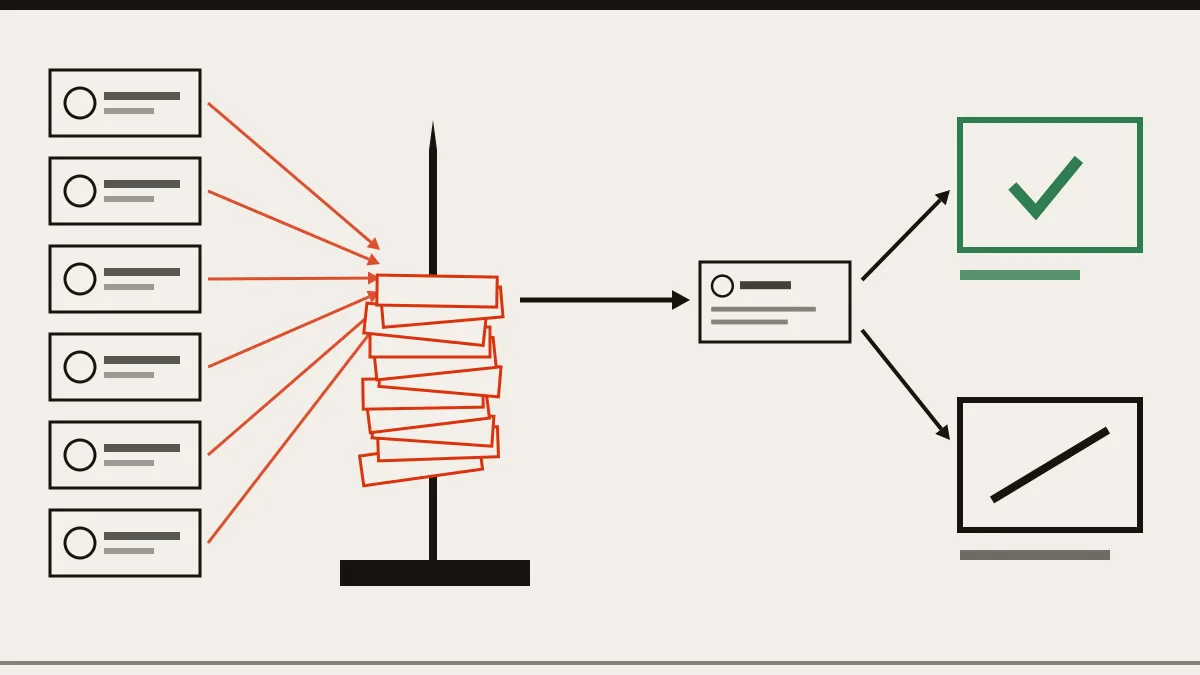
X's own EU figures show how narrow the report-driven channel really is. Its Digital Services Act transparency report for April to June 2025 counted 27,834,297 account suspensions across the EU. Only 104,301 of them followed a user report, every one decided manually, and 42,259 of those were for abuse and harassment (X DSA Transparency Report, October 2025). A report reaches a person, and the person checks the rule. A thousand reports that break nothing still break nothing.
EU law has its own answer to report flooding. Article 23 of the Digital Services Act requires platforms to suspend, after a prior warning, the processing of notices from people who frequently submit manifestly unfounded ones (EUR-Lex, Regulation (EU) 2022/2065). The same X report recorded no such suspensions in that quarter. In practice the consequences for Twitter mass reporting fall under X's own rules, on the accounts that did the reporting.
Is Twitter mass reporting a violation of the terms of service?
The search "twitter mass reporting violation terms of service" usually comes from one of two places: someone who has been hit by a wave and wants to know whether it was allowed, or someone who is about to join one. The rule is in the X Rules, not the Terms themselves. X's Terms of Service require you to comply with the User Agreement, including all applicable policies and rules, and the prohibition on report misuse sits in the Authenticity policy quoted above. The Terms do not mention reporting misuse directly. We checked the version in force and the version X has published to take effect on 9 October 2026, and neither changes that (X Terms of Service). Enforcement follows the Authenticity policy's scale, set by the severity of the violation and the account's history. So the answer to both askers is yes, it breaks the rules, and the accounts that take part carry the risk.
Twitter mass report group, tool and service: three names for one risk
A twitter mass report group is usually a Telegram or Discord channel where an organiser posts a link and members report it on cue. A twitter mass report tool is software that drives many logged-in accounts through the report flow. A twitter mass report service sells either one, priced by the report or by the target.
| Offer | How it works | Who X can act against |
|---|---|---|
| Report group | Members file the same report on cue | Each member's account |
| Report tool | A script drives many accounts | Every account it drives |
| Report service | You pay someone to run either | Those accounts, and the buyer |
The buyer appears in the last row because the Authenticity policy names the use of third-party services for report misuse, and because organising a campaign is itself prohibited. The pattern repeats on every platform. Ask whether does mass reporting work on TikTok and the answer follows the same logic. The same goes for an Instagram mass report bot on GitHub, a Telegram mass report panel or a Facebook mass report tool. The tooling changes, and the review behind it does not.
If you are the target and friends offer to "all report it", the kinder answer is usually no. A friend who has read the posts and believes they break a rule can report them in good faith, like anyone else. What crosses the line is a round of reports filed on instructions, by people who never looked at the content, with a link and a script posted in a group chat. That is the coordination the policy describes, and it can turn a strong case into a muddled one, because it puts accounts on your side in breach of the rules too.
Twitter mass reported: what to do if the wave hit your account
Being mass reported does not by itself get an account suspended, but a wave can land at the same moment as a genuine mistake, or bring an old post back to a reviewer's attention. If your account was restricted after one:
- Do not open a new account to get round the restriction. X treats that as ban evasion, and it will cost you the appeal.
- Appeal through X's form for locked and suspended accounts, and say plainly that a coordinated reporting campaign preceded the restriction.
- If you are in the EU, you can use X's internal appeal or a certified out-of-court dispute settlement body. X says it will engage with such a body, though it is not bound by the decision (X Help Centre).
- If you are in the UK and the decision concerned illegal content, X's Online Safety Act appeal form applies.
- Capture the posts that organised the campaign, and report the organiser for incitement of harassment.
- If the campaign accuses you of something false in public, that is a defamation question as well as a platform one.
Facing a pile-on, a false-report campaign or an account that exists to target you? Our team reviews X cases in confidence before any fee is discussed, and tells you plainly which route fits, including when the honest answer is a report you can file yourself. Start a confidential review.
Twitter takedown request: when a report is the wrong tool
A Twitter takedown request asks X to act under a law rather than under its own rules. The in-app report asks whether a post breaks the X Rules. A takedown request asks whether it breaks the law where you live, or infringes a right you hold, and it travels through a web form with room for a written explanation. That matters for content X's rules allow but the law does not: a defamatory claim about your business, private information published in breach of UK law, an intimate image, a copied photograph. Each route has its own eligible filer, its own form and its own legal duty on X's side, and a filing sent down the wrong one tends to stall without anyone telling you why. The Twitter takedown most people need is one of the four below, and choosing correctly is most of the work.
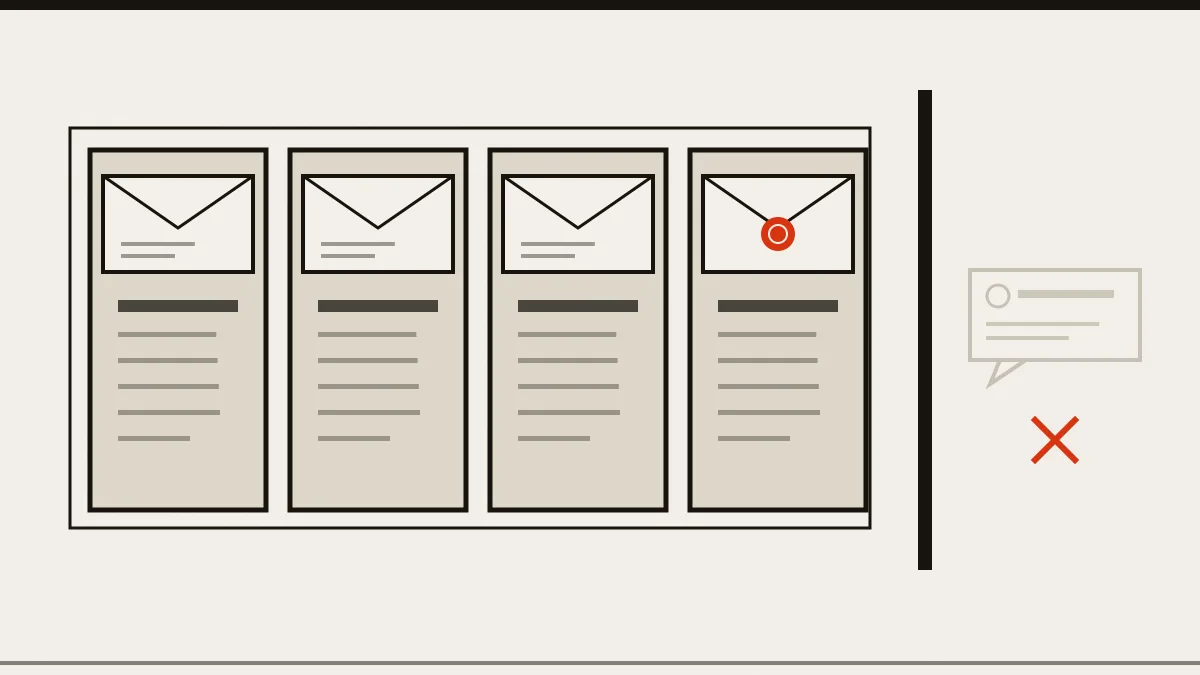
These are the four routes as we found them on 26 September 2026:
- EU illegal content goes through X's European Union Reporting form, whose menu covers reporting illegal content in the EU, appealing a content decision, information about out-of-court settlement, and complaints under Ireland's Online Safety Code (X EU reporting form). Article 16 of the Digital Services Act sets what a valid notice contains: a reasoned explanation of why the content is illegal, its exact address, your name and email, and a statement of good faith.
- UK illegal content goes through X's Online Safety Act report form. X's UK page lists the categories of illegal content it restricts in the UK, including harassment, stalking, threats and abuse, false communications, intimate image abuse and cyberflashing (X UK online safety page). It also states that "X does not disclose information about the person who submitted the complaint."
- US intimate images go through X's Take It Down Act form, covered below.
- Copyright and trade marks go through X's intellectual property forms. These are the fastest routes and the least private ones, because the filer's details travel to the account reported.
Two further routes sit outside the forms. X withholds content in a single country when it receives a valid and properly scoped request from an authorised entity there, which is how court orders usually reach it. Police and other authorities use X's separate legal request site, not the help centre.
What the EU and UK forms give you that a report does not
The legal forms carry rights the in-app report lacks. In the EU, X's own page says you can appeal its decision on "whether or not" to remove or restrict content, which means a reporter whose notice was refused can challenge the refusal, not only a user whose post was removed. After the internal appeal, a certified out-of-court dispute settlement body can review the case. X engages with those bodies but is not bound by what they decide, and the courts remain open throughout.
In the UK, X's Online Safety Act pages give a separate appeal form for illegal-content decisions and a complaints route for failures in X's own compliance with the Act. Ofcom does not take individual takedown requests. It regulates the systems behind them, and it opened a formal investigation into X on 12 January 2026 over sexualised images generated with Grok (The Register, 12 January 2026). We had not seen a final decision published by the time of writing.
Writing the notice so a reviewer can act on it
A legal notice is read by someone who knows nothing about you and has a queue behind your file. Write for that reader. Identify each post by its full address, not a description, and quote the exact words you object to. Name the law you rely on, in one line, and explain in a short paragraph why the content breaks it: why a statement is false and damaging, why a photograph is yours, why a post puts you at risk. Say what you are asking for, whether that is removal everywhere or withholding in the UK or the EU. Leave out threats, adjectives and the history of the dispute. A reviewer who has to dig for the point will often decide there isn't one.
Keep a copy of everything you submit, with the date and the confirmation, and note the reference X gives you. If the notice is refused, that copy becomes the core of the appeal, and if the matter ever reaches a solicitor or a court it shows you asked X to act before you escalated.
A written notice works the same way elsewhere. LinkedIn defamation removal, for instance, succeeds or fails on how precisely the notice identifies the false statement and the harm it does.
The Take It Down Act form for intimate images
X's safety forms now include a US Take It Down Act report. It asks whether the image or video shows you without permission, or someone else for whom you are the authorised representative. There is no bystander option. Since 19 May 2026, covered platforms must remove an intimate image within 48 hours of a valid request and make reasonable efforts to remove identical copies, and the Federal Trade Commission is enforcing that duty. It takes complaints about platforms that fail to act at TakeItDown.ftc.gov (FTC, May 2026).
Before any form, create a hash of the images on your own device through StopNCII. The images never leave your phone, and participating platforms block matches. We triage intimate-image cases free and urgently, and we never ask to see the material.
Copyright, trade marks and court orders
Copyright is the instrument people reach for first, and for good reason when the content is genuinely theirs. It is also the instrument most often misused, and a false notice exposes the sender to a claim. It is the least private route too, because the filer's details travel to the account reported. Across platforms the mechanics differ in useful ways: a Telegram DMCA takedown runs through an email address rather than a form, and when you get a YouTube video taken down the harder job is keeping it down.
Court orders are slower and dearer, and they are also the one instrument X cannot simply decline under its own rules. An injunction under the Protection from Harassment Act, or a judgment in a defamation claim, can support a request that X withhold content in the UK. For a campaign that reports cannot reach, that is often where a case ends up.
How do you get someone's Twitter account deleted?
The honest answer to "how to get someones Twitter account deleted" is that only one person can delete an X account, and it is the person who owns it. Deactivation starts a 30-day window, and if the owner does not log back in during that window the account is permanently deleted and the username released (X Help Centre). Everything anyone else can trigger produces a different state. A report can lead to suspension, which leaves the account in place behind a notice, and X's help pages add that a suspended account must win an appeal before its owner can even deactivate it. A family member or an estate can ask X to deactivate the account of someone who has died, and a person holding a power of attorney can do the same for someone incapacitated. X can also remove accounts for prolonged inactivity on its own initiative. None of these doors opens because of the number of reports piled against it.
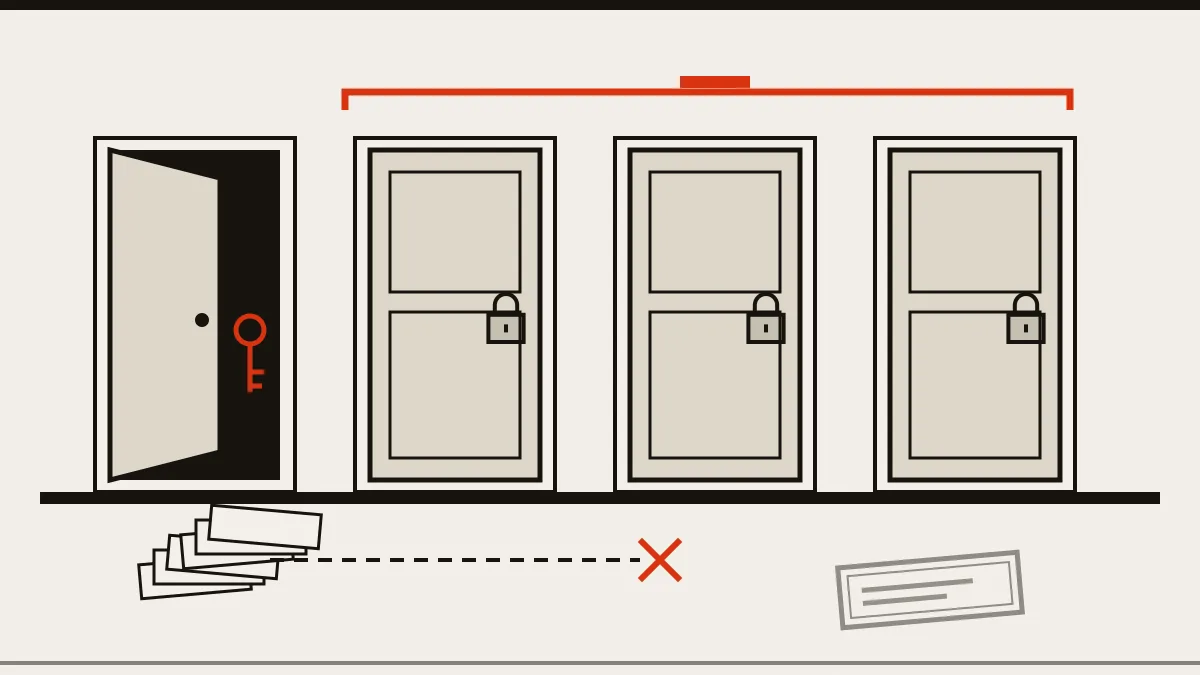
| State | What others see | Who can cause it |
|---|---|---|
| Deactivated | Profile gone, deleted after 30 days | The owner only |
| Suspended | A suspension notice | X, after review |
| Removed after death | Profile gone | X, on a family or estate request |
| Removed for inactivity | Profile gone | X, at its discretion |
The death and incapacity routes are narrow on purpose. X will work with a person authorised to act for the estate or a verified immediate family member, and after the request it emails for details of the deceased, a copy of the requester's ID and a copy of the death certificate (X Help Centre). For an incapacitated user it asks for both people's ID and the power of attorney. X states that these checks exist to prevent false and unauthorised reports, and it never gives account access to anyone, whatever their relationship.
Inactivity is the door people least expect. X asks users to log in at least every 30 days and says accounts may be permanently removed after prolonged inactivity, judged by logins that the public cannot see (X Help Centre). Its Terms also reserve the right to suspend or terminate accounts for prolonged inactivity, legal risk or commercial reasons. None of this can be requested. An abandoned impersonation account may simply age out, but X will not release the username to you on request unless your registered trade mark is involved.
The report that asks about the owner, not the content
There is one more route that concerns the person behind the account rather than anything they posted. X requires account holders to be at least 13, and its safety forms carry a separate option for reporting an underage user. It is the right route when a child is running an account, including a child being drawn into a group that is harassing someone else. It is not a way to remove an adult's account by guessing at their age, and an age report without some basis for it wastes a reviewer's time and yours.
For everyone else, the practical point is that "deleted" is rarely the realistic goal. A suspended account stops posting, stops messaging and stops appearing in replies, which is usually what the person asking actually needs. The notice left behind is ugly, but it harms no one. Aim for the state that ends the harm, and leave deletion to the owner.
Other platforms draw these lines in slightly different places. You cannot get someone's Snapchat deleted by asking either. Meta's rules on deleting a Facebook account, yours or theirs include a memorialisation step that X does not have.
Twitter post removal service or X account ban service: what can lawfully be sold?
A Twitter post removal service and an X account ban service sound similar and are opposites. The first prepares and files the correct report, notice or legal letter for you, under the rule or law that actually applies, and tells you when none does. The second sells an outcome, typically "this account banned within days", and delivers it, when it delivers anything, through mass reports, bot runs, or a con in which an account is reported, restored and then "banned" again for a second fee. X's Authenticity policy names the use of third-party services to misuse reporting as engagement spam, so the buyer's own account is exposed along with the money. A lawful service can promise work, candour and a filing under the correct rule. It cannot promise the result, because only X decides, and anyone who says otherwise is selling the very thing X prohibits.
We have looked at what a Twitter ban service actually delivers, and the same market exists on every platform. An Instagram ban service sells the same three products under a different logo, and how much it costs to get a TikTok account banned turns out to be the wrong question, since the fee buys a report and not an outcome. Buying also creates exposure, and who carries the legal risk when you buy a ban is set out in our Facebook briefing.
Five questions to ask any removal service
- Which rule or law will you file under, and why that one?
- Who is the filer, you or me, and what identifying details reach the account reported?
- What happens if X says no, and what does the next step cost?
- Will you ask for my password or login? The answer must be no.
- How are you paid, and is any of it refundable if nothing is filed?
A service that cannot answer the first question in a sentence is not going to file anything worth reading.
Red flags in a ban-service pitch
The sellers change their names often, but the pitch barely changes. A guaranteed ban within a fixed number of hours is the first warning sign, because nobody outside X controls the outcome. So is "ban proof" in the form of screenshots, which show only that some account somewhere displays a notice. A notice saying an account is suspended, a page saying it does not exist, and a message saying it is withheld in one country are three different states with three different causes, and none of them proves the seller did anything. Payment in cryptocurrency only, contact through a Telegram handle only, and a request for your own X login "to file from a trusted account" complete the set. The last one is the most dangerous. A seller holding your login can do anything they like with your account, including using it for the next customer's campaign.
What we will not do, and what cannot come down
Some content cannot be removed by any lawful route. Truthful reporting, genuine public records and honestly held opinion stay up. Where they rank on your name, the only lawful response is suppression, which means improving what appears around them in search, and we say so at the start rather than after an invoice. We never forge or bluff a notice. A false copyright claim is made under penalty of perjury and exposes the sender to a damages claim, and a threatened lawsuit nobody intends to bring tends to end up screenshotted and shared, which draws more attention to the very content you wanted gone. We never ask for passwords, never buy or run mass reports, and never demand upfront payment in cryptocurrency. Every case starts with a confidential review. Our disclaimer sets out these limits, and our terms explain why we decline cases that depend on false or coordinated reports.
What happens after you report a Twitter account?
After you report a Twitter account, X confirms receipt, though the confirmation can take up to 24 hours to appear. The posts you reported are replaced on your screen with a notice saying you reported them, and you can click through if you want to see them again. X contacts you if it needs more information or when it takes action. Separately, you may get an in-app notice that X acted on an account you recently reported, which X says "may or may not be related" to your report. Outcomes run from a warning to permanent suspension, and for abuse and harassment most of them limit visibility or require a post to be deleted rather than removing the account. The account is not told who reported it; X's UK page states the point in writing, and X releases account information only under valid legal process. Silence after a report is not unusual, and it is not a verdict. It means you should check the file, not refile the same posts.
What the person you reported sees
The account you reported learns nothing from X about you. If X takes action, it tells the account holder which rule was broken and how to appeal, and X's UK page says the same about illegal-content decisions. For a post X requires to be deleted, the account stays locked until the holder removes it, and a notice about the removal stays visible on their profile for a period afterwards. What X cannot prevent is the obvious inference. Someone who has been attacking one person all week, and then loses a post naming that person, can work out where the report came from. Plan for that before you file, not after: tighten who can reply and message you, and keep capturing, because a retaliation wave is new evidence.
If X finds no violation
Do not file the same report again. Repeating an identical report adds nothing, and filed often enough it edges towards the duplicate reporting X prohibits. Look instead at what the reviewer saw. A new report with better posts attached, or with the correct heading, is a new case rather than a duplicate. In the EU, the refusal itself can be appealed. In the UK, the Online Safety Act appeal form covers illegal-content decisions. Beyond that, a legal route or a lawful search-suppression plan may be the proportionate next step.
Every platform has its version of this second stage. On Instagram it is the escalation layer when a report is rejected, and on WhatsApp it is WhatsApp's block, report and appeal chain.
When reporting has done all it can
There comes a point where another report is the wrong tool, and knowing it saves weeks. If the posts have been reviewed under the right rule with the right evidence and X has said no, the content is probably lawful under X's rules, whatever you think of it. The remaining questions are legal ones: is it defamatory, is it harassment in law, does it breach privacy, do you own it? Those are answered by notices, letters and, occasionally, courts. Some of it may be answered by nothing at all. A post that is unkind, unfair and lawful stays up, and the most useful thing left may be to limit who can reach you, stop reading the account, and let search results about you fill with better material over time. YouTube is the clearest illustration of the general principle, because there strikes, not reports, terminate a channel.
Where Obscura fits in an X abuse case
Most of what this briefing describes you can do yourself, and we would rather you did it well than paid us to do it for you. Where we help is in the parts that go wrong under pressure: choosing the rule, building a file a reviewer can follow, working out whether a legal notice will succeed, and judging when to stop. When clients report through X, they file from their own accounts. When a legal notice is needed, we tell the client beforehand in whose name it goes and exactly what the other side will see.
A first review is short and practical. We read the links you send, tell you which rule or law each piece of content falls under, and say plainly which parts you can handle yourself today, which need a written notice, and which cannot come down at all. If the honest answer is a single report filed properly from your own account, that is the answer you get. Where the case is larger, a campaign across many accounts or a false claim spreading beyond X, we set out the route, the likely timescale and the cost before anything is filed.
We ask for links and screenshots, never logins, and we handle what you send us as set out in our privacy notice. The people who review your case are listed on our about page. If an account on X is aimed at you, contact us for a confidential review. More platform briefings are in the Obscura briefings index.