What does a Twitter DMCA notice actually cover?
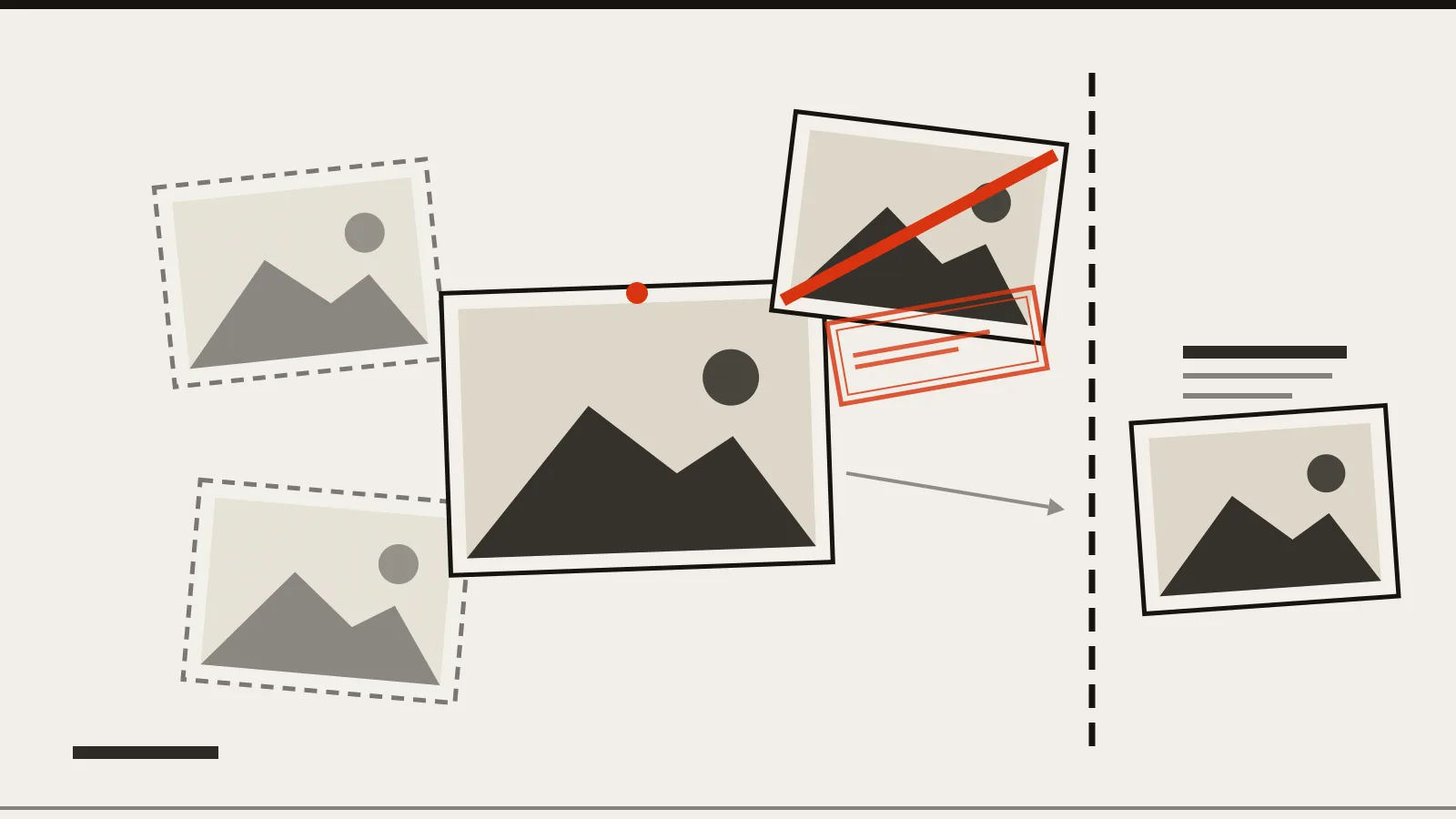
A Twitter DMCA notice is a formal copyright complaint made under section 512 of the US Digital Millennium Copyright Act, filed with X through its intellectual property form. X's own copyright policy names three kinds of complaint it responds to: an unauthorised copyrighted image used as a profile or header photo, a copyrighted video or image uploaded through X's media hosting, and posts containing links to allegedly infringing material. That list is the whole territory. The copyright infringement Twitter acts on sits inside those three boxes, and the policy says so plainly: concerns about a brand name belong to the trademark policy, and parody, commentary and fan accounts are "generally not copyright issues". Both the copyright and the trademark pages were last revised on 28 September 2026, according to the page data we read on 2 October 2026.
Ownership comes first. The person who made the work holds the copyright, which for a photograph means whoever took it, not whoever is in it.
X spells that out in its own policy note. So a stranger's photo of you, reposted to mock you, is not yours to claim; it belongs in a privacy or harassment report. The notice also removes items, not people. If the goal is the account itself, our guide on how to get a Twitter account taken down sets out which reports reach an account, and the rules on how to get someone banned from Twitter explain what only X decides. For the statute itself and how a notice travels between platforms, hosts and CDNs, see our DMCA takedown notice guide, platform by platform.
Which copies of your work can the notice reach?
X creates more kinds of copy than most platforms, and they are not equal in law. A re-upload is a new file on X's servers. A repost is a pointer to your original. An embed on a news site never leaves X's servers at all. Each needs a different answer, and filing against the wrong one wastes the ticket.
| The copy you found | Can a Twitter DMCA notice reach it? | What to name in the notice |
|---|---|---|
| Your photo or video re-uploaded in someone's post | Yes, it is media hosted on X | The direct link to each post |
| Your image as their avatar or header | Yes, one of X's three named types | The username plus "avatar" or "header" |
| A post linking to a pirated copy elsewhere | Yes, the link post itself | The post link; file against the host as well |
| A repost of your own post | No; you licensed X to show it | Nothing; delete your original if you want it gone |
| A quote post showing your post as a card | Rarely; the card is your post, their text is theirs | Only if they attached a fresh copy of your media |
| A screenshot of your post | Sometimes; short text and commentary are weak claims | The post link, after a fair use check |
| Your post embedded on another website | No, the file stays on X | Nothing at X; the site is not copying it |
| A photo of you taken by someone else | No, the photographer owns it | Use a privacy or harassment report |
| Your brand name or logo on an account | No, this is trademark | The trademark form and the username |
The repost row surprises people most. X's Terms of Service, effective 9 October 2026, say you keep ownership of what you post but grant X a licence "to make your Content available to the rest of the world and to let others do the same", including for training its AI models. Reposting and quoting are the features that licence covers. Embeds follow the server test, which the Ninth Circuit reaffirmed in McGucken v. Valnet on 19 December 2024; the Supreme Court declined to hear the appeal on 28 April 2025. A site that embeds your post shows a file still sitting on X, so in that circuit it has made no copy.
Links are different. When a post points to a stolen file on another service, report the post on X and the file where it lives. A clip hosted on YouTube needs a YouTube takedown notice, a TikTok upload needs the steps in how to get a TikTok video taken down, and a leak sitting in a channel needs a Telegram DMCA takedown. Removing only the link leaves the file online for the next post that shares it. If one post has spawned dozens of copies, our note on one post ID and its copies explains how to list them.
How to file a DMCA takedown on Twitter, field by field
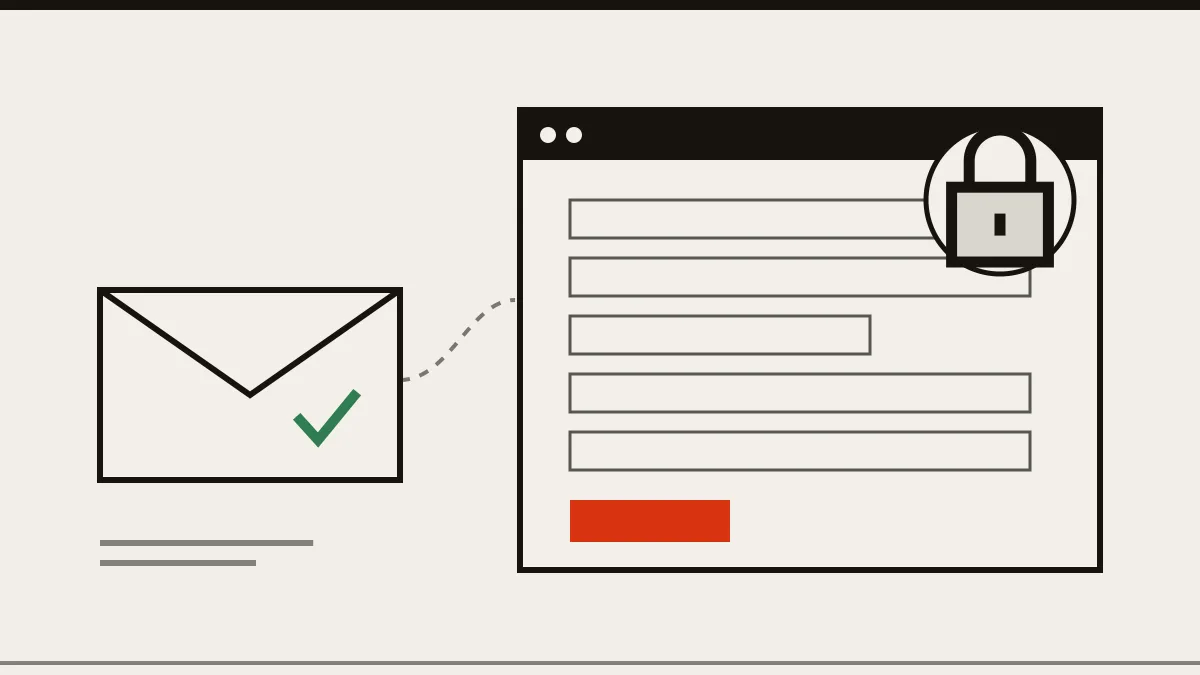
There is no copyright option among the ordinary report buttons on a post, whatever people searching for twitter report copyright infringement expect. Knowing how to report copyright infringement on Twitter starts with X's intellectual property form, which offers five branches: trademark, counterfeit goods, copyright, a counter-notice, and a DMCA retraction. Pick "I need to report possible copyright infringement". The form then asks who is affected, with three answers: the copyright owner, an authorised representative of the owner, or "None of the above". The third answer ends the process, because X "only handles requests that are submitted by the copyright owner or an authorized representative".
The owner branch opened, when we tested it on 2 October 2026, onto one line: "This form requires a X account." You must be signed in, and the email on that account is where every update goes. A photographer with no X account has two lawful options: open one, or have an authorised agent file. With that settled, a valid Twitter DMCA takedown request needs these parts.
- The original. A link to your work, or a clear description if it is offline.
- Each copy, by post link. X's policy says, in capitals, that a link to a profile page is not enough. For an avatar or header, give the username and say which.
- Your contact details. Full name, postal address, phone number and email.
- The good-faith statement. You believe the use is not authorised by you, your agent or the law.
- The accuracy statement. Made under penalty of perjury, confirming you own the work or may act for the owner.
- A signature. Typing your full name counts.
X processes complaints in the order they arrive and emails a ticket confirmation. No email means no complaint; X tells you to submit again. Filing the same complaint twice, by contrast, slows it down. Owners elsewhere meet their own versions of this gate, and our guides to a Facebook takedown request, a Snapchat takedown request and LinkedIn impersonation removal set out who may sign on those platforms.
Is there a Twitter DMCA email address?
For filing, no. The only DMCA notice Twitter takes from an owner arrives through the signed-in web form. The address copyright@twitter.com still appears in the current policy, but only as the place a reporter can send a retraction, with the disabled material identified and a statement that they want to withdraw. People searching for a Twitter DMCA email usually want a shortcut past the login. There isn't one, and the US Copyright Office's DMCA designated agent directory lists who receives notices in law, not a second intake desk.
The email question matters more in reverse. Scammers send copyright warnings to X users. On 17 November 2025 Malwarebytes described messages claiming a DMCA notice had been received about the account, threatening restrictions within 24 hours, with a "Review Details" button that led to a fake X sign-in page. A real complaint reaches the email linked to your account, includes a copy of the notice and counter-notice instructions, and never needs your password. The same scam economy sells Instagram spam report bots, the WhatsApp mass report tool and the Telegram mass report panel, and the playbook is identical: urgency, a button, and a request for credentials or crypto.
Who sees your name after a Twitter copyright report?
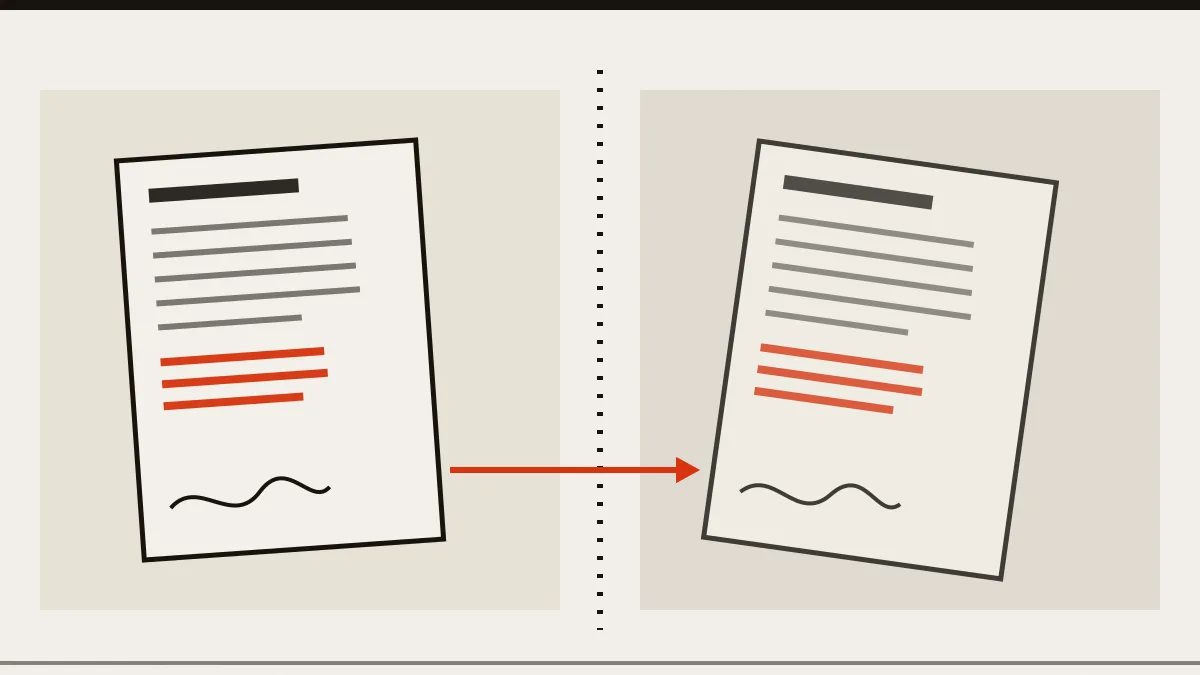
The poster does, in full. When X removes or disables content after a Twitter report for copyright, it forwards a complete copy of the notice to the account holder, including your full name, email, street address and anything else you wrote. X's policy suggests appointing an agent if that worries you; the agent files with its own valid contact details and names you as the owner it represents. The trademark side is softer, and the counter-notice runs the other way.
| Copyright notice | Trademark report | Counter-notice | |
|---|---|---|---|
| Who may file | Owner or authorised representative | Holder, employee or authorised representative | The person whose post was removed |
| Signed in to X? | Required | Not required when we checked | Through the web form |
| What the other side receives | The full notice with your contact details | Your name and report details; the form says contact details are withheld | Their full name, address and phone, sent to you |
| Sworn statement | Penalty of perjury | Penalty of perjury | Penalty of perjury, plus consent to a court |
| Shared with Lumen? | Not since 15 April 2023 | Not since April 2023 | Not since April 2023 |
The Lumen row corrects many older guides. Twitter stopped sharing takedown notices with the Lumen database on 15 April 2023, MediaNama reported, and the current policy does not mention Lumen at all. Your notice is private between you, X and the poster, and the poster can share it anywhere.
Readers arriving from guides on how to get someone banned on Instagram often assume reporting is anonymous. A copyright notice is the opposite. When we file these for clients, we write the cover note expecting the poster to read every word, because they will; if the same person runs copies on Meta's apps too, the routes to take down an Instagram account differ again.
Not sure the work is yours to claim, or worried about your address reaching the poster? Send us the post links and a line about who created the work. Our team reviews it confidentially before any charge and tells you which route applies, including when the honest answer is none. Start a confidential review.
What happens after X acts on the notice?
A DMCA takedown Twitter carries out is a restriction, not a deletion. If the notice is complete and valid, X withholds the material and labels the post or media, so viewers see that something was taken down rather than a blank space. The poster gets your notice and instructions. Two details in X's policy trip people up. Deleting the rest of a partly withheld post does not clear the complaint. Re-posting the removed material can bring permanent suspension.
| Stage | Who acts | Clock |
|---|---|---|
| Ticket confirmation | X emails you | Soon after filing; none means resubmit |
| Review | X, in order of arrival | Not published; duplicates slow it |
| Material withheld, notice forwarded | X, to the poster | When the review succeeds |
| Counter-notice | The poster, sworn | No deadline in the policy |
| Your decision to sue | You | 10 business days after X forwards the counter-notice |
| Restoration | X | After those 10 business days, if no court action is notified |
| Retraction | Only you, the original reporter | By form, or by email to copyright@twitter.com |
The counter-notice is where the process turns legal. A poster outside the United States must consent to "any judicial district in which X may be found" and accept service from you. If X does not hear within 10 business days that you are seeking a court order, it may restore the post. That is §512(g) at work: X steps back and leaves the two of you to a court.
Suspension follows its own logic. X's Repeat Infringer Policy looks at multiple complaints or a pattern, and it subtracts valid retractions and counter-notices. X publishes no strike number. YouTube does, and our YouTube channel takedown guide shows how its three strikes work. Volume of reports counts for nothing on either platform. Mass reporting a Twitter account through the copyright form only creates duplicates, which X says delay processing, the same dead end a TikTok mass report bot or a YouTube mass report tool runs into.
How to report trademark infringement on Twitter
A Twitter trademark report protects a registered mark, not a name you happen to use. People who type "twitter report trademark infringement" into a search bar are usually a brand facing a lookalike account. X's trademark policy treats a violation as using someone's mark in a way that may mislead people about affiliation. It lists two things that are not violations: use outside the scope of the registration, such as a different territory or a different class of goods and services, and nominative or fair use. A fan page that names your product to review it is the second kind.
The trademark owner's branch of the form asks for more than the copyright form does. It wants your job title, an official company email (its example, a relic, is person@twitter.com) and, where applicable, a government photo ID. It also wants the username of the account being reported, the holder's name, address, country and website, and the exact registered mark. Then come the registration number, the goods and services class (Classes 1 to 45, or Other) and the registration office, such as the USPTO or, for a UK owner, the UK Intellectual Property Office. The form states that "a federal or international trademark registration number is required" and that "pending trademark applications are not sufficient". If your mark is still at the application stage, a Twitter trademark infringement report will stall, and an impersonation or deceptive-identity report may fit better.
Can a trademark report take back a Twitter username?
Not by any route the policy promises. The search "trademark violation report twitter username" usually means one thing: a brand wants a handle back. The current trademark policy, whose overview is dated April 2023, lists outcomes that are all about the offending account. X may suspend it, may give the holder a chance to comply, or may suspend permanently on first review. It does not promise to transfer the username to you. X's help pages also say inactive usernames are not released. A successful report can stop the confusion. Getting the handle is a separate negotiation.
When is a Twitter DMCA notice the wrong tool?
When the post is true, critical or simply unwelcome. Any DMCA Twitter takedown has to rest on a work you own and an unauthorised copy of it. Under 17 U.S.C. §512(f), anyone who knowingly and materially misrepresents that something infringes is liable for the damages, costs and lawyers' fees that follow, and X repeats that warning twice in its policy. Using a notice to bury a bad review, a news article or a thread about you is the classic misuse, and the counter-notice hands the poster your name, which tends to make the story bigger.
We will not file a notice for content our client does not own, and we never invent a copyright angle to remove criticism. Truthful reporting, public records and honest opinion cannot be removed through X's copyright process at all. At most they can be pushed down in search results, and our disclaimer sets out those limits in full. Defamation, privacy and harassment each have their own route.
Much of the demand we see is really for a ban. Those searches lead to Instagram ban services, to guides on getting someone banned on TikTok, and to promises about how to get someone banned on Snapchat. People in the same mood ask how to get someone permanently banned from Facebook or how to ban someone from WhatsApp. We have taken apart the tools behind that market, from the Instagram mass report bot on GitHub to the Facebook mass report bot and the Snapchat mass report tool. None of them can sign a sworn notice for you, and a notice is the only thing X's copyright desk reads.
What changes for a UK owner filing under US law?
Very little on the form, quite a lot in what follows. The DMCA is American legislation, but X accepts notices from owners anywhere, and a UK photographer files exactly as a US one would. The differences show up after the counter-notice. Restoring the post or not depends on whether you start proceedings, and your realistic court is not necessarily American. Infringement is defined at home by the Copyright, Designs and Patents Act 1988, s.16, and the Intellectual Property Enterprise Court runs a small claims track for copyright and trade mark claims worth up to £10,000.
Jurisdiction also shifted this autumn. X's terms that took effect on 9 October 2026 send disputes with X to Texas courts under Texas law unless you receive the service in the European Union, an EFTA state or the United Kingdom. That clause governs disputes between you and X, not the copyright claim between you and the poster. For a UK client, the practical answer is usually a valid notice first and a solicitor's letter only if a counter-notice arrives.
Should you pay for a Twitter DMCA removal service?
Pay for one when you need an agent, not a miracle. A lawful Twitter DMCA removal service files through the "authorized representative" branch, keeps your home address off the copy the poster receives, logs each Twitter copyright infringement report, chases the ones X never confirms and handles the 10-business-day decision if a counter-notice lands. That is real work for a photographer with 60 copies across a dozen accounts.
It cannot make a work yours. X's form has no path for third parties, and an agent who files without your authority is the one exposed under §512(f). Watch for sellers who promise an account ban, ask for your X password or want payment only in crypto. Those patterns belong to Twitter ban services, not to takedown agents, and we have priced the same pitch as a TikTok takedown service, a Facebook page takedown service and a WhatsApp takedown service. If the real problem is a clone using your photos to pose as you, start with fake Twitter account removal, which runs on X's impersonation policy rather than copyright.