What decides which report form you need?
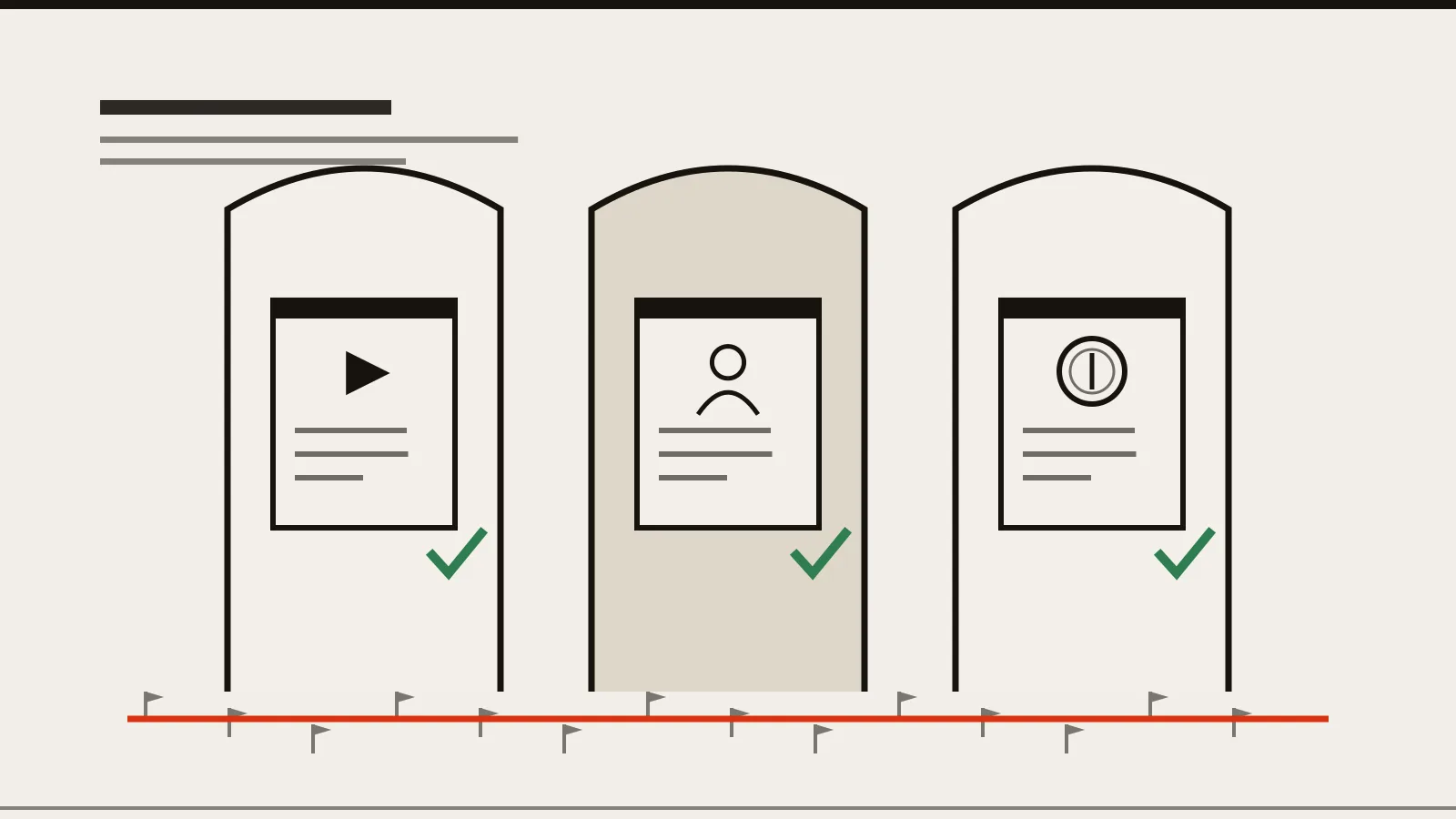
Start with what was taken, not with the platform. Almost every report we file fits one of three losses: someone took your work, someone took your name, or someone took your money. Each loss opens a different door, and each door has its own gatekeeper, its own evidence test and its own idea of who is allowed to knock. A copyright notice can only come from the owner of the work or someone they authorise. An impersonation report has to come from the person or brand being copied, or a representative. A scam report is strongest from the person who paid. Mix them up and a perfectly good complaint gets closed as "no violation", because the reviewer was checking a different rule from the one you meant. That is the whole logic of this briefing. The YouTube copyright takedown form, App Store impersonation removal and a Craigslist scam ad takedown look like three unrelated chores, but they are the same decision made three times.
| What was taken | The door | Who may file |
|---|---|---|
| Your work: a video, photo, track, artwork or code | A copyright notice (DMCA-style form) | The owner, or an agent they authorise |
| Your name, face, logo or brand | An impersonation or trademark report | The person or brand copied, or a representative |
| Your money | A scam report to the platform, then your bank and the police | The person who paid |
Notice what is missing from that table. Volume. Nobody's door opens wider because fifty strangers knocked (Craigslist's free ads are the one odd exception, covered below). The same answer sits underneath our guides on how to get someone banned on Instagram and how to get someone banned on TikTok: a reviewer reads one report against one rule, and a pile of duplicates mostly adds noise.
The rest of this page walks the doors one platform at a time, as of October 2026. Copyright first, because it is the route with the most paperwork and the sharpest teeth.
How does the YouTube copyright takedown form work?
The YouTube copyright takedown form is a webform inside YouTube Studio, so you need to be signed in to a Google account before you can open it. The old address, youtube.com/copyright_complaint_form, now redirects straight into Studio's copyright section; we checked the redirect on 7 October 2026. YouTube's own copyright removal help page says copyright owners should submit the request themselves, or have an authorised representative such as a lawyer do it. It also warns that misuse of the process "may result in the termination of your account or other legal consequences". Two details surprise people. First, once a video comes down, the claimant's name is shown on YouTube in place of the video. Second, the uploader can ask for a copy of your request, which includes your full legal name and primary email. If either of those is a problem for your safety, a representative should file instead.
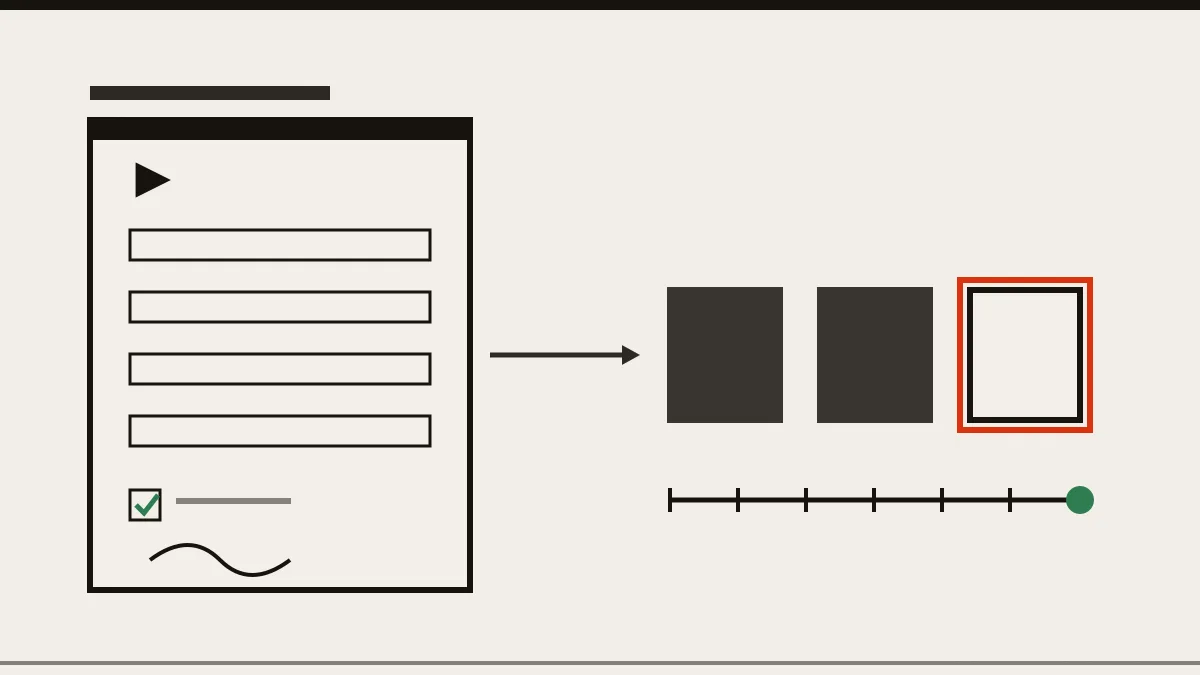
The form asks for the same elements as any DMCA takedown request form: the work you own, the URL of each infringing video, your contact details, two sworn statements and a signature. It then offers a choice most filers skip past. A scheduled request gives the uploader seven days to remove the video themselves and avoid a copyright strike. An immediate request does not.
Strikes are where the form gets its teeth. Each removed video can carry one strike, and three strikes inside 90 days terminate the channel. That is why our guide to how to get a YouTube channel taken down spends more time on strikes than on reports. Each strike expires after 90 days, and a claimant can withdraw a removal later in Studio, but YouTube will not accept a retraction of only the strike while the removal stands.
The numbers explain the gatekeeping. In 2025 the public webform produced 2,969,817 removal actions, just 0.12% of YouTube's copyright actions; Content ID automation produced 99.48% (YouTube Copyright Transparency Report, 2025). Of webform requests, 85.81% ended in removal, 6.44% were judged abusive and 6.65% invalid, and over 9% drew a counter notification. In other words, roughly one filing in sixteen was treated as an attempt to misuse the form, which is why a sloppy claim can cost the claimant more than the uploader. The public figures are on Google's transparency report.
A practitioner note from our own desk. When we file a YouTube takedown request for a client, the platform is rarely the weak point. The claim is. The most common problem is ownership: a photographer, not the person in the photo, usually owns the image, and a clip filmed by a friend belongs to the friend. The second is fair use, where a short excerpt inside commentary may well survive a counter notification. We check both before anything is signed, because the form's statements are made under penalty of perjury. For a full walk-through of a YouTube take down request and keeping the copy down, that guide goes field by field. And if you were hoping a crowd of flags would do the same job, read does mass reporting work on YouTube first.
Not everything on YouTube is a copyright matter. A channel using your brand name goes to YouTube's separate trademark complaint form, which YouTube forwards to the uploader before acting. A video showing you without consent goes through the privacy complaint process, which requires that you are uniquely identifiable in the content.
App Store impersonation removal: Apple, Google Play and the Chrome Web Store
App Store impersonation removal is a forwarding exercise more often than a takedown. Apple's App Store Content Dispute form is the intellectual-property door for a copied app, icon, name or screenshot, and its own wording sets expectations: Apple will contact the provider of the disputed content "and ask that they work with you directly to resolve the issue". So the first response is often an email thread with the developer, not a deleted listing. The leverage sits in the App Store Review Guidelines. Guideline 4.1(b) says submitting apps that impersonate other apps or services violates the Developer Code of Conduct, and 5.2.1 bars copycat names, metadata or developer names. A dispute that quotes the right guideline and shows your registered mark next to the clone's listing gives Apple's review team something concrete to enforce if the developer stalls. Branded keywords bought as Search Ads are a separate matter, and Apple's form says it does not investigate them.
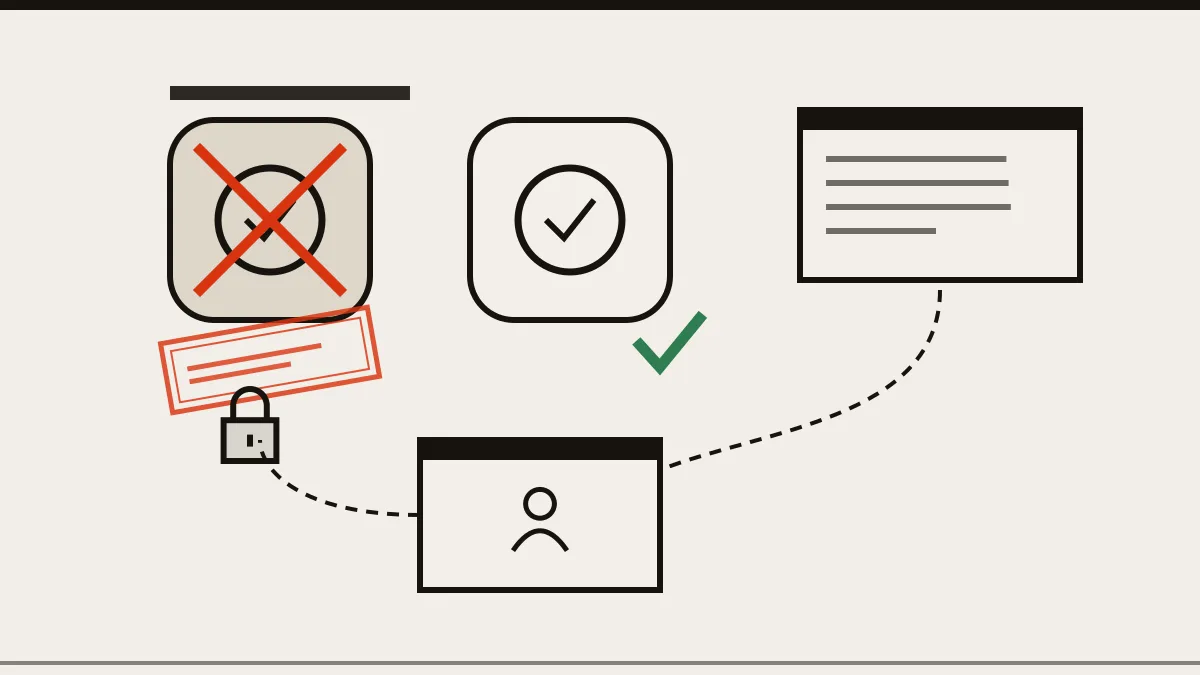
When the problem is fraud rather than a copied mark, such as a fake banking app or a wallet clone, Apple points people to reportaproblem.apple.com and says it will investigate and remove apps found to be malicious (Apple Support).
Google Play
Google Play's impersonation policy is blunt: no apps that mislead users by impersonating another developer, company or app. The reporting side is less tidy. Google's legal troubleshooter lists Google Play apps with copyright, counterfeit and trademark options, but no impersonation option. A brand owner therefore files under trademark, as a use "likely to cause confusion". Google's legal help also notes that a policy report is not legal notice, and each Google product needs its own report.
The Chrome Web Store report abuse form
The Chrome Web Store report abuse form is now a link called "Flag Issue", at the bottom left of an extension's listing, and you must be signed in to use it (Chrome Web Store Help). Copyright and trademark complaints go through the legal troubleshooter instead. One warning: in June 2026 PCrisk documented a phishing run posing as a Google "Copyright Agent" that hit extension developers with a 48-hour countdown and a fake Google sign-in. Google does not take down extensions through a countdown email.
Which DMCA takedown request form do GitHub, Dailymotion and DeviantArt use?
If you came here for DMCA form help, the good news is that every valid notice carries the same six elements, whatever the platform's form looks like. US law, set out by the US Copyright Office, expects a physical or electronic signature, identification of the work, identification of the infringing material with enough detail to find it, your contact information, a good-faith statement that the use is not authorised, and a statement under penalty of perjury that the notice is accurate and that you may act for the owner. A form simply turns those six elements into boxes. Where a platform offers no form, an email to its designated agent that contains all six is just as valid. Where it does offer one, use it: forms route faster, and a missing element is the commonest reason a notice bounces. One thing no form asks is how many other people have complained, because the count is irrelevant to a copyright claim.
The GitHub DMCA takedown form sits at github.com/contact/dmca, and GitHub runs the most transparent notice system we know of. Its DMCA takedown policy says it posts redacted copies of every notice, counter notice and retraction in the public github/dmca repository. We counted that repository's 2026 folder through GitHub's API on 7 October 2026: 2,287 files dated 1 January to 6 October, peaking at 348 in June. Only 34 filenames were counter notices and 3 were retractions. Your notice, minus your personal details, joins that public record, so write it as if a journalist will read it, because one might. Two rules matter. GitHub will consider disabling a whole fork network of more than 100 repositories only if your notice states that all or most forks infringe to the same extent. And if the other side counter-notices, GitHub re-enables the content after 10 to 14 days unless you show you have gone to court. It is a little ironic that the same site hosts the scripts behind every free GitHub Instagram mass report promise, while its own takedown process ignores volume entirely.
The Dailymotion copyright complaint form is reached from Dailymotion's legal copyright page through a button labelled "Send a copyright notification", which opens a request in its help centre. People also search for it as the Dailymotion DMCA takedown form; it is the same form. The DeviantArt DMCA takedown form lives on DeviantArt's contact page under the copyright holder option, and its copyright policy also gives an email, violations@deviantart.com, for notices sent the old way. Artists on DeviantArt also get DeviantArt Protect, which since 2021 has watched for their uploads being minted as NFTs: Core members are covered without a time limit, standard accounts for three months per upload.
| Platform | Where the form lives | Worth knowing |
|---|---|---|
| YouTube | YouTube Studio, signed in | Your name replaces the removed video |
| GitHub | github.com/contact/dmca | A redacted copy is published in github/dmca |
| Dailymotion | "Send a copyright notification" | Opens a ticket in its help centre |
| DeviantArt | Contact page, copyright holder option | Email to violations@deviantart.com also works |
How do you get a Bluesky impersonator removed?
Bluesky's community guidelines tell users not to impersonate others or official groups "in ways that could mislead users". The same page carves out parody: a parody, satire or fan account is allowed if it says so in both the display name and the bio. That carve-out is the first thing to check. If the copy of your account says "parody" in both places, the report will probably fail, and a better use of your time is the steps below. If it does not, the Bluesky report impersonation path sits inside the in-app report flow, under the "Misleading" family of reasons. Bluesky's own 2025 transparency report shows how small a slice this is: 14.68K impersonation reports in a year of 9.97 million user reports. A single, well-evidenced Bluesky impersonation report is not competing with a flood. It is one of a few hundred a week.
Anyone searching "get Bluesky impersonator removed" should also use the tools Bluesky built to make impersonation harder in the first place. Setting your handle to your own domain proves the account is yours, and Bluesky's report counts more than 309,000 domain-handle accounts by the end of 2025. Since 21 April 2025 Bluesky has also shown a blue verification badge on notable accounts and lets a small group of independent Trusted Verifiers verify accounts directly (Bluesky, 2025). Once your real account carries a domain handle or a badge, the side-by-side comparison in your report does most of the arguing.
Bluesky's report also says coordinated campaigns try to "weaponize our moderation systems". People leaving X often arrive with X habits, and the X mass report bot trade has followed them; we found one Bluesky mass-report repository on GitHub in October 2026. It does not change the maths. If you have read how long does Twitter take to ban someone, you already know the answer here: the clock starts with a reviewer, not a count.
Executive impersonation on LinkedIn, and brand protection takedowns elsewhere
Fake executives are the business version of a catfish, and LinkedIn is where they work best. A profile wearing your CEO's face and title can approach suppliers, recruit "staff" for a fake job, or ask finance for an urgent transfer. LinkedIn's fake profile help article gives the route: open the profile, choose More, then Report or Block, then report the member or the entire account, and pick "This person is impersonating someone". The same article lists the giveaway it looks for, a profile that "claims to be a public figure or company executive with no verifiable connections", and promises that reported members won't know who made the report. What people search as "executive impersonation LinkedIn" usually needs two reports, not one: the executive (or the company, as their representative) reports the clone, and the company page admin documents any fake job posts or messages it sent. Our page on LinkedIn impersonation removal covers the defamation side when the clone also posts lies.
Brand impersonation removal on other platforms turns on one asset: a registered trademark. A brand protection takedown is, in practice, a trademark or counterfeit notice, and every serious marketplace has a lane reserved for rights holders. An eBay brand protection takedown runs through VeRO, which eBay says "is only for rights owners or their authorized representatives"; members file a Notice of Claimed Infringement through the VeRO Portal or the NOCI form, with askvero@ebay.com as the programme's contact (eBay VeRO). Amazon's Brand Registry needs a pending or registered mark before it will even enrol you. Without a mark you are reporting as a member of the public, and the reviewer weighs your complaint against a seller who may have paperwork of their own. With one, you are the owner asserting a right the platform has promised to respect.
The social platforms work the same way with different labels. A Twitter account removal service for brand impersonation is only as good as the trademark evidence behind it; an Instagram account takedown for a clone is strongest through Instagram's impersonation form, which asks for ID, rather than a bare report; and if Facebook won't take down a fake profile of me is your situation, the fix is usually better proof, not more reports. The same goes for how to get a fake TikTok account taken down, a Snapchat takedown request and an X account takedown: one identity document or trademark certificate beats a dozen angry reports.
Not sure which door your case needs? Send us the links and a line on what was taken. We review every case confidentially before any fee is discussed, and we will tell you plainly if a route will not work. Start a confidential review.
Catfish profiles on Hinge, Bumble and Grindr
To ban a scammer on Hinge, open their profile, tap the three dots, choose Report and select a reason. Hinge's help centre says reporting is anonymous and your identity is not shared unless the law requires it. If the profile is wearing your photos, Hinge has a separate impersonation request through its Submit a Request form, under safety and reporting, and asks for the profile's name, age, bio and photos. One detail makes Hinge reports carry further than most. Hinge belongs to Match Group, and its privacy policy says data about a user banned from another Match Group service can be shared so that action can follow, and that bad actors can be banned from all its platforms. A catfish removed for impersonation on Hinge may well find the same door closed on Tinder too.
Bumble impersonation removal starts with Block & Report on the profile; Bumble's help pages say it will not tell the reported person who filed, and that it aims to look at reports within 48 hours. Grindr's route is the block icon on a profile, then Report, with impersonation among the listed reasons, and Grindr may ask you to include your recent chats. People who search "get scammer banned on Grindr" are usually hoping for a faster lane than that. There isn't one. The chats are the evidence, and a scammer's profile goes when a reviewer sees the scam in them.
So what does a catfish removal service actually do? Done honestly, a catfish profile removal service files the same reports you can file, but with a stronger evidence pack and the right legal hook. Two hooks matter. If the catfish is using selfies you took, you own the copyright in those photos and can send a copyright notice, which platforms treat far more strictly than a report. If the photos were taken by someone else, such as a wedding photographer, the copyright is theirs, and the route is impersonation or privacy instead. A reverse image search shows where else the photos run. No service has a back door into a dating app's moderation queue, and anyone selling one is describing a scam.
Catfish rarely stay on the dating app. The usual move is to pull the conversation onto WhatsApp or Snapchat within a day, where the app's safety team can no longer see it. If that already happened, our guides on how to ban someone from WhatsApp and how does someone get banned from Snapchat pick up the trail. Report on the dating app as well, because that is where the fake identity lives.
Marketplace scams: eBay, Depop, Fiverr and Craigslist
Marketplace scams have two separate tracks, and people often run only one. The report track gets the scammer's account looked at. The money track gets your money back. They run through different screens, on different deadlines, and a report on its own almost never triggers a refund. Searches for "eBay report a scammer" usually come from buyers who reported the seller and then waited for a refund that was never going to follow from the report. On eBay, the refund comes from the Money Back Guarantee, which lets you report an item that never arrived until 30 days after the latest estimated delivery date shown at checkout. A Depop scam report works the same way: buyers who paid through Depop Payments can get a refund if they report within 30 days of purchase, but Depop will not take the claim until five days have passed. So open the money claim first and the report second.
| Platform | Report the scammer | Get your money back |
|---|---|---|
| eBay | Report the member from the listing or order | Money Back Guarantee, up to 30 days after the latest estimated delivery date |
| Depop | Report through the app and its Resolution Centre | Depop Payments refund, reported within 30 days of purchase |
| Fiverr | "Report an issue" on the gig or message | The order's own dispute route, not the report button |
| Craigslist | Flag the ad | None on the platform: your bank, then the police |
Fiverr splits the tracks just as sharply. The Fiverr report scammer path is the three-dot menu on a gig or message and "Report an issue", which sends it to Trust & Safety for manual review; you need to be logged in. Fiverr's help centre says that route is not for order disputes, so a Fiverr scam report about work you paid for and never received belongs on the order itself.
Craigslist is the odd one out, because it does not handle payments at all. A Craigslist scam ad takedown happens through flagging: free ads that are "sufficiently flagged" come down automatically. That is the one place in this guide where several flags genuinely matter, and only because Craigslist has chosen to let the community moderate free listings. Craigslist scam post removal does nothing for the money, though. Craigslist's own scam-avoidance page sums up its whole safety model in one rule, "Deal locally, face-to-face", and adds that requests to pay by gift card, or to read back a verification code, are always scams.
Facebook Marketplace sits between the two models, with Meta's reporting tools on top and no built-in refund for cash deals. If the seller is still trading, see how to get someone permanently banned from Facebook for what Meta acts on, and our briefing on a Marketplace scammer report for the evidence that gets one closed. Across platforms the US Federal Trade Commission counted $2.1 billion lost in 2025 to scams that started on social media (FTC, 2026).
Should you file a police report for Zelle scam losses?
Yes, but in the right order, and with honest expectations about what a police report does. Zelle is a bank-to-bank rail; since its standalone app stopped handling payments on 1 April 2025, every Zelle payment goes through your own bank's app. That makes your bank the first call, not Zelle and not the police. Zelle's scam page tells users to contact their bank or credit union, which must investigate reports of fraud, and to report the scam to the Federal Trade Commission and the FBI. In practice we suggest four steps in this order: call the bank's fraud line the same day; file at ReportFraud.ftc.gov; file with the FBI's Internet Crime Complaint Center; then file a police report locally and send the report number to your bank. The police report rarely brings money back by itself. What it does is put the fraud on record, which your bank, a card issuer or a court may ask for later.
The awkward part is how banks classify the payment. A transfer someone made from your account without permission is treated very differently from one you were tricked into sending yourself, and many scam losses fall into the second group. The federal regulator tried to change that: in December 2024 the Consumer Financial Protection Bureau sued Zelle's operator, Early Warning Services, and three large banks, alleging more than $870 million in losses. The case was dismissed on 4 March 2025, so no new reimbursement rule came out of it.
UK readers are on a different system. Zelle does not operate in the UK, but bank-transfer scam victims there can claim reimbursement of up to £85,000 within 13 months under the Payment Systems Regulator's rules, and Report Fraud replaced Action Fraud as the place to report in December 2025.
Nothing on this page reverses a payment. If someone offers to "recover" scam money for an upfront fee, treat that as a second scam aimed at the same victim.
Is ban-as-a-service a scam? Crypto bans and Discord mass reports
Mostly, yes. A ban-as-a-service scam sells a result no outsider controls: you pay to have someone else's account banned, usually in crypto, and receive a progress screen, a "reports sent" counter and silence. The crypto ban scam is the purest version, because a USDT or Bitcoin payment cannot be charged back and the seller knows it. We have taken these products apart platform by platform. An Instagram ban service sells reports, and a Twitter ban service sells the same thing with a different logo. Before paying for TikTok, read is it illegal to pay for a TikTok ban service, because the buyer carries the risk. We have mapped how much a Facebook ban service costs and what the fee buys. A WhatsApp ban service cannot read an encrypted chat it claims to report, and a Telegram ban service usually rents the same panels as everyone else.
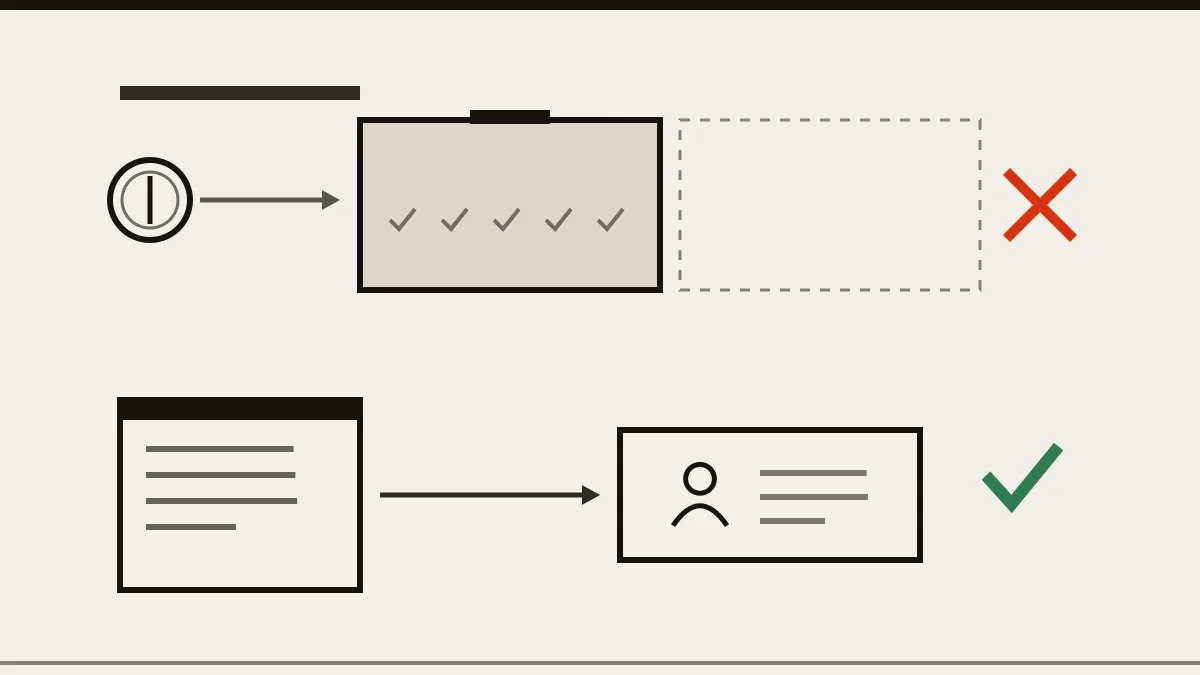
Behind most storefronts is a tool, and the tools are the same everywhere. A Telegram mass report panel resells farm accounts. An Instagram spam report bot is usually a login harvester. We also tested whether mass reporting works on TikTok and found reviewers checking content, not counts. A Facebook mass report tool, a WhatsApp mass report bot and a Snapchat mass report bot each fail for their own technical reason, but they fail the same way: the platform reviews the content, not the count.
The Discord mass report scam
The Discord mass report scam follows the template. A GitHub search on 3 October 2026 returned 62 "discord mass report" repositories, 36 of them with no stars at all. Discord's guidelines list false or abusive reports as a violation in their own right, its Safety Center asks users not to send multiple reports or organise group reporting, and self-bots, the user-account automation most of these tools need, are banned outright. Buyers risk their own account before the target's.
Discord platform ban vs server ban
The Discord platform ban vs server ban question matters because the two are run by different people. A server ban is a moderator's decision: anyone with the Ban Members permission can remove a user from that one server, instantly, with no review by Discord. A platform ban comes from Discord's Trust & Safety team and follows the account everywhere. Since 24 October 2023 Discord has shown each user a Standing page that moves from "All good" through "Limited", "Very Limited" and "At Risk" before a permanent suspension; violations expire after 90 days and temporary suspensions can last up to a year. If the abuse happens in one server, its moderators can end it in seconds. Discord itself acts only on a reported breach of its rules. Our guides to reporting a Discord user or server by ID and the server-or-platform ban split across sixteen platforms go further.
What none of these forms will take down
Every door on this page opens for a specific kind of wrong, and none of them opens for content that is merely unwelcome. A truthful news report, a court record, a genuine customer review or an honest opinion will not come down through a copyright notice, an impersonation report or a scam report, however the form is filled in. Those can only be suppressed: pushed down search results with stronger, accurate material until they stop being the first thing people find. Forging a claim to force them off is not a shortcut. It is a legal risk to the person who signs. US copyright law makes anyone who knowingly misrepresents infringement liable for the damages it causes (17 U.S.C. §512(f)), YouTube terminates accounts that misuse its form, and GitHub publishes the notice for anyone to read. A bluffed takedown also tends to draw attention to exactly the thing it tried to bury.
That is why we work the way we do. We never forge or exaggerate a notice, never ask for anyone's password, and never take crypto-only payment up front. Every case starts with a confidential review that tells you which door fits, or that none does. Where removal is not possible, we say so and explain what suppression can realistically achieve. The full limits of what we can and cannot do are on our disclaimer, and the people who do the filing are introduced on our about page.