Why does DMCA work on an OnlyFans leak but stall on a deepfake?
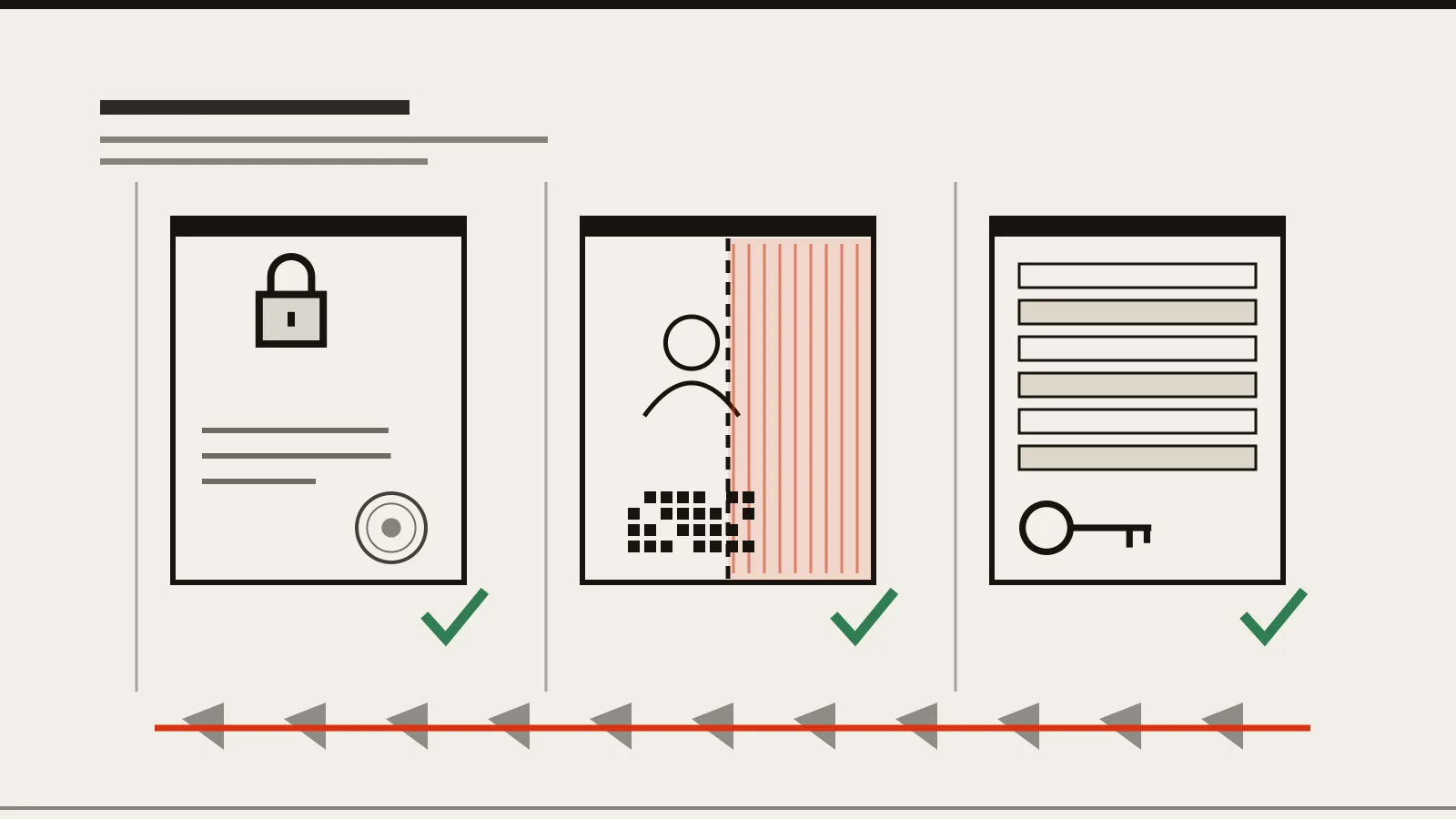
Copyright belongs to whoever made the work, and that one fact sorts almost every leak case we see. A creator who shot a set and posted it behind an OnlyFans or Patreon paywall owns the copyright in every frame. When the set turns up on a leak forum or a tube site, the creator, or an agent they authorise, can send a DMCA notice, and the host has a hard reason to act: under section 512 of the US Copyright Act it keeps its safe harbour only if it removes the material quickly once notified. A deepfake turns that upside down. The person who generated the fake is, in copyright terms, its author. Your face is in the picture, but you don't own the file. So a deepfake DMCA takedown sent on copyright grounds alone often stalls, because the copyright desk sees a claimant who didn't make the work and closes the ticket.
The fake still comes down. It just comes down under different rules.
| What leaked | The route that bites | Realistic clock |
|---|---|---|
| Posts you made for OnlyFans, Fansly or Patreon | DMCA notice to the host, then Google's legal form | Days per host, repeated for months |
| A real intimate photo shared without consent | The platform's intimate image form, a StopNCII hash, the police | 48 hours on US covered platforms |
| An AI deepfake of you | Intimate image and "digital forgery" rules, then Google's fake pornography form | 48 hours on US covered platforms |
| A sextortion threat, nothing posted yet | Police, a platform report, hashing in advance | Report the same day |
| A database or password dump on Pastebin | Rotate secrets, then the host's abuse form | Hours to days |
| Your company's code on GitHub | GitHub's DMCA or private information policy | Usually days |
Report volume isn't in that table. It doesn't move any of these queues, which is why the panels that promise to mass report Twitter account targets never feature in our work. What does show is scale. The EU's DSA Transparency Database logs platform moderation decisions, and in September 2026 platforms filed 38,454 statements of reasons tagged "non-consensual image sharing" and another 34,602 tagged as non-consensual deepfake material (our count of the public database, 8 October 2026). The latest rows came from XVideos, XNXX, Reddit, Discord, Snapchat and the dating app LOVOO. X, TikTok, YouTube, Instagram, Facebook and Telegram filed none under those tags, because they log the same removals under broader headings. The true figure is higher.
As of October 2026, here is how each lane works, starting with the one creators pay for most. Our content removal service guide covers the wider family of routes.
OnlyFans DMCA takedown service: what does the monthly fee buy?
An OnlyFans DMCA takedown service sells three jobs: finding the copies, sending the notices and pushing the leftovers out of search. Finding is the hard part. Leaks spread from one forum post to mirror sites, Telegram channels, Reddit threads and file lockers within days, and a popular creator can face hundreds of new URLs in a month. Good services watch for your stage name, your watermark and, more and more, your face. They then file DMCA notices as your authorised agent and send the URLs that won't come down to Google's legal removal form, so at least those pages stop showing up when fans search your name. The notice itself costs nothing, since any copyright owner can send one. What you're paying for is persistence, because the same set tends to reappear on a fresh domain a week after each takedown. That's why OnlyFans DMCA protection is sold as a monthly subscription rather than a one-off job.
Prices vary more than the work does. On the public pricing pages we checked on 8 October 2026, Ceartas ran from $69 to $1,200 a month, with deepfake and Telegram removals only from its $349 tier. BranditScan listed $69 and $149 monthly plans with facial recognition and Google delisting. DMCA.com charged $199 per notice for full-service takedowns, or $10 a month to do it yourself. None of the three promised guaranteed removal, which is a good sign. Treat any onlyfans piracy removal service that does promise it with suspicion.
How to file DMCA takedown notice for leaked OnlyFans content yourself
You can file it yourself, and for a handful of links you should try that first. A notice under 17 U.S.C. § 512(c)(3) needs six elements, and missing one is the usual reason a host ignores it.
- List every URL. The page that shows the file, not the site's front page. Screenshot each one with the date visible.
- Find who hosts it. Look for the site's DMCA or copyright page and its designated agent; the US Copyright Office keeps a designated agent directory. If the site ignores you, the hosting company behind its IP address is the next stop.
- Identify your original. Link the post on your own page, or describe the set and the date you uploaded it.
- Add the two statements. A good-faith belief that the use isn't authorised, and a statement under penalty of perjury that the notice is accurate and that you own the work or may act for the owner.
- Sign it and add contact details. A typed full name works as an electronic signature.
- De-index what stays up. Google's Report Content for Legal Reasons form handles copyright removals from search.
Google's own help page notes that a removed result may still exist elsewhere on the web. That's the point of step six: the host and the index are two separate switches, and our DMCA notices by platform and by host briefing maps where each one sits.
One warning creators learn the hard way. A notice can be forwarded to the uploader and published, and your legal name travels with it. Patreon's copyright policy says it plainly and suggests filing through an agent if you want to keep your details private. For many creators that single point is the real reason to remove leaked OnlyFans content through a representative rather than by hand.
What OnlyFans DMCA protection covers, and where it stops
A platform's copyright desk covers its own servers. Patreon's policy puts that in writing: it deals with material on "our system or network", not leaks on other sites. So whether you want to remove leaked Patreon content or OnlyFans sets, the notice has to go to whoever runs the leak site, to its host or to the search engine. Subscribing to an onlyfans leak removal service doesn't change that map. It just files faster.
Where any onlyfans content removal service stops is easier to list than where it starts:
- Hosts that ignore DMCA. The page stays up, and de-indexing is all that's left.
- Private Telegram groups and closed Discord servers. Nobody outside can see them. Public channels are different, and our note on Telegram DMCA takedown routes shows which address Telegram actually reads, while what DMCA reaches on Telegram covers the copyright side.
- Torrents and saved copies. Files already on people's devices are out of reach.
- The next leak. A service can match a re-upload, but it can't find the subscriber who ripped it unless your watermark is per account.
The UK charity most victims call first draws a line here too. The Revenge Porn Helpline's advice for creators says professionally made or paywalled content may not count as "private" under UK intimate image law, so it may not be able to report it for you. It points creators to platform takedowns, reverse image search and DMCA notices instead. That's honest, and it's why a dmca takedown service onlyfans creators hire is a copyright product first.
When we file these for creators, the first sweep is the slow one. Most of the effort goes into telling genuine hosts apart from redirect shells, and the first month nearly always turns up more URLs than the creator expected. After that the job settles into weekly re-checks.
Deepfake takedown: which rule removes a fake that copyright can't?
Intimate image law removes a sexual deepfake in 2026, not copyright. In the US, the TAKE IT DOWN Act, signed on 19 May 2025, defines a "digital forgery" as an intimate image of an identifiable person, made with software or AI, that a reasonable person couldn't tell from a real one. Covered platforms must remove a reported intimate image within 48 hours of a valid request and make reasonable efforts to remove known identical copies. They had until 19 May 2026 to build that process, and the FTC began enforcing it that same day, with a complaint site at TakeItDown.ftc.gov. In the UK, sharing an intimate image without consent has been an offence since 31 January 2024 under section 66B of the Sexual Offences Act 2003, and the wording reaches images that "appear to show" you. Since 6 February 2026, creating or requesting a sexual deepfake of an adult is an offence as well, under sections the Data (Use and Access) Act 2025 added.
Platform rules go further than either law. Every large platform bans sexual deepfakes in its own policies, so a report filed under the intimate image or synthetic media rule is usually the fastest deepfake takedown on offer. That is the lever a decent deepfake image takedown service pulls first.
When a DMCA takedown for deepfake images does work
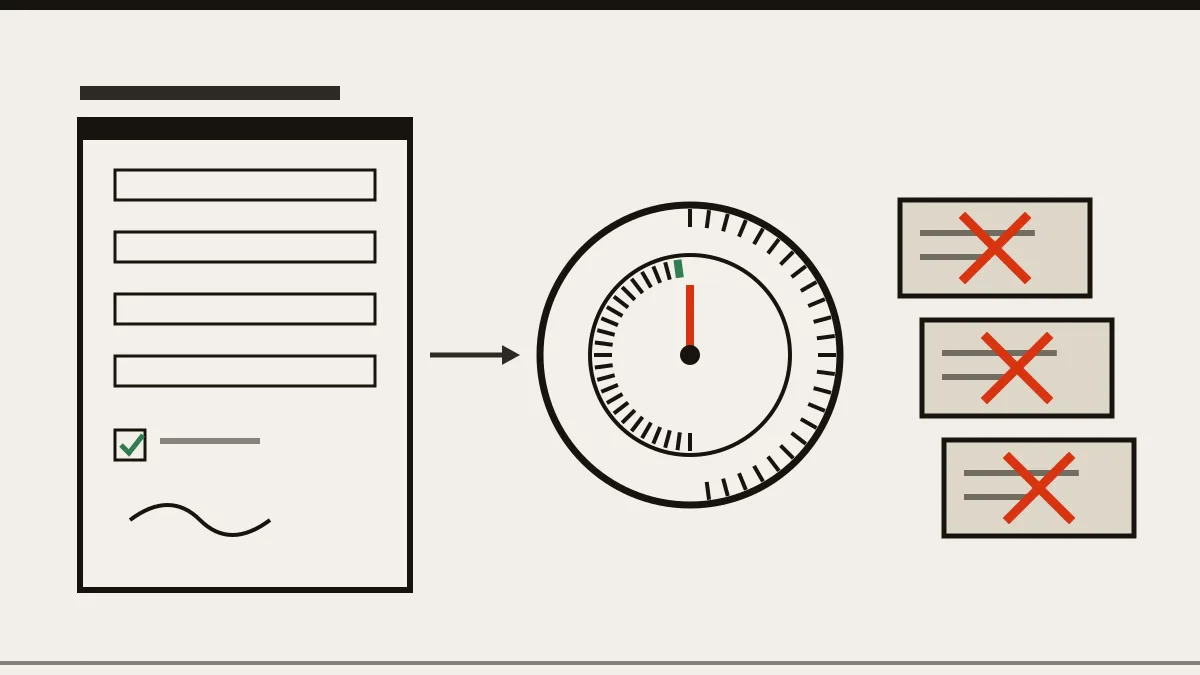
A DMCA takedown for deepfake images works in one narrow case: the fake was built from a photo you took yourself. A selfie is your copyright work. A deepfake that reuses it copies part of that work without permission, and a notice that identifies your original can succeed. If a friend or a photographer took the base picture, the copyright is theirs and they would have to file. If the face came from video stills, or the image was generated from scratch, copyright has nothing to hold on to. We use DMCA as a second lever on deepfakes and never the only one. Claiming a copyright you don't hold is a misrepresentation under section 512(f), and it hands the uploader a counter-notice.
What goes into a deepfake takedown request
Under the TAKE IT DOWN Act, a valid deepfake takedown request has four parts, and most platform forms ask for the same four:
- your physical or electronic signature, or that of someone authorised to act for you;
- enough information to find each image, which in practice means the exact URLs;
- a short statement that you believe in good faith the image was published without your consent, plus any detail that helps;
- your contact details.
Send links, never the image. A legitimate deepfake content removal service will never ask you to forward the material, and a platform shouldn't either. UK rules have caught up too. Since 29 June 2026 the Online Safety Act has carried a separate duty to let users report intimate image content and an expedited complaints route, both added by the Crime and Policing Act 2026. Ofcom's codes now include hash matching for intimate image abuse, with StopNCII named as the leading database, and Ofcom opened an enforcement programme on the issue on 9 September 2026.
How to get deepfakes removed from Google results
Removing a deepfake from a host and removing it from Google are two different jobs. To get deepfakes removed from search, use Google's Remove involuntary fake pornography from Google request. Three tests apply: you're identifiable, the image is a fake nude or sexually explicit picture, and it was shared without your consent. In the form, pick the nude or sexually explicit option, then the fake picture or video of yourself. Google also changed its ranking in 2024 to demote sites that attract many of these removals and to drop duplicates, and it reported that exposure to explicit images on those searches fell by over 70% (Google, 2024). De-listing doesn't delete the page. It does make the fake far harder to find under your name, which is what most clients care about once the host is handled. That pairing of host and index is the core of any AI deepfake removal service worth paying for.
A deepfake or a leak with your name on it? Send us the links, not the images. We triage intimate image cases free and in confidence, tell you which route applies, and file nothing without your say-so. Start a confidential review.
How to report sextortion before anything is posted
How to report sextortion comes down to three moves made in the right order: stop paying, keep the evidence, then report to the platform and the police. Order matters. Blocking first can lose you the profile you need, and deleting the chat loses the proof. The UK's National Crime Agency gives adults the same advice: don't pay, or don't pay any more if you already have; stop contact and block; keep the messages, images, phone numbers and bank details; and call 101, or 999 if there's immediate risk. In the US, adults report to the FBI at tips.fbi.gov or on 1-800-CALL-FBI. If the person targeted is under 18, the routes change: NCMEC's CyberTipline in the US, CEOP in the UK, and Childline's Report Remove or NCMEC's Take It Down to get images hashed and removed. Take It Down also helps adults whose images were taken before they turned 18.
- Screenshot first. Profile, username, every message, the payment demand and any wallet or gift card details.
- Report the account in the app under blackmail, sextortion or a threat to share intimate images. Our walkthroughs on Instagram account takedown and on how to get someone's Snapchat account banned show where those options sit; those two apps carry a large share of these threats.
- Then block on every platform they used.
- Report to the police with the screenshots.
- Hash the images in advance through StopNCII if you're over 18 and know what they hold, so partner platforms can block matching uploads before anyone sees them.
The numbers explain why police treat it as serious crime now. NCMEC received more than 50,000 financial sextortion reports in 2025, about 137 a day, up from over 36,000 in 2024 (NCMEC, 2026). The Internet Watch Foundation logged 397 sextortion reports in 2025, up 127% on 2024, and 98% involved boys aged 14 to 17 (IWF figures for 2025). Paying rarely ends it. That's the reason the NCA's advice starts where it does.
How do you remove leaked intimate photos once they're up?
To remove leaked intimate photos quickly, run two tracks at once: hash the images so partner platforms block them, and report every live copy to whoever hosts it. StopNCII handles the first track. You choose the images on your own device, a hash (a digital fingerprint) is made there, and only the hash is shared; StopNCII's FAQ says your images never leave your device. Partner platforms then match new uploads against it. It accepts AI-generated and synthetic images, which makes it useful against deepfakes too, and the person in the image has to be 18 or over. When we last checked the partner list, on 25 September 2026, it named 19 partners, among them Facebook, Instagram, Threads, TikTok, Reddit, Snapchat, X, Bluesky and Microsoft. Telegram wasn't one. Google announced a partnership in September 2025, but we found no sign that it's live yet, so don't rely on hashing to clear search results.
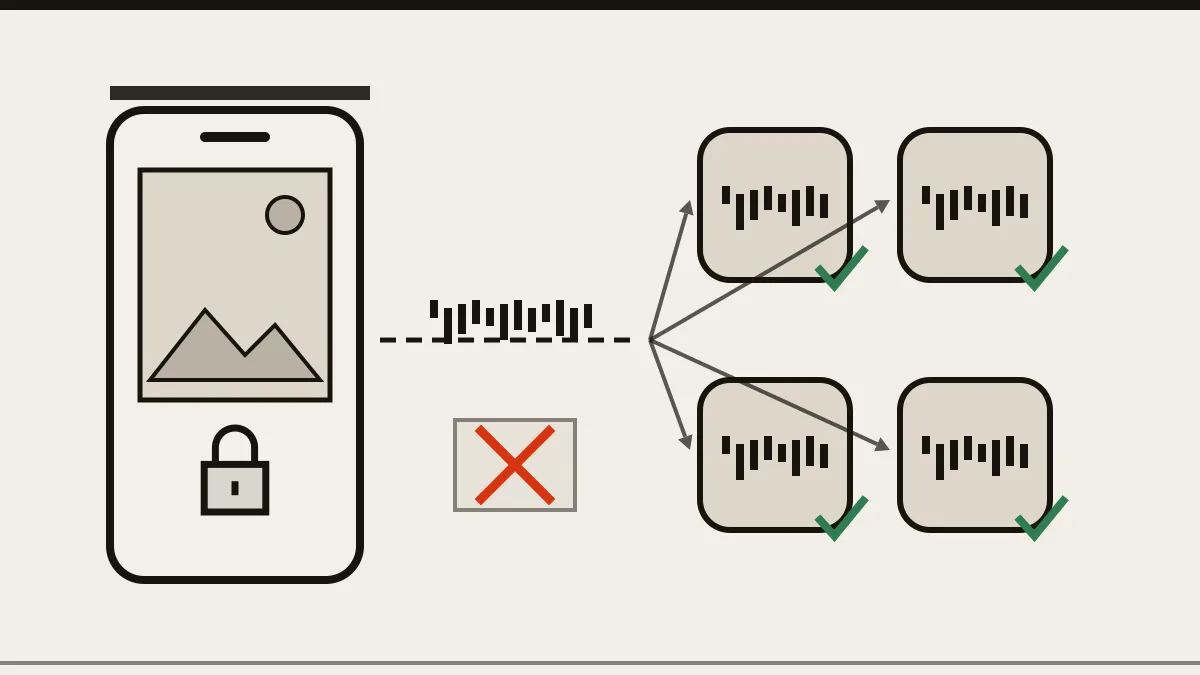
The second track is the per-platform report, and the form names differ more than the rules do. Our guides on how to take down a photo on Facebook, how to get a tweet taken down and how to get someone's video taken down on TikTok point to the intimate image option rather than the generic report. So do the ones on how to request YouTube to take down a video and how to take down a story on Snapchat. On a US covered platform, that report starts the 48-hour clock. Reddit has its own desk structure, set out in our Reddit post removal guide. Done at scale, that is the whole of what a leaked image removal service does: it finds the copies, files the right form with each host and logs what came down.
Remove leaked photo from Imgur: the UK block problem
Imgur banned nudity and sexually explicit content in its terms from 15 May 2023, so an intimate image there breaks its rules outright, and the report option on the post is the first route. UK victims hit a strange wall. Imgur's owner, MediaLab, cut off UK access on 30 September 2025 after the Information Commissioner's Office signalled a fine, and the ICO went on to fine it £247,590 in February 2026. If the block is still in place when you try, you may not be able to open the page from a UK connection to report it. A representative outside the UK can file instead, a DMCA notice works if you took the photo, and Google's removal forms still de-list the image from search, which is where most people would come across it anyway.
Pastebin and GitHub leaks: rotate first, report second
A leaked database or password list on Pastebin is a security incident before it's a removal job. Monitoring bots scrape new public pastes within minutes, so by the time you find a dump of your customers or your staff logins, assume copies already exist somewhere else. Rotate every exposed password. Revoke API keys and tokens, force sessions to log out, and decide whether this is a personal data breach: under UK GDPR, a breach likely to put people at risk has to be reported to the ICO within 72 hours of you becoming aware of it. Then report the paste. Taking it down protects people from the next casual find, but it doesn't un-leak anything. That's why the order never changes: rotate first, report second. Anyone selling a pastebin leak removal service that skips the rotation step is selling you the less useful half of the job.
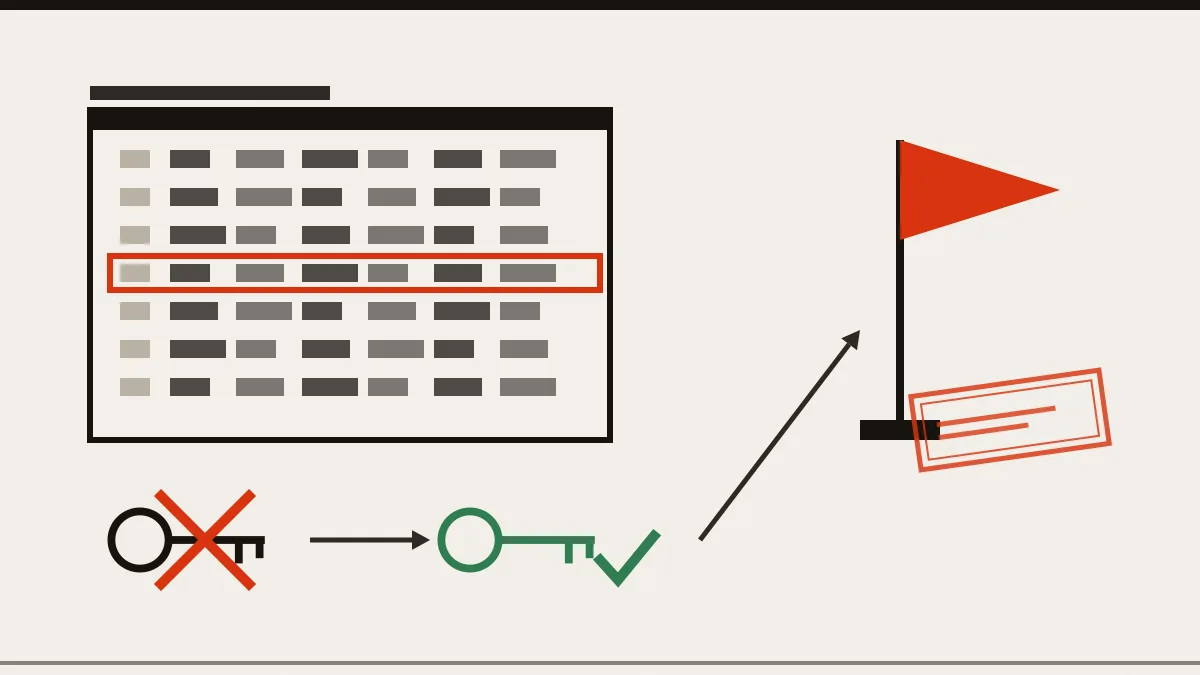
To remove leaked data from Pastebin, you have two forms. The report-abuse form takes the paste URLs and your email, and Pastebin's terms ban posting another person's personal information without consent, which covers most customer and staff dumps. Its DMCA form is for copyright holders and wants one Pastebin URL per line, with the usual statements under penalty of perjury. The terms don't name credentials specifically, so when you remove leaked credentials from Pastebin, frame the report around the personal information and the security risk. People type "pastebin remove leaked database" into a search bar expecting a single button. There isn't one. There's a short form, and it works best once every key in the dump is already dead.
Remove leaked code from GitHub
GitHub runs two separate policies, and picking the wrong one costs a week. Proprietary source code that someone else pushed is a copyright matter, filed under GitHub's DMCA Takedown Policy. Passwords, tokens, cloud keys or personal data sitting in a repository fall under the GitHub Private Information Removal Policy, which generally isn't used to remove whole files or repositories. If the leak sits in your own repository, GitHub's guide to removing sensitive data is blunt about step one: revoke or rotate the secret. Only then do you rewrite history with git-filter-repo, whose version 2.47 and later has a sensitive-data mode, and force-push. GitHub Support can remove cached views and pull request references, but forks are yours to chase with their owners. Since 11 March 2024 GitHub has switched on push protection by default for new public repositories owned by personal accounts, which stops many secrets before they land. If you need to remove leaked code from GitHub that a former contractor published, though, it's the DMCA policy that applies.
Best deepfake removal services: what should a managed service promise?
The best deepfake removal services sell a process you could run yourself, done faster and logged URL by URL. A managed deepfake removal service earns its fee when copies keep spreading across hosts, search results and re-upload sites. For one fake on one platform, that platform's own form is usually enough. Here's how we'd judge any deepfake removal service, ours included.
| Check | Good sign | Walk away if |
|---|---|---|
| Who files | A named agent acting with your written authority | They want your login or "admin access" |
| What they need | URLs and proof of who you are | They ask you to send the images |
| Routes used | Intimate image forms, TAKE IT DOWN, StopNCII, Google, and DMCA only where you own the photo | DMCA on everything, or talk of hacking the site |
| The promise | Ranges, a re-check schedule, honesty about offshore hosts | "100% removal" or "gone in 24 hours" |
| Payment | Free triage, then an invoice | Crypto only, paid up front |
| Reporting | A log for each URL: filed, removed, refused | One "done" message |
Our verdict: a deepfakes removal service is worth hiring once the fake has spread past two or three platforms, or into search results under your name, and not before. A deepfake image removal service that leads with copyright on pictures you never took, or a deepfake content removal service that promises certainty, is telling you how it will fail. The same test applies to any leaked content removal service. The honest ones quote ranges.
Some things no service can remove, and we'd rather say so before you pay. Copies on people's phones and in private chats are out of reach. Hosts that ignore notices can be pushed out of search, not off the internet, and a fresh mirror can appear the week after a takedown, which is why re-checks matter more than the first sweep. Genuine news reporting on a real event isn't a takedown target, and an image you licensed to someone else under a signed release may be theirs to publish. Where removal genuinely isn't possible, the honest answer is suppression: de-listing and pushing the result down, not a bluff. We never forge or exaggerate a notice, never claim a copyright you don't hold, never ask for passwords and never ask you to send the images. Our disclaimer sets out the limits in full, and our team page shows who handles intimate image cases.
Can you get the uploader banned, and should you pay someone to try?
Usually yes, the platform will ban the uploader, and no, you shouldn't pay anyone to make it happen. Platforms treat intimate image abuse as one of their gravest violations. X's enforcement policy lists non-consensual nudity among the violations that lead to immediate, permanent suspension, and the other large platforms remove accounts built around it. One correct report already carries that weight, provided it's filed under the intimate image category and not as generic harassment or spam, which sends it to a slower queue. Where the account is the problem rather than a single post, our guides on how to get someone banned on Instagram, how to get someone banned on TikTok and how does someone get banned from Facebook show what each platform acts on. The same goes for how to get someone's Twitter account banned and a YouTube channel takedown.
WhatsApp is different, because nobody outside a chat can see it; read how to ban someone's WhatsApp account before you report. If the fake is a whole profile built on an AI face, a LinkedIn takedown request or a Twitter harassment takedown runs on impersonation rules instead. And a TikTok account takedown service can't do anything your own report doesn't already do.
Victims get offered shortcuts, often within hours of a leak going public. Sellers of an Instagram ban service or a Twitter ban service promise to delete the uploader for a fee. Bot vendors push an Instagram spam report bot, a TikTok mass report service or an Instagram mass report service. Others sell a Telegram mass reporting service, a way to mass report YouTube channel pages or a Facebook mass report service. The messaging apps get the same pitch, from a WhatsApp mass report tool to a Snapchat mass report tool. We've looked into each one. Duplicate reports don't raise the priority of an intimate image case, and many of these products don't file anything at all.
The risk in a leak case is worse than wasted money. To "target" an uploader, a seller asks for the links, the uploader's handle and often the images themselves "as evidence". You'd be handing intimate material and your own identity to an anonymous stranger who already takes payment for abusing report systems, and that's how one leak turns into a second extortion. There's legal exposure as well, which our note on is it illegal to pay someone to get a Facebook account banned sets out. No fee opens what end-to-end encryption keeps sealed either, the subject of our WhatsApp number takedown briefing. Report once, correctly, with links. Then let the 48-hour clock do its work.