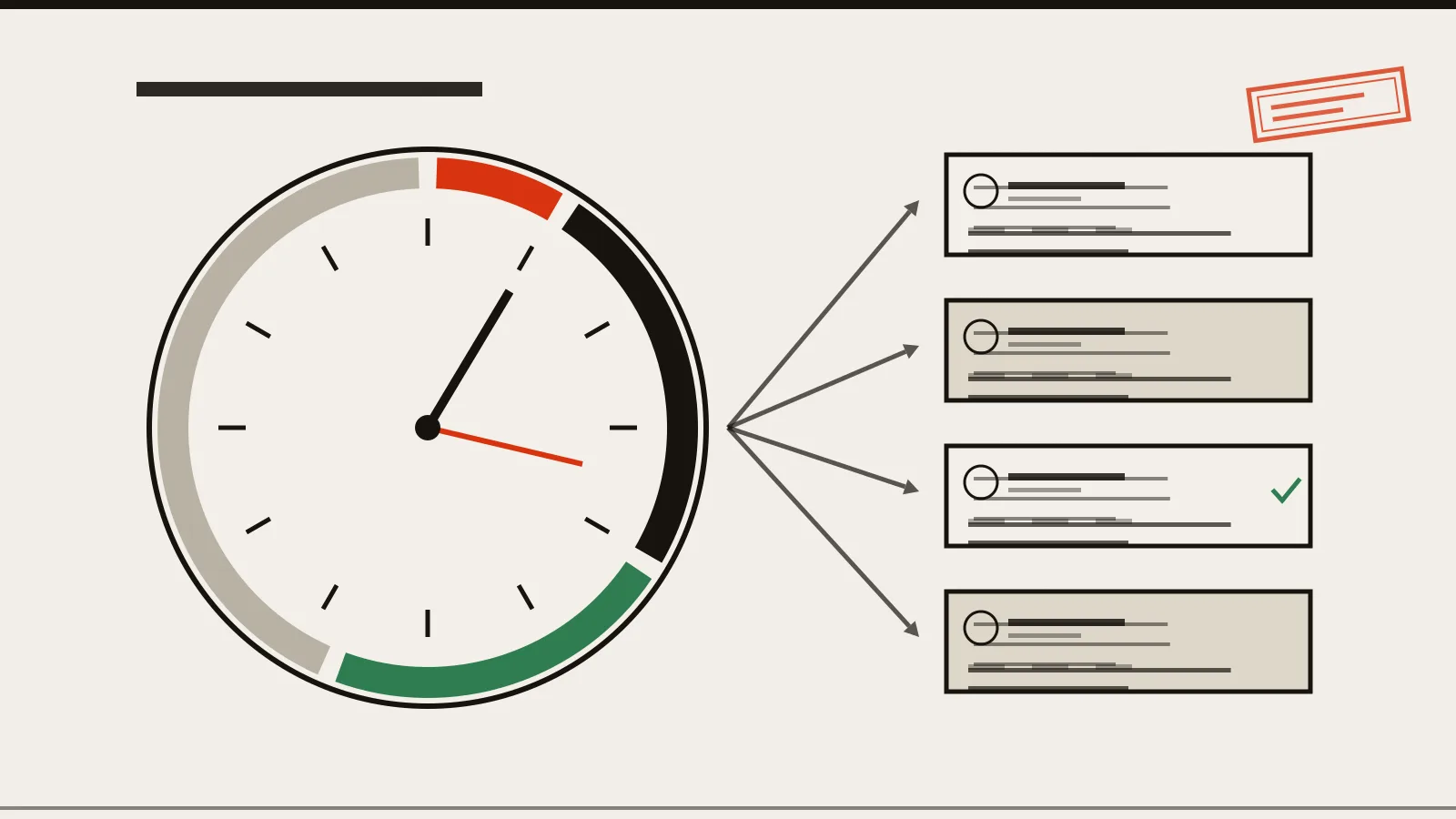
What should you do in the first hour after a sextortion threat?
Stop, breathe, and do not pay. That is the first step, and it does not change with the amount asked.
Sextortion is blackmail that uses intimate images, real or faked, as the threat: send money, more pictures or a favour, or the material goes to your family, employer or followers. The first hour decides how much of the later removal work is possible, so the order matters. Do not pay, because payment marks you as someone who pays and the demand usually comes back larger. Do not delete the chat, the account or the email, because those are the evidence police and platforms will ask for. Stop replying and block only after you have captured what you need. Capture the attacker's username, profile link, any payment details they gave and the threatening messages, with dates. Do not save or forward the intimate image itself. If the person shown was under 18 when it was taken, keeping or sending copies can be an offence in its own right, even for the victim's parent.
Then report sextortion to the people who can act on it. The next section says where, depending on where the threat started and how old the person in the image is.
Two things often surprise people in that first hour. The first is that many threats are bluffs: the attacker has a screenshot and a contact list, not a plan, and loses interest when the money stops. The second is that nothing you send now can be unsent, so the honest rule is to send nothing more at all, including "proof" that you have reported them.
If you are in danger, or someone is talking about self-harm, call the emergency number where you are before anything on this page.
Where to report sextortion: it depends on where it started
The question of where to report sextortion has two parts that people tend to mix up. One report goes to the platform the attacker used, so the account is closed and the messages are preserved. A second goes to a public body, so the crime is recorded and, where it is a pattern, investigated. Most victims only do the first. The table below is the sorter we use when someone asks us to help them report sextortion online, read across from where the contact began.
| Where it started | Report on the platform | Public report | Under 18? |
|---|---|---|---|
| An email claiming a webcam recording | Mark as phishing; do not reply | US: FBI IC3. UK: Report Fraud | Same, plus a parent |
| Kik chat | Report the user inside the chat, then block | Police, or IC3 in the US | NCMEC CyberTipline (US), CEOP (UK) |
| Grindr or another dating app | Report the profile in the app, keep the chat | Police | Dating apps are adults-only; report anyway |
| Instagram, Snapchat, TikTok DMs | Report the account and the messages | Police, or IC3 in the US | CyberTipline or CEOP, plus Take It Down |
| Images already posted somewhere | The host's NCII or privacy form | Police | Take It Down; Childline Report Remove (UK) |
In the US, the FBI asks adults to file with the Internet Crime Complaint Center and publishes its own sextortion guidance, which tells victims not to pay. Anything involving a child goes to the NCMEC CyberTipline. In the UK, adults can call local police on 101, and children or worried parents can use the National Crime Agency's CEOP Safety Centre. A crime reference number is useful later: several platforms move faster when a request quotes one.
How to report sextortion email that says it recorded you
The bulk version arrives by email, quotes an old password from a data breach, says malware recorded you through your webcam and asks for cryptocurrency within a day or two. In our experience it is almost always a bluff sent to thousands of addresses at once. To report sextortion email in the US, forward the details to IC3; in the UK, use Report Fraud, which replaced Action Fraud in December 2025. Then change the quoted password everywhere you used it, and turn on two-factor sign-in. Do not reply, even to say you know it is fake.
Report Kik sextortion and Grindr sextortion inside the app first
When you report Kik sextortion, do it from inside the conversation, because that ties the report to the messages rather than to a bare username, and keep the chat until the report is in. The same logic applies when you report Grindr sextortion: report the profile while the chat still shows it, then block. A blocked profile disappears from your view, which is what you want later, but not before the report. Attackers on dating apps often use stolen photos for the profile, and if your own pictures turn up on a fake account there, a Grindr fake profile report is the separate route for the copy. If the threat moves to Instagram or X, the same "report, then block" order holds, and we cover the account-level choices in how to report an Instagram account.
Hours 1 to 24: hash the image, never send it
The removal work that most helps a sextortion victim happens before anything is posted. It is called hash-matching, and for sextortion image takedown it is the one step that works across many platforms at once without the image ever leaving your phone.
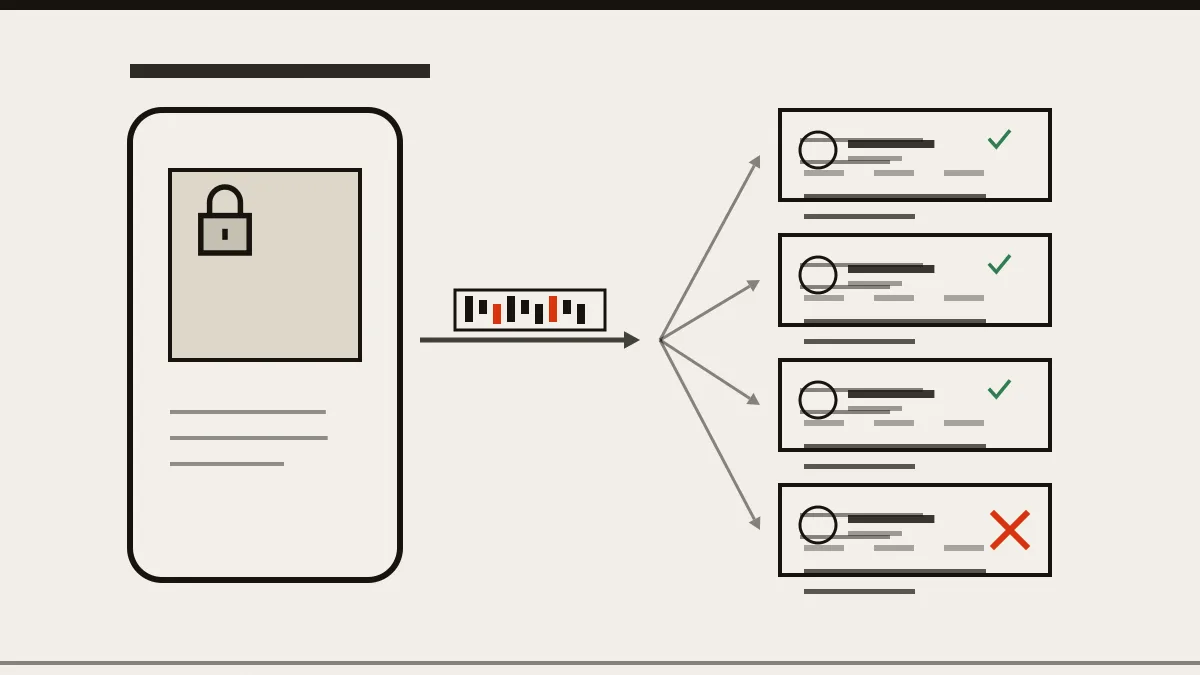
A hash is a short digital fingerprint calculated from the picture. You choose the images on your own device; the tool computes the fingerprint locally and sends only that string to a shared list. Participating platforms compare new uploads against the list and block or remove matches. For anyone who was 18 or over when the image was made, the tool is StopNCII.org, run by the charity behind the UK Revenge Porn Helpline. For images made when the person was under 18, it is NCMEC's Take It Down, which is free, can be used anonymously, and says plainly that the image "remains on your device and is not uploaded". StopNCII also accepts synthetic images, so a deepfake can be hashed the same way. Google Search has used StopNCII hashes since 17 September 2025, which is the reason we file it first.
What hashing will not do
A hash matches the same file, or a close copy. A heavily cropped, filtered or re-recorded version may slip past it. It only binds the platforms that have joined, and the partner list leaves out several large video and image hosts, so a post on one of those still needs a direct request. It also cannot reach encrypted chats. We say this not to put anyone off hashing, which we recommend in every case, but because people stop after it and assume the job is done.
Anyone who asks you to send the images so they can "find and remove" them is the wrong helper. Legitimate tools and legitimate services never need the material. We certainly do not.
The 48-hour clock: what US law now makes platforms do
Since 19 May 2026, the US TAKE IT DOWN Act has given victims a fixed deadline to quote. A covered platform that receives a valid removal request for a non-consensual intimate image must remove it as soon as possible and no later than 48 hours, and make reasonable efforts to remove known identical copies. The Federal Trade Commission began enforcing the rule that day, with civil penalties of $53,088 per violation, and runs a complaint site, TakeItDown.ftc.gov, for platforms that ignore valid requests.
The word "valid" carries the weight. A request should carry four things: your signature, which can be electronic, or that of someone authorised to act for you; enough information for the platform to find the content, which in practice means every URL; a short statement that you believe in good faith the image was shared without consent; and contact details. Miss one and the clock may never start, and a platform may not tell you which part was missing. Put the URLs in a plain list, one per line, rather than inside a screenshot, because moderators copy them into a tool and an image of a link cannot be copied. Keep the date and time you sent it, and the confirmation screen or email, so that a missed deadline can be shown to the FTC later. We write the request so that each element is on the first screen the moderator sees, because a request that has to be read twice is read later.
The Act is a US law, so it binds platforms that serve US users, which covers most large ones whether or not you live in the US. UK victims have their own criminal law: threatening to share an intimate image has been an offence in England and Wales under the Sexual Offences Act since 31 January 2024. That helps the police case, but it does not by itself give a host a 48-hour deadline.
Report deepfake takedown requests under the same clock
The Act's definition covers "digital forgeries" as well as real photos, so you can report deepfake takedown requests with exactly the same four-part request. You do not need to prove who made the fake, only that it shows you, intimately, without consent. For search results, Google runs a separate form to remove involuntary fake pornography, which asks whether the image is sexual, whether it shows you and whether it was made or shared without consent. The fake on the host and the fake in search are two requests, not one.
Days 3 to 14: search results, stray copies and hosts outside the list
By the end of the first week, most victims are dealing with copies rather than one original. This is the slow middle of sextortion content removal. Sextortion content takedown at this stage stops being one form and becomes a list.
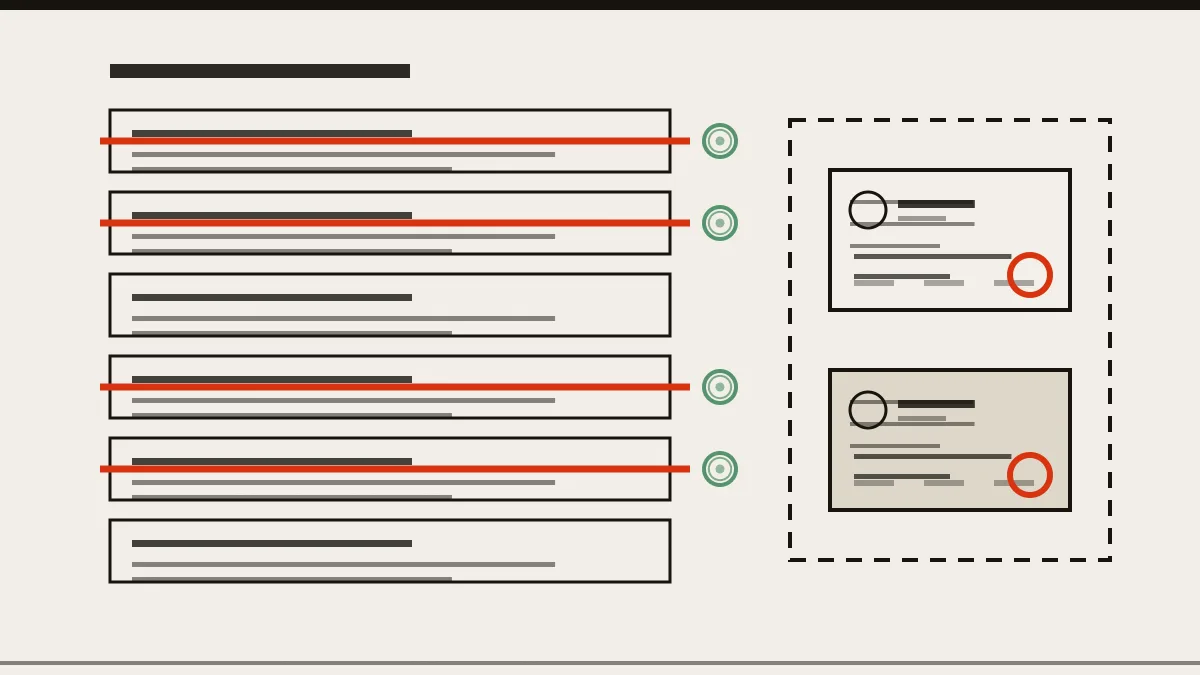
Start with search, because a result on page one of your name does more harm than a file on a site nobody visits. Google's form to remove non-consensual explicit or intimate personal images de-indexes the result, and when it is granted Google also tries to filter duplicates from appearing in search later. That does not delete the file from the site. If you have already worked through other Google forms, our note on which Google form removes leaked photos from Google Search sets them side by side.
Then take the hosts one at a time. Copies on X can be handled per post; how to report a tweet explains why each post ID needs its own report. Image hosts often answer copyright faster than privacy, and an Imgur copyright takedown request only works if you took the photo yourself. A selfie counts. A picture someone else took of you usually does not. Video hosts outside the hash list need direct notices, and Vimeo stolen content removal runs on its own strike count. Telegram channels that trade leaks are reported to Telegram directly; anyone selling a "report bot" to close them is selling something we explain in what works on Telegram and what is a scam. A site built only to host stolen intimate images is a different problem again, closer to an online takedown at the domain and host level than to a content report.
Remove revenge porn online when the poster is someone you know
When the person posting is an ex-partner, the route is the same but the evidence is richer. To remove revenge porn online, file the host and search requests above, and also report to police, because the poster is identifiable and sharing private sexual images without consent is a crime in the UK and most US states. If the poster has also opened accounts in your name, an Instagram impersonation report or a Twitter impersonation report removes the fake profile, which is a separate decision from removing the images. The UK helpline is open 10:00 to 16:00, Monday to Friday, on 0345 6000 459, for adults only.
Stolen or leaked OnlyFans content runs on copyright, not consent
Creators are in a different position. If you sold the content, a host may argue it was never private, and the Revenge Porn Helpline itself notes that paywalled creator material may not meet the legal test. What you do have is copyright, which is often faster.
To remove stolen OnlyFans content, send a copyright notice under the US Digital Millennium Copyright Act to each host and to Google, listing every URL and stating that you own the work. That same notice is how you report leaked OnlyFans content on a forum or tube site that ignores privacy complaints. The mechanics are the same as for any creator: our guide on how to file a DMCA takedown covers the notice line by line, and artists will recognise the logic from how to remove stolen art online. Copies re-uploaded to Instagram are a third case; how to report stolen content on Instagram also warns about the fake "copyright violation" messages that arrive on WhatsApp. Be aware that a DMCA notice can be passed to the uploader with your name on it. Some creators file through an agent for exactly that reason.
If the content was taken without payment by someone you sent it to privately, both routes apply. Use the one that names you least.
What a takedown service for leaked images can and cannot do
There is a lot of money around this problem, and some of it is predatory. So here is what to expect from any remove leaked photos from internet service, including ours.
A legitimate takedown service for leaked images finds the copies, files the right request on each host and in each search engine, chases the ones that miss the 48-hour window, and keeps checking for re-uploads. It never asks you to send the images, never asks for your passwords, and never promises that everything will disappear. Some files will sit on hosts that ignore every notice, in private groups no one outside can see, or on devices no request reaches. In those cases the realistic aim is to remove them from search and from the large platforms, so a stranger searching your name does not find them; that is suppression, not removal, and we say which one applies before any charge. We will not forge a legal notice, threaten a host with action we cannot take, or contact the attacker for you. Our disclaimer sets out these limits in full.
Watch for a second scam aimed at victims of the first. "Recovery" sellers promise to hack the blackmailer or wipe the images for an upfront crypto fee. Paid report tools promise to get the attacker's account banned; we tested a whole shelf of them in do Instagram mass report bots work, and none did what it claimed.
If someone is threatening to post intimate images of you, or already has, contact us for free, urgent triage. Send links and screenshots of the threats, never the images. We reply with the routes that apply to your case, in order, before any fee is discussed.
A practitioner's note on sextortion content removal service work
When we take on sextortion content removal service work, the pattern is usually the same. The large platforms act quickly once the request is complete, most often within the 48-hour window and sometimes within hours. Search removals follow within days. The long tail is a handful of small sites that take weeks or never reply, and that is where most of our time goes. We tell clients this on day one, because the first week usually feels like progress and the third week feels like failure, when it is just the slow part. People often reach us after typing sextortion help remove images into a search bar, a week in. The help works best when the victim has done the first-hour steps above: paid nothing, kept the evidence and hashed the files. Everything after that builds on those three.