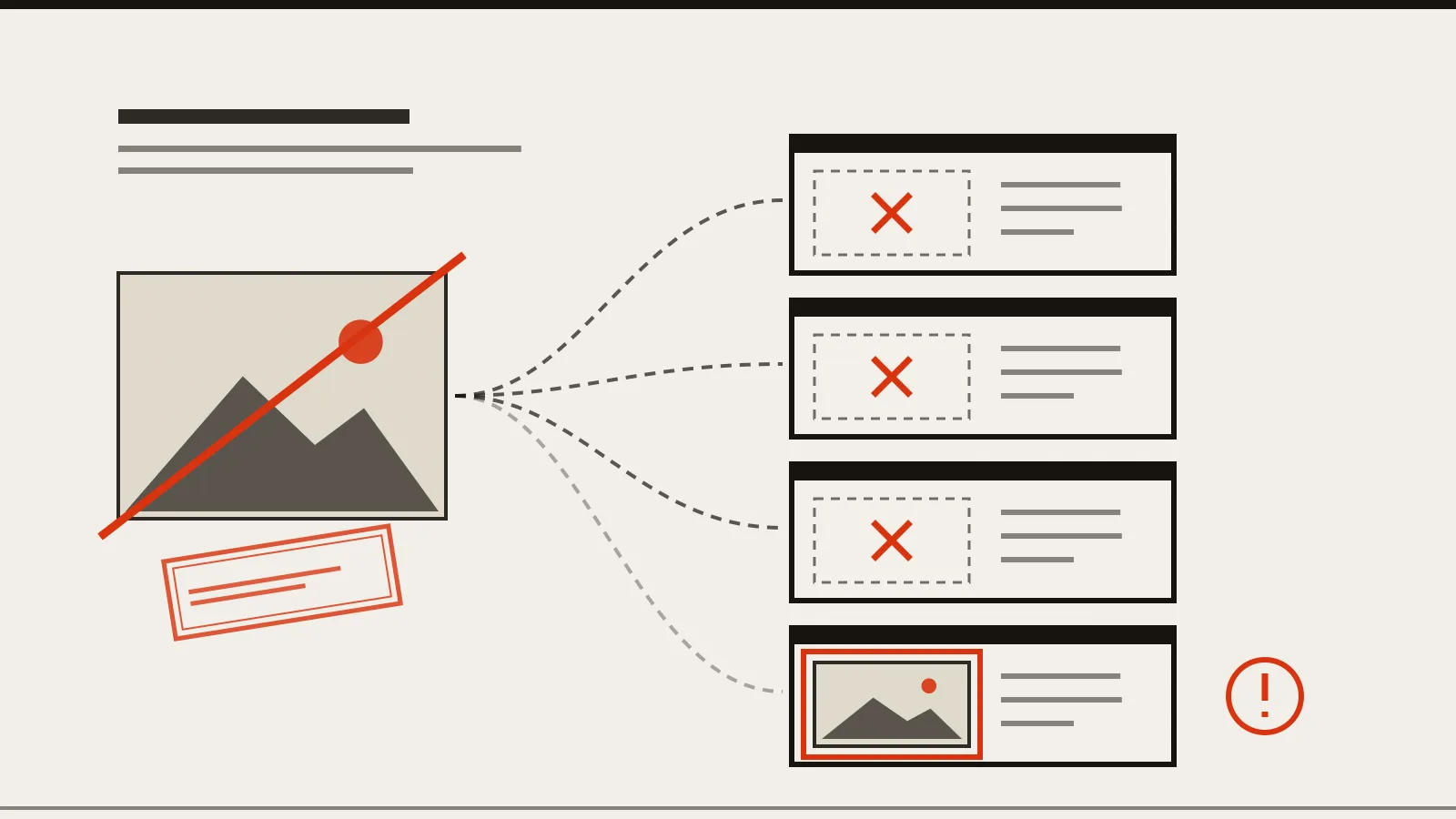
What does an Imgur copyright takedown request actually delete?
An Imgur copyright takedown request deletes one thing: the file stored on Imgur's servers. Everything that only points at that file goes with it. A forum thread, an old Reddit post or a blog that embeds the direct i.imgur.com address holds no copy of its own; it asks Imgur for the picture every time the page loads. Once Imgur pulls the file, those embeds show a broken frame or Imgur's grey placeholder, which Imgur keeps at i.imgur.com/removed.png (a 503-byte PNG when we fetched it on 9 October 2026). Copies that someone downloaded and uploaded again are another matter entirely. Pinterest, Medium, Patreon and itch.io store their own version of an image on their own servers, and a notice to Imgur never touches them. So the first job is not drafting a notice at all. It is sorting every copy you have found into two piles: "points at Imgur" and "lives somewhere else".
That sort decides how many notices you send and who reads them.
Skip it and the pattern is predictable. You file once, watch one copy vanish, and a week later find the same photo on a Pinterest board and inside a paid post. This is also why a separate Reddit DMCA takedown is often unnecessary: when a Reddit post is just an Imgur link, killing the source file blanks the post, and Reddit never has to act.
The image-address test: which copy are you really reporting?
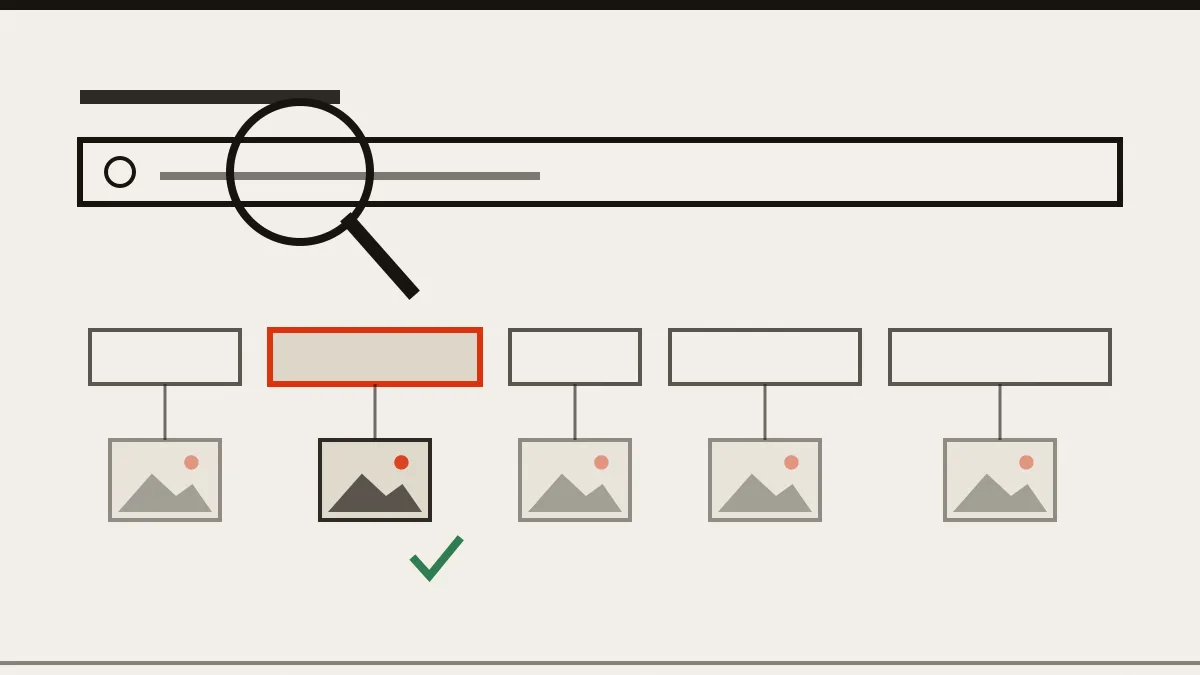
Right-click the stolen image and choose "Open image in new tab" (on a phone, long-press and pick the same option). Then read the address bar up to the first slash. That host name is the company holding the copy, and it is the company your notice has to reach, whatever site you happened to see the picture on. We ran this check against the platforms in this briefing on 9 October 2026 and recorded the hosts their pages actually served images from.
| Address begins with | Who holds the copy | Where the notice goes |
|---|---|---|
| i.imgur.com | Imgur (MediaLab.Ai Inc.) | abuse@ |
| i.pinimg.com | Its copyright form or copyright@ |
|
| cdn-images-1. |
Medium | Its form or copyright@ |
| c10. |
Patreon | Its support form or copyright@ |
| img.itch.zone | itch.io | support@ |
| web. |
Internet Archive | info@ |
| a domain you don't recognise | an independent site | its host, then its registrar |
A practitioner note from our own files: when we run this sort for a client, the list of "copies" usually shrinks before it grows. Three appearances on three forums often turn out to be one Imgur file shown three times, which is one notice, not three. The reverse happens too. Sometimes a picture that looks like an embed on a blog turns out to be a re-upload on the blog's own server, and then the blog's host is the address that matters. Two habits save time here. We record the full file address, not just the page address, because the page can change while the file stays put. And we recheck after the source is gone, since some forum software runs an image proxy that keeps a cached copy of its own. Social platforms behave the same way: X, Facebook and Instagram re-host everything you upload, so a Twitter DMCA takedown request or a Facebook copyright takedown is needed for each copy there, whatever happens on Imgur.
How do you send an Imgur DMCA takedown notice?
You send an Imgur DMCA takedown notice by email to abuse@imgur.com, or by post to MediaLab.Ai Inc. c/o Imgur, 8023 Beverly Blvd, Suite 347, Los Angeles, CA 90048. That is the route set out in Imgur's Terms of Service, in the version effective 2 October 2026. The notice needs the standard elements: the work you own, the Imgur URLs to remove, a good-faith statement, a statement under penalty of perjury that you own the right or act for the owner, your signature, and a way to contact you. Imgur adds a condition most platforms do not. It asks for your US copyright registration number, or a copy of your filed application, and says that because "a high percentage" of notices are invalid it "reserves the right to ignore" notices based on unregistered works. The same terms say registration currently takes about seven months, and that trademark complaints follow the same procedure.
That registration clause is where UK owners get stuck. Here is the order we file in.
- List every direct URL. Collect the i.imgur.com file address and the imgur.com post or album address for each copy.
- Pick the door. If you created the image, it is a copyright matter for abuse@imgur.com. If it shows you, or breaks Imgur's rules without being your work, use Imgur's removal request page, which asks for the full URLs and "a detailed reason". Some cases qualify for both.
- Deal with registration honestly. A US-registered work gets its number. A photo first published in the UK is not a "United States work", and US law's registration requirement before suing applies only to US works (17 U.S.C. § 411). Say that in one plain sentence. Imgur keeps its discretion, so this is not a guarantee.
- Sign and send from an inbox you watch. Imgur's terms say that where it believes the use is fair use, it will try to notify the uploader and may refuse to remove the material.
- Keep evidence. Screenshot each copy with the date and keep your sent email.
On repeat offenders, the terms say Imgur will block or remove the images and terminate the accounts of anyone it identifies as a "repeat infringer", while a legitimate counter-notice does not count toward that status.
One more UK quirk. Imgur has blocked UK visitors since 30 September 2025, showing "Content not available in your region", after the Information Commissioner's Office looked into its handling of children's data; the ICO fined owner MediaLab £247,590 in February 2026 (ICO, 2026). The block does not remove anything. The file is still served to the rest of the world and still shows inside embeds viewed from abroad, so a UK victim who can no longer see the image should not assume it is gone. The imgur dmca takedown notice still works by email from the UK.
Pinterest, Medium and LinkedIn keep their own copy
These three re-host. A notice to Imgur leaves their copies untouched, so each needs a notice of its own.
Pinterest DMCA takedown
A Pinterest DMCA takedown starts on Pinterest's copyright policy page: the complaint form linked there, an email to copyright@pinterest.com, or a letter to its Copyright Agent in San Francisco. Only the owner or someone "authorized to act on behalf of one" may file. Pinterest says it may send the pinner "a complete copy of the notice, including your full legal name", so assume the person who saved your work will see who you are. Content found to infringe is disabled or removed. Repeat offenders can lose the ability to save Pins or have the account disabled, and after a valid counter-notice, reinstatement "can take up to 14 business days." Pins copy the image onto Pinterest's own servers, which is why the image-address test matters here. Removing the Imgur original does not empty a board, and a board copy also feeds image search, where a Google Images removal service only helps once the source pages are dealt with.
Medium DMCA takedown and the Medium article DMCA notice
A Medium DMCA takedown goes through the form at the foot of Medium's Copyright & DMCA Policy, by email to copyright@medium.com, or by post to its designated agent at A Medium Corporation in Dover, Delaware. Your Medium article DMCA notice can cover copied text, copied images or links to infringing material, and a typed full name counts as the signature. Medium processes notices in the order received and warns that duplicates slow things down. Once it removes or restricts a post, it tries to send the writer a copy of your notice along with counter-notice instructions, and it forwards the complaint to Lumen, the public database of takedown requests. So a medium copyright takedown is not private. Repeat violators may be suspended, warned or, in serious cases, permanently terminated. If what bothers you is the writer's opinion of you rather than words you wrote, medium copyright violation removal is the wrong tool, and the policy itself reminds filers that knowing misrepresentation carries liability under section 512(f).
LinkedIn DMCA takedown or a trademark report?
A LinkedIn DMCA takedown uses the Notice of Copyright Infringement form linked from LinkedIn's Copyright Policy, or post to its Copyright Agent in Sunnyvale, California. Expect the other side to learn your details: LinkedIn says it may forward the notice, "including the complainant's contact information", whether or not it removes anything. Trademarks have their own lane. LinkedIn's trademark help page points to a separate Notice of Trademark Infringement form, with a matching counter-notice form, and both are made under penalty of perjury. Pick the lane by what was taken. Your article or photo is copyright. Your company name or logo on a fake page is trademark. If someone is pretending to be you personally, neither form fits well, and the people-search question of can you report someone on LinkedIn for a fake profile is answered by the impersonation report, the same split as an Instagram impersonation report versus a copyright form.
Patreon copyright infringement: when the leak runs the other way
Patreon copyright infringement comes in two directions, and only one of them is Patreon's to fix. In the first, someone copies your art or writing and sells it to their own patrons. That copy lives on Patreon, so a patreon dmca takedown applies. You can file through the Patreon support form for copyright, or email the designated agent at copyright@patreon.com, both listed on Patreon's copyright policy. The policy covers hosted files and links, and its repeat-infringer termination rule reaches creators and patrons who host files or post the accused links. In the second direction, your own paid posts are scraped from Patreon and dumped on a leak site or a chat channel. Patreon cannot remove those, because its policy refuses notices about material that does not "reside, occur on, or pass through our system or network". The patreon copyright takedown notice then goes to the leak site's host, not to Patreon.
Two details trip people up. First, Patreon says it "may pass along information" from your notice, "including your name and contact information", to the creator, and suggests filing through an agent if that worries you. Second, nothing on the Patreon report copyright infringement page sets a deadline for the creator to respond, so plan on email follow-ups. Filing a patreon copyright takedown against a seller on the platform is quick. No patreon dmca notice can follow a leak off the platform.
Leaks of paid work rarely stay on one site. The same files that leave Patreon tend to surface in chat apps, which is the Telegram channel copyright infringement problem, and creators on subscription platforms face the same paywall-to-leak pattern our OnlyFans DMCA takedown service briefing works through.
Found the same file on five platforms and not sure which notice comes first? Send us the links for a confidential review. We sort hotlinks from re-hosts before anything is filed, and we tell you plainly when a copy cannot lawfully come down.
Itch.io copyright claim or Redbubble copyright claim: when someone sells your work
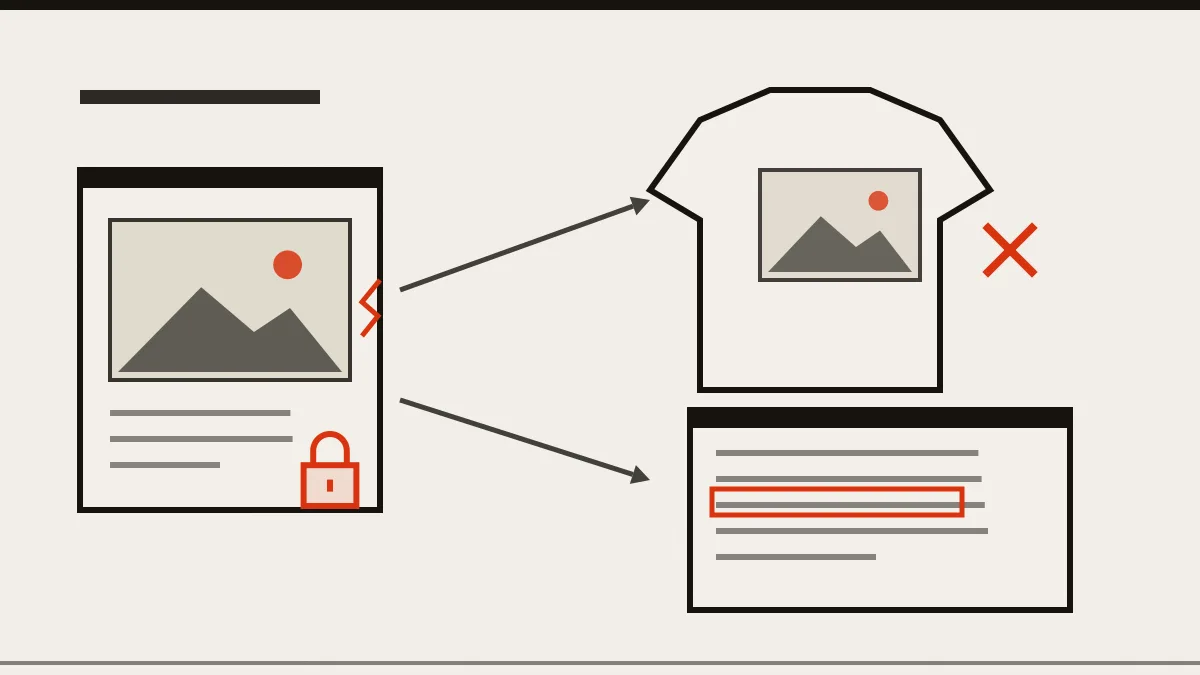
An itch.io copyright claim is an email. itch.io's terms direct DMCA notices to support@itch.io; there is no dedicated form, and a search for itch io dmca turns up the same address. What surprises filers comes afterwards. itch.io publishes takedown notices as individual public pages at itch.io/takedowns/ followed by a number. We opened one on 9 October 2026, a notice about a game titled "Lossless Scaling" published on 8 November 2025, and it showed the full letter, the infringing URLs, and the filer's name, job title and company. So an itch.io copyright infringement report is, in practice, a public document with your name on it. If that is a problem, have a solicitor or agent sign the itch.io dmca takedown request instead. The terms say a counter-notifier consents to federal court in San Francisco, and that material may come back after 10 to 14 business days unless you file suit.
Will itch.io remove infringing content quickly? The terms promise no turnaround, so give it no reason to stall: an itch.io dmca removal request that names the exact page URL, links the original you own and covers one game per email is the easiest kind to act on.
Redbubble does not run a pure DMCA process. Its help centre says it follows a takedown process "modeled after" the DMCA, and its IP/Publicity Rights Policy covers three kinds of right: copyright, trademark, and publicity rights, meaning your name, image and likeness used commercially without consent. That third category matters. Your drawing printed on a mug suits a Redbubble copyright notice; if the mug shows your face, the publicity-rights lane can fit better. Sellers answer a Redbubble copyright claim with a counter notice, and Redbubble's Counter Notice FAQ (updated October 2023) asks for the listing URL, a reasoned explanation and supporting evidence such as original files, timestamps or licences. Redbubble's operator was renamed Articore Group in 2023, though the address bar still says redbubble.com. For an artist, the practical point is the evidence pile: keep the layered source file and the first upload date of the original, because those are what settle a contested claim.
Kick, Pastebin and Lipstick Alley: streams, text dumps and gossip threads
Kick DMCA takedown request
A Kick DMCA takedown request goes by email to dmca@kick.com; Kick's DMCA policy lists no web form and no postal address. Counter-notices go to the same inbox, and Kick emails valid ones to the copyright owner. Kick says it will suspend or terminate accounts it decides are a "repeat infringer", without publishing a count, and may act on a blatant single case at its "sole discretion". The operator named in its terms (dated 23 March 2026) is Kick Streaming Pty Ltd, and those terms choose English law with arbitration in London. For a stream, name the exact VOD or clip address and the timestamp where your music or footage plays, since a channel link alone gives the reviewer nothing to find. Clips of a stream often travel to YouTube, where the YouTube copyright takedown form handles the re-upload, and where the copyright claim vs copyright strike difference decides what happens to the uploader's channel.
Pastebin DMCA takedown
A Pastebin DMCA takedown uses the form at pastebin.com/dmca. It asks for your name, address, phone and email, the original work, and the infringing links, "max one URL per line" and Pastebin addresses only, followed by three statements under penalty of perjury. No turnaround time is published. Pastebin dumps are often not a copyright problem at all: a pasted password list or a doxxing note belongs on the separate report-abuse form. When a paste is paired with a demand for money, that is extortion, and the evidence-first steps to report Telegram extortion or a counterfeit seller apply just as well to a paste link.
Lipstick Alley DMCA takedown
A Lipstick Alley DMCA takedown is the narrowest door here. The forum blocked our fetches on 9 October 2026 and we found no first-party DMCA page, so look up its designated agent in the US Copyright Office's DMCA designated agent directory before sending anything. Copyright covers your photo or your own words reposted in a thread. It does not cover gossip about you. The site's history points the same way: in Hall v. LipstickAlley.com (2011), Public Citizen defended an anonymous poster against an unmasking bid, and a 2012 dispute saw the forum change hosts rather than take posts down. If the posts are abuse rather than copied work, the routes in our guide on how to report harassment on Facebook and social media platforms are the closer fit.
Internet Archive DMCA takedown and infringing domain removal
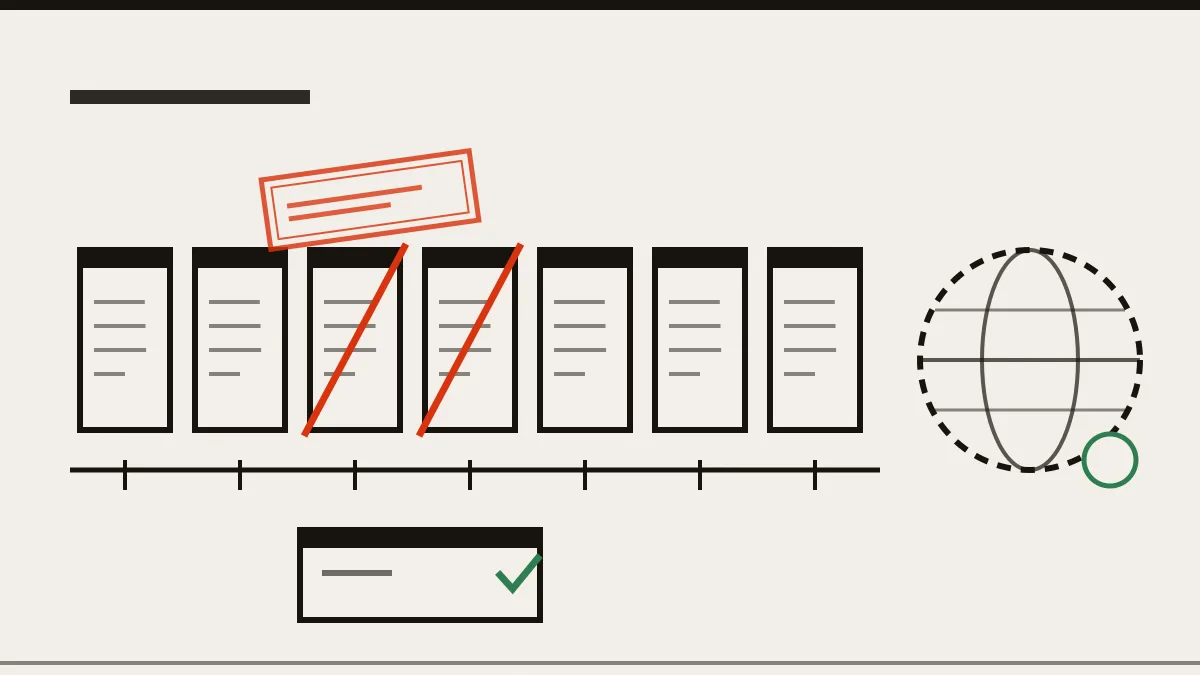
An Internet Archive DMCA takedown targets copies with no social platform behind them. The Wayback Machine stores its own snapshot of a page, images included, so deleting the original never touches the archived version. The Archive's removal help page tells you to email info@archive.org. If you own the site, include the URLs, the time period you want excluded, and the period when you controlled the site. The Archive says it cannot make "guarantees beforehand about the outcome of a request." Its rights page gives the copyright agent's address as 300 Funston Avenue, San Francisco, and says that after a counter-notice the Archive may wait 10 to 14 days before restoring material unless the owner has gone to court. In practice an internet archive copyright takedown is the quietest notice on this list: the snapshot is removed or excluded and nobody else is notified.
Infringing domain removal is a different scale of problem. When an entire site copies your work, or clones your brand, no single platform holds the switch. The notice goes to the site's host first, then to the registrar if the host will not act, and search engines can delist individual URLs but not a whole domain on copyright grounds. Our domain takedown service briefing sets out who holds each switch, and a cloned site that collects logins or payments belongs on the faster phishing domain takedown route instead.
What can't a DMCA notice remove, and when is an infringement report service worth paying?
A DMCA notice removes copies of expression you own. It cannot remove facts, opinions about you, truthful reporting, public records, or your name mentioned in a thread. Those call for a defamation route where the words are false, a privacy route where the law gives one, or lawful suppression in search. We will not draft a notice claiming copyright you do not hold. Bluffing means a false statement under penalty of perjury; it exposes the sender to damages under section 512(f) of the US statute (17 U.S.C. § 512), and because Medium, Google and others publish notices to Lumen, it tends to make the original post more visible, not less. Our disclaimer sets out these limits in full. Be wary in the other direction too: messages that threaten you with an "Instagram copyright violation" and push you to a chat app are scams, as our briefing on the Instagram copyright violation WhatsApp messages explains, and no real platform asks for your password to settle a claim.
So when is an infringement report service worth it? When the copies run into dozens across hosts, when paid work keeps leaking after each removal, or when you do not want your own name on a public itch.io page or in Lumen. Hiring a medium dmca takedown service or a linkedin dmca takedown service buys, in the end, an agent who signs on your behalf and tracks each counter-notice clock. Any linkedin trademark infringement report service should also check that your mark is registered before it files. Walk away from anyone promising guaranteed removal, asking for account passwords, or demanding crypto up front.