What does a GitHub DMCA takedown service actually file?
GitHub posted 2,314 legal notices to its public takedown repository between 6 January and 8 October 2026. We counted them through the GitHub API on 9 October. Each one started a clock.
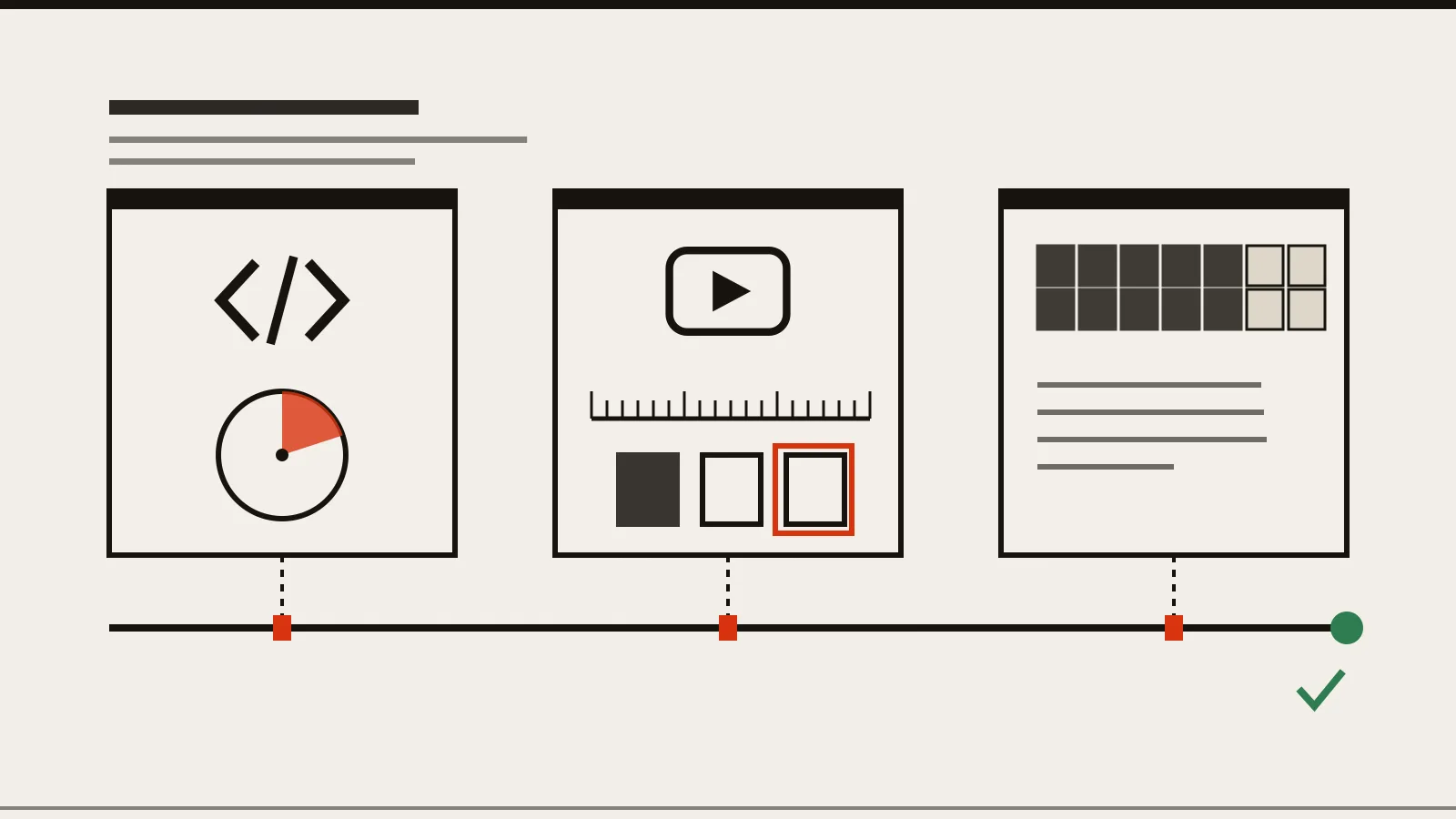
A GitHub DMCA takedown service is a person or firm that drafts and files a copyright notice with GitHub on behalf of whoever owns the copied code, text or other work. It has no private line into GitHub. The notice goes through the same copyright claims form at github.com/contact/dmca, or to copyright@github.com, that anyone can use, and it carries the same sworn statement that the sender owns the work or is "authorized to act on behalf of the owner" (GitHub's guide to submitting a DMCA notice). What you are paying for is preparation. GitHub asks the sender to identify the specific files, or the line numbers inside a file, that infringe, and to say so explicitly when everything at a URL is a copy. It publishes and acts on notices it treats as complete and actionable. A notice that points at a repository and says "this is ours" does not meet that bar.
Once a notice is accepted, GitHub tells the repository owner and gives them "approximately 1 business day" to delete or change the content. If nothing changes, the repository is disabled (GitHub DMCA Takedown Policy). Forks are handled on their own terms. A network larger than one hundred repositories comes down as a whole only when the notice states that the sender has reviewed a representative number of forks and believes they infringe; below that, each fork has to be listed.
Then the notice goes public. A redacted copy is committed to the github/dmca repository, with personal details stripped except usernames in URLs, and it stays there.
Two edge cases change the route entirely. A claim that a project gets around a technical protection measure is a section 1201 circumvention claim, not plain copying, and GitHub says it reviews those "closely, including by both technical and legal experts". That extra scrutiny dates from the youtube-dl takedown, after which GitHub pledged $1M to a developer defence fund in November 2020. The second case is leaked secrets. If what escaped is an access token or a password, a copyright notice is the slow tool: rotate the credential first, then file under GitHub's separate Private Information Removal Policy, which covers access credentials such as tokens.
What GitHub's 2026 ledger says about who files
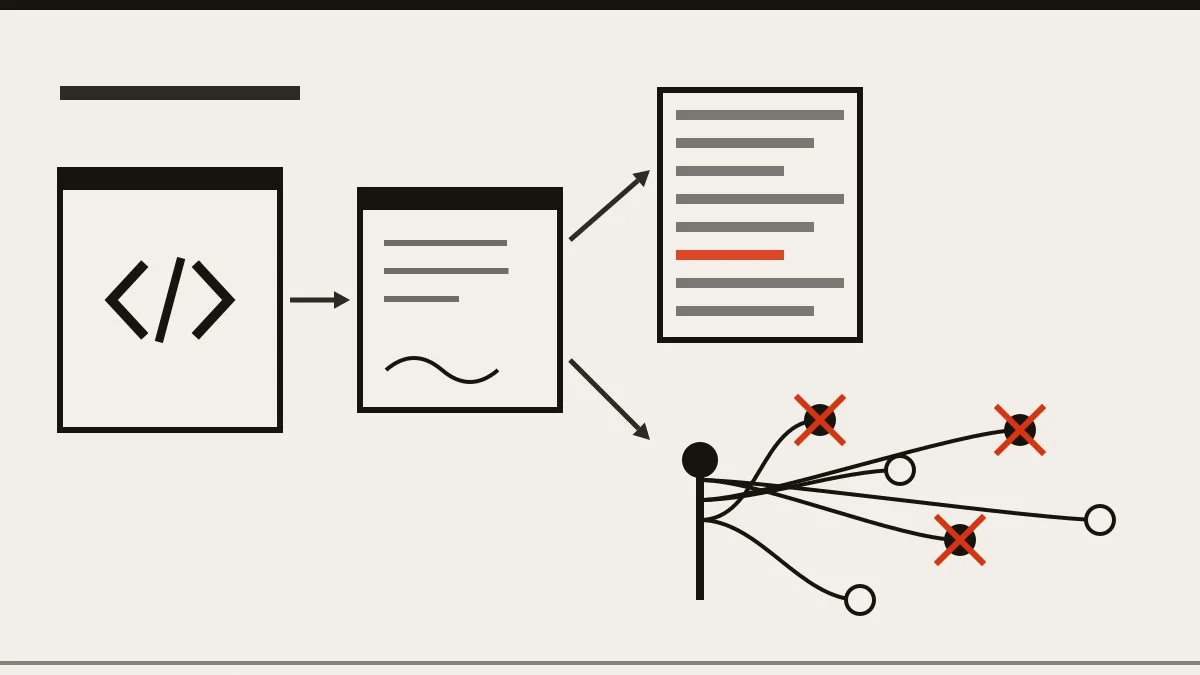
Our count of the 2026 folder in github/dmca, taken on 9 October 2026, found 2,277 takedown notices, 33 counter notices and 4 retractions dated 6 January to 8 October. The same stretch of 2025 held 1,953 files, so volume is up roughly 18% on the year. Counter notices are rarer too: 1.4% of 2026 notices drew one, against 2.6% (50 of 1,891) over the same weeks of 2025. The 2,277 notices came from 1,270 distinct filer names, and 1,030 of those names appear exactly once. JetBrains is the busiest named filer with 77 notices, followed by MonoLisa, a commercial typeface, with 38.
Read plainly, the typical GitHub notice is one owner protecting one thing, once. Repeat filers are publishers with a paid product to defend.
So does a one-off owner need a GitHub DMCA takedown service at all? Often not. Paid help earns its fee in five situations: a fork network past the hundred-repository line, code that was partly rewritten so the copying has to be shown line by line, a circumvention claim, a counter notice that has to be answered before the 10 to 14 day restore, and the same leak mirrored across several hosts at once.
How long does a YouTube copyright strike last?
Ninety days, with a condition attached. YouTube's own wording is that copyright strikes "expire in 90 days if you complete Copyright School" (YouTube Help, copyright strike basics).
How long does a YouTube copyright strike last when nothing else happens? Each strike counts down from the day it is issued, so a channel with two strikes issued a month apart clears the first one a month before the second. The countdown only finishes for an owner who has completed Copyright School, a short course of four questions inside YouTube Studio, and it only matters while the channel stays under three strikes. During those 90 days the removed video stays removed, the strike sits on the channel's record, and one more strike moves the owner closer to losing everything. There is one extra penalty worth knowing. If the strike came from a live stream that was taken down for copyright, live streaming access is restricted for seven days. Nothing about the expiry is automatic for the person who filed the complaint, either: they cannot shorten the clock except by retracting the request.
How many copyright strikes on YouTube before a channel is terminated?
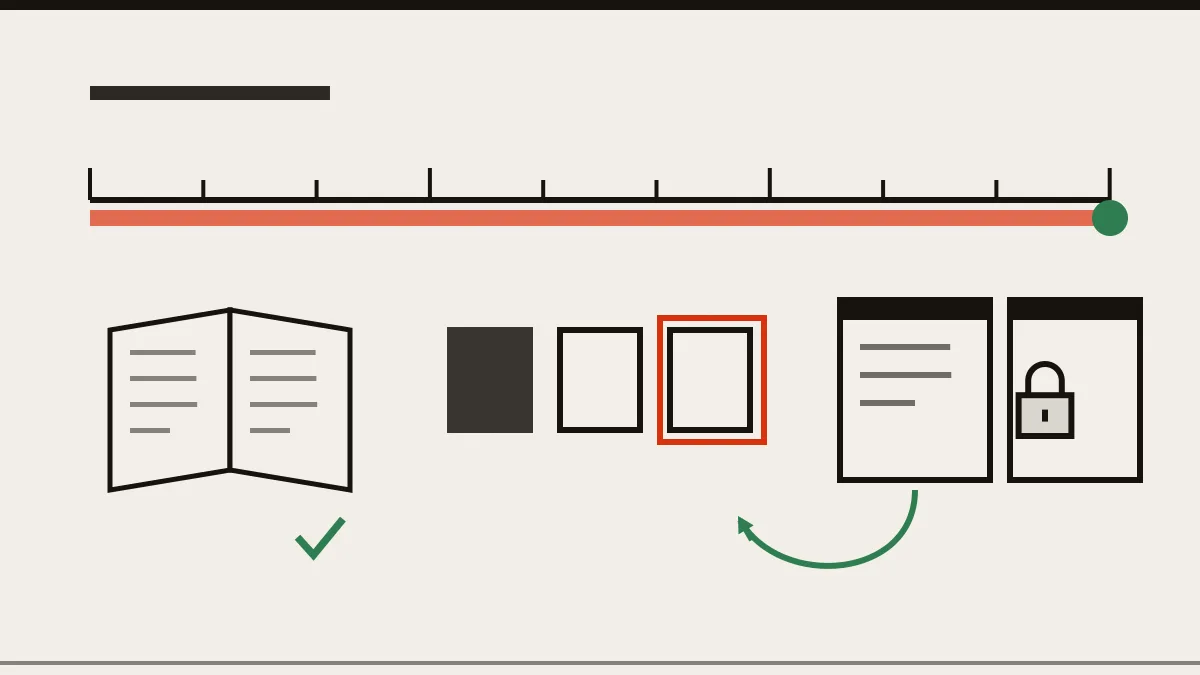
Three. With three active copyright strikes, "your account, along with any associated channels, is subject to termination", and the owner can't create new channels. People who search how many copyright strikes youtube allows often mix two separate ledgers. Community Guidelines strikes are the other one: a first violation is typically only a warning, and three guideline strikes inside 90 days also end the channel. A copyright termination is harder to come back from, because YouTube's pilot that lets terminated creators ask for a new channel after a year excludes anyone terminated for copyright infringement.
Instagram runs its own strike system, and there too the count of reports does not decide the outcome (how many reports to get banned on IG).
How to remove a copyright strike on YouTube
YouTube lists three ways out, and only three. Complete Copyright School and wait 90 days. Get a retraction from the person who filed. Or submit a valid counter notification.
A retraction is the claimant's decision. They withdraw the request in YouTube Studio, or by email from the address that filed it, and YouTube does not accept a retraction of the strike alone while the removal stands. A counter notification is a legal statement that the removal was a mistake or that your use was lawful. YouTube passes it to the claimant, who then has 10 US working days to show they have started a court action, or the video comes back (YouTube Help, counter notification). Anyone who tells you how to remove copyright strike on youtube through a contact inside YouTube is selling something that does not exist.
Every copyright clock on one page
Every notice starts a timer, and the timers differ by desk. This is the ledger we work from, checked against each platform's own policy page in October 2026.
| Notice or event | How long the clock runs | What stops it |
|---|---|---|
| GitHub takedown notice | About 1 business day for the owner to change the code | Edit, deletion or disabled repository |
| GitHub counter notice | 10 to 14 days | Restore unless the filer shows legal action |
| YouTube scheduled removal request | 7 days | Uploader removes the video and avoids a strike |
| YouTube copyright strike | 90 days, once Copyright School is done | Expiry, retraction or a valid counter notification |
| YouTube counter notification | 10 US working days | Restore unless the claimant shows a court action |
| YouTube live stream removed for copyright | 7 days without live streaming | Time |
| Content ID dispute, then appeal | 30 days for the claimant to answer, then 7 days on appeal | Release, or a removal request that carries a strike |
| Vimeo counter notice | 10 business days | Restore unless a lawsuit is notified |
| Wattpad counter notice | 14 business days | Restore unless the filer notifies a claim |
| Scribd counter notice | More than 14 days ignored | Restore |
| itch.io counter notice | 10 to 14 business days | Restore unless a court action is filed |
| Dailymotion counter notice | No published number | Restoration at Dailymotion's "sole discretion" |
The Content ID row is the one that surprises people. A claim is not a strike, but if the claimant rejects an appeal they can turn it into a removal request, and that request does carry a strike.
Read the table as a list of deadlines that belong to different people. The first clock after any notice belongs to the uploader, who can fix, delete or contest. The second belongs to the filer, who must answer a counter notice with evidence of a lawsuit or watch the content come back. Only the strike clocks belong to the platform itself, and in this table only YouTube and Vimeo spell theirs out. Two numbers are also softer than they look. "Business days" and plain "days" are not the same promise, and GitHub's policy says 10 to 14 days without the word business, while Scribd counts calendar days. Count from the date on the platform's email, not from the day you filed, and keep that email: it is the only proof of when your clock started if the other side later says you missed a deadline.
How to file a DMCA takedown: six things every desk checks
How to file a DMCA takedown comes down to six elements written into US law, and every platform form above simply rearranges them (17 U.S.C. § 512).
- A physical or electronic signature of the owner, or of someone authorised to act for them. Most web forms accept a typed full name.
- Identification of the work that was copied: the original URL, an ISBN, a registration number, or a plain description if it was never published online.
- Identification of the copy, precise enough for a stranger to find it. That means a URL plus file and line numbers on GitHub, timestamps on a video, chapter numbers on a story.
- Your name, address, telephone number and email.
- A statement that you believe in good faith the use is not authorised by the owner, its agent or the law.
- A statement that the notice is accurate and, under penalty of perjury, that you are the owner or authorised to act for them.
That list is how to dmca takedown anything hosted by a US service. The harder part is the address. A platform with a DMCA page names its own designated agent; a standalone site usually does not, and then the notice goes to whoever hosts it, a route we cover in website takedown service vs domain takedown. A notice is a sworn statement, and section 512(f) makes anyone who knowingly misrepresents that material infringes liable for the damages, costs and legal fees of the person it hits. It cuts the other way too. Fake copyright notices are now a standard lure: in June 2026 researchers at PCrisk documented emails posing as Google's copyright agent that pushed Chrome extension developers to a counterfeit sign-in page behind a 48-hour countdown. A real notice never asks for your password, and a fake one belongs with a phishing takedown service, not in your reply box.
How to file a copyright strike on YouTube, and what cannot be struck
There is no strike button. A strike is what lands on the uploader when YouTube accepts a copyright removal request against their video, so how to file a copyright strike on youtube and how to file a dmca takedown on youtube are the same task under two names.
Sign in, open YouTube Studio, choose Content detection and then Removal requests (a few help pages still call the menu Copyright), and start a new request; the old public webform address now forwards there, which is why even reporting a stranger needs a Google account. That is how to report copyright on youtube today. The request asks for the video URL, the type of work, where your original lives, timestamps, and whether you are the owner or "an authorised representative, such as a lawyer". Two choices shape what follows. The scheduled option makes the request take effect in seven days, which "gives the uploader seven days to take action and avoid a copyright strike" (YouTube Help, removal requests). The Prevent Copies box asks YouTube to block later re-uploads of the same video, but it needs you to control worldwide distribution and cannot be ticked afterwards.
People searching how to give someone a copyright strike on youtube, how to send copyright strike on youtube or how to give copyright strike on youtube are asking the same question with a different verb. File the request; the strike follows if it is accepted. How to copyright strike a youtube video is one URL per line of that request, and how to copyright strike someone on youtube is that, repeated for every video of yours they uploaded. Your name is shown where the removed video used to be, and what the uploader can learn about you is covered in our note on the YouTube copyright takedown form. YouTube's own 2025 transparency report flagged over 6% of public webform requests as abusive, and a filer who misuses the process can lose their own account.
Copies of your work on several platforms? Send the URLs and one proof of ownership through our confidential review. We tell you which clock each notice starts, which desk will read it, and whether copyright is the right law at all, before anything is charged.
Can you copyright strike a whole YouTube channel or account?
No. YouTube answers it in one line: "you can't submit a copyright removal request for an entire channel or playlist." So how to copyright strike a youtube channel, or how to copyright strike a youtube account, has an indirect answer. You list each infringing video. Three accepted requests that produce three active strikes put the account and its associated channels up for termination. Anyone who wants to know how to report a youtube channel for copyright should know that non-video material, such as a channel banner built from your photograph, goes by email to copyright@youtube.com instead of the form. When the channel itself is the problem rather than the copies, see how to take down a YouTube channel for the routes that work at channel level.
Claim or strike: what can one person actually send?
Most people asking how to copyright claim someone on youtube cannot. A claim is made by Content ID, a matching system YouTube grants to large catalogue owners; its 2025 transparency report counted 7,626 users with Content ID access in December 2025, against more than 4.1 million with access to the Copyright Match Tool. A claim leaves the video up and moves the money, or blocks it in some countries, and claims "usually don't impact your channel or account". An individual creator's tools are the removal request, which can lead to a strike, and the Copyright Match Tool, which only finds re-uploads made after your own first upload and then offers to request removal or contact the channel. The difference matters for what the other side feels, which is the whole subject of copyright claim vs copyright strike.
Vimeo, Dailymotion, Rumble and BitChute: same law, four desks
How to DMCA a Vimeo video, or file DMCA on Rumble
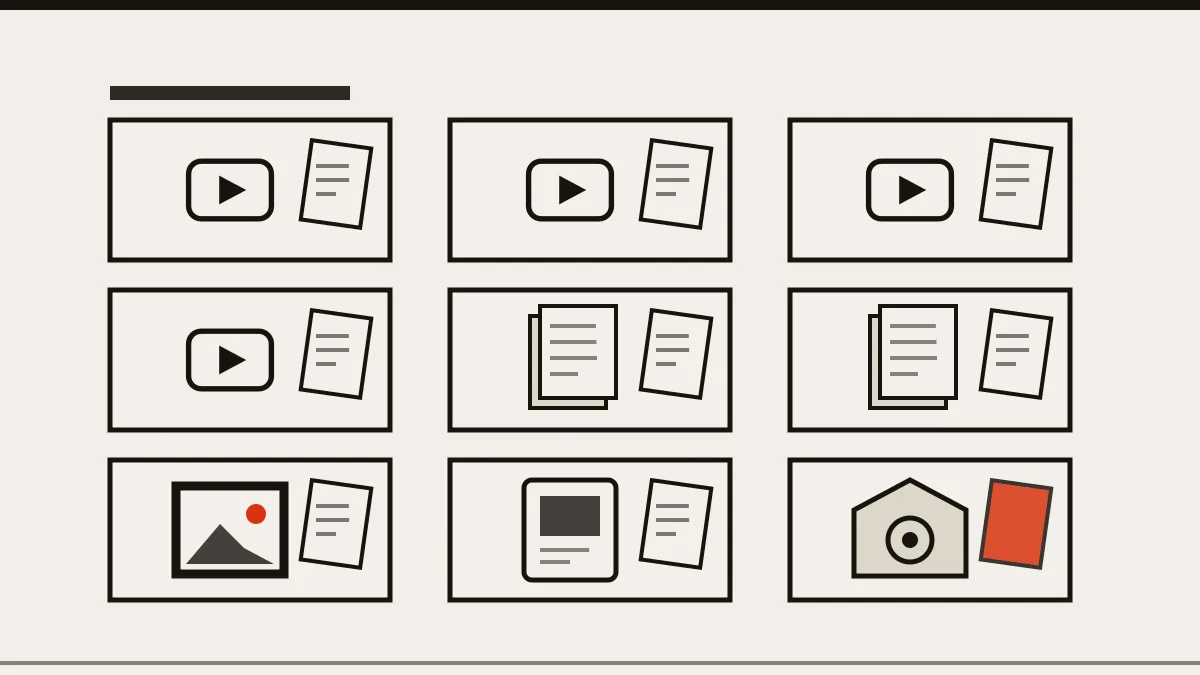
Vimeo is the strictest desk on this page, and the clearest. How to dmca a vimeo video: use the claim form at vimeo.com/dmca/claim, email dmca@vimeo.com, or post the notice to its copyright agent in New York (Vimeo DMCA policy). Vimeo is one of the few services outside YouTube that uses the word strike. A "DMCA strike" accrues each time material is removed, and Vimeo will terminate accounts that receive three, or fewer when it sees fit. A strike drops off if a counter notice restores the video or the claim is withdrawn, and restoration follows if no lawsuit is notified within ten business days. Because the strike is tied to the removal, a filer who withdraws the claim also lifts the strike, so a retraction is worth asking for there just as it is on YouTube. Vimeo also warns that it may share notices with the affected user and with third-party databases.
How to file dmca on rumble is mostly a postal question. Rumble's DMCA page names a designated agent at Rumble Canada Inc. in Toronto, asks bulk filers to use the subject line "ONGOING DMCA", and says repeat infringers can be terminated without giving a count (Rumble DMCA policy). One line deserves a second read: "Claimant information will be published on the Rumble site at anytime." If your name on a public page is a problem, that is a reason to file through an authorised agent.
How to report a video on Dailymotion for copyright, or on BitChute
How to report a video on dailymotion for copyright is the standard six-element notice through its legal copyright page. Dailymotion forwards any counter notice "along with your personal information", restores content at its own discretion, and publishes no strike count (Dailymotion copyright policy). The search how to file a copyright complaint bitchute leads to an equally short policy: email copyright@bitchute.com with a subject line that begins "Copyright Notice", and expect your contact details to be passed to the uploader (BitChute copyright policy).
Re-uploads rarely stay on one site. The same rip often turns up on TikTok, where the steps to get a TikTok video taken down differ again, and in Telegram channels, which need an in-app report as well as any notice (how to report a Telegram channel).
Wattpad, Scribd, DeviantArt and itch.io: stories, documents, art and games
How to file a DMCA takedown on Wattpad
Wattpad takes notices through its form at wattpad.com/help/DMCA or by email to copyright@wattpad.com. For how to report a story on wattpad for copyright from inside the app, tap the three dots at the top right of the story; on the web, use the "Report this story" button. Your original does not have to be on Wattpad: copies lifted from AO3 or Tumblr are in scope, though Wattpad wants the original author to file, not a fan. Wattpad is also one of the few desks that keeps the filer out of sight: "We do not share your personal details provided in the take-down notice with the other party." A counter notice is forwarded to you, and the story can return if you do not answer within 14 business days. Accounts with repeated infringements are closed. That is how to file a dmca takedown on wattpad without exposing your address to the person who copied you (Wattpad Help Center).
Scribd, DeviantArt and itch.io
How to file a dmca takedown on scribd: use the copyright form on Scribd's support site or email copyright@scribd.com. Scribd also runs BookID, a fingerprinting system that analyses text and removes matching or substantially similar uploads, but only approved content providers can use it, so a single author files by notice. The uploader is told by email, and a counter notice you ignore for more than 14 days ends with the document restored.
For how to file a dmca for art theft deviantart, DeviantArt offers a DMCA form through its contact page, which needs an account, or a PDF notice sent to violations@deviantart.com (DeviantArt copyright policy). It treats three strikes as a sign of a repeat infringer, and passing off someone else's work as your own can bring an immediate ban.
How to file dmca takedown itch.io has a one-line answer: email the notice to support@itch.io. Anyone asking how to start a copyright claim itch.io should know there is no claim button and no automated match. itch.io publishes each takedown at its own public page with the filer's name and company visible, email and phone redacted, and restores content 10 to 14 business days after a counter notice unless a court action is filed.
Amazon and trademarks: when the DMCA is the wrong law
How to report infringement on amazon starts at amazon.com/report/infringement, which requires you to sign in and is "intended for use by intellectual property rights owners and their agents" (Amazon Report Infringement). The same form takes copyright and trademark concerns. How to report trademark infringement on amazon at scale is Brand Registry's Report a Violation tool, and enrolment needs a pending or registered trademark.
How to report brand infringement on amazon is really three questions, because "brand infringement" is not one legal category. A seller using your name or logo is a trademark problem. A seller using your product photographs or listing text is a copyright problem. A seller copying the product's shape or mechanism may be a design or patent problem. Amazon's IP policy also lists things it will not enforce, such as exclusive distribution agreements, which are contracts rather than intellectual property. Before filing, gather the trademark registration number, or the date and URL where your photographs were first published, because that is the right any IP form will ask you to point to. In March 2023 Amazon sued sellers it accused of filing fake takedowns against rivals, so the sworn statement means the same thing there as anywhere.
How to report trademark infringement off Amazon is less tidy. Section 512 notice-and-takedown is written for copyright, and US law has no equivalent statutory procedure for trademarks, so each platform runs its own trademark form; Facebook's version is covered in Facebook trademark infringement report. In the UK, the government's advice for a dispute is to ask the other side to stop, try mediation, and go to court if that fails, with counterfeit goods reported as IP crime to Trading Standards through Citizens Advice (GOV.UK, defend your intellectual property).
What no notice can remove, and when outside help is worth paying for
Copyright protects expression. It does not protect an idea, a fact, a function or an algorithm, so a clean-room rewrite of your app, a review of your product, an opinion about your company or a truthful article about you cannot be taken down by any notice on this page. Open-source code used within the terms of its licence is not infringement either. Filing anyway is the worst option available: it invites a counter notice, a section 512(f) claim and a public record of the attempt, and on GitHub that record sits in a repository anyone can search. We do not file notices we would not sign ourselves, we never ask for a password, and we do not promise removal. Where what hurts you is lawful, the honest options are a response, a correction request or suppression in search, and we say which applies; our Google search results removal service note shows the forms that do exist. The limits are set out in our disclaimer.
Harassment and impersonation are separate lanes as well. Someone copying your face to pose as you is an impersonation report, the way you would report a Snapchat account for impersonation, and abuse aimed at you is an abuse report, whether you report abuse on Twitter or on YouTube.
When we prepare a GitHub notice, most of the hours go into the file-and-line map and the fork review, not the form; GitHub's own step is the short one once the notice is complete. On YouTube the slow part is usually proving ownership of footage that never appeared anywhere before the copy did, because the Copyright Match Tool cannot help when the copier uploaded first. A specialist is worth paying when the copies span several desks, when your name should not sit on a public ledger, or when a counter notice is already on the clock. Leaked paid content has its own playbook (OnlyFans DMCA takedown service), Reddit runs four separate desks (Reddit DMCA takedown), and messaging apps are where a DMCA reaches least (Telegram copyright infringement). For the platform-by-platform addresses behind every notice in this briefing, see our DMCA takedown notice by platform and by host guide, and for who signs our work, our team.