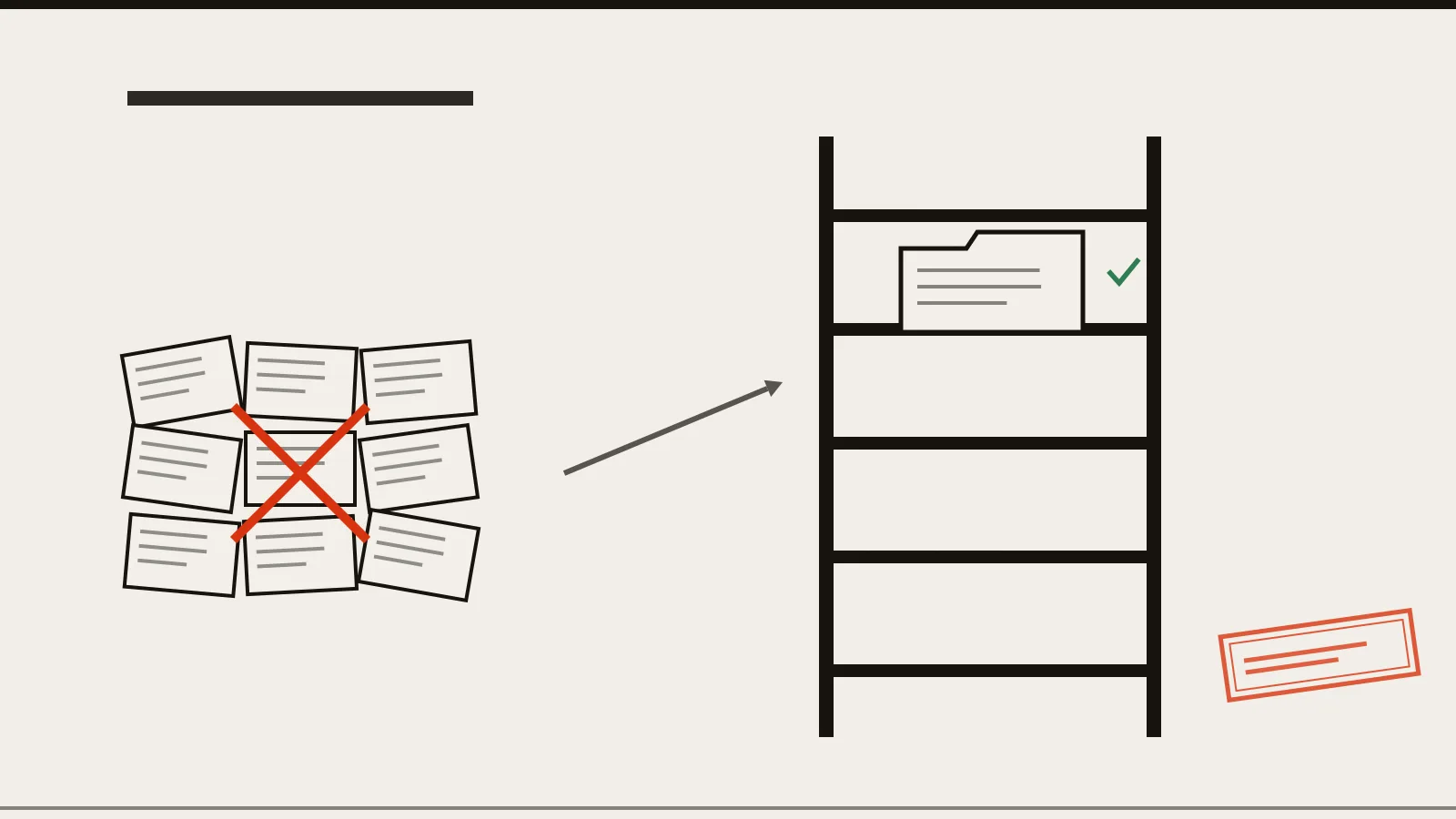
Who actually bans an Instagram account?
Nobody outside Meta can ban an Instagram account. You can file a report, attach evidence and choose the rule it breaks; a reviewer or a classifier then decides whether the account is disabled. That fact reshapes every search on the subject, from "how to ban someone on Instagram" to "how to ban someone Instagram ID" to the blunter "instagram how to get someone banned". The searcher is really asking which report gets an account removed. The report only carries a claim. What gets an account removed is a finding that it broke one of a handful of account-level rules. Instagram says so in plain words: "The number of times that something is reported doesn't determine whether or not it's removed from Instagram" (How Instagram decides what to remove). We covered the counting side, and why a pile of reports is not a vote, in our briefing on how many reports to get banned on IG. This page covers the triggers and the proof each one needs.
There is a second, smaller meaning hidden in the same words. Sometimes "ban" means keeping one person out of your own corner of Instagram. That part you control completely, and it takes ten seconds.
Banning someone from your own space
Block the account from its profile (Options, then Block). Instagram's own guide says people are not notified when you block them, and the block can extend to "any new accounts they may create". Restrict hides their comments from everyone but them. Neither touches the account itself.
The five triggers that end an Instagram account
When an account disappears for breaking the rules, it almost always comes down to one of five triggers. Each sits in a different part of Meta's rulebook, and each wants a different kind of report.
- One severe violation. Meta's Counting strikes page (updated 23 April 2025) says some violations, child sexual exploitation among them, can disable an account "after one occurrence". No second strike is needed.
- Strikes stacked inside a year. Ordinary violations, such as bullying or hate speech, earn strikes. Strikes expire after one year, so the pattern has to be recent and confirmed, item by item.
- Repeat copyright or trademark infringement. Intellectual-property reports run on a separate repeat-infringer count. Only the rights owner, or someone authorised by them, can file.
- A fake, impersonating or ban-evading account. Meta's Account Integrity rules (updated 28 May 2026) cover accounts "created or repurposed to evade a previous account or entity removal". Impersonation of a real person sits alongside.
- A user under 13. Instagram's Help Centre says it "will delete the account if we can't verify" the user meets the minimum age.
Everything else, however rude, removes the post and leaves the account standing. That is the short answer to how to get someone banned off Instagram: find the trigger first, then report against it.
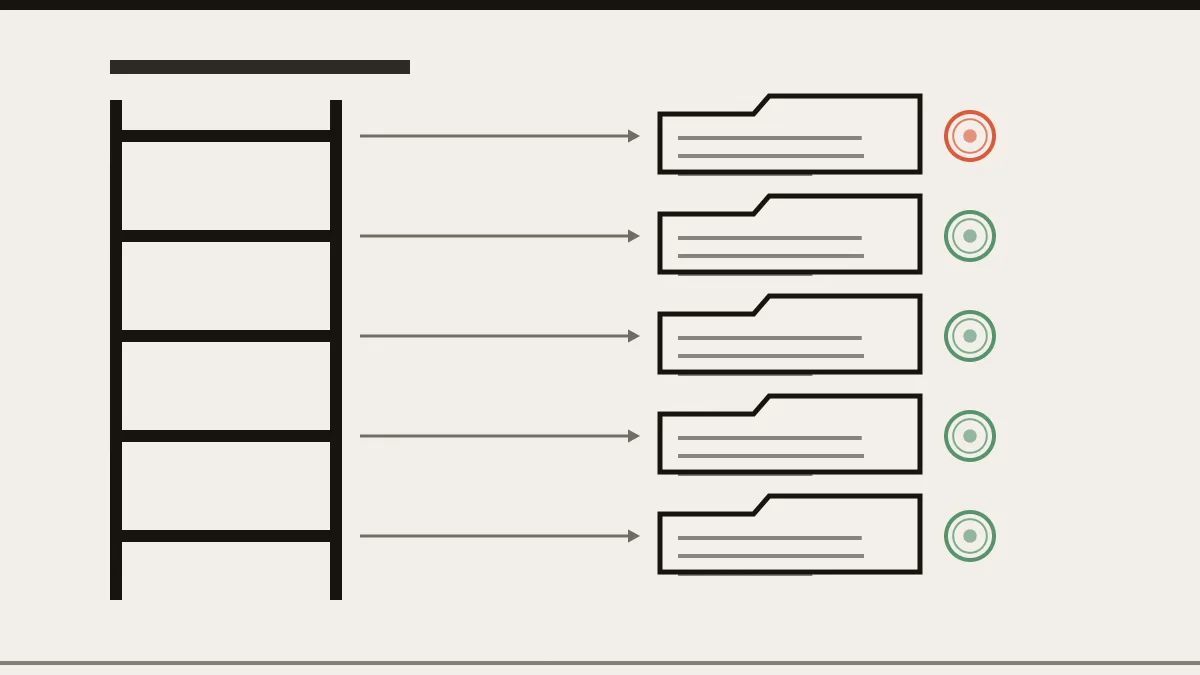
Evidence to outcome: what your report can realistically do
The table below matches what you actually have to the report that fits it and the result you can expect. It is the part most guides skip, and it is where most reports fail.
| What you have | Report to file | Most likely result |
|---|---|---|
| One abusive comment or DM | Item report on that comment or message | Item removed; maybe one strike |
| A pattern of harassment over weeks | Item reports on each, then a profile report | Strikes add up; disable only if confirmed |
| Stolen photos or reels | Copyright form, filed by the owner | Copies removed; repeat count grows |
| A fake account using your name or face | Impersonation form with ID | Account usually removed |
| An account that came back after a ban | Profile report, "pretending to be someone" or evasion route | Account removed if linked |
| Threats, sextortion or child safety | In-app report plus police | Fastest lane; one-strike disable |
| A user clearly under 13 | Underage report form | Account deleted if age not verified |
| Opinions you dislike, or old truthful posts | None that will work | Nothing, and the risk turns on you |
Read the last row twice. The table explains why so many people feel ignored: they file a profile report for a pattern that has never been proven item by item, and the reviewer sees one account with no confirmed violations. Reporting each post first, then the profile, gives the reviewer a trail of upheld decisions to lean on. It is slower. It is also how strikes get counted, because a strike attaches to a confirmed violation and not to a complaint. Think of the profile report as the cover sheet and the item reports as the file underneath it. A cover sheet on its own rarely persuades anyone, and the same reviewer who rejects a bare profile report will often act once three or four upheld item decisions sit behind it.
How to ban someone Instagram account permanently, and why many bans come back
A disabled account is not necessarily a permanent one. The owner can appeal, and a meaningful share of appeals win. In Meta's EU transparency report for 1 January to 30 June 2026, Instagram users filed 7,816,585 complaints about account suspensions or terminations, and 2,838,533 of those decisions were reversed, roughly 36% (Meta DSA transparency report, published 28 August 2026). Over the same six months Instagram terminated 30,115,659 accounts on its own initiative under its terms, and 58,838,153 of its 63,556,069 terms-based measures were made solely by automated systems (Meta regulatory transparency reports). Automation catches a lot, and it also gets a lot wrong, which is why appeals succeed. So the people searching how to permanently ban someone on Instagram are really asking which bans survive review. The ones that hold share a feature: the evidence was specific, attached to identifiable posts or messages, and matched a rule that does not depend on interpretation. Severe one-occurrence violations, proven impersonation and confirmed ban evasion tend to stick. Bans built on a vague "this account is toxic" report tend to come back.
The same applies to every phrasing of the question. Whether you type how to ban someone's instagram account permanently, how to ban someones instagram account permanently or how to ban someones account on instagram, the account only stays down if the record behind the decision holds up when a second person reads it.
How to IP ban someone on Instagram? There is no public IP ban
No Meta page describes banning a person by IP address, and the idea does not survive contact with how people connect: phones change IP addresses constantly, and whole households or offices share one. What Meta does publish is the rule against coming back. Its Terms of Use set a condition for joining: "We must not have previously disabled your account for violation of law or any of our policies." Account Integrity adds a rule for accounts made to evade a removal. In practice Instagram links returning accounts through signals it does not disclose. If the person you reported reappears under a new name, report the new profile, say it belongs to a previously removed account, and include the old username and the dates. That is the closest thing to an IP ban anyone can ask for, and it works better than the myth.
How to report an Instagram account to get it deleted
Strictly, you cannot get an account "deleted". Only the owner deletes an account; Instagram disables or removes it. People who ask how to get someone deleted on Instagram, how to get someone deleted off Instagram or how to make someones instagram account get deleted mean the second thing, and the steps are the same.
- Save the evidence first. Screenshot the profile, the username, the posts and any messages, with dates visible. Copy the profile link. Reported content can vanish, and you may need it for the police or a lawyer.
- Report the worst items one by one. On a post, tap Options above it, then Report. On a comment, tap and hold it, then Report. For messages, Instagram reviews up to 30 of the most recent messages in a reported conversation, so report inside the chat.
- Then report the profile. On their profile, tap Options in the top right, then Report, and pick the reason that matches your trigger from the list above. Instagram tells you that "the account that you reported won't see who reported them".
- Use the dedicated form when one exists. Impersonation, copyright and underage accounts all have their own forms, and those go to specialist teams rather than the general queue.
- Watch Support requests. Decisions on your reports appear under Settings, Help, Support requests. If a report is rejected, you can usually ask for another review.
This is the full answer to how to report an Instagram account to get it deleted, and to how to report someone on Instagram and get them deleted. Our guide on how to report an Instagram account adds the version for business, creator and private profiles, where the menus differ slightly.
How to ban someone reels on Instagram: report the reel, then the account
Searches like "how to ban someone reels on" Instagram are about a single creator whose reels keep breaking the rules. Report each reel from its three-dot menu, picking the precise reason each time. If the reels are your own stolen work, skip the generic report and file an Instagram copyright report instead, because a copyright removal also adds to the repeat-infringer count. Reels that harass a named person belong in the bullying lane; our walk-through on how to report harassment on Instagram explains which of the four lanes fits.
How to get someone banned on Instagram fast? The three lanes that move
There is no paid fast track and no secret menu. Three kinds of report genuinely move quickly, because the rules behind them are absolute and the harm is urgent. If you searched how to get someone banned on Instagram fast or how to get someone banned on Instagram immediately, check whether your case is one of them before anything else.
The first lane is imminent danger: threats of violence, self-harm, or someone in physical danger. Report in the app and call the police, who can contact Meta directly. The second is child safety and intimate images. Child sexual exploitation is a one-occurrence offence, and adults whose intimate images are shared can hash them through StopNCII.org, which Instagram uses to block matching uploads. The third is impersonation backed by ID. A form with a clear photo of your identity document, matched against a fake using your photos, is one of the few account-level reports that routinely ends in removal.
For everything else, speed is set by review queues, and the most recent public number is a median. In the EU, Instagram's notices under the Digital Services Act were acted on in a median of 28.89 hours in the first half of 2026, and Meta says every such notice is reviewed by a person; notices it declined to act on are left out of that figure (Meta DSA report, 28 August 2026). Ordinary in-app reports carry no published clock at all. In our experience the wait runs from hours to weeks, and a reply does not always mean a person read the report. If a lane above fits your case, use it first and file the ordinary report as well, so the account is reviewed on both tracks.
If this is happening to you now, talk to us confidentially. We review the evidence first, tell you which trigger it meets, and say so plainly when it meets none.
How to get someone banned on Instagram, Reddit edition: the methods, checked
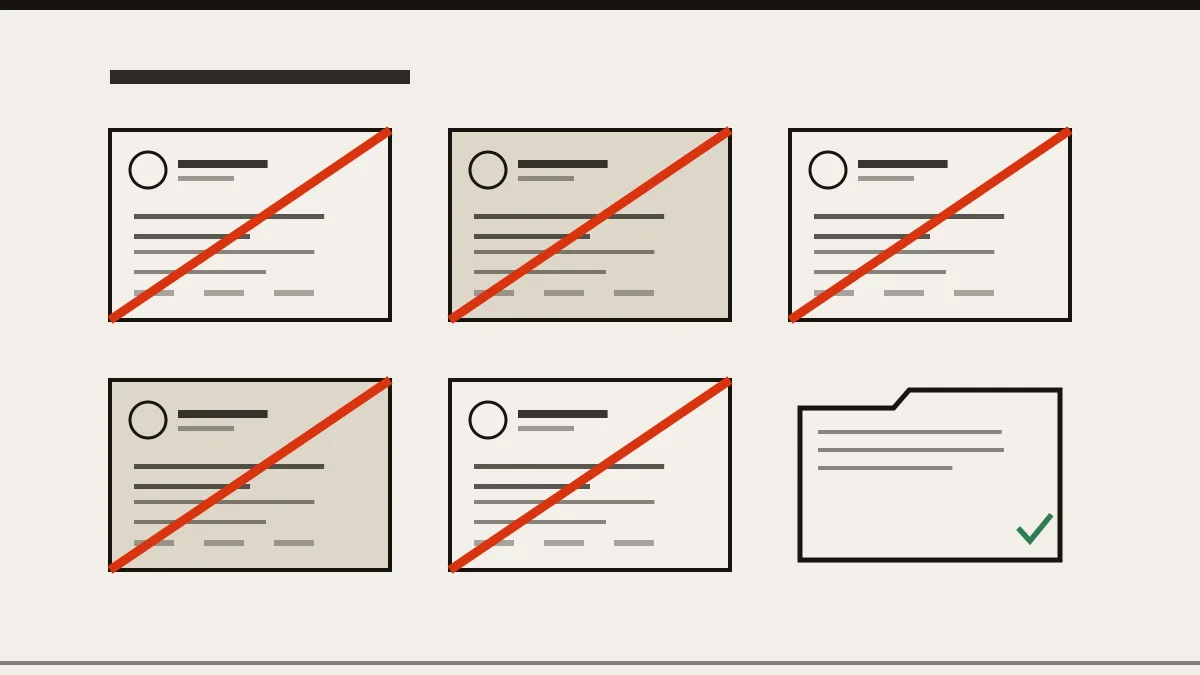
Every thread on how to get someone banned on Instagram reddit users start repeats the same handful of tricks. People ask for a "method" as if one existed, and how to get someone banned on Instagram method searches turn up the same list. We checked each against Meta's own rules.
| The method | What actually happens | The risk to you |
|---|---|---|
| Get friends to mass report | Counts nothing; the item is reviewed once | Meta treats coordinated false reporting as abuse |
| Report them as under 13 | Age check; adults pass it | A false report on your record |
| Report them as deceased | Memorialisation needs proof; it has been abused before | Fraud, if done knowingly |
| File a copyright claim for photos you didn't take | Your name and email go to the person | Perjury and damages under US law |
| Pay a "ban service" | Usually a scam or a bot farm | Lost money; possible blackmail |
| Report every real violation, with evidence | The only method that works | None |
The memorialisation trick is real enough to have caught the head of Instagram. In 2021 scammers used a fake obituary to get Adam Mosseri's own account memorialised, a case Vice reported on 9 November 2021. Memorialisation requests are reviewed and need proof of death, such as an obituary link, and a knowingly false one is fraud. The broader rule is in Meta's Inauthentic Behavior policy, updated 11 December 2025, which bans anyone from trying to "misuse Meta reporting systems to harass, intimidate or silence others". Mass reporting is the textbook example, and it can turn the review onto the people doing it, since coordinated reports from linked accounts are one of the patterns Meta looks for. A brigade does not add weight to a weak case. It adds a second case, about you. Meta has removed whole networks that did it, including one in Vietnam that filed "hundreds, in some cases thousands" of false complaints against activists (Meta Adversarial Threat Report, 1 December 2021).
The paid end of the market deserves its own warning. Panels and bots that promise to ban a named account are tested product by product in our briefing on the Instagram report bot and app market, and the pattern holds across platforms: the same storefronts sell a way to get someone's TikTok banned, and none of them can do what a reviewer won't. If you are tempted to ask whether you can get someone banned on TikTok the same way, our piece on what gets someone banned on TikTok gives the same answer for a different rulebook.
The same five triggers on other platforms
The triggers are not unique to Instagram. Every major platform separates item removal from account removal, and most use some version of strikes plus one-strike offences. Facebook shares Instagram's rulebook and its strike system, but Pages and groups add admins who can act before Meta does; our guide on how to report a Facebook account, Page or group sets out who holds which switch. Telegram is opaque about numbers too, and our briefing on how many reports to ban a Telegram account explains why silence there means nothing either way. On Snapchat, a report on a profile and a report on a chat go to different places, as our guide on how to report someone on Snapchat shows. X works on a per-post basis, so if you need to report a tweet, each copy is a separate job.
Commerce and gaming platforms follow the same split with money attached. A seller who takes you off-platform or a player who scams you is reported through the trade or payment trail, which is how you report a Roblox scammer and get a response. Gaming bans run on similar logic; our page on how to get someone trade banned on Steam covers Valve's version. And when the problem is stolen work rather than conduct, an owner's notice beats a report on every site, which is why we keep a separate guide on how to report stolen art on DeviantArt and its marketplaces.
When a report isn't the right tool
When we file account-level reports for clients, the ones that end in removal are almost always boringly specific: a fake that copies a passport photo, a returning account with the old username in its bio, a set of messages that cross into threats. The reports that fail are the angry ones. A reviewer cannot act on "this person is ruining my life" without the posts that show it. So before we file anything, we sort the evidence against the five triggers, discard what proves nothing, and build each report around the strongest two or three items rather than the longest list. That discipline is most of what a professional adds to a report.
Some cases are not report cases at all. Persistent harassment across accounts can be a criminal offence and a civil claim in the UK under the Protection from Harassment Act 1997, and the police or a solicitor can reach the person in ways a report cannot. False statements that damage your reputation are a defamation matter, handled through a letter before claim rather than a report button. And some content cannot be removed by anyone: truthful reporting, genuine public records and opinion, however unwelcome, can only be pushed down in search, never taken down, and a forged claim against them tends to make the story bigger.
Here is where we stand. We do not mass report, we never file a copyright or impersonation claim the client cannot back, we never ask for passwords, and we never take crypto-only payment up front. We review your case confidentially before any charge, and we will tell you if no lawful route exists. Our disclaimer sets out exactly what we cannot promise, and our team page shows who reads your file.