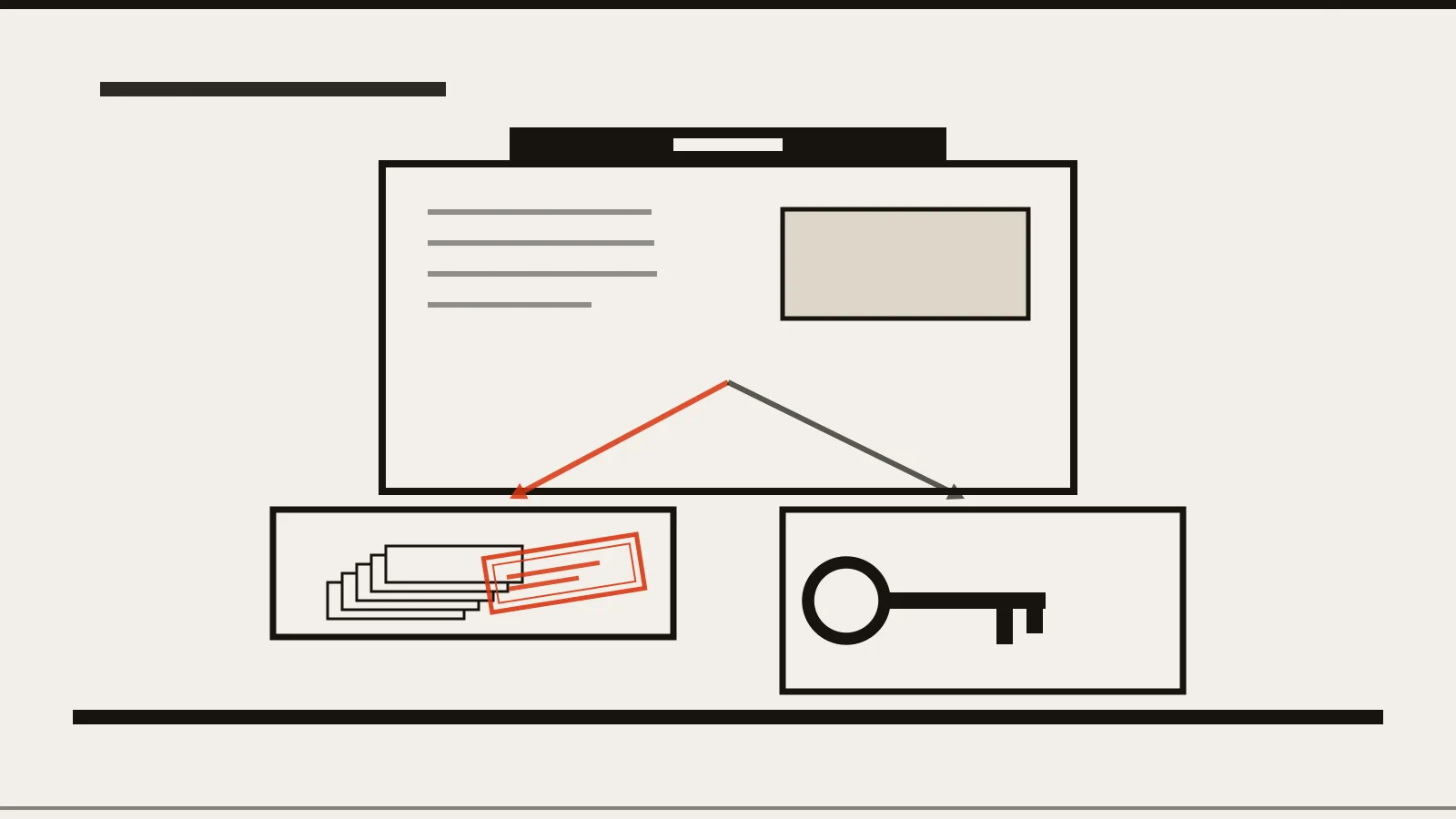
Who stands on each side of the till?
Picture two people who never meet. One wants an account gone and types a seller's handle into Telegram. The other has just lost their own account and searches for an instagram ban removal service at two in the morning. Both are about to pay. Quite often they are paying the same crew.
That overlap is documented, not a hunch. When Kaspersky looked at the trade in August 2021, it found sellers quoting $5 to $60 to get an account banned and $3,500 to $4,000 to restore one, and it pointed out that the official recovery route is free (Kaspersky, 2021). Vice reported the same month on a seller asking $60 for a ban, "3500-4k" for a restore and a $1,500 "refundable deposit" (Vice, 5 August 2021). ProPublica's 2023 reporting on one network quoted an operator claiming "$300k just off banning and unbanning pages", with reactivation priced at up to $5,000, while Meta told the reporters that buyers most often get scammed (ProPublica, 2023).
So the market has two drawers. The cheap drawer sells removal of someone else. The expensive drawer sells the return of your own account, sometimes to the very person a seller in the first drawer just took money to attack. Reading the price list with that in mind changes what each line means. A $20 ban order is not really a product; it is the bait that fills the pipeline for a $2,000 restore. The seller does not need the ban to work. If it fails, the buyer rarely complains, because complaining means admitting what they paid for. If it succeeds by luck, or because the target had a real violation on file, the seller can approach the target with an offer to fix it. Either way the seller wins, and either way Instagram's own rules did whatever work was done.
None of this makes a lawful takedown impossible. A post that copies your photograph, a reel that uses your music, a story that exposes your address or a profile pretending to be you can all come down, through forms Instagram runs for exactly that purpose. The difference is who files, what they sign and what they can prove. Our job is mostly sorting which of those three things a client actually has before anyone pays for anything.
What is mass report on Instagram, and what does Instagram count?
Mass reporting on Instagram means many accounts pressing Report on the same profile, post or reel in a short window, usually coordinated in a group chat, an SMM panel order or a script. The idea behind it is a vote: enough complaints and the target falls. Instagram does not run votes. A report is a request for review, and the review asks one question, whether the content or account breaks a written rule. If it does, one report is enough. If it does not, ten thousand reports change nothing except the size of the queue. Duplicate reports on the same item are grouped, and a burst of reports from fresh or linked accounts reads to the system as the abuse signal it is. The scale tells you where decisions really come from. In its EU transparency report for January to June 2026, Instagram logged 63,556,069 measures taken on its own initiative under its terms, and 58,838,153 of those were fully automated (Meta DSA VLOP report, August 2026).
Set that beside the 388,783 legal notices filed under Article 16 of the EU Digital Services Act in the same six months, every one of them processed with manual review according to Meta. Account terminations alone ran to 30,115,659, almost all found by Instagram's own detection rather than by anyone's report. A coordinated pile of complaints is a rounding error in those numbers.
There is a second reason the vote idea fails. Of 7,816,585 complaints about account suspensions in that period, 2,838,533 were reversed, roughly 36 per cent. An account that was knocked out by noise rather than a real breach has a decent chance of coming back on appeal, which is exactly why unban sellers can stay in business. You can read the figures yourself on Meta's regulatory transparency hub.
The same logic holds on other networks. We walked through it for X in our piece on what a mass report twitter account bot really sends, and for Telegram, where the count question gets its own answer in how many reports to ban a Telegram account.
Instagram ban service cost: the price list, decoded
Every seller menu we have looked at mixes four or five products under one heading. Here is what each line tends to be once you strip the marketing.
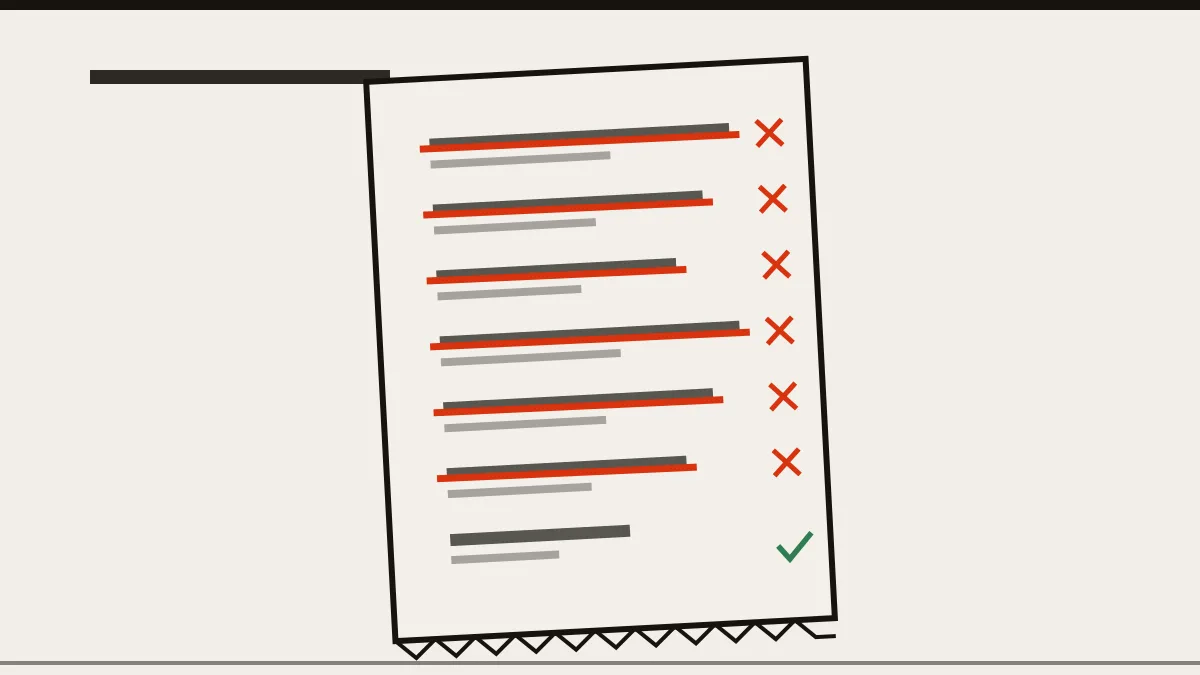
| Menu line | What you receive | What Instagram sees |
|---|---|---|
| SMM panel "mass report" add-on | An order ID and a progress bar | Reports from throwaway accounts, grouped |
| GitHub script | Free code that wants your login | Your own account sending repeat reports |
| Replit bot | The same script, hosted | One server address, flagged fast |
| Bot website | A form, a fee, a fake counter | Usually nothing at all |
| Telegram "ban" seller | A promise and a crypto address | Whatever the seller files, if anything |
| "Ban removal" seller | A request for your login or ID | A stranger in your account |
| Lawful takedown | A signed notice by the right person | A rule or a right it must apply |
The instagram ban service cost, then, is less about the number on the menu and more about the line you are actually buying. The first five lines sell activity. Only the last one sells a filing Instagram is obliged to weigh.
Instagram mass report SMM panel
An instagram mass report smm panel is a reseller dashboard, the same kind that sells followers and likes, with "reports" added as a service. You paste a username, pick a quantity and pay from a balance. What happens next is invisible to you. In the orders we have been shown by clients, the "delivered" status arrived within minutes and the target account was untouched weeks later. Panels have no channel into Instagram's review team. They own, at best, a pool of low-quality accounts that can press the same button you can, and those accounts are exactly the kind Instagram's systems discount: new, empty, created in batches and active only when an order comes in. The panel's own terms usually say it does not guarantee results and offers no refunds on "report" services. Read that line before you top up a balance. It is the most accurate sentence on the page.
Instagram mass report GitHub script
Search GitHub and you will find hundreds of repositories. When a sister research team surveyed name searches on 21 October 2026, it counted 671 unique repositories, 488 of them with zero stars, and read the code of 22 tools that claimed to report or ban. Fourteen of the 22 needed the user's session cookie or password, and five printed a random number as their "success" count. An instagram mass report github script is, in most cases, a way to make your own account send automated reports, which is the behaviour Instagram's anti-spam systems are built to catch.
Instagram spam report bot Replit
An instagram spam report bot replit project is usually one of those GitHub scripts copied into a hosted notebook so it runs without your laptop. Hosting changes nothing about what Instagram sees, except that every report now comes from the same cloud address. Shared hosting ranges are among the easiest traffic for a platform to rate-limit.
Mass report bot Instagram website
A mass report bot instagram website is the storefront version: a domain, a search box, a counter that climbs and a payment button. Some are pure fee collectors. Some ask you to "verify" by logging in with Instagram, which hands over your account. A few serve downloads that carry malware, and when they impersonate a real brand they can themselves be taken down, which is a malware domain takedown question rather than an Instagram one. If you have been searching for a place to mass report on Instagram, the honest answer is that no such place sits outside the app. The only place reports land is Instagram's own review queue, and it reads each one on its merits.
Is a paid Instagram ban service safe?
No, and the risk lands on the buyer more than the target. Consider what you hand over when you pay a bot to mass report an Instagram account. The seller now holds your payment details or wallet address, the username you want gone, often your own Instagram login, and a written record that you tried to have someone silenced. That record is leverage. Clients have come to us after a "ban" seller turned around and asked for more money not to tell the target who paid, or offered the target an unban for a larger fee. You have no refund route, because the deal itself breaks Instagram's terms and usually the seller's payment provider's rules too. Crypto payments, which most sellers insist on, have no chargeback.
If you have already lost money that way, treat it as fraud and report it; our walk-through on how to report a usdt scammer lists the desks that take those cases, and the steps to report a crypto scammer to police and payment firms are the same whatever the seller sold.
Then there is the filing itself. A seller who promises a ban through an impersonation complaint has a problem: Instagram's impersonation form only acts on reports from the person being impersonated or their authorised representative, with ID. To use it against a stranger, the seller has to pretend to be someone they are not.
Copyright routes are worse. A notice under the US Digital Millennium Copyright Act is signed under penalty of perjury, and 17 U.S.C. § 512(f) makes anyone who knowingly misrepresents infringement liable for the target's damages and costs. Instagram's own trademark form warns that abuse "may result in the termination of your account", the reporter's account, not the target's. We cover how a target fights back against a false copyright strike on YouTube; Instagram's counter-notice route works on the same principle, and it hands the poster the claimant's name.
So the honest answer to "is a paid instagram ban service safe" has three parts. Your money is not safe, your account is not safe, and the filing made in your name may expose you to a claim. The target, oddly, is the safest person in the transaction.
What a real takedown service files for a post, reel or story
A lawful instagram post takedown service does one thing a seller cannot: it files the right form as the right person. Instagram's routes are narrow on purpose. Each one belongs to a particular kind of harm and a particular kind of filer, and choosing among them is most of the work. A photo you took is a copyright matter even if it shows you; a photo someone else took of you is usually a privacy matter instead, because you do not own the copyright in it. A fake profile is an impersonation matter, not a copyright one, even when it uses your pictures, because the harm is the pretence. Get that sort wrong and a perfectly real complaint is refused for being on the wrong form, which then costs days. The table below is the sort we run on every new case before anything is filed.
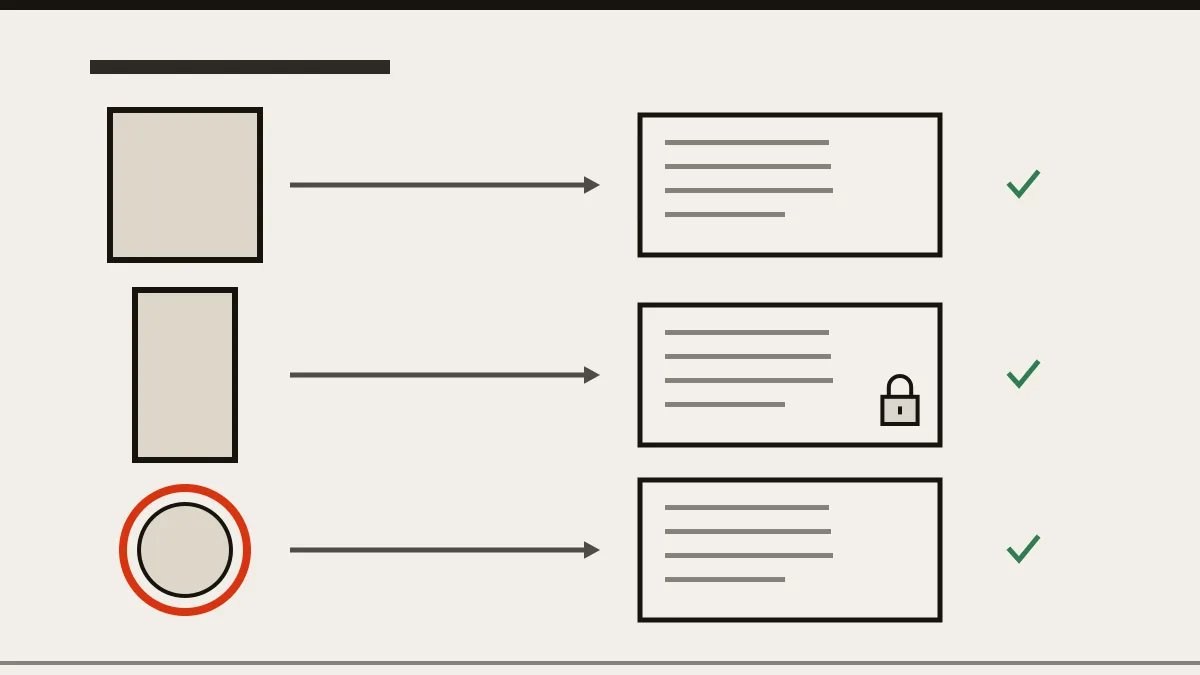
| What was posted | Route | Who may file |
|---|---|---|
| Your photo, video or music | Meta IP reporting form (copyright) | Rights owner or authorised agent |
| Your registered brand or logo | Trademark form | Mark owner or agent |
| An image or video of you | Privacy form | You (rules differ for minors and adults) |
| A profile posing as you | Impersonation form | You or your representative, with ID |
| Unlawful content in the EU | DSA Article 16 notice | Anyone, with reasons |
| Defamation or harassment | Report, then legal notice or court order | The person harmed |
The copyright form, Meta's intellectual property reporting form, opens without logging in and asks first whether you are the rights owner; answer no and it stops you. Meta says valid IP reports are typically actioned "within a day or less". The poster receives the report number, the rights owner's name and the reporter's email, so anonymity is off the table for copyright, and that is by design.
Instagram reel takedown service
An instagram reel takedown service is usually a copyright job. A reel that lifts your footage or your track is the clearest case Instagram handles. Where a rights owner files repeatedly against the same account, Instagram's repeat-infringer policy says the account may be disabled. That is the only lawful road from "take down this reel" to "take down this account", and it runs on the owner's signed notices, not on report volume. The same notice logic applies off Instagram: when a reel has been re-hosted elsewhere, an Imgur DMCA takedown notice or a GitHub DMCA takedown service request handles the copies that Instagram's form cannot reach.
Instagram story removal service
Stories vanish after 24 hours, which makes an instagram story removal service sound pointless until you remember highlights, archives and screenshots. A story pinned to a highlight stays up indefinitely. A story that was screen-recorded lives on wherever the copy went. Speed matters here more than anywhere: file while the story is live, save the URL and a screenshot with the date, and report from the icon at the top of the story itself, as we showed in how to report an Instagram story. An instagram story takedown service that waits a day is often filing against nothing.
Take down Instagram account service
A take down instagram account service that is honest will tell you most whole-account removals start with one strong report on one strong item: an impersonation profile, an account run by someone under 13, a pattern of copyright infringement or a clear threat. When the account is pretending to be you or your company, the playbook for someone impersonating me online carries across, and where a brand is involved the steps to report trademark infringement apply almost word for word. The same principle runs through Meta's other app, which we covered in how to take down a post on Facebook, and through YouTube, where you can get a YouTube channel taken down only by the owner's hand, the platform's or a court's.
If your own account was banned, start with the free route
Anyone selling an instagram ban removal service is selling access to a door you can open yourself. Instagram's appeal is free, it is built into the disabled-account screen and the Accounts Center, and it works more often than the sellers admit. The 36 per cent reversal rate on suspension complaints quoted above comes from Meta's own EU filing. Inside the EU there is a second free step: certified out-of-court dispute bodies, which in the first half of 2026 handled 10,328 Instagram disputes and reversed 6,277 decisions (Meta DSA VLOP report, August 2026). Those bodies are independent of Meta, the platform has to engage with them, and a user can start one without a lawyer. A good appeal is short and specific. Say which notice you received, when, what you believe it was about, and why that reading is wrong; attach proof of identity only when the screen asks for it. Long emotional appeals and repeated identical submissions slow things down rather than speeding them up.
What a "Meta insider" or "ban removal agent" usually wants is your login, your ID or an upfront payment. Instagram says it will never contact you about account security through Direct Messages, and its legitimate emails come from a short list of domains you can check under Accounts Center, Password and security, Recent emails. A stranger offering to restore your account is either guessing at the same appeal you could file or planning to take the account for themselves. Telling the two apart is the core of our note on a legit takedown vs scam.
If you do bring in help, the help should file the appeal with you, in your account, on your device, and never ask for your password. Anything else is the second drawer of the till.
Not sure which route your case fits? Send us the link and a line about what happened. We will tell you, in confidence and before any charge, whether a form, a notice or nothing at all applies. Start a confidential review.
What we will not do, and what cannot come down
Some content cannot be removed by anyone acting lawfully. Truthful reporting about you, genuine public records and honest opinion, however harsh, sit outside every form described above. For those, the realistic options are context, a right of reply, or pushing better results above the damaging one, which is suppression, not removal. A forged copyright notice against a true story usually fails, and when it is discovered it tends to draw far more attention to the story than it ever had. The same goes for an account that is simply annoying. Rudeness, criticism of your business, a competitor's better prices or an ex posting about their own life do not break Instagram's rules, and no lawful service can make them break those rules. When a client's case falls into that space we say so plainly, then look at what can be done instead: blocking and restricting, comment controls, hidden words, a measured public reply, or a stronger presence of your own in search results.
We do not sell report volume, we do not file in anyone's name but our client's, we do not invent copyright or trademark claims, and we never ask for an Instagram password. When we file these, the platform usually answers a well-built copyright notice within a working day and a privacy complaint within a few days, while impersonation complaints stall most often for one reason: the ID uploaded does not obviously match the person in the fake profile. We would rather tell a client their case is weak at the start than take a fee for a filing we expect to bounce.
If leaked intimate images are involved, do not send them to anyone, including us. Hash-matching through StopNCII.org lets participating platforms block the files without a person ever seeing them, and we triage those cases urgently and free of charge. The full limits of what we can promise are set out on our disclaimer page, and the people who do the filing are introduced on our about page.