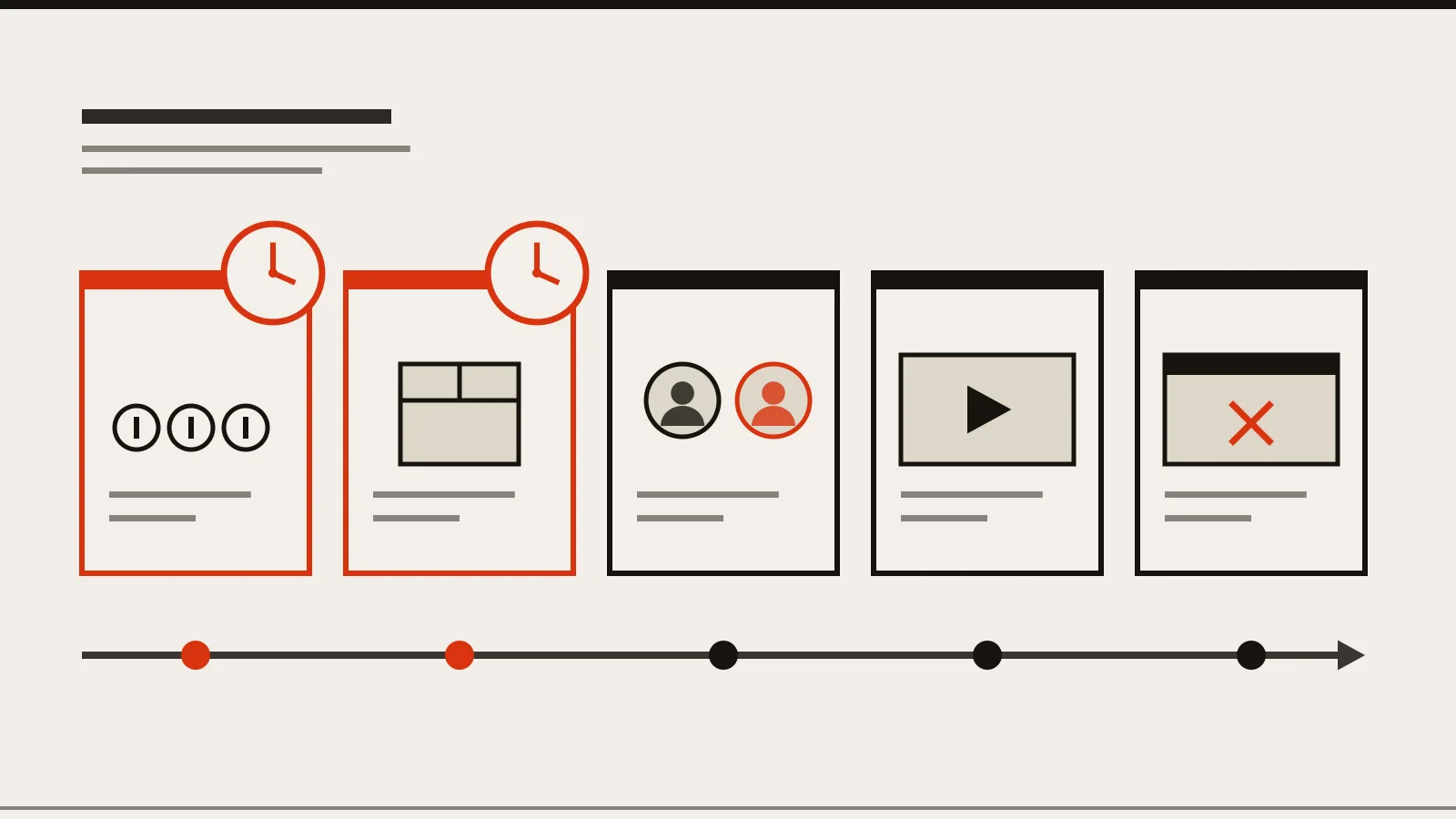
Which report has a clock on it?
Sixty days. That is how long US law gives a bank customer to dispute an unauthorised transfer after the statement showing it goes out. Two days is what a Vinted buyer gets after a parcel is marked delivered. An X impersonation report has no deadline at all, and neither does a report on a YouTube advert.
That difference should set the order you file in. Every scam or fraud report lands with one reader who has one power, and some of those readers stop listening after a fixed window. Reports about money almost always expire: a bank dispute, a marketplace claim, a card chargeback. Reports about identity almost never do, so the copy of your profile will still be reportable next week. Reports about a website sit in between, because the site stays reportable but the host, the registrar and the domain can all change while you wait. When a client tells us "someone is impersonating me online and people have paid them", we split the job the same way every time. Money reports go out the same day, identity reports follow, and the website work starts once we know who hosts it. People tend to do the reverse, because the fake profile is the part they can see.
The table below is the whole page in one view. Routes and wording were checked against each platform's published help pages on 12 October 2026; where a page would not load for us, the section on that platform says so.
| Report | Who reads it | Clock | The most it can do |
|---|---|---|---|
| X impersonation | X, after an ID check | none | suspend the copy or make it relabel |
| YouTube ad | Google Ads policy team | none | pull the ad, suspend the advertiser |
| YouTube channel clone | YouTube | none | terminate the channel |
| Threads, Tinder, Tumblr, Bluesky, VK fake | the platform | none | remove the profile |
| Zelle payment | your bank | 60 days if unauthorised | refund, in narrow cases |
| Vinted order | Vinted | 2 days from delivery | refund the buyer |
| Shopify order | Shopify, after the store | 30 days of silence first | act on the store |
| Upwork or Steam account | the platform | none | close the account |
| Scam website | host, registrar, search | none, but targets move | suspend, delist |
How do you report X impersonation, and who is allowed to file?
To report X impersonation properly you need to be the person copied, or someone with written authority to act for them. X's help article on reporting impersonation says "you or your authorized representative can file a report", and it sends everyone else to the report button on the fake profile itself. The form at help.x.com asks who is being impersonated and then branches three ways: me, someone I represent, or my company. When we read all three branches on 23 September 2026, each opened with a government ID and selfie check run by a vendor called Persona, which the form says "usually takes about 5 minutes" and may keep the data for up to 30 days. The representative branch also demands proof of authority, such as an agent's agreement or a power of attorney. The brand branch asks for a company email and job title but no trade mark number. A bystander gets no form at all.
Two outcomes are published. The copy is "either suspended or asked to update the account". That second option matters, because X allows parody, commentary and fan accounts when they carry the label, a different avatar, and the word in both the display name and the bio. An account that fixes those four things stays up.
Choosing the wrong reason costs time. A lot of people file a spam impersonation complaint, meaning they report the clone as spam because the spam option is quicker to reach. Spam reports feed an automated queue: in September 2026, X logged 570,678 account suspensions for scams and fraud in the EU's DSA Transparency Database and 569,877 of them were fully automated (European Commission, 2026). An impersonation report goes to a reviewer who compares two profiles. Pick the reason that matches what you can prove. We covered the reviewer's side, including how to report a scammer on Twitter once the clone starts asking for money, in a separate briefing, along with whether mass reporting works on Twitter. It doesn't change the reviewer's test.
The same owner-only rule runs through Meta's products, which is why an Instagram impersonation report from a friend goes nowhere while the same report from you gets read.
How do you report YouTube ads and scams?
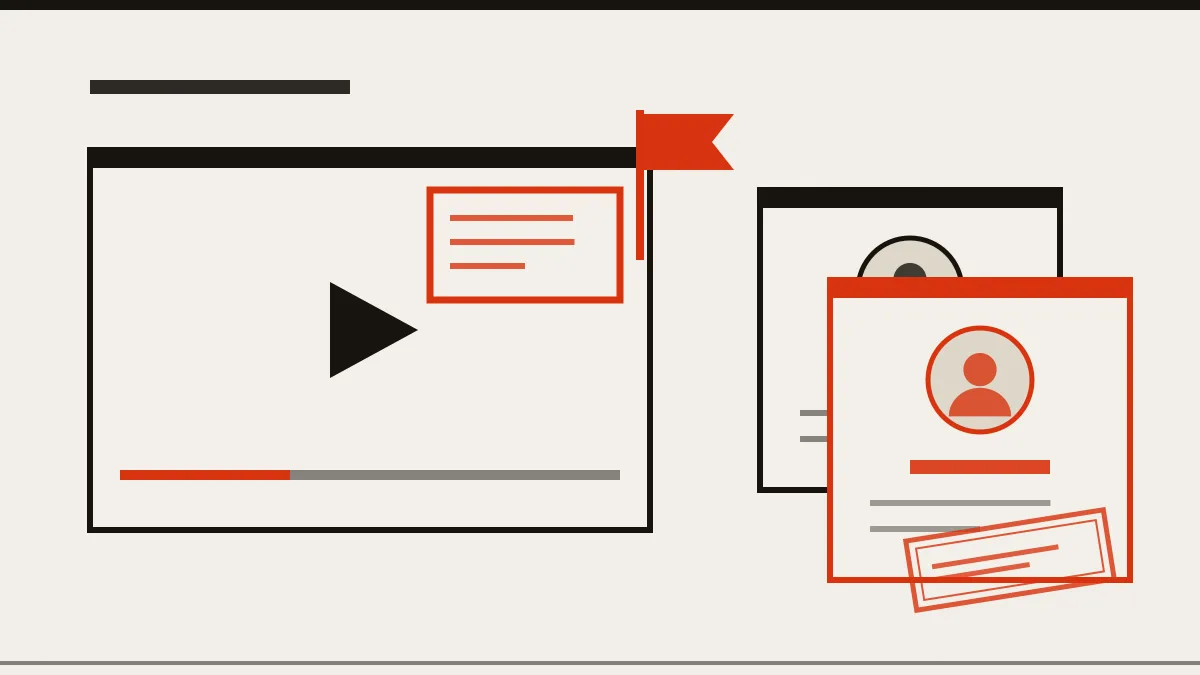
To report YouTube ads and scams you use two different doors, because adverts and channels belong to two different teams. An advert is a Google Ads product. A channel is a YouTube account. Reporting a scam advert to YouTube's channel reviewers, or a cloned channel to the ads team, loses the report in transit.
Report YouTube scam ads from the advert itself
YouTube's own reporting page gives the route: tap "Sponsored" on the advert, choose "Report ad", then complete the form that opens. One limit is printed on that page and catches people out: "You can only report ads on YouTube Mobile or on a computer", so an advert seen on a television app has to be found again on a phone or laptop. If the advert has gone, Google's web form, titled "Report an ad or shopping listing", accepts a description instead. It opens with two choices. One is a policy violation, with scam and phishing given as the examples. The other is a legal violation, with copyright, trade mark and counterfeit as the examples. A fake investment advert using a celebrity's face belongs under the first; an advert selling copies of your product belongs under the second, and the second asks who owns the right.
Scale explains the slow replies. Google's 2025 Ads Safety Report says it blocked or removed over 8.3 billion adverts and suspended 24.9 million advertiser accounts, about 4 million of them tied to scams (Google, 2026). Your report is one input among those.
If the advert leads to a fake business profile and not a video, the route is Google's and we have set out how to report a scam business on Google form by form.
Report YouTube channel for impersonation
YouTube's impersonation policy is one sentence long at its core: "YouTube does not allow unauthorised impersonation of a person, entity or channel that may mislead viewers." Unlike X, the policy page invites reports from outsiders too: "If you feel that yours or another creator's channel is being impersonated, you can report the channel", and it links a dedicated impersonation form. So to report YouTube channel for impersonation you do not have to be the victim, although a report from the copied creator, naming both channels, is the one a reviewer can check fastest. Volume adds nothing. The reporting page says flagged content is "not automatically taken down" and that "no amount of reporting will change that".
A clone that re-uploads your videos gives you a second, stronger tool. Copyright removal is a legal notice with a strike attached, which a policy flag is not, and our guide on how to take down a YouTube channel explains when three strikes end one. Know the difference between a Content ID claim vs copyright strike before you file, because a claim leaves the video up. The same logic applies off YouTube. The Vimeo DMCA claim form lives at vimeo.com/dmca/claim, each removal counts as a strike, and three can end the account. If the clone's videos put your face on a body or a script that was never yours, that is a deepfake takedown request and it follows privacy rules, not copyright.
Threads, Tinder, Tumblr, Bluesky and VK: who may report the fake?
Five platforms, one question that decides everything: does the platform listen to anyone, or only to the person copied? We could not load every help page on 12 October 2026, and the table says where.
| Platform | Who may file | Route | Note |
|---|---|---|---|
| Threads | the person copied, or a parent or guardian | Meta's form "Report an Impersonation Account on Instagram or Threads" | ID asked, deleted within 30 days |
| Tinder | the person copied | web form, reason "Someone is impersonating me" | help page returned 403 to us |
| Tumblr | not stated | "Report impersonation or non-genuine behavior" link | parody allowed |
| Bluesky | anyone, in the app | account report, impersonation reason | parody must be labelled |
| VK | account holders | report option on the profile | vk.com blocked to us |
Threads. Threads impersonation is handled by Instagram's desk. A Threads impersonation report from the person copied goes through Meta's impersonation form, whose title names both apps, and Meta says it "can only act on reports from the person who's being impersonated or their authorized representative". If you only want Threads to hear about a fake, the in-app route is the report option in the profile's menu. A Threads report fake profile request from a stranger is logged, but the form is what gets an identity compared.
Tinder. Tinder reporting fake profile requests splits by whether you have the app. Inside Tinder, open the profile and use its report option. Outside it, Tinder's help article on impersonation accounts points to a web form with the reason "Someone is impersonating me". Tinder's safety pages say reports are confidential and the reported person is not told who filed. That is the whole product behind any Tinder catfish removal service or Tinder fake profile report service: somebody completes that form with your proof. A service that claims a back door has none to sell.
Tumblr, Bluesky, VK. Tumblr impersonation removal starts from the abuse page, where the link reads "Report impersonation or non-genuine behavior". Tumblr's guidelines say "Don't impersonate anyone" and add that parody is welcome if nobody is misled about who is posting. To take down Bluesky impersonator accounts, use the in-app account report and show the original; Bluesky expects a parody label in both the display name and the bio, and a handle set to a domain you own is strong proof of which account is real. VK fake profile removal is the weakest documented of the five. VK's rules, which we read on 10 October 2026, refuse anonymous complaints and ask individuals for passport data on legal notices, so file from your own account with ID ready. The owner-first pattern holds on apps we have covered separately: how to report a fake TikTok account, a Snapchat impersonation report, a Telegram impersonation report and, for forums, what a Reddit impersonation removal service can and cannot file.
One trap is common to all of them. When the fake starts selling, the complaint changes type, and how to report impersonation on TikTok shows the hand-over from an identity report to a fraud report on a single platform.
Reporting a Zelle scam: why the bank comes before Zelle
Reporting a Zelle scam means two reports, and the order is fixed. Your bank or credit union goes first, by phone, the same day. Zelle's own Report a Scam page comes second. Zelle is a network that moves money between bank accounts, so the account, the dispute and any refund all sit with the bank that sent the payment.
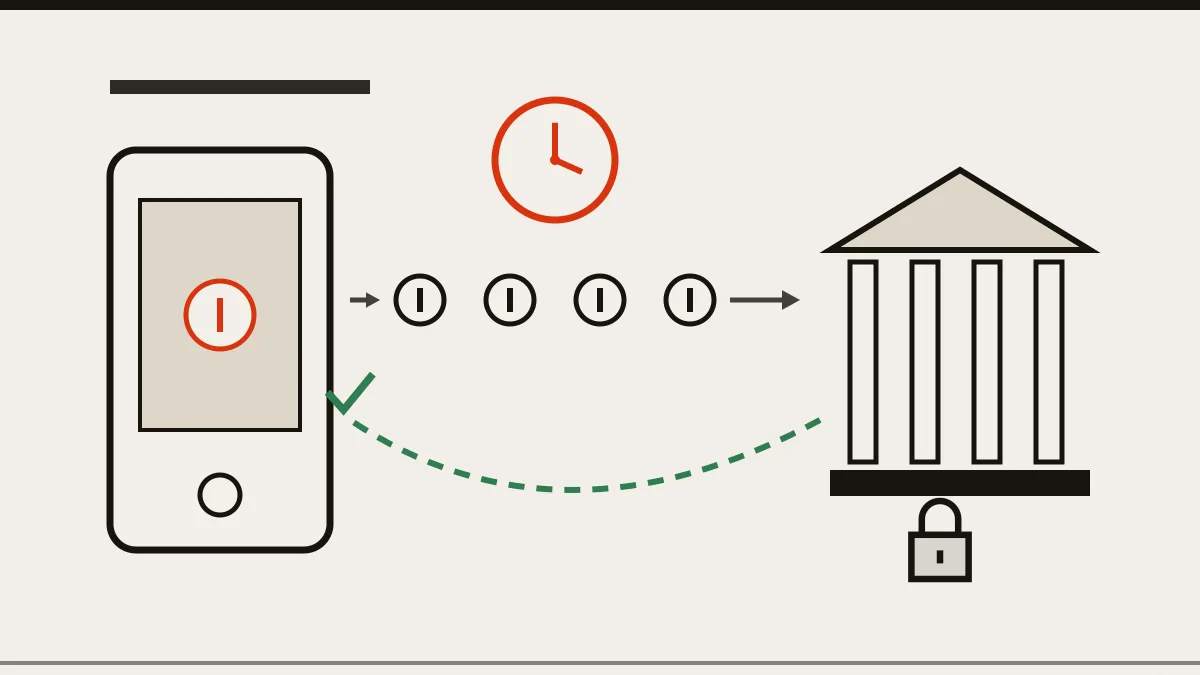
The law draws one hard line, and it is the line most victims are on the wrong side of. Under Regulation E, a consumer "must report an unauthorized electronic fund transfer that appears on a periodic statement within 60 days" of the statement being sent, and reporting a lost or stolen device within two business days caps the loss at $50 (Consumer Financial Protection Bureau, 12 CFR 1005.6). Unauthorised means somebody else moved the money: a stolen phone, a hijacked login. If you were tricked into pressing send yourself, the payment was authorised in the regulation's sense, and the bank's duty to refund is far weaker. That is why the first sentence you say to the bank matters. Describe what happened accurately, ask whether it will be treated as unauthorised or as a scam claim, and write down the reference. Then report Zelle scammer details, meaning the phone number or email the money went to, through Zelle's form so the recipient's bank can be told.
Zelle's page returned an error to us on 12 October 2026, so we cannot quote its current wording.
Readers in the UK have no Zelle, but they have a better rule. Since 7 October 2024, banks must reimburse most authorised push payment fraud up to £85,000, on claims made within 13 months (Payment Systems Regulator, 2024). Tell the bank first, then Report Fraud, the police service that replaced Action Fraud.
Vinted, Upwork, Steam and Shopify: which button, and what it cannot return
A marketplace report removes a seller. It does not move money, unless the marketplace also held the payment and you are inside its claim window. Four platforms, four versions of that rule.
Vinted. A Vinted scammer report is filed from the member's profile: the three-dot menu, then "Report", a reason, and "Submit". Listings have the same menu, shown as a flag on desktop (Vinted Help). You must be logged in, and Vinted sends the reporter its decision with an appeal link. The money runs on a separate, much shorter clock: the buyer has to press "I have an issue" within two days of the parcel being marked delivered, or the payment is released. A Vinted buyer scam report is the mirror image, filed by a seller whose buyer claims a genuine item was fake or damaged. Vinted publishes no separate form for it, so the seller's evidence (packing photos, the tracking record) has to go into the dispute thread before it closes, with a report on the buyer's profile alongside.
Brand owners get a third route. The Vinted counterfeit report form is the "Content reporting" notice-and-action form, its intellectual property category is limited to rights owners or their representatives, and Vinted says it may ask for "trademark certificates, court orders, or similar evidence".
Upwork. An Upwork scammer report uses "Flag as inappropriate" on the profile or the job post, and "Report message" inside a conversation. Upwork's support page was closed to us on 12 October, so those labels come from its indexed text. We found no dedicated form for an Upwork identity theft scam report, the case where a freelancer profile is built from your name, photo and portfolio. Flag the profile, then open a support ticket saying you are the person shown and offering ID. Upwork treats reports as confidential and may not tell you the result.
Steam. A Steam report scammer complaint starts from the profile: the "..." menu, then the report option, then the reason covering theft or scamming. Steam's Scam FAQ did not render for us on 12 October, so treat exact labels as approximate. Steam Support's long-published position is that items which have left an account are not restored, whatever the reason. Be wary of anyone selling a Steam mass report scam "solution". Bulk-report tools for Steam fail the same way they do elsewhere, as our piece on Telegram mass report bot software explains, and paying for one is how victims get scammed twice.
Shopify. Shopify hosts shops; it does not run them. Its help centre says stores are responsible for "their store policies, business practices, and the products that you buy" (Shopify Help Center). Two forms exist. "Report an issue with an order" applies after you have contacted the store and "it's been at least 30 days with no response or resolution", and it wants the email used for the order plus the confirmation link. "Report an Issue with a Merchant" is the route for a Shopify scam store takedown, because it alleges a breach of the acceptable use policy. Neither refunds you. Your card issuer does that, and it should hear before day 30. For local sellers the split is identical, and we have mapped it for a Facebook Marketplace scam report as well.
Scam website takedown: who holds the switch, and what changes in Australia?
A scam website takedown is never one request. A site stays reachable through three switches (the host that stores it, the registrar that sold the domain, and the search engines and browsers that send people to it) and each switch has its own owner and its own rule.
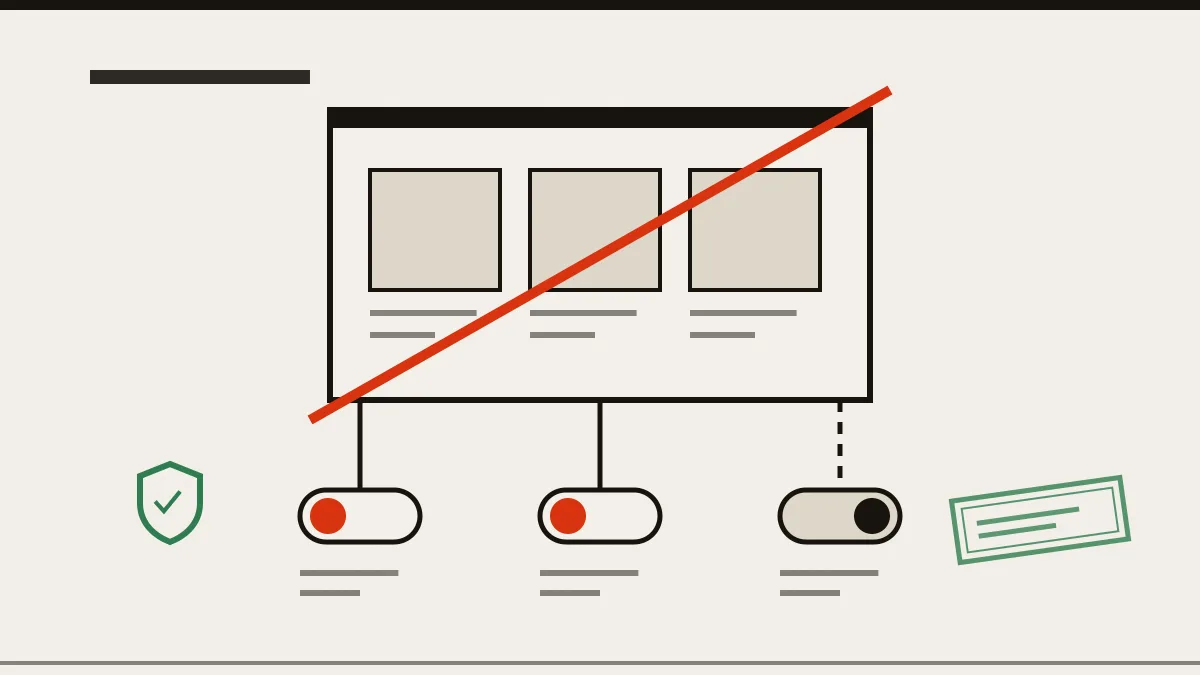
To takedown scam website pages that steal logins or card numbers, the registrar route is the strong one. Since 5 April 2024, ICANN's contract has required registrars to "promptly" act on well-evidenced DNS abuse, which it defines as phishing, malware, botnets, pharming and the spam that delivers them (ICANN, 2024). A request to takedown impersonation website content is harder, because a site that copies your name and photographs without phishing anyone is a content dispute, and ICANN's rules leave content alone. That request belongs with the host's abuse desk, with a copyright notice if your own photos or text were lifted, or with a trade mark complaint if a brand was. We set out the difference in what a website takedown service can actually reach, and the filing order for a phishing website takedown in particular.
Australia adds a fourth switch that most countries lack. For a takedown scam website Australia request involving investments, the regulator itself acts: ASIC says it has had more than 33,400 scam websites, social media adverts and phishing pages removed in three years, including over 19,400 in the 2026 financial year, up 182% on the year before (ASIC media release 26-195MR, 2026). Report to Scamwatch, which feeds the National Anti-Scam Centre, and to ReportCyber. A takedown impersonation website Australia request on a .au domain has one more door. auDA, the .au administrator, hears complaints about breaches of its licensing rules, but only after the registrar has had the complaint first.
What can no report do?
No report gets money back by itself, and no report removes something a platform's rules allow. Those are the two limits we repeat to every client before we take a case. A fake profile can come down and the payment can still be gone. A parody account that is properly labelled can stay up however much it stings, and so can a truthful review, an accurate news story or a public court record. For those we talk about suppression, which means pushing the result down, and we say plainly that it is not removal.
When we prepare these filings, the step that stalls most people is proof of identity, not the form. X wants a government ID and a selfie. Meta wants ID. VK wants passport details. Vinted asks brand owners for trade mark certificates or court orders. A representative needs a signed authority before any of those forms will accept them, which is why our first request to a client is a letter of authority and never a password. We never ask for login details, we never forge a legal notice, and we will not file a copyright claim over content you do not own. A false notice can be answered with a counter notice and a claim for damages, and it tends to draw more attention to the page than the page ever had. Our limits are set out in full.
Not sure which report goes first in your case? Send us the links for a confidential review. We will tell you which filings have a deadline, which need your ID, and which ones nobody can win, before any charge. Cases are handled by the takedown team.