What can a ban service for a WhatsApp account actually touch?
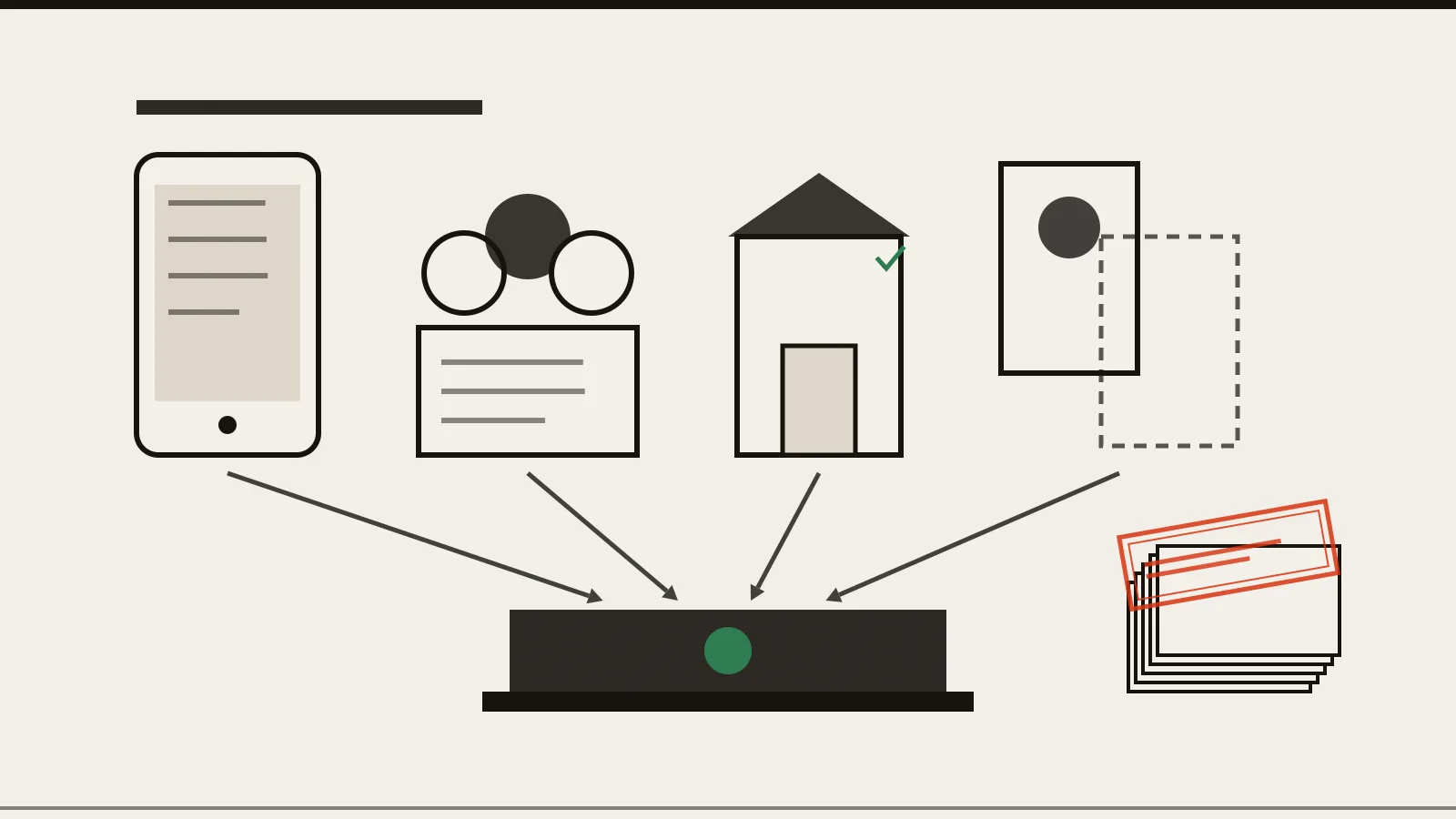
Less than the advert suggests, and the reason is structural. A ban service for a WhatsApp account sits outside WhatsApp. It has no staff login, no priority queue and no contact at Meta who flips accounts off for a fee. WhatsApp says plainly that "the only way to report someone is to follow the in-app reporting process", and that a report "won't necessarily result in us banning" the account (WhatsApp Help Center, checked October 2026). So whatever a seller calls the product, it ends in the same place yours does: a report from a phone that was in the chat, read by a reviewer who decides on what the report contains. That changes what the best WhatsApp ban service would even look like. It would not sell bans. It would work out which of four targets you are facing, because each one has a different door, a different reader and a different chance of ending in removal.
The table below is the whole map, and the rest of this briefing walks each row.
| Target | Who can report it | What the reviewer sees | Realistic outcome |
|---|---|---|---|
| A personal number messaging you | Anyone who received the messages | Up to five of the last messages they sent you, plus basic call details | Ban if the messages break the Terms; nothing if they don't |
| A group | Any member | The last five messages in the group | Group or members actioned; you leave the group |
| A WhatsApp Business account | Customers it messaged | The business chat, plus the quality signal from blocks and reports | Message limits, loss of access or a permanent ban under the business policy |
| An impersonator of you or your brand | The person or brand owner | Your report, plus your proof of who is real | Removal through the in-app report or the IP form |
Notice what is missing from the right-hand column: a count. None of the four rows turns on how many people complained.
Best WhatsApp ban service? Seven sales claims, decoded
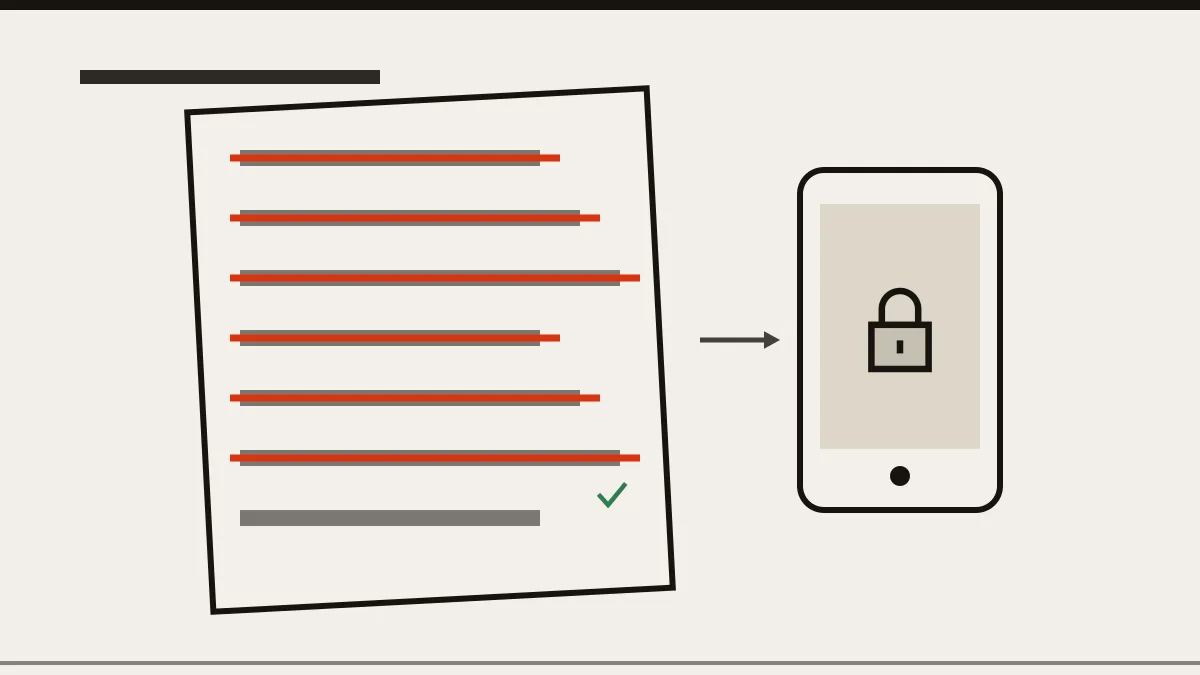
People searching for the best WhatsApp ban service usually land on listings that read alike. The words change; the claims do not. We read these listings every month, because clients forward them to us asking whether one is real, and the claims sort into seven patterns. Each one promises something WhatsApp's own process cannot deliver, which is the quickest test of all.
| Listing claim | What sits behind it | Verdict |
|---|---|---|
| "Ban any WhatsApp number in 24 hours" | A promise about a review the seller cannot see | False. Nobody can ban any WhatsApp number on request |
| "Free WhatsApp report bot, download here" | A script, often an empty or fake one | Wastes time at best; malware at worst |
| "WhatsApp mass report service, 500 reports" | Reports from numbers that were never in the chat | WhatsApp cannot attach messages that were never sent to them |
| "WhatsApp group ban bot" | The same script aimed at a group link | Joining to report removes the reporter, not the group |
| "WhatsApp number ban tool, no login needed" | A form that collects the target and your payment | Nothing is filed anywhere you can check |
| "Permanent, unappealable ban" | A claim about WhatsApp's appeal system | The owner can still request a review in the app |
| "We file the right report and tell you if there is no case" | A person reading your chat history | The only one worth paying for |
A whatsapp ban bot, a whatsapp number ban bot and a whatsapp report bot are the same object under three names: code that claims to send reports on a schedule. A whatsapp mass report bot service is that code rented out. When we read a sample of the public repositories behind these names on GitHub, most printed a countdown and a success message and contacted nothing. The ones that did try to reach WhatsApp hit the same wall every outsider hits. Some sellers bundle the script with a pack of numbers they control. Those numbers are new, have never chatted with the target, and are usually banned themselves within days, which shows where WhatsApp's detection actually points. WhatsApp reports are tied to a conversation. A report sent from a number that never received a message from the target carries nothing for a reviewer to read.
The pattern repeats on every platform with a reporting button. Our note on the twitter mass report bot shows what X receives from the same kind of tool, and the TikTok version is covered where we explain how to get someone's TikTok banned without one.
Is using a ban service against WhatsApp rules?
Yes, on two counts, and the risk lands squarely on the buyer. The WhatsApp Terms of Service forbid creating accounts "through unauthorized or automated means", and the same section forbids anyone to misuse the reporting channels by submitting fraudulent or groundless reports (checked October 2026). A mass report campaign needs exactly that kind of access: many numbers, scripted or farmed, acting on the service in ways no normal user would. The numbers running a whatsapp mass report service are therefore breaking the Terms by existing, which is why such services burn through accounts and ask you for "fresh numbers" or a verification code. Never give one. A six-digit WhatsApp code sent to your phone is the key to your account, and a seller who asks for it is asking to take your number over.
The second count is the reports themselves. Groundless reports are named in the Terms, and in the UK a campaign aimed at one person can amount to harassment under the Protection from Harassment Act 1997, whoever presses the buttons. So is a WhatsApp ban service worth it? For a genuine abuser, no, because your own report does the same job for free. For anyone else, no, because there is nothing lawful to buy.
Who pays when the campaign goes wrong
Three people can lose here. The buyer loses the fee, often in crypto with no refund route. The target may lose nothing, because no rule was broken. And the buyer's own number can be swept up when WhatsApp traces coordinated activity, since the order usually comes with a request to add the buyer's number to a group or a contact list. WhatsApp states that "third party services" cannot remove an account ban, so a buyer who loses an account this way has the same single in-app review as anyone else.
How many reports does it take to ban a WhatsApp number?
There is no number. Asking for the number of reports needed to ban WhatsApp accounts is asking for a threshold WhatsApp does not run. The report carries content, so the decision rests on content. If a contact sends you threats, a scam link or intimate images without consent, one report from you puts those messages in front of a reviewer, and one report can be enough. If the contact has sent you nothing that breaks the rules, a thousand reports carry a thousand copies of nothing, which is why every plan to mass report WhatsApp number holders stalls at the same point. WhatsApp's own enforcement figures show where bans come from. In its India monthly report for August 2026, published on 1 October 2026, WhatsApp banned 6,202,400 accounts, and 1,690,800 of them were removed proactively, before any user report arrived (WhatsApp India Monthly Report, October 2026 edition).
The same report logged 15,106 ban appeals and 129 accounts restored. Most bans come from WhatsApp's own detection of spam and bulk behaviour, which is the behaviour a mass report campaign is made of.
Telegram makes the same point a different way, and our page on how many reports to ban telegram account holders is worth reading if the abuse has moved between apps.
How to get a WhatsApp number banned the lawful way
If you want to know how to get a WhatsApp number banned, the honest answer is a single report, from the right phone, about the right messages. To report WhatsApp number holders, open the chat, tap the contact's name or number, scroll down and choose Report. On Android the Block screen also carries a "Report to WhatsApp" box that is already ticked. WhatsApp then receives up to five of the last messages that contact sent you, basic details of your last five calls with them, and their account information. The contact is not told who reported them. There is no paid version of the button. People who search how to get someone's WhatsApp banned, or type it as how to get someones WhatsApp banned, or even how to banned someone WhatsApp number, all end up at this same screen. The difference between a report that works and one that doesn't is what the five messages show.
Before you press Report
Keep the evidence first. Screenshot the messages with the number visible, note the dates, and export the chat if it matters for the police or a court. Deleting the chat before reporting removes what WhatsApp would have read.
Can you ban a WhatsApp number permanently?
Not by yourself, and nobody else can either. People ask how to ban WhatsApp number permanently because they fear the person will come back. WhatsApp decides whether a ban is final. The banned owner sees a "Request review" option, and WhatsApp says most reviews finish within 24 hours. When the option is missing, the ban is final. To ban a WhatsApp number in the sense of stopping it reaching you, block it; that part is yours, and it works at once. To ban a WhatsApp number from the platform, report it and let review decide.
Groups: what a WhatsApp group ban service can't do
A whatsapp group ban service sells the idea that a group can be closed from outside. It can't. A member can report a group, which sends WhatsApp the last five messages and removes the reporter from the group. An admin can remove members and close the group to new joiners. Paid bots that "join and report" leave the group the moment they report, which is all that happens to them.
How to get a WhatsApp Business banned when it is running a scam
This is the row where reports matter most, and the one where a whatsapp business account takedown service has the least to add. To report WhatsApp Business number holders that message you, open the chat and tap the business name to reach its profile. Then open More options and choose Report business, as WhatsApp's help article on reporting a business describes. A box on the same screen lets you block the business and delete the chat, or you can report without blocking if you still need the messages as evidence. That single step is also how you report WhatsApp Business to Meta. WhatsApp is a Meta company, and there is no separate Meta desk for a business chat, so a Facebook or Instagram report about the same scam goes to a different team and does not reach the WhatsApp account. Check the badge before you trust a business at all. A blue tick next to the name means Meta has verified that business account, either through the paid Meta Verified plan or as an Official Business Account on the business platform. A "bank" or "courier" with no badge, writing from a personal-looking number, is the commonest scam we see.
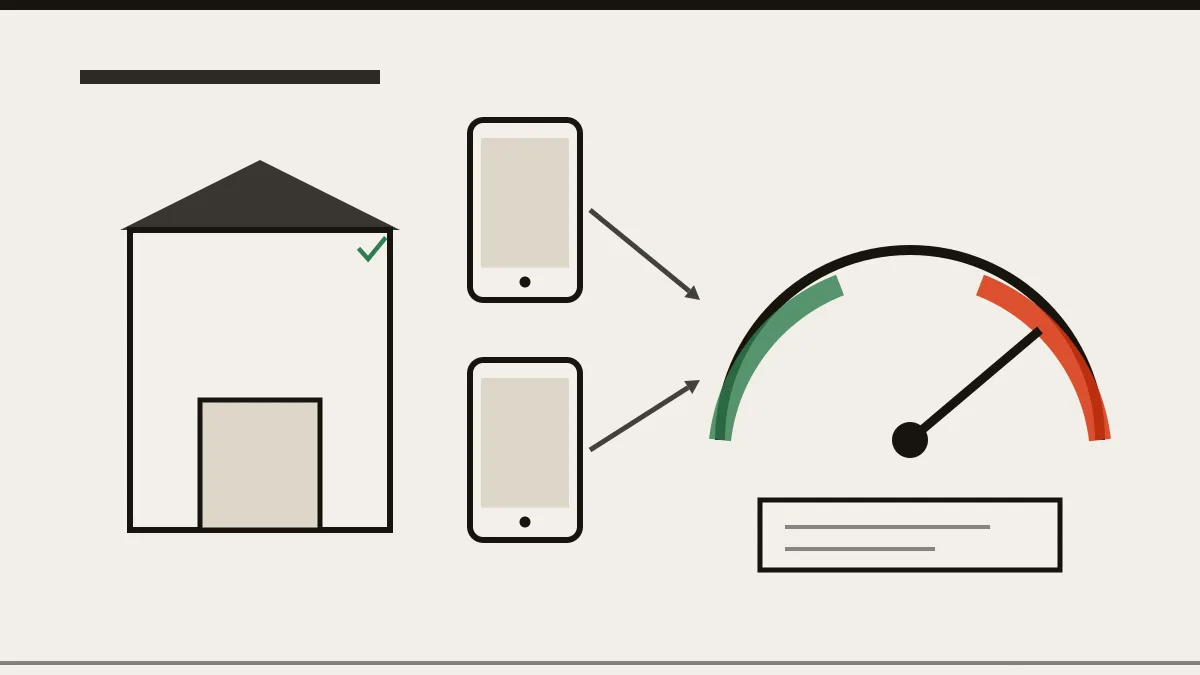
Here, and only here, the volume of complaints does count, and it is worth understanding why. The WhatsApp Business Messaging Policy says users "can block or report businesses", that WhatsApp's systems may limit how many messages a business can send, and that a business receiving "significant amounts of negative feedback" can have its access limited or removed. In serious cases WhatsApp may bar the company from all future use. The feedback that counts comes from people the business actually messaged. A scam operation that blasts thousands of strangers collects blocks and reports from real recipients, and those signals throttle it far faster than any bought campaign could. That is the honest answer to how to get a WhatsApp Business banned: be one of its real recipients, report it, and tell others it messaged to do the same. A paid service cannot manufacture that signal, because its numbers never received the scam.
Report a scam WhatsApp Business account to more than one desk
The scam has two halves, and WhatsApp handles only one of them. WhatsApp can remove the account. It cannot return money. If you paid, call your bank or card issuer the same day, then report the fraud to the police; in the UK that is Report Fraud on 0300 123 2040, or Police Scotland on 101. Forward scam text messages to 7726, though that code works for SMS only, not for WhatsApp chats. To report scam WhatsApp Business messages that pretend to be a bank, a courier or a tax office, also tell the real organisation, because the brand owner has a route the rest of us do not. Our briefing on how to report scammer on Signal and other messengers covers the same two-desk order for apps that hide their users' numbers.
Ban WhatsApp impersonator accounts: whose report counts
A copy of you is a different case from a scam, and the person who files decides how far the report goes. WhatsApp's Terms forbid users to "impersonate someone", so a copy of you is a rule break. The catch is evidence. A fake account using your name and photo usually messages your friends, family or customers, not you, so they hold the messages and you don't. Ask each of them to report the number from their own chat, and send them a short note that the account is not yours. If the fake has messaged you too, report it from your chat. As of October 2026 WhatsApp has no separate impersonation form for a private person. Brands have a stronger route. Under WhatsApp's intellectual property policy, a trademark or copyright owner, or an agent acting for one, can file through WhatsApp's IP report form or write to ip@whatsapp.com. That is the right way to ban WhatsApp impersonator accounts that trade on your registered name or logo.
The policy suggests contacting the user first; with a scammer, we skip that step and file.
When a fake spreads from WhatsApp to a website, a listing or a social profile, the job changes shape. An impersonation website takedown runs through the host and registrar, and a lookalike domain sending the WhatsApp links needs a malicious domain takedown at the right level. On other platforms the self-filed route differs: you can report X impersonation only with the right proof, and you can report Bluesky impersonator accounts through a separate desk.
When the copy uses your photos or your work
If the impersonator reposts your photographs, artwork or video, copyright gives you a second route that does not depend on WhatsApp's identity rules. The same principle applies across hosts. Our guides to a dmca takedown website notice, an imgur dmca takedown notice, a vimeo copyright strike and a github dmca takedown service for copied code show how each host reads a notice. Only the owner, or an agent with written authority, can sign one.
How to choose a WhatsApp ban service, if you hire anyone
Start from what you need, not from what is on sale. If you are being harassed, scammed or copied, the report is free and yours to file. Pay for help only when the work around the report is the hard part: preserving evidence for the police, chasing a bank, writing a trademark complaint, or dealing with the same person across five apps. When people ask us how to choose a WhatsApp ban service, we give them four tests. Does the seller ask what the messages say before quoting? Does it tell you when there is no case? Does it name the route it will file and let you watch? Does it refuse to take your WhatsApp code, your password or a crypto-only payment? A service that passes all four is not a ban service any more. It is a takedown and evidence service, and that is what we run. We file in your name, through WhatsApp's own route, and tell you in writing when the honest answer is no.
The same tests work elsewhere. Gamers who ask how to get someone trade banned on Steam meet the same storefronts, and so do people who want to know how to report Instagram comment threads at scale.
What we will not do
Some things should not come down at all. Truthful reporting, genuine public records and protected opinion stay up, and the lawful response there is suppression in search, not removal. We never send fake reports, never forge or bluff a legal notice, never ask for your password or WhatsApp code, and never ask you to send us intimate images. If someone is sharing or threatening to share intimate images of you, use StopNCII, which works from a hash on your own device so the image never leaves it. Our disclaimer sets out the limits in full. If a number, a group or a business is abusing, scamming or impersonating you on WhatsApp, send us the details for a confidential review and we will tell you which row of the first table you are in before anyone charges a penny.