What does "quickly" mean in a fake website takedown?
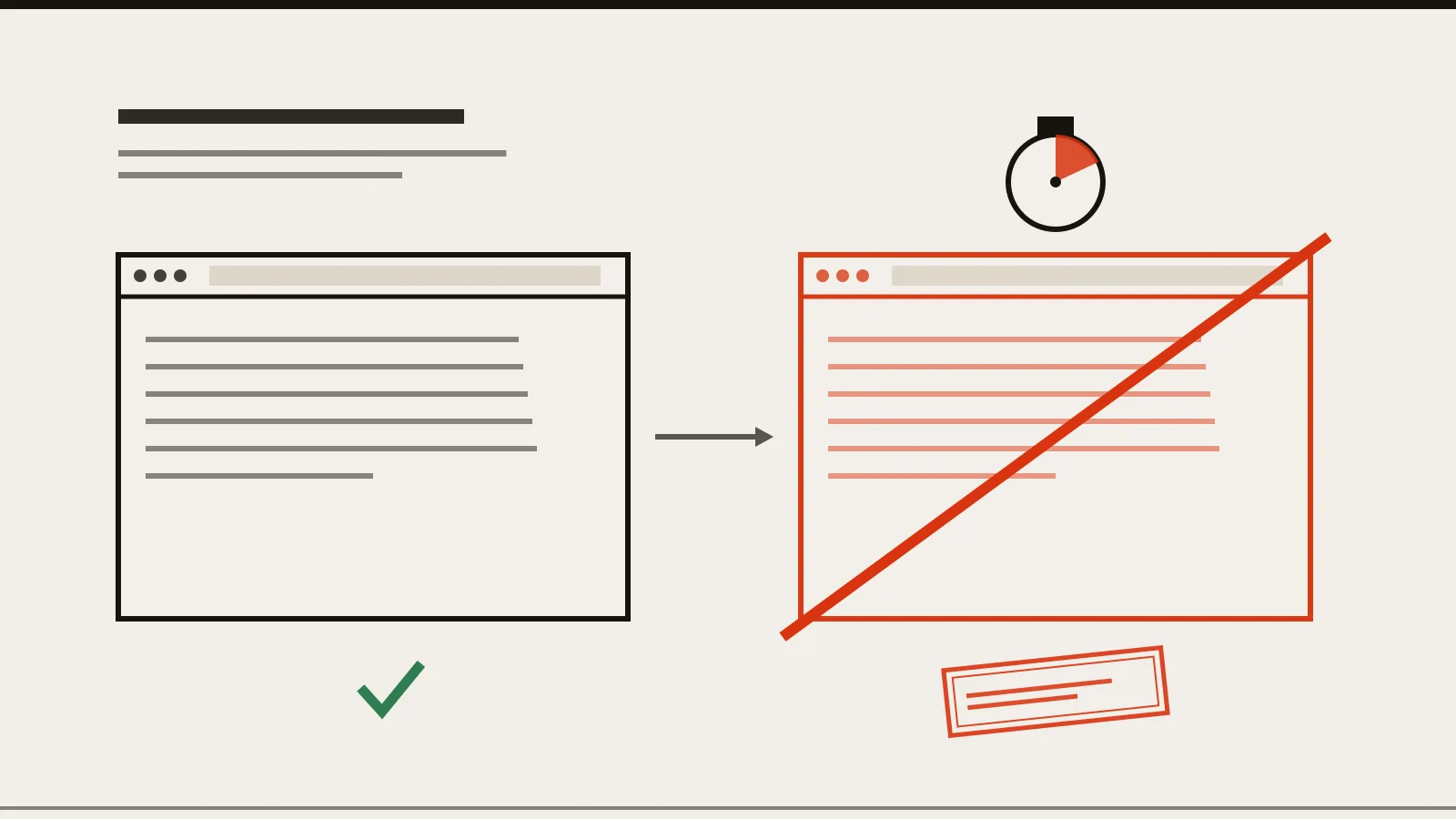
Speed in this trade is three clocks, not one. The first runs from the moment the copy goes live to the moment somebody reports it with usable evidence. The second runs from the report to the moment the right desk accepts it. The third runs from acceptance to the moment the switch is pulled: the domain suspended, the hosting account closed, the profile disabled, the app delisted. Vendors who advertise minutes are almost always quoting the narrowest slice of that, usually the time it takes to get a URL onto browser blocklists such as Google Safe Browsing, which stops most visitors reaching the page but leaves the copy online. That is still worth buying for a bank. It is a different product from deletion, and the gap between "blocked" and "gone" is where most disappointment with the best services for removing fake websites quickly comes from. When we scope a case, we ask which of the three clocks is hurting the client before we name a route.
The baseline matters too. The most cited academic measurement of phishing-site lifetimes, by Moore and Clayton, found a median life of about 20 hours and a mean nearer 62 hours (eCrime Researchers Summit, 2007). The mean is long because a minority of sites survive for days on slow hosts. Those are the cases people search about.
Short version: fast takedowns are made by evidence and by picking the right desk. A logo on the service's homepage does not make them.
Who are the best services for removing fake websites quickly, and who are they for?
The firms that rank for "fake website takedown service" are digital-risk-protection companies. They sell annual contracts to banks, retailers, software houses and government bodies, and they monitor new domain registrations, app stores and social platforms for lookalikes of the client's brand. When they find one, they file abuse reports with the registrar, the host, the content-delivery network and the browser blocklists at the same time, from accounts those desks already trust. That trust, plus volume, is what the money buys. As of October 2026, none of the vendors below publishes a price, and none sells a one-off takedown to a private individual. That is the honest answer to "best sites to help with fake website takedown" if you are one person with one cloned shop: these companies will not take your call, and the ones that will are often resellers of the free forms in the next section.
| Vendor | Speed it publishes (vendor's own page, Oct 2026) | Who buys it | What it actually does |
|---|---|---|---|
| Netcraft | Median takedown 33 minutes | Brands, banks, registrars | Detection, blocklisting and abuse reports to hosts and registrars |
| ZeroFox | "95% takedown acceptance rate", blocking in "as little as 15 minutes" | Enterprise security teams | Monitoring plus takedown filing across domains and social |
| Allure Security | Median about 15 minutes to block | Brands | Lookalike-site detection and blocking |
| Doppel | "Under one hour" | Brands, public figures via employer | Impersonation detection across web, social and apps |
| ReliaQuest (bought Digital Shadows in June 2022) | Not stated | Enterprise | Its digital risk protection page lists taking down spoofed domains and fraudulent sites |
| Bitsight (agreed to buy Cybersixgill in November 2024) | Not stated | Enterprise | Threat intelligence from dark-web and paste sources; we found no takedown filing advertised |
Two rows need a plain reading. People still search for a "digital shadows fake website takedown service", but Digital Shadows has been part of ReliaQuest since the $160m deal announced on 1 June 2022 (Help Net Security, 2022). ReliaQuest's page offers spoofed-domain takedowns without naming the old brand. We could not confirm that the old Digital Shadows team runs that service, so treat the two as related, not identical. A "cybersixgill fake website takedown service" is a stranger search. Coverage of the Bitsight acquisition, announced on 15 November 2024 and valued at about $115m, describes Cybersixgill as an intelligence feed (Help Net Security, 2024). Intelligence tells you a clone exists. Somebody else still has to file.
Every "minutes" figure in that table is the vendor's own claim, measured by the vendor, mostly for blocking. None of them has been audited by anyone we can cite.
What are the best sites to help with fake website takedown when you are one person?
The free desks are the same desks the vendors file with. A private person or a small firm can reach every one of them, at no charge, today:
- Google Safe Browsing. The phishing report form puts a URL in front of the list that Chrome, Firefox and Safari consult. Blocking is the fastest visible effect anyone can get.
- Microsoft. The unsafe-site report feeds SmartScreen in Edge and Windows, and guests can file it.
- The UK National Cyber Security Centre. Its scam website form is for sites aimed at UK users. As of July 2026 the NCSC says it has removed 256,000 scams across 454,800 URLs from public reports (NCSC phishing collection, 2026).
- The registrar's abuse contact. Run a WHOIS or RDAP lookup on the domain and write to the abuse address it lists. Since 5 April 2024, ICANN's contracts oblige registrars that receive actionable evidence of phishing, malware, pharming or botnets to "promptly" mitigate.
- The host. If the site sits behind a content-delivery network, report to the network, which passes the complaint to the host and the operator.
The registrar duty is narrower than people hope. ICANN's rule covers DNS abuse, which means the security harms listed above. A clone shop that steals your product photos but harvests no passwords and installs nothing is, in ICANN's terms, a content problem, and the registrar may reply that it is a content dispute and tell you to go to the host or a court. For the copy of the content itself, a DMCA takedown website notice to the host is usually the stronger lever, because the host faces liability if it ignores a valid one. For how far each of these desks can actually reach, from one page to a whole domain, our briefing on malicious domain takedown sorts the scope ladder.
A note from our own filing. When Tomás's team writes to a registrar, the first reply is usually an automated acknowledgement within hours, and the real decision follows once a person has opened the screenshots. The cases that stall are almost always the ones where the evidence shows a copy but not a harm: no login form captured, no payment page, no sample of the phishing email. Add those three items and the same registrar often acts on the same day.
Brand clone, trademark report or domain dispute?
A brand clone is often a trademark problem before it is a fraud problem. A brand clone trademark report goes to the platform or host under its intellectual-property policy, and it works when the clone uses your registered mark to sell or to trade. Fake domain removal by dispute is a separate road. The WIPO UDRP panel can transfer or cancel a domain registered in bad faith, from USD 1,500 for one to five names with a single panellist, and a decision usually arrives within weeks. It is slow next to an abuse report. It is also final, and the copy cannot simply re-register the same name. For the wider family of lookalike shops, fake profiles and listings using a real person's name, our impersonation website takedown briefing lists who answers non-members.
Is it a website at all? Fake accounts, apps and listings run on the platform's clock
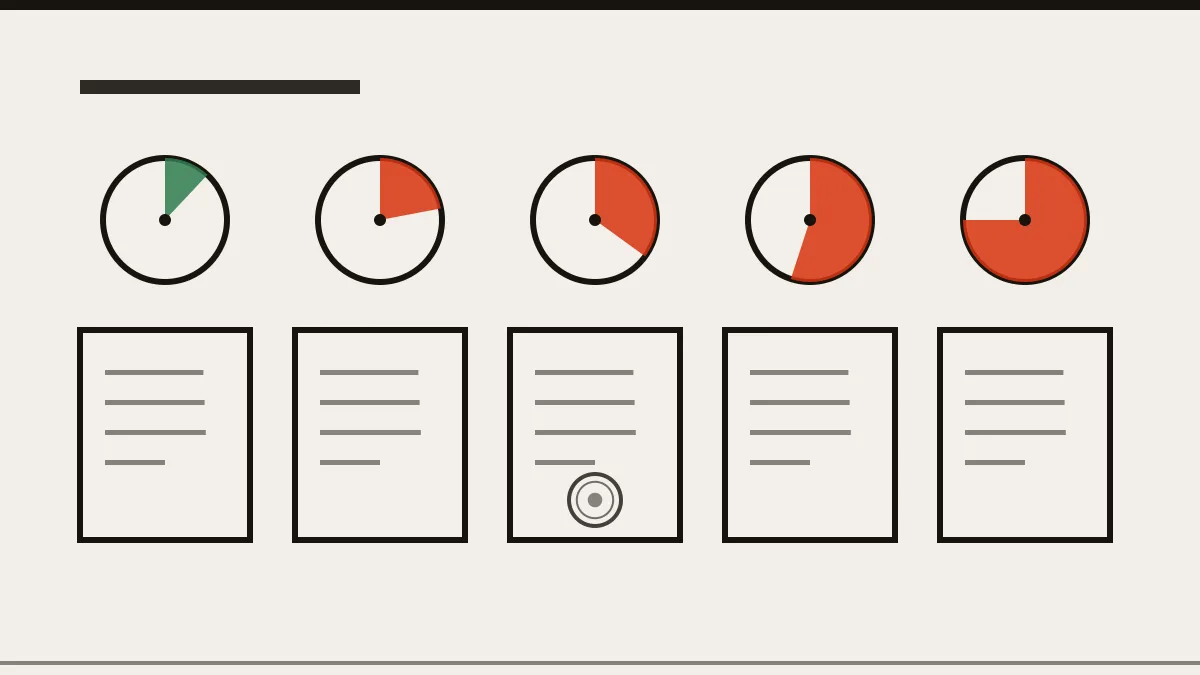
Most of what people call fake websites in a takedown request is not a website. It is a profile, an app or a listing, and on those the platform is the only switch. No registrar, no host, no vendor relationship reaches inside X, LinkedIn or Grindr. That is why fake account reporting through the platform's own form, filed by the right person with the right proof, beats any outside service for speed.
| Where the copy lives | Who holds the switch | Fastest lawful route | What speeds it up | What nobody can speed up |
|---|---|---|---|---|
| Lookalike domain with a phishing form | Registrar, host, blocklists | Safe Browsing + registrar abuse report | Captured login form, phishing email headers | The registrar's own review |
| Cloned shop copying your content | Host | DMCA or IP notice to the host | Side-by-side copy evidence, your registration if any | A host in a country that ignores notices |
| Fake profile on X, LinkedIn, Threads, VK | The platform | In-app report or impersonation form | Filing as the person copied, with ID where asked | The platform's queue |
| Fake dating profile on Grindr | Grindr | In-app report from the profile | Screenshots before you block | Grindr's verification step |
| Fake app on App Store or Google Play | Apple or Google | Store report plus IP complaint | Your own listing and developer proof | Store review cycles |
| Fake item or copycat listing on Depop, Craigslist, Redbubble | The marketplace | Item report or IP notice | Proof of the original and of ownership | Marketplace moderation backlog |
Fake X profile removal
To delete fake X profile copies you need X to do it: nobody else can. The person being copied, or someone authorised to act for them, files through X's impersonation reporting, explained on its impersonation help page. Fake X profile removal is quickest when the report comes from the real account holder and shows the copy's handle, the profile photo taken from the original, and any messages it has sent. Our Twitter impersonation report briefing walks the scam-clone version and the repair work after. If you are tempted to hire expert to delete fake X profile help, as many searchers are, ask what they would file that you cannot. The honest answer is usually "the same form, written better". A person who offers to get it down faster by organising volume is selling the thing our mass report Twitter account bot briefing takes apart: X reads the report, not the number of them.
Fake LinkedIn account removal and fake employees
LinkedIn's fake-profile report sits under More, then Report or Block, on the profile itself. For fake LinkedIn account removal you choose the report for the whole account, not one post, and say whose identity is being used. LinkedIn's help centre states that "Reported members won't know who made the report" (LinkedIn Help, 2026), which answers how to report a fake LinkedIn profile anonymously: every member report already is. How to report a fake LinkedIn account if you are not a member is harder. We found no signed-out form that stays signed out; the route asks you to log in. A fake LinkedIn profile takedown for a company follows the same report, filed by a Page admin. People who want to know how to delete a fake LinkedIn account usually mean one of two things: their own duplicate, which they delete from settings, or someone else's copy, which only LinkedIn can remove.
How to remove fake employees on LinkedIn is the company version. Profiles that list your firm as their employer can be part of a scam, used to lend fake recruiters a real logo. A Page admin reports each profile as fake. A 2026 brand-protection guide says Page super admins can also report false employment listings from the Page, but we could not find LinkedIn's own help article confirming the tool, so check your admin view rather than rely on us.
Threads, VK and Instagram copies
How to remove a fake Threads account runs through Meta. Meta's impersonation form on the Instagram Help Center has a field for a Threads username and asks whether you are the person copied or filing for someone else, with an ID photo. Many of the same rules apply as for the parent app, which our Instagram fake account report briefing explains, including why there is no button marked "fake". What happens to your report after you send it, and what the other person sees, is covered in what reporting someone on Instagram does.
How to remove a fake VK account is the one route here we could not read first-hand in October 2026. VK offers a report option on every profile. Whether its support desk asks the person copied for a passport scan we could not confirm, so write to VK support from your own account, attach a link to your real page, and expect a request for proof.
Grindr and other dating apps
How to report a fake Grindr account: open the profile, tap the report option, choose the reason that matches, and add a note. Grindr's help centre says a profile reported as fake or impersonating may be asked to verify, and that such an account can stay suspended until the owner sends a selfie holding a handwritten identifier (Grindr Help, 2026). That verification step is why a single accurate Grindr report fake account filing works better than ten vague ones. How to report a fake Grindr profile when the copy uses your photos: take screenshots first, then report, then block, because blocking hides the profile from you and you lose the evidence. Our Grindr fake profile report briefing lists the labels and the other services that answer.
A fake dating profile removal service cannot reach inside an app any more than you can. The useful ones help you assemble proof and file in the right order. The others take a fee for a report you could file in two minutes.
Fake apps on the App Store and Google Play
How to report a fake app depends on whose app it copies. A user who downloaded a scam app can file "Report a scam or fraud" at Apple's reportaproblem.apple.com, which only shows apps in your purchase history. On Google Play, the "Flag as inappropriate" option includes imitation or impersonation of identity. A developer whose app has been cloned files an intellectual-property complaint with each store as well, which is what a fake app takedown service does on a brand's behalf. Our briefing on how to report an app on App Store lists the boxes each store gives a stranger and an owner.
Depop, Craigslist and Redbubble copycats
For a Depop report fake item, use the three-dot menu on the listing and report it as counterfeit or intellectual-property infringement; the brand owner can also write to Depop's IP team. Craigslist works differently. How to report a fake Craigslist ad comes down to flagging: the "prohibited" flag sits on every post, and once a post has collected enough flags it comes down automatically. Craigslist has never published the threshold. How to remove copycat on Redbubble listings means proving the design is yours, then filing Redbubble's notice for the right that was copied, which our briefings on how to report stolen art on Redbubble and on Redbubble copyright infringement cover in turn.
Not sure which desk holds the switch? Send us the link and what it copied. Our confidential review tells you which route applies, what proof it needs and whether you can file it yourself, before anything is charged.
Why does a fake report bot slow a takedown down?
A fake report bot is a script or a paid panel that files the same report from many accounts. It promises speed and delivers the opposite, for three reasons. First, the desks that matter read reports, not tallies: YouTube's help centre says flagged content is "not automatically taken down" and that no amount of reporting changes that, and Twitch says mass or repeated reporting "will not increase the speed". Second, a burst of identical reports from new accounts looks like what it is, a coordinated campaign, and platforms that log report abuse can act against the reporters. Third, the real report, the one with evidence from the person copied, now sits in a queue behind a hundred empty ones. When we audit a case where a client paid for one of these before coming to us, the copy is nearly always still up, and the client's own accounts are sometimes flagged for misuse of the reporting tool. That is the opposite of quick.
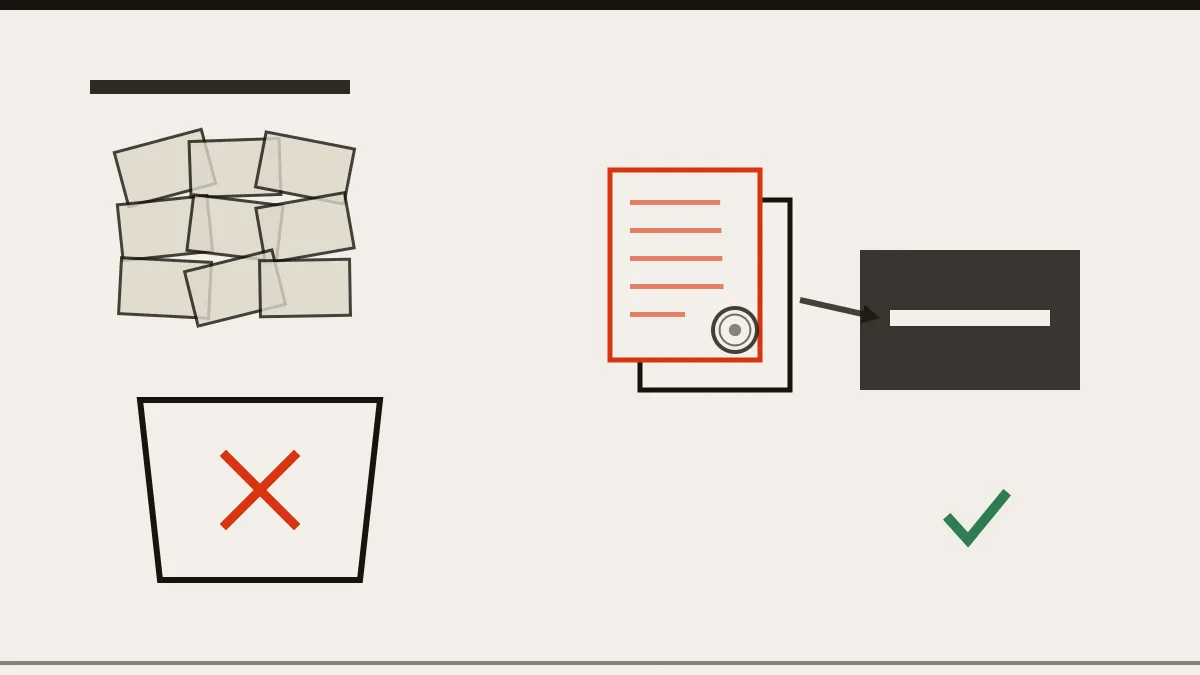
The same logic applies to fake websites & phishing takedowns sold as "unlimited reports", and to every other package of fake websites phishing takedowns priced by volume. One evidenced report to the registrar beats a thousand automated ones to an abuse inbox that filters duplicates. The volume is noise. The proof is the signal.
What can no service take down, however fast it claims to be?
Some copies are not fakes in the law's eyes. A parody account clearly labelled as parody, a review site criticising your business in honest terms, a news report about you, a court record, a fan page that says it is a fan page: none of these comes down on an impersonation or phishing report, because none of them is pretending to be you or stealing from your visitors. They can sometimes be pushed down in search results by stronger pages of your own, which is suppression, not removal. A service that promises otherwise is promising to file notices it cannot honestly sign. We do not forge notices, bluff legal threats, ask for your passwords or take crypto-only payment up front, and we will tell you when the right answer is to leave a page alone and outrank it instead. Our disclaimer sets out those limits in full.
Removal also leaves traces. A page that comes down can stay in search caches for a while and in web archives longer. Our briefing on what a takedown leaves behind explains where copies persist and which of them you can ask to clear.
Law enforcement is its own lane. A seizure banner on a domain, the kind people search as an FBI website takedown, comes from a court order in a criminal case. No private service can order one. You can report a fraud site to police or to the FBI's IC3, and that report can feed an investigation, but it runs on the investigators' clock, not yours.
Five questions to ask before you pay anyone to remove a fake
Most of the market for fake account and fake website removal is honest work at a fair price. A few questions sort it from the rest:
- Which desk will you file with, and what will you attach? A real provider names the registrar, host or platform form, and the evidence it needs from you.
- Who signs the notice? A DMCA or IP notice is signed by the rights holder or an authorised agent, and the statement that the signer is authorised is made under penalty of perjury. Anyone offering to sign as you without authority is offering to commit an offence in your name.
- What happens if it does not come down? "Money back" is fine. "Guaranteed removal" is not something any lawful provider can promise.
- Do you need my password? No legitimate service does, for any of these routes.
- Is this a removal or a suppression job? If the copy is lawful, honest providers say so up front.
Clocks are a fair test too. Every notice starts one, as our briefing on the GitHub DMCA takedown service and the YouTube strike timeline shows: counter-notice windows, appeal windows, re-listing rules. A provider who cannot tell you which clock your case is on has probably not filed many.
If a copy of you, your brand or your site is live and doing damage today, the fastest path is still the boring one. Capture the evidence, pick the one desk that holds the switch, and file once, properly. Our team does that work daily, and we will tell you plainly when you can do it yourself.