What does mass reporting actually do to a channel?
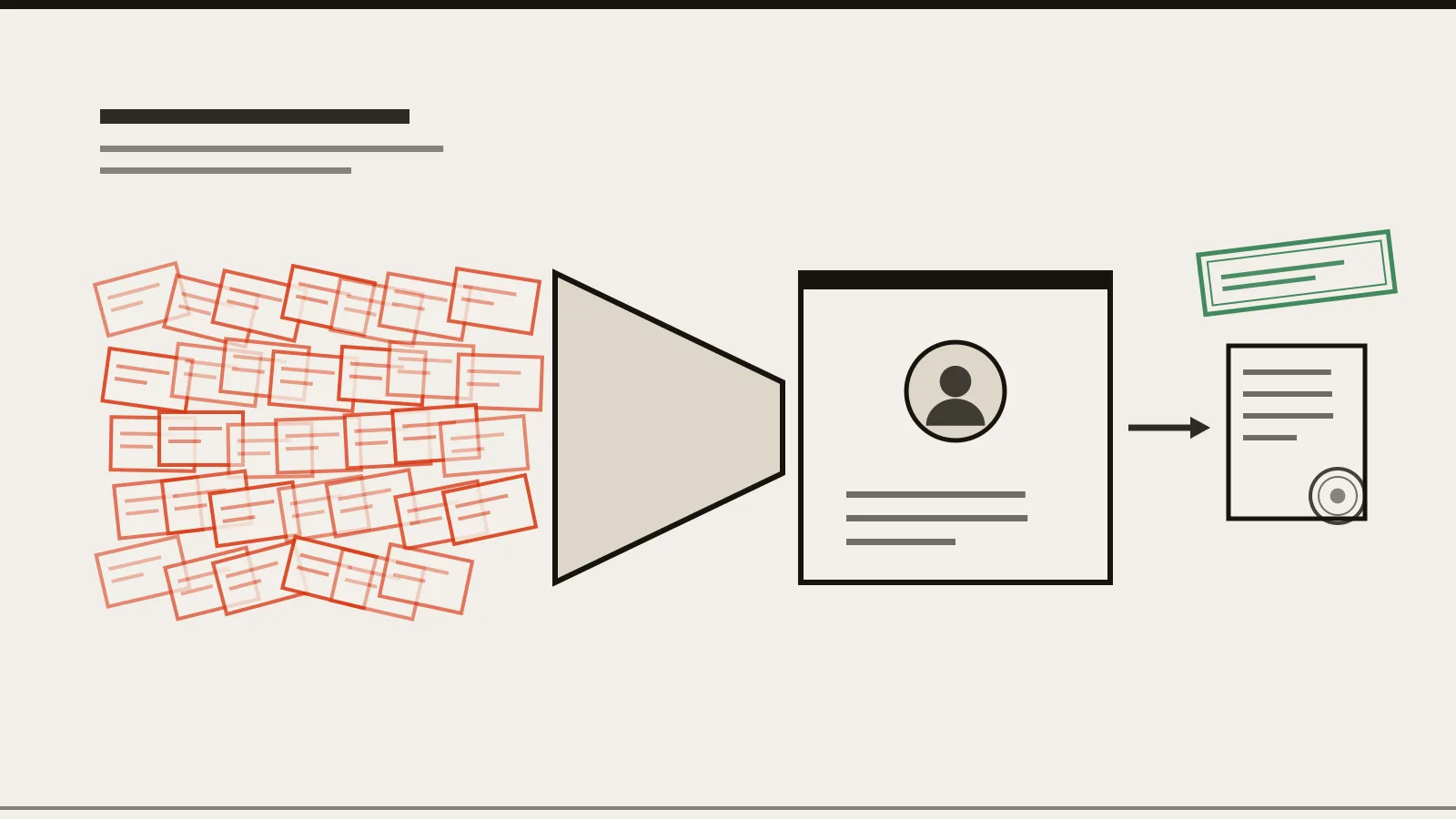
Mass reporting is many accounts filing a report against the same target over a short window, usually because someone was promised that volume forces a ban. The promise skips the question that decides the outcome: who reads the pile, and what are they told to look for? On most platforms the answer is a single reviewer checking one rule against one piece of evidence, and forty identical reports collapse into one review. On a few, a volunteer moderator sees the wave arrive in real time and reads the senders as the problem. On one network in this list, neighbours vote. And for several of the searches below there is no report button involved at all, because the thing being sold is a removal form the platform hands out free. As of October 2026, we sort every mass reporting service we are asked about by that single test: who reads it, and does the count change what they decide?
The answer differs by platform, and the differences are specific enough to put in one table. If you want the plain mechanics of a single report first, our explainer on what reporting a post on Instagram does walks through one filing from button to decision.
| Platform | Who reads the report | Does the count change the verdict? |
|---|---|---|
| Kick | Kick moderation team, by report button or email | No published count rule; moderators weigh intent, involvement and channel history |
| YouTube | Reviewers checking against Community Guidelines | No: "No amount of reporting will change that" if nothing breaks a rule |
| Twitch | Safety Operations, staffed around the clock | No: a channel reported several times in a short period is not suspended for that |
| Discord | Server moderators first, then Trust and Safety | No; false or abusive reports are themselves a rule breach (Rule 23) |
| Steam | Steam Support; VAC is automated cheat detection | No: reports do not issue VAC bans |
| Valorant | Automated chat detection plus reports gathered across games | Partly: reports accumulate, but only from players who shared a match |
| Mastodon | The moderators of each server, separately | No central count exists |
| Nextdoor | Volunteer community moderators who vote | Votes count; report volume from outsiders does not |
| Medium, PimEyes, Pinterest | A legal or opt-out form, not a report queue | A form is decided on its contents |
Sources for each row sit in the sections below. Where a platform publishes nothing on a point, we say so instead of filling the gap.
Can you mass report a Kick channel until the streamer is banned?
You can send the reports. What arrives at Kick is a set of complaints that its moderation team investigates one rule at a time. Kick's Community Guidelines (updated 19 March 2026) point users to the report button and to an email route for the moderation team, and say moderators look at intent, the person's involvement and the channel's history before acting. Nothing on that page says a report count triggers anything. The guidelines do name the behaviours a bought wave tends to fall into: coordinated harassment is a breach (guideline 5), and so are bots and third-party tools used to inflate engagement (guideline 7). So the people who mass report a Kick channel are standing closer to a written rule than the streamer is, unless the streamer actually broke one. The guidelines are public at kick.com/community-guidelines, and they are short enough to read before paying anyone.
People who search "mass report kick streamer to get banned" usually want one of two things. Either the streamer is doing something genuinely harmful on stream, or they are a rival and the viewer wants them gone.
The first case needs one report, filed well. Clip the moment, note the timestamp and pick the guideline it breaks. If the problem is a re-broadcast of your own footage or music, that is a copyright route, and our guide on how to get a Kick streamer banned for copyright covers the notice that actually binds Kick.
The second case has no lawful route. A rival who has broken nothing cannot be reported off a platform, and any mass report kick streamer listing that says otherwise is selling one of three things: nothing, throwaway accounts that Kick can link together, or a request for your own login so the seller can file from it.
Mass report a YouTube channel: what the bot panel sells against what YouTube reads
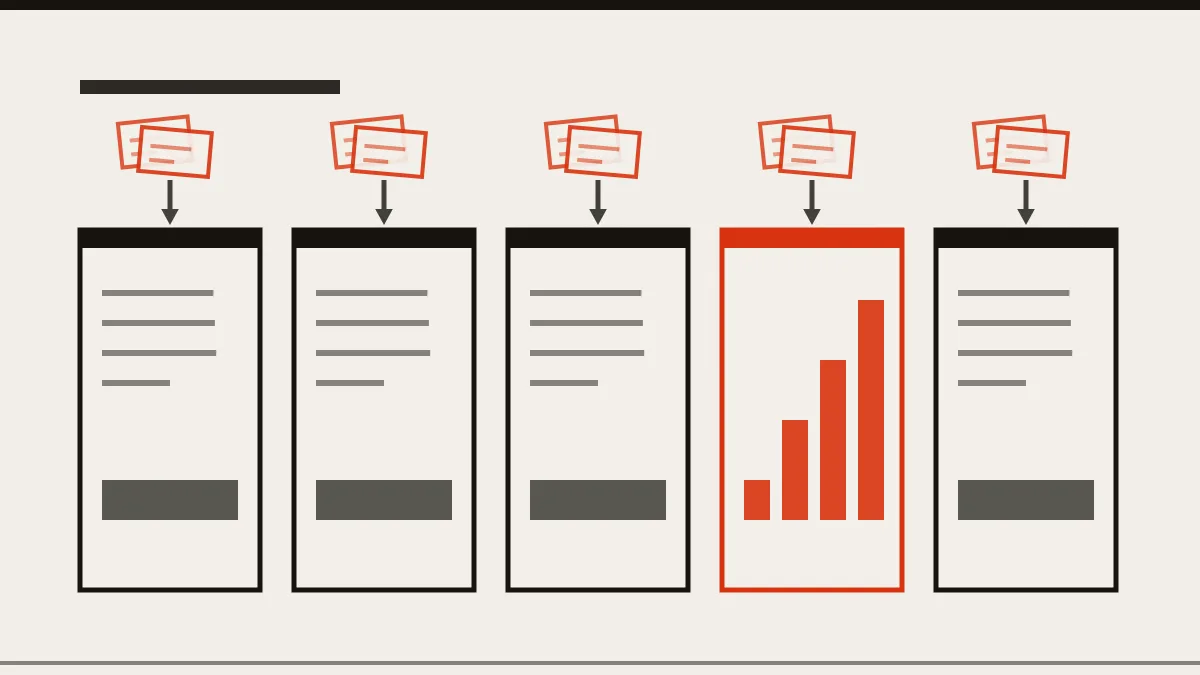
YouTube answers this one in writing. Its reporting help page says that reported content is not taken down automatically, that reviewers check it against the Community Guidelines, and, for content that breaks nothing, that "No amount of reporting will change that" (YouTube Help, reporting inappropriate content). A mass report youtube channel bot panel therefore sells volume into a system that discards volume. What decides a channel's fate is the strike ladder: the first breach is normally a warning, a first strike blocks uploads for a week, a second for two weeks, and three strikes inside the same 90-day window can remove the channel (YouTube Help, Community Guidelines strikes). Strikes expire after 90 days. Severe abuse can end a channel at once, but that depends on what is on the channel, never on how many people clicked. Anyone trying to mass report a YouTube channel is, in effect, asking a reviewer to look harder at something the reviewer would look at once anyway.
Copyright runs on a different clock. A strike from a legal takedown sits outside the Community Guidelines ladder, and our briefing on how long a YouTube copyright strike lasts sets out how that clock starts and stops.
There is also a whole adjacent category the panels love to bundle in: scam adverts and impostor channels. Those have their own forms. If the channel is running fraud through ads, the faster door is to report YouTube ads and scams directly, and the desktop and app steps differ slightly. For a misleading promotion, the question is often who is allowed to file at all, which is the subject of our page on how to report a YouTube advert.
Twitch and Discord: a moderator watches the wave arrive
Mass report a Twitch channel, a Twitch streamer, or buy a "mass report twitch bot"?
Twitch is explicit on both sides of the trade. Its Community Guidelines say reports are reviewed by a global Safety Operations team working "24/7/365", and, in the section on sexual content, that a channel reported several times in a short period will not be suspended if it did nothing wrong (Twitch Community Guidelines). The same document lists spam as including "large amounts of repetitive, unwanted messages or user reports". Read together, those lines describe exactly what a mass report twitch bot produces. The streamer's channel gets one review on its merits. The flood of identical reports is classed as spam, and the accounts that filed it now hold the violation.
Searches for "mass report twitch channel" tend to spike after a heated stream, and the people acting on them often use their own main accounts, which is the worst version: every filing is tied to a real history. A "mass report twitch streamer" plan built around one clip would do better as a single report naming the guideline and the timestamp. If the clip is your work being re-streamed, it is a copyright matter, and you can report a Twitch stream for copyright instead.
Mass report discord: account, server or user
Discord reports start closer to home. In a server, the first reader is usually a volunteer moderator, who sees forty reports from accounts that joined that morning and draws the obvious conclusion: the server is being raided, and the raiders are the ones to remove. Above the server sits Discord's own Trust and Safety team, and its rules are blunt. Rule 23 of the Community Guidelines (effective 29 September 2025) says not to submit false, misleading or abusive reports to Discord's support teams, and defines false as demonstrably untrue information sent to manipulate staff (Discord Community Guidelines). The platform-manipulation rules ban self-bots and spam tools. A mass report bot discord sellers advertise is, in practice, usually a self-bot: it drives real user accounts through automated clicks, which breaks the rules before a single report lands.
The same logic covers every variant of the search. To mass report discord account holders, a seller needs accounts; to mass report discord server owners, those accounts need to be inside the server, where moderators can see them; to mass report discord user profiles, the accounts must share a server or a DM history with the target, or the report has nothing to point at. When a server genuinely hosts illegal material, the question is how to take down a Discord server as a unit, which is a different and narrower request than flooding it with reports.
Game accounts: Steam, Roblox and Valorant judge matches, not piles
Game platforms add a filter the social apps lack: the report usually has to come from inside a match or a trade, and much of the enforcement is automated detection that never reads a report at all.
Mass report steam: what a report can and cannot reach
Valve's Anti-Cheat (VAC) bans come from automated detection of cheat software on the player's own machine, according to Steam Support, and a VAC ban issued in error is reversed automatically. Reports do not issue them. Steam Support also says it disregards false reports. So a seller offering to mass report steam profiles into a VAC ban is offering something the system was built to ignore, and the request to mass report steam account holders for trading is the same story with a different label. Our briefing on how to get someone trade banned on Steam explains what a trade restriction actually rests on. If you were sold a wave and nothing happened, you are not alone: that pattern has its own name, the Steam mass report scam, and the seller is the one worth reporting.
Mass report roblox account
Roblox reports go through its in-experience Report Abuse tool, which attaches the report to the player and the experience where the behaviour happened. A wave of reports from accounts that were never in that experience gives a reviewer nothing to verify. The open-source side is thin and old: in our GitHub survey on 15 October 2026, a search for repositories matching "mass report" and roblox returned 10 results, 8 of them with no stars, and the most-starred one was created in August 2022 and last updated in August 2024. Anyone who wants to mass report roblox account holders for scamming should file one report with the trade evidence, and our page on how to report a Roblox scammer covers what Roblox can return and what it cannot.
Mass report valorant account
Valorant is the one case in this briefing where accumulation genuinely matters, and it is still no use to a bought wave. Riot has said that chat restrictions trigger when text is detected as abusive or when reports build up over time from different players across different games, and that "Being reported does not guarantee a punishment" (Riot, VALORANT systems health, February 2022). The phrase that matters is different players across different games. To mass report valorant account holders, a seller would need dozens of accounts that each shared a real match with the target, which is no longer a report wave but a stalking campaign. The lawful version is simple, and our guide covers how to report someone in Valorant from the end-of-match screen.
Paid vs free report bot, and the mass report Chrome extension
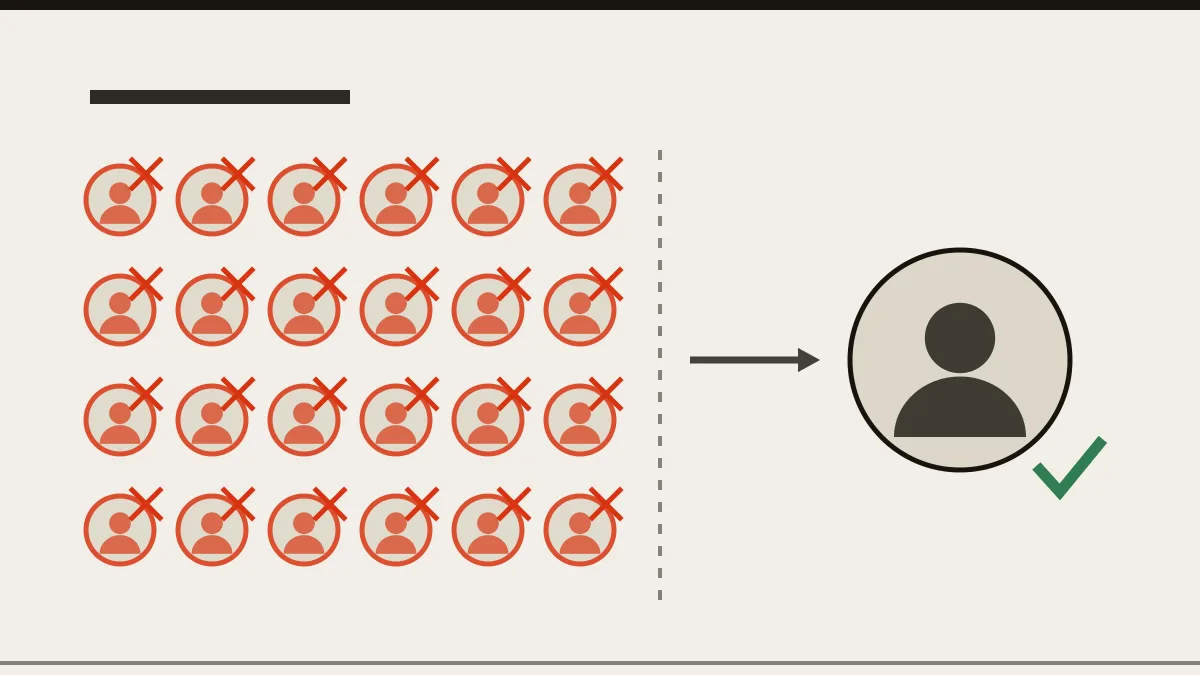
The paid vs free report bot question has a short answer. Free bots run on your machine and your accounts; paid bots run on someone else's machine and either your accounts or theirs. Neither can file a report through an official programming interface, because none of the platforms in this briefing offer one for ordinary users. Every bot in this market scripts the buttons a person would press, which is why each one needs a login.
We ran a metadata-only search on GitHub on 15 October 2026 for repositories whose name, description or topics match "mass report" alongside each platform. Kick returned 0. Valorant returned 0. "Extension" returned 0, and so did Lemon8. YouTube returned 1 repository, created on 26 September 2026 with no stars; Twitch returned 1, created on 28 September 2026; Steam returned 2, both created in 2026 and the larger with 3 stars. The Discord query hit GitHub's rate limit, and we did not retry it. A market that sells thousands of "bot panel" subscriptions rests on a code base that barely exists, and the newest entries are typically a README and a link out. Roblox returned the most, 10, and even its most-starred entry has not been touched since August 2024. None of this is hidden; anyone can run the same search.
A mass report chrome extension is the same idea bolted to your browser. It clicks the report menu on your behalf, using your signed-in account. The Chrome Web Store's Spam and Abuse policy only lets an extension send messages for a user when that user can confirm the content and the recipients (Chrome Web Store, Spam and Abuse), and an extension that floods report forms sits awkwardly with that rule. More to the point, it puts every report under your own name.
We covered the delivery side in depth for X in our piece on the mass report Twitter account bot, and for TikTok in how to get someone's TikTok banned. The answer does not change between platforms. Whose account files, and under which rule?
Ban services and removal services: Lemon8, Pinterest, Mastodon, Medium, Nextdoor, PimEyes
The second half of this search cluster is less about bots and more about service listings. Some promise a ban. Others promise a removal. They need separate answers.
Mass report lemon8 account, pinterest ban service, mastodon ban service
Lemon8 is owned by the same group as TikTok and publishes Community Guidelines that let it remove accounts for one severe breach or for repeated breaches. Its supplemental terms, per the published text we could reach only in a search summary, bar reports that are manifestly unfounded. Someone hoping to mass report lemon8 account holders is buying exactly that kind of report. A real problem needs one filing from the person affected, through the report option on the post or profile.
A pinterest ban service promises to remove a rival's account. Pinterest reviews reported Pins and accounts against its guidelines, and copyright claims go through its own form. Search for a pinterest account removal service and the same sellers appear offering to delete an account they do not own, which nobody can lawfully do for you. If the account is yours, Pinterest's settings let you close it free. If it is someone else's and it copies your work, file a copyright claim.
A mastodon ban service has a structural problem. Mastodon has no central moderator. The official documentation says reports go to the moderators of your own server, and that for an account on another server you can choose to forward the report to that server's moderators (Mastodon documentation, moderating). Each server decides alone, and a ban on one server leaves the account untouched on its home server. Nobody can ban an account across the whole network, because no single body holds that switch.
Parody account removal service
A parody account removal service sells something that only works when the account is not really parody. Most large platforms allow parody, commentary and fan accounts as long as they are clearly labelled and do not pass themselves off as the real person. An unlabelled account that copies your name and photo is impersonation, and the route is the platform's impersonation form, filed by you or by someone you authorise. We set out that route for one network in our guide on how to report a Bluesky account for impersonation. A clearly labelled parody that mocks you usually stays up. That feels unfair, but a service promising otherwise must misrepresent the account to the platform. Before paying anyone, check whether the account tells a reasonable reader, in its name or bio, that it is not you. If it does, a report will be read as a complaint about satire and closed. If it does not, you have an impersonation case that you can file free.
Medium article takedown service, Nextdoor post removal service, PimEyes removal service
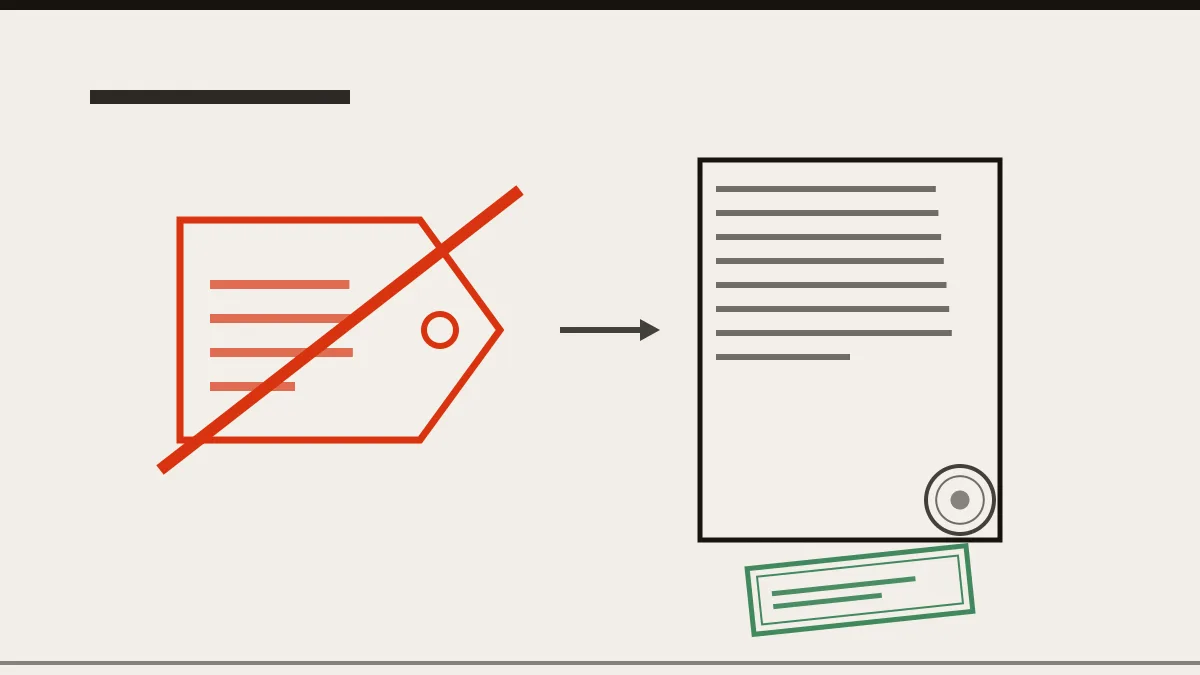
These three listings sell form-filling. That can be worth paying for when the form is hard, but the buyer should know what the form is. A medium article takedown service or medium content removal service is, almost always, filing a copyright notice or a Medium rules report. Medium's copyright process asks for a signature, the original work, the infringing link, contact details and two sworn statements; it tells the author, who can counter-notify, and the claimant then has 10 days to show legal action before the story may return (Medium Help Centre, DMCA policy). Our breakdown of a Medium DMCA takedown covers what that notice removes and what stays.
A nextdoor post removal service has the oddest job of all, because Nextdoor is the one network where votes really count. Reported posts go to volunteer community moderators from the area, who vote; in Nextdoor's published figures for 2021, volunteers reviewed 86.9% of reported content and voted to remove 52.5% of it, with a median of 4.6 hours (Nextdoor transparency report). Outsiders cannot buy those votes, because reviewers are neighbours in the same area.
A pimeyes removal service sells the PimEyes opt-out, which is free. The opt-out removes your images from PimEyes' own results, and PimEyes says plainly that it cannot take the photo down from the website where it was found (PimEyes opt-out request form). Its paid PROtect plan includes 200 takedown requests to the source sites, which still depend on those site owners agreeing.
Does mass reporting backfire?
Yes, and usually on the people who paid. Mass reporting backfire comes in three forms, and they stack. First, the platform: Discord's Rule 23, Twitch's spam wording and Kick's rule on bots and engagement tools all treat the reporting accounts as the violators, so the filers get restricted while the target gets a clean review on record. Second, the target: a channel just reviewed and cleared is harder to touch next time, and many creators post the wave publicly, handing the story a bigger audience than it had.
Third, the law. In England and Wales, the Protection from Harassment Act 1997 treats conduct you procure from others as your own conduct (section 7(3A), legislation.gov.uk), so paying a service to run a campaign against one person can count as a course of conduct by you. A seller who logs into hijacked accounts is in Computer Misuse Act 1990 territory, and a seller who takes money for a ban it cannot deliver is making a false representation. Across the EU, the Digital Services Act adds a platform-side rule: Article 23 requires services to suspend, after a warning, people who frequently submit notices that are manifestly unfounded. A paid wave is close to the textbook case. Sellers rarely mention any of this on the order page, and the legal risk sits squarely with the buyer.
Facing a report wave, or something genuinely harmful that needs to come down? Our team reviews it confidentially before any charge and tells you which lawful route applies, if any. Start a confidential review.
There is a hard limit on what we do, and it is worth stating plainly. We do not sell report waves, we do not file notices we cannot sign truthfully, and we never ask for your password or anyone else's. Truthful reporting, genuine public records and opinion cannot be removed through any of these routes; at most they can be outranked in search, which is suppression, a different service with different expectations. Our disclaimer sets out those limits in full.
What one good report looks like
When clients come to us after buying a wave, the order page is usually all they have. No list of the accounts that filed, no rule named, no report reference. There is nothing to build on, and the money is rarely recoverable, because the seller delivered exactly what it could: clicks that a reviewer read once and closed. A report that works looks the opposite way round: one filing, from the person with standing, naming the specific rule, with the evidence attached and a timestamp or link a reviewer can open in a second. On YouTube that is the flag on the exact video with the guideline chosen; on Kick it is the clip plus the guideline number; on Discord it is the message link, not a screenshot; on Valorant it is the end-of-match report from inside the game.
If the harm is copyright, a signed notice beats any number of reports. If it is impersonation, the impersonation form beats a general report. And if it is truthful but damaging, no report will touch it, and the honest conversation is about search suppression rather than removal.