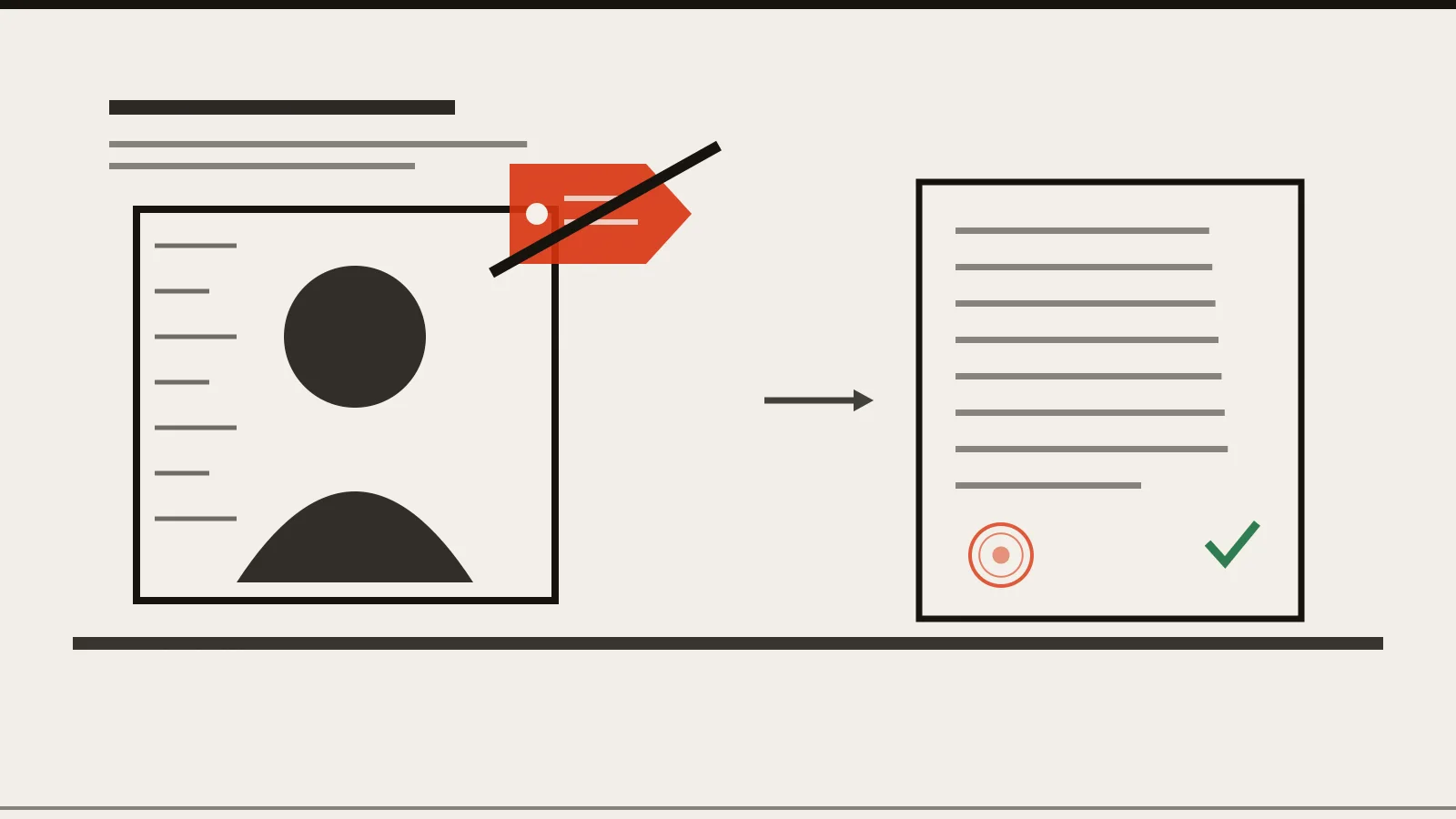
What does a mugshot removal service actually sell?
A booking photo is taken by a police department or sheriff's office when someone is arrested. Many US agencies publish those photos, and for years a cottage industry scraped them onto private websites, optimised them for the arrested person's name, and then offered to take them down for a fee. A mugshot removal service sits somewhere along that chain. The honest ones sell paperwork: written requests to the publishing site under the relevant state law, record-sealing or expungement guidance with a local lawyer, and removal requests to Google once the page is gone or the site's practices qualify. The dishonest ones are the sites themselves, or affiliates of them, selling the removal of a photo they put up.
So the product is time and drafting, never the photo. Good mugshot removal services say that in the first email. Nobody can buy a mugshot out of a public record. What can change is where that record is copied and how prominently a search engine shows the copies.
That distinction runs through every search in this briefing. Mugshots, blackmail, a hostile Medium post, a counterfeit AliExpress store: each one has a person or business asking for money, and each one has a free route that does most of the work. Our job, and the job of any service worth hiring, is to say which is which before a card number changes hands.
Who should you pay, and who should never get a penny?
Here is the sorter we use on the first call. The question is not "what is the problem" but "who is holding out their hand, and what are they holding".
| Who asks for money | What they hold | Pay them? | The free route that does the work |
|---|---|---|---|
| The mugshot site, or its "reputation partner" | A copy of a public booking photo | No. Several states make charging for removal unlawful | Written demand under the state statute; Google removal request for exploitative removal practices |
| A blackmailer or sextortionist | Your images, or a claim that they have them | Never. Payment rarely ends it | StopNCII or Take It Down hashing, platform report, police |
| A removal service | Drafting skill and filing time | Yes, for paperwork with a named route | You can file every form yourself; the service saves time and mistakes |
| A Wikipedia "removal" agency | Nothing. No one owns an article | No | Article talk page, Biographies of living persons noticeboard, deletion process, volunteer response team |
| A Medium "takedown" seller | Nothing beyond what you can send | Only if they draft a real legal notice | Medium's own report and legal-request routes |
| A counterfeit seller on AliExpress | Your money already | No further payments | Buyer dispute; rights-holder IP platform |
The pattern is plain once it is in a table. You pay for labour. You never pay the person who controls the content in exchange for them letting go of it, because that is exactly the business model the laws below were written to kill.
Mugshot.com removal service and the pay-to-remove laws
A mugshot.com removal service is the phrase people type when the result on their name comes from one of the big aggregator sites. The sites have changed names and owners many times, so treat any brand name as a moving target. What has not moved is the legal position in a large group of US states. Georgia, Illinois, Oregon, Texas and Utah all passed laws in 2013 stopping commercial sites from charging to remove booking photos, and Colorado, California and Wyoming followed (NCSL, 2026). Georgia's version (O.C.G.A. § 35-1-19) expects removal within 30 days of a written request, with a complaint to the state's Consumer Protection Division if it does not happen. Arkansas, since 2021, asks for removal within five business days. In May 2018 California's Attorney General charged four people behind Mugshots.com with extortion, money laundering and identity theft, alleging that removal fees paid through a sister site came to $2,422,924 from 5,703 people (CBS News, May 2018). We have not found a published outcome to that case, so we do not quote one.
Google acted earlier. In October 2013 it changed its ranking to demote mugshot sites, which at the time charged anywhere from $10 to $400 per removal. Its current policy goes further: Google will consider removing a page about you from its results when the site requires payment to take the content down, and it is not a business review site (Google Search Help, 2026). Once a request succeeds, Google also says it applies protection against similar sites for your name. That route is free and often faster than chasing an offshore site owner. We file it in parallel with the state-law letter, not after it.
A note on copyright, because people try it. The photo was taken by the police, so you do not own it, and a DMCA takedown for a website signed by you would be a false notice. Copyright is the wrong tool for a mugshot.
Mugshots removal services that only push results down
Some mugshots removal services never ask any site to delete anything. They publish new pages about you, buy domains in your name and push the booking photo to page two. That is suppression, and it can be legitimate, but it is a different product with a different price. Ask any provider which they are selling. If the answer is "both" and the contract does not name the target URL, the route and the outcome they are measured on, you are buying hope.
Suppression is the right call when the record is accurate and the copy is lawful: a local newspaper's arrest report, for example, or a court docket. Truthful journalism and genuine public records cannot be removed by a notice, and a forged complaint against them tends to end in a lawsuit and a news story about the complaint. Expungement or sealing changes the picture, because many publishers and Google will reconsider once a court has sealed the record. That step belongs to a criminal-defence lawyer in the relevant state, and we say so on the first call.
How do you take down blackmail photos or a blackmail video without paying?
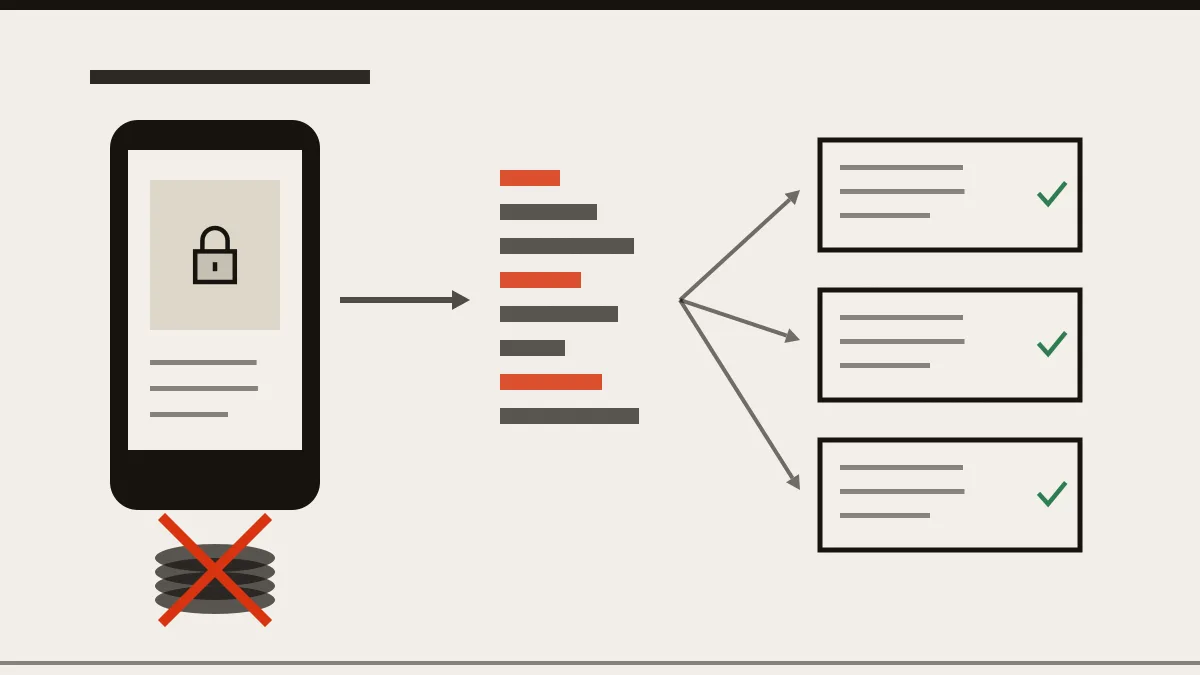
Blackmail with intimate images, often called sextortion, follows a script. Someone gets an image or video, or claims to, then demands money, more images or both, with a deadline. The single most useful fact is that paying rarely ends it: the FBI says payment does not guarantee the images stay private, and the UK's National Crime Agency puts it in three words: don't pay (NCA, 2026). Payment marks the target as someone who pays. Here is the order we work in when someone asks how to remove the blackmail threat and the material behind it.
- Stop replying and do not pay. Do not delete the conversation. Screenshot the profile, the username, the demand and any payment details.
- Hash the images, do not send them. StopNCII.org creates a digital fingerprint on your own device for adults; NCMEC's Take It Down does the same for images taken when you were under 18. Only the hash leaves the phone. Participating platforms then block matching uploads.
- Report the account on the platform where the threat arrived. Use the harassment, blackmail or sexual exploitation option, not "spam".
- Report to police. In the US, the FBI takes sextortion reports at tips.fbi.gov and through IC3. In the UK, call 101, or 999 if you are in danger; the Revenge Porn Helpline supports adults, and Report Remove (Childline with the IWF) covers under-18s.
- Ask platforms to take down blackmail photos or a blackmail video already posted. Under the US TAKE IT DOWN Act, covered platforms must remove a reported non-consensual intimate image, and known identical copies, within 48 hours of a valid request. Those duties became enforceable on 19 May 2026, and the FTC wrote to Meta, Discord, Match Group, Snapchat and X the following day.
The free route is strong here. It is also urgent, so we triage these cases without charge and never ask anyone to send us the material.
Online blackmail reporting on Kik, Hinge and Grindr
Online blackmail reporting works best inside the app where the threat arrived, because that platform holds the account, the device signals and the payment trail. Each of the three apps people ask us about most handles it slightly differently.
How to report blackmail on Kik. Open the chat, tap the person's name, then Report, and include the chat history. Kik's help centre says only that conversation is sent, it may be passed to law enforcement, and the user will not know you reported and blocked them (Kik Help, 2026). To report Kik user for blackmail inside a group, go to the group name, the three dots, then Report Group. Kik also runs a separate removal form for intimate images; no Kik account is needed, someone can file it for you, and you should not attach the image.
Report blackmail on Hinge. Use the three dots on the profile or chat, then Report, and choose the reason closest to threats or sexual exploitation. Hinge describes reporting as confidential. If the person unmatched you first, the Past Matches area holds people from the last 30 days, and you can report from there.
Report Grindr blackmail. Grindr's report menu includes a blackmail reason alongside the impersonation and scam options we walked through in our Grindr fake profile report briefing, and its support team is reachable at help@grindr.com. Many sextortion accounts are throwaways built on stolen photos, so the same evidence helps a fake-profile report too.
Blackmailers often move a target from a dating app to Instagram or Snapchat within hours. If the threat continues there, the Instagram fake account report routes still apply, since most of these profiles are fakes as well as threats.
Report Kik user to police or law enforcement
Police do not need you to have won anything on the platform first. To report Kik user to police, give them the Kik username (not the display name), the screenshots, the dates and any payment details the blackmailer sent. Kik publishes a Law Enforcement Guide in its online resource centre, and officers use it to request account records; a victim cannot get those records directly, which is why the police report matters. When people ask how to report Kik user to law enforcement in the US, the answer is the FBI at tips.fbi.gov or IC3, and for anyone under 18, NCMEC's CyberTipline. In the UK, it is 101, or Report Fraud if money changed hands; Report Fraud replaced Action Fraud in December 2025.
Threatening to share intimate images is itself an offence in England and Wales under section 66B of the Sexual Offences Act 2003, whether or not anything is ever posted. So a threat with nothing published yet is still a crime to report. When a site linked to the threat is later seized, you will see a banner rather than the content, which is the FBI website takedown pattern we cover separately; that is the end of a criminal case, not a route a victim can start.
What a blackmail content removal service can and cannot do
A blackmail content removal service cannot do anything the free routes above cannot. That is the uncomfortable truth, and in April 2023 the FBI's IC3 put it more sharply: it warned that some for-profit companies charging sextortion victims are "directly or indirectly involved in the sextortion activity" (IC3 PSA I-040723-PSA, April 2023). A firm that offers to "negotiate" with the blackmailer, "hack back" the account or guarantee deletion is either lying or part of the scheme.
What honest online blackmail removal looks like is narrow. We help hash the images through StopNCII or Take It Down from your own device, file reports on each platform with the right reason, chase removal under the 48-hour TAKE IT DOWN Act rule where material was posted, and ask Google to de-list any page that slips through. When people search take down blackmail video, this is that list. We do this triage free, because the speed matters more than the invoice, and we never ask anyone to send us the material.
Can anyone sell you a Medium or Wikipedia article removal?
Both searches assume someone owns the button. On Medium, the writer controls the post and Medium controls the platform; on Wikipedia, nobody controls the article.
A medium article removal service can do two legitimate things. It can file a report through Medium's own routes, from the three-dot menu on the story or by email to trust@medium.com, citing the specific Medium Rule the post breaks: harassment, doxxing, private information, or impersonation. And it can draft a legal notice when the post is defamatory or copies your work. Medium runs separate forms for copyright, trademark, Rules violations and illegal content under the EU Digital Services Act (Medium Help, 2026). Every signed copyright notice starts its own counter-notice clock, as our GitHub DMCA takedown service briefing explains, so a weak notice can put the post back within weeks. Medium has no published defamation fast lane. A defamation complaint needs facts you can prove false, and opinion, however harsh, stays up.
A wikipedia article removal service is a stronger warning sign. No agency can delete an article. Deletion runs through volunteer processes: proposed deletion lasts seven days, Articles for Deletion at least seven, and problems in a biography of a living person go to the volunteer response team at info-en-q@wikimedia.org. Wikimedia's Terms of Use also require anyone paid to edit to disclose each employer, client and affiliation. A service that edits your article quietly breaks that rule, and when editors notice, the article often gets a public note about undisclosed paid editing. That outcome is worse than the original paragraph.
What we do instead is prepare the evidence: which sentence is unsourced, which source is unreliable, which detail breaks the living-persons policy. Then we tell you how to raise it openly on the talk page or with the response team.
How do you report counterfeit goods or a fake store on AliExpress?
The right AliExpress route depends on who you are. A buyer and a brand owner are using two different doors, and most failed reports come from walking through the wrong one.
If you bought something. Open a dispute from the order within the buyer-protection window; that is the route that returns money. For an aliexpress counterfeit report as a buyer, use the dispute reason for a counterfeit or not-as-described item, add photos against the listing, and then use the report option on the product or store page. To report counterfeit on AliExpress where you have not bought anything, the same product-page report works, but it is a signal, not a claim. That is also how to report AliExpress seller accounts for misleading listings.
If you own the brand or the copyright. Rights holders file through Alibaba's IP Protection Platform, which covers AliExpress alongside its other marketplaces and asks for proof of ownership first. Alibaba has said it processed 96% of requests within 24 hours (Alibaba, 2019). Whether a design is protected by copyright, trademark or both changes what you file, the same sort we use in our Redbubble copyright infringement briefing.
If the "store" is not really on AliExpress. To report fake AliExpress store lookalikes, meaning a website using the brand, the route is the host and registrar, not the marketplace. That is an impersonation website takedown, and when the page also harvests card details, a malicious domain takedown through the registrar's abuse desk is faster still. To report AliExpress scammer accounts that moved you to WhatsApp or a bank transfer, report the account and tell your bank the same day; off-platform payments sit outside AliExpress buyer protection.
The European Commission opened formal proceedings against AliExpress under the Digital Services Act in March 2024, partly over how it handles illegal products, so EU buyers also have a notice route for illegal content.
What happens when you report a Discord server, an eBay seller, a Hinge match or a Steam user?
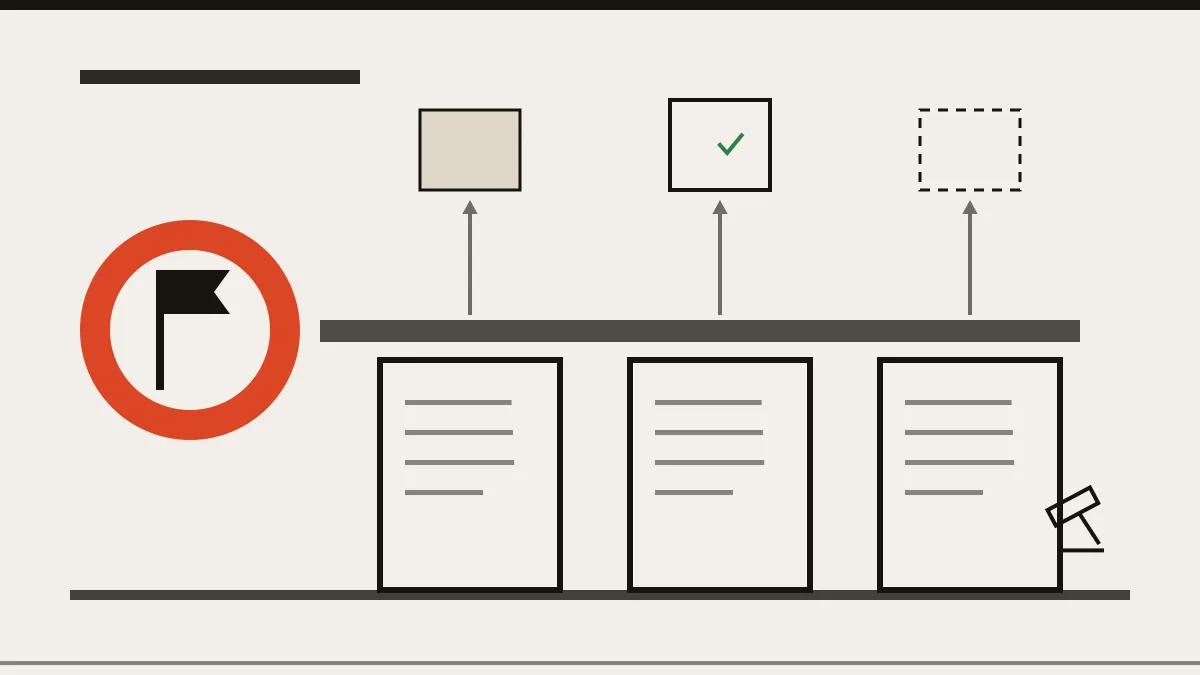
A report is a request for review, not a verdict, and each platform tells the reporter a different amount afterwards. This table is what we tell clients to expect, as of October 2026.
| Report | Who reviews it | Is your name shared? | What comes back to you |
|---|---|---|---|
| Discord server | Trust and Safety; high-harm reports in about 24 to 48 hours | No | Sometimes a note that action was taken |
| eBay seller | eBay customer service and policy teams | eBay does not name reporters | Usually nothing, unless you are the buyer in a case |
| Hinge match | Hinge's safety team | No, reporting is confidential | Usually nothing; the profile may vanish |
| Steam user | Valve's community team; no Support ticket is opened | No | A list of your reports on your account page, sometimes a generic action notice |
| YouTube ad | Google ads Trust and Safety | No | A confirmation email, then silence |
| Vinted item or member | Vinted moderation | No | Under the DSA, a decision notice for EU illegal-content reports |
What happens when you report a Discord server depends on what the report shows. A server breaking Discord's rules can be removed outright, and Discord removed 41,002 servers in the first half of 2024 (Discord transparency report, 2024). What happens when you report a seller on eBay is quieter: the case joins a file, and eBay acts on patterns, unless you are a buyer with an open money-back claim. What happens when you report someone on Hinge is a confidential review; false reports can get the reporter banned. And what happens when you report someone on Steam is that Valve reviews it with no ticket and no promise of news.
The pattern holds well beyond these four. Instagram works the same way, as our briefing on what reporting someone on Instagram does sets out, and when a video vanishes after a report, the traces it leaves are covered in how to see taken down YouTube videos.
How to report a Discord server for NSFW content
Explicit content is allowed on Discord only in channels marked age-restricted, so the question is whether the server broke that rule. Here is how to report a Discord server for NSFW content shown to everyone, or for content that is never allowed.
- Report individual messages first: hover over the message, open More, then Report. Message reports carry the evidence Trust and Safety needs.
- For the server as a whole, use Discord's web form at discord.com/report and paste the server invite and message links. There is no single "Report Server" button in the app.
- Pick the most serious reason that fits. Sexual content involving minors goes to Discord and to NCMEC's CyberTipline or, in the UK, the IWF.
Discord does not share your identity with the server owner.
Can you report a YouTube ad or an eBay listing anonymously?
Yes, as far as the other side is concerned. On YouTube, how to report a YouTube ad anonymously is simply the normal route: open the ad's menu or info icon, then Report ad. Google sends you a confirmation and reviews it; we have not seen any Google source saying the advertiser learns who reported. The step-by-step version, desktop and app, is in our guide on how to report a YouTube ad on PC. Who has standing to push harder is a separate question, covered when you report a YouTube advert as a brand rather than a viewer. For scam ads using a real person's face, the report YouTube ads and scams route adds the impersonation form.
How to report an eBay listing anonymously works the same way: use Report this item on the listing. eBay does not tell sellers who reported them. The one exception is a rights-owner notice through eBay's VeRO programme, where the brand's contact details can be passed to the seller.
Where do you report illegal content, including on Vinted?
To report illegal content, start with the platform's own notice form, then go to the authority that matches the harm. In the EU, the Digital Services Act requires every hosting service to offer an illegal-content notice route and to tell the person who filed it what it decided. In the UK, the Online Safety Act puts similar duties on services, with Ofcom as regulator. For child sexual abuse material, report to the platform and to the IWF or NCMEC, and never download or forward the material as "evidence".
To report illegal content on Vinted, members use the three-dot menu or the flag on an item or profile. Rights holders and organisations can file without being members through Vinted's own form, and authorities write to legal@vinted.co.uk (Vinted Help, 2026). Counterfeit goods, stolen items and prohibited listings all go through this route. If the problem is a seller pushing you to pay outside the app, that is a separate report with a separate outcome, covered in our briefing on the payment outside Vinted scam.
Not sure which route your case needs? Send us the URLs through our confidential contact form. We will tell you who holds the content, whether removal or suppression is realistic, and whether you need to pay anyone at all, before anything is charged.
What will we refuse to do?
Some requests we turn down every week. We will not pay, or help anyone pay, a mugshot site or a blackmailer. We will not sign a copyright notice for a photo you do not own, including a police booking photo. We will not forge a solicitor's letter, invent a court order, or file a defamation complaint about something true. We will not ask for your password, or for intimate images, and we will not take an upfront crypto-only payment.
Some content cannot come down at all. Accurate news reporting, genuine court records and protected opinion can only be pushed down in search, and we will say so on the first call rather than sell a removal we cannot deliver. Mass reporting a rival, or buying a "ban", has no lawful route either; platforms treat coordinated false reports as abuse. Our disclaimer sets out these limits in full. They exist because every shortcut listed here has, at some point, made a client's situation worse.