Fake, private or false: which one is on your screen?
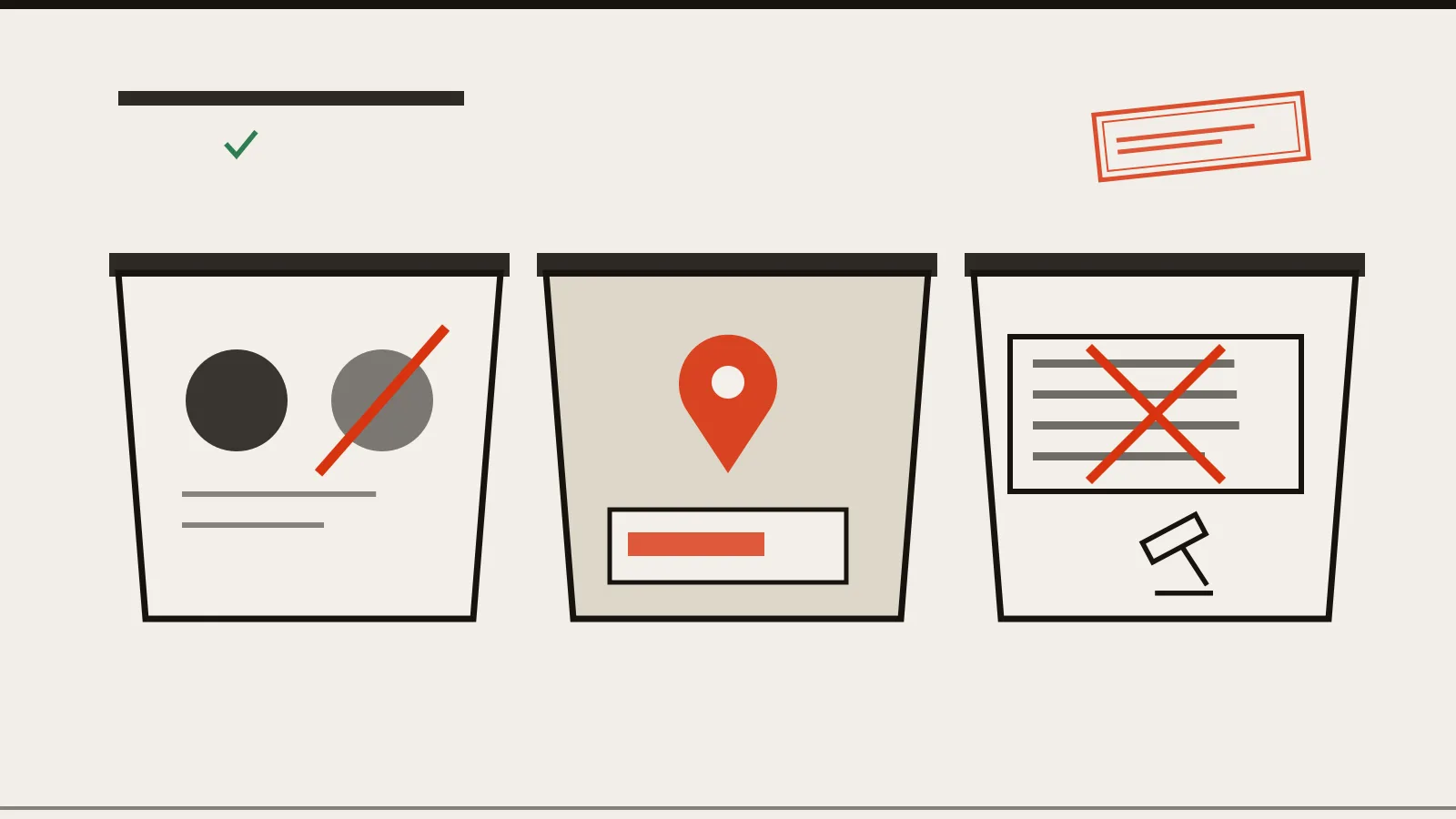
Most people who reach us about X have one of three problems, and they often describe it with the wrong word. A fake account wears someone else's name or face. A doxxing post publishes something private, such as a home address, a phone number or an ID document. A defamatory tweet says something false that damages a reputation. Each one sits under a different X rule, gets read by a different team and needs a different kind of proof. File a doxxing report about a lie and X will close it with no action, because its own private information policy lists "gossip, rumors, accusations, and allegations" as information it does not treat as private. File an impersonation report about a parody account that follows the labelling rules and you will get the same answer. Sorting the post before filing is the cheapest step in the whole process, and it is the one people skip when they are frightened.
| What the post does | X rule it falls under | Who can file | What usually comes back |
|---|---|---|---|
| Uses your name, photo or brand to pass as you | Authenticity (impersonation), April 2025 | You, your representative, your company; bystanders only by in-app report | Suspension, or an order to change the profile |
| Publishes your address, number, ID or the name behind your anonymous account | Private information, March 2024 | Anyone, if clearly abusive; otherwise you or your lawyer | Post removal plus read-only time; suspension for dedicated accounts |
| Shares a private photo or video of you | Private media (same policy) | Only you or your authorised representative | Media removed |
| Says something false and damaging about you | No X rule; the law | You, through a legal notice or a court | Withheld in one country, or removed after a court order |
| Harasses you without lying or exposing anything | Abuse and harassment | You or a bystander | Reach limits, removal, read-only mode |
Read the third column before the fourth. Standing decides more cases than evidence does.
A single post can fit two rows. A clone account that posts your address is both an impersonation and a doxxing case, and it should be reported twice, once under each rule, with the address post reported first because it carries the physical risk.
How to report doxxing on Twitter, step by step
The in-app report is the fastest route for doxxing, and it is where X expects you to start. As of October 2026 the flow runs like this on the app and on the web:
- Screenshot the post with the handle, the date and the address bar or share link visible. Copy the post URL into a note.
- Open the three-dot menu on the post and choose Report post.
- Answer who the report is for. Pick Myself if the information is yours. This one answer changes how much weight the report carries.
- Choose the privacy option and then the type of information shared: address or location, contact details, ID documents, financial details, or the identity of an anonymous account.
- Add any other posts from the same account when X asks. Reports that show a pattern are read differently from a single post.
- Block or mute only after the report is sent, so the post stays visible to you for the screenshot record.
That is how to report doxxing on X, and on the desktop site the steps are identical. People also search how to report doxxing on x twitter, as if two platforms were involved. There is one platform and one policy. X also runs a separate web form for private content under its safety forms, which asks a single first question: does the content belong to Me, Someone I am authorized to represent, or Someone else. The form is useful when you are signed out, when the poster has blocked you, or when a lawyer is filing on your behalf.
Twitter report for doxxing: what X counts as private
X's private information policy, last revised in March 2024, names six kinds of information that cannot be posted without permission: home address or physical location, identity documents, non-public contact details and passwords, financial account details, private health or biometric data, and the identity of an anonymous user. It also bans threatening to expose someone, offering a bounty for their details, and asking for money in exchange for not posting them, which the policy itself calls blackmail. The list of things that are not private is just as important for a twitter report for doxxing. Names, birthdates, ages, schools, employers, business addresses that are already public, descriptions of appearance and screenshots of messages without private details are all outside the rule. There is one exception that helps victims: X says it may act on a home address even when it is available elsewhere online, because of the risk of physical harm.
That last clause is why a twitter doxxing report about a home address succeeds more often than one about a phone number. If the number already sits on a public website, X may decide it is not private at all.
When X needs to hear from you, not a stranger
Anyone can report a doxxing post when the information has been shared in a clearly abusive way. When intent is less obvious, X says it may need to hear from the owner of the information or an authorised representative such as a lawyer before acting. For private photos and videos the rule is stricter still: only the person shown, a parent or guardian, or a legal representative can file. Friends who mass-report on your behalf mean well, but their reports carry less weight than one first-person report from you. They can also slow things down if the reviewer has to wait for the owner to confirm.
Where doxxed details usually come from
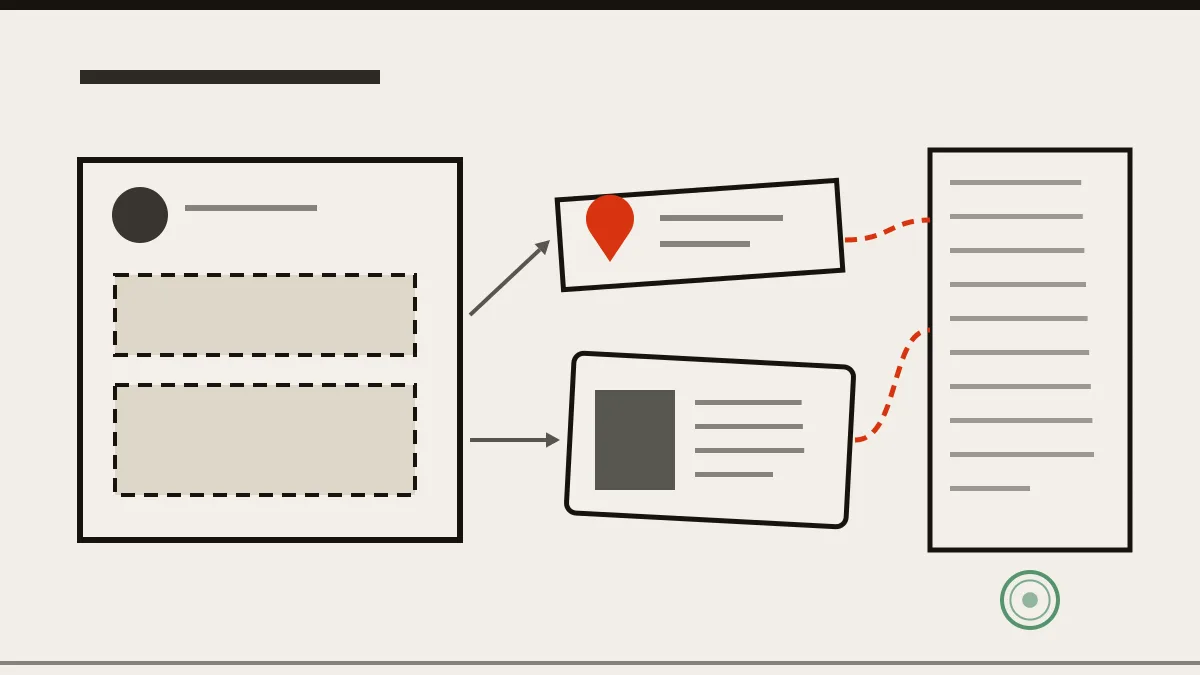
A doxxing post is often a copy of something that lives elsewhere. Addresses are lifted from data-broker profiles, old electoral rolls, company filings and people-search sites, then pasted onto X with a hostile caption. Removing the post without removing the source leaves the next poster a ready supply. When we take on a doxxing case, the first job after the X report is to trace where each detail came from. A work address scraped from a B2B listing is a separate request, and our guide on how to get removed from ZoomInfo covers that kind of record. A Facebook page that published the same address is another platform's queue, and the steps for how to take down a page on Facebook apply there. Practitioner note: when we file these, the X post is usually the quickest piece to come down and the broker record is the slowest, so we start both on the same day rather than in sequence.
Advice in threads that turn up when people search twitter report doxxing reddit tends to say "report it and block". That is half the job. The other half is the source.
Why a doxxing report fails on a lie
This is the mistake we see most at intake. Someone posts that a named person stole from clients, cheated on a partner or has a criminal record they do not have. The target reports the tweet as doxxing or harassment, and the report comes back with no violation found. X is not saying the claim is true. Its private information policy simply excludes accusations and allegations, and its abuse policy targets harassment rather than falsehood. X has no rule that asks a reviewer to decide whether a statement about you is true, because that question belongs to a court. So a false accusation sits in the gap between the rules. It can be reported for harassment if it comes with insults or a pile-on, and that report may limit the post's reach. Getting the statement itself removed needs a different instrument: a legal notice that names the law it breaks, or a court order. Knowing that before you file saves weeks of waiting on a queue that was never going to say yes.
How do you get a defamatory tweet removed?
There are three routes, and they escalate. Start with the cheapest one that fits.
The first is a written request to the author. It sounds naive, yet a calm, dated message that quotes the tweet, says what is false and asks for deletion ends a surprising number of disputes, and it becomes evidence if the case goes further. The second is a legal notice to X. Users in the European Union can file an illegal-content notice under the Digital Services Act and choose defamation as the category. X's own DSA transparency report for April to June 2025 put the median handling time for EU-wide defamation notices at three hours. Across all categories, 55% of notices ended with no violation found, 34% with the post withheld in one country and 11% with global deletion under the X Rules. Withholding is the normal result of a legal notice: the tweet disappears for readers in the country whose law it breaks and stays visible elsewhere. The third route is court.
Report defamatory tweet content to X, or go to a lawyer?
Report defamatory tweet content to X yourself when the statement is plainly false, the harm is in one country and you can point to the specific words. Go to a media lawyer first when the statement is close to opinion, when it concerns a business, or when the author is likely to fight. The opinion line matters. A tweet saying a restaurant is "the worst in town" is opinion. A tweet saying the owner was convicted of fraud is a statement of fact that can be checked.
Twitter defamation removal through a lawyer usually starts with a letter before claim to the author, and only reaches X when the author refuses or cannot be identified.
Court order to remove defamatory tweet: how it works in the UK and the US
In England and Wales, section 13 of the Defamation Act 2013 lets a court that has found a statement defamatory order the operator of the website to remove it. That is the cleanest court order to remove defamatory tweet content, because it binds X directly once judgment is given. Section 5 of the same Act gives website operators a defence if they follow a notice process set out in the 2013 Operators of Websites Regulations: the operator passes the complaint to the poster within 48 hours, and the poster then has five days to reply. Section 10 limits claims against anyone other than the author unless suing the author is not reasonably practicable.
In the United States, Section 230 of the Communications Decency Act means X is rarely the defendant. The claim is brought against the author, and the judgment is what you then show X. The only way to remove defamatory tweet legally against a determined poster is through that kind of judgment or order. Anyone who promises a faster legal route without a court is describing a threat, not a remedy.
Defamatory tweet removal is never quick in court. Budget months, and keep the screenshots, the URL and the date of first publication from day one.
Not sure which of these routes your case needs? Our team reviews X cases in confidence before any fee, and tells you if removal is unrealistic. Send us the post for a confidential review.
How to remove fake X account copies of you
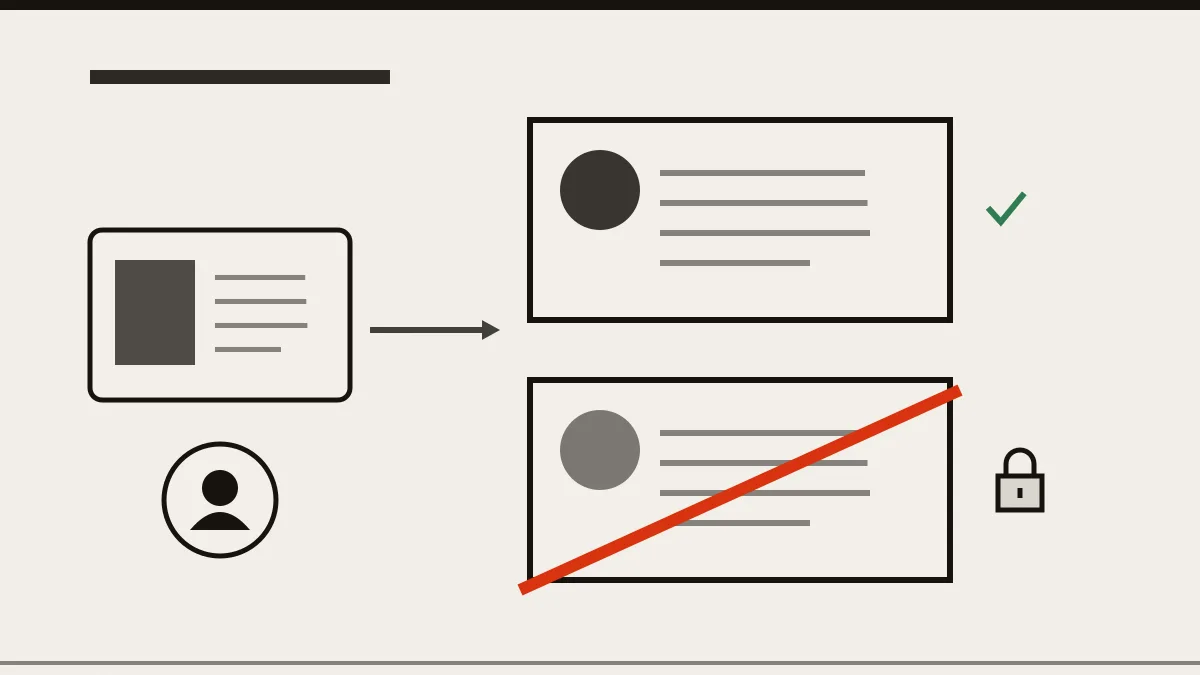
A fake account is an Authenticity case, not a doxxing or defamation case. X's Authenticity policy, dated April 2025, defines impersonation by intent to deceive and allows parody, commentary and fan accounts only when they follow all four labelling rules: the parody label, a different profile photo, a qualifying word at the start of the display name and the same word in the bio. To remove fake X account copies of yourself, file X's impersonation form and pick the branch that fits: I am being impersonated, someone I represent, or my company, brand or organisation. Every branch begins with a government ID and selfie check run by Persona, which X says takes about five minutes and may keep the extracted data for up to 30 days. If you have an X account of your own, the form asks you to sign in to it first. The outcome X describes is one of two: the copy is suspended, or its owner is told to change the profile so it no longer passes as you.
Fake accounts on other platforms follow the same logic with different buttons. Instagram has no "fake" option on its menu, which our Instagram fake account report guide works around. Dating apps sort it differently again, as the Grindr fake profile report walk-through shows.
Report imposter twitter account clones as a bystander
There is no form for bystanders. If you spot a copy of a friend, a colleague or a public figure, report imposter twitter account clones from the profile itself: the three-dot menu, then Report, then the impersonation option. Tell the real person as well, because their report carries far more weight than yours. When the clone also posts the real person's photos, a copyright notice is often faster than an impersonation report, and our DMCA takedown website guide covers what that notice must contain. Which right you can claim depends on who took the photo, a question the Redbubble copyright infringement briefing sorts in detail. TikTok runs its own identity process for the same problem, set out in how to report impersonation on TikTok.
Clones that push victims to a fake login page are a separate threat. The page itself sits on a domain or a host, not on X, and the route there is a malicious domain takedown aimed at the registrar or host. If the clone points to a full copy of your business site, an impersonation website takedown is the matching request.
What happens when you report a tweet on Twitter?
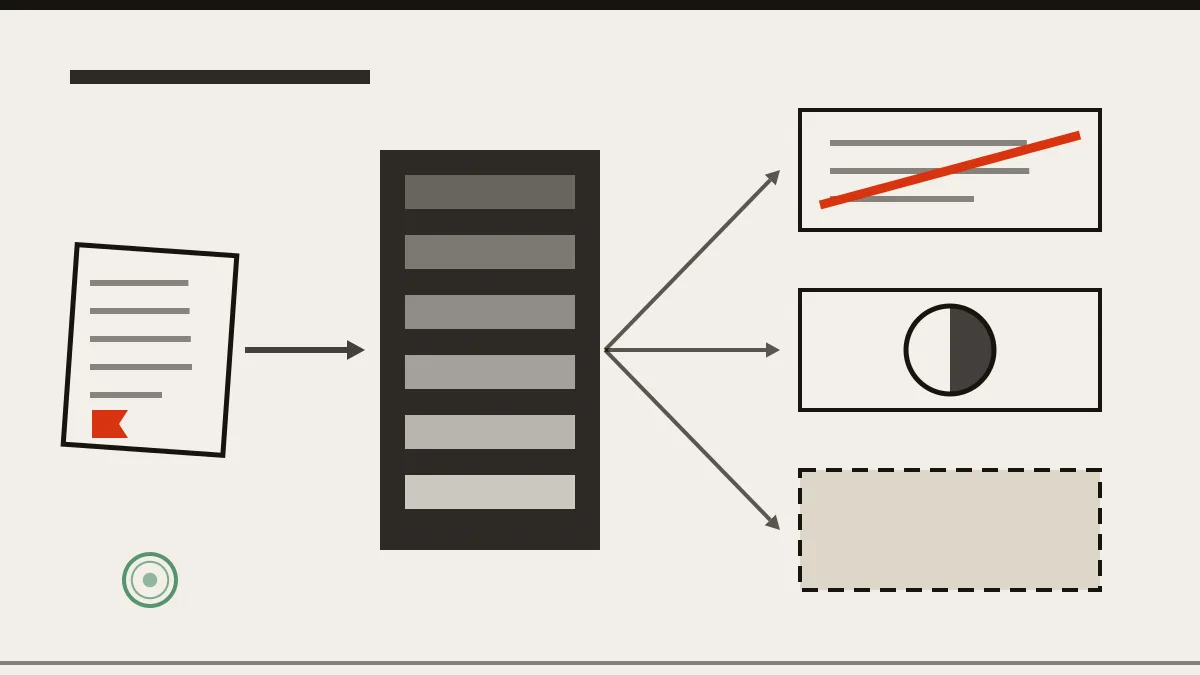
From the reporter's side, three things happen. The post is replaced in your own timeline with a notice that you reported it. X acknowledges the report, and its help pages say reports are usually acknowledged within 24 hours, typically resolved within a few days and can take up to thirty. If X acts, you may get a notification, although X warns that the action notice "may or may not be related to your report". The author never sees a report arrive. If the post breaks a rule, the author sees an enforcement notice naming the policy, and in most removal cases their account stays locked in read-only mode until they delete the post themselves. That is what happens when you report a tweet on Twitter in practice: a quiet queue, then either nothing visible or a notice on the author's side that does not mention you. What happens when you report someone on Twitter at account level is the same process run across their recent posts, and X may ask you to select examples from the account.
Does Twitter tell you who reported your tweet?
No. X does not tell authors who reported them. Its UK help page states that X does not disclose information about the person who submitted the complaint, and the platform releases account information only when valid legal process requires it. So the honest answer to "does twitter tell you who reported your tweet" and "does twitter tell you who reported your post" is the same: no name, no handle, no hint. Two leaks still happen. If you are the only person the post was about, the author can guess. If you filed a legal or impersonation form, X's declarations say your details may be shared with the reported user, although your contact information is not. That is the full answer to how to report someone on twitter anonymously: the in-app report is anonymous to the author, the legal forms are not fully anonymous, and context can always give you away. The same pattern holds on other apps, as our pieces on how to report Instagram post content and if you report someone on Telegram will they know explain.
What happens when you report a tweet as spam
A spam report works differently from a doxxing or abuse report. It mostly feeds X's automated systems rather than a human queue, and it rarely removes a single post on its own. The scale shows why: in the same EU report, X counted about 27.7 million account suspensions in three months, almost all of them automated and almost all for spam or platform manipulation. Suspensions that came from user reports numbered 104,301. So what happens when you report a tweet as spam is that the account gets a signal added to many others. Use the spam option for spam. Using it for a doxxing post puts the report in the wrong pile.
Threads that come up for what happens when you report someone on twitter reddit often describe reports vanishing. Usually the report was read, judged outside the rule, and closed without a message.
How many reports to suspend a Twitter account?
There is no number. X does not publish a report threshold, and its decision factors in the EU report are who the post is aimed at, whether the reporter is the target or a bystander, the account's history, severity and public interest. Volume is not on that list. One first-person report with the right category can work where a thousand bystander reports do not. The same answer applies to how many reports to take a tweet down: a single report that names the right rule is worth more than a crowd. Coordinated reporting can backfire. X's Authenticity policy treats duplicate or false reports "in large numbers", and recruiting others to misuse reporting, as engagement spam, which puts the reporters' own accounts at risk. A strike system is a different thing: on platforms that count copyright strikes, the count belongs to the rights holder's notices, not to user reports, as the Vimeo copyright strike ledger shows.
How to get someone banned on X without breaking the rules yourself
If you want to get someone banned on X, the lawful version is narrow. Report each violating post under the right rule, report as the target where you are the target, keep a dated log, and let X weigh the history. That is how to get someone banned on X when they are genuinely breaking the rules. Accounts that exist only to post others' private information are suspended under the private information policy, and accounts dedicated to harassment face suspension under the abuse policy. The advice under how to get someone banned on twitter reddit searches that recommends buying mass reports or coordinating a crowd is the advice most likely to get the buyer's own account limited. Standing matters on every platform, which is the subject of our guide on who may report a YouTube advert and why.
Will using a VPN get me banned on Twitter?
No X rule bans VPNs. Will using a VPN get me banned on Twitter is a fair worry, and the answer as of October 2026 is no. A VPN can still cause friction. Sign-ins from new locations can trigger a phone, email or puzzle check, and NBC News reported on 25 November 2025 that some profiles carry a note saying the account may have used a proxy such as a VPN. A VPN does not make reports more effective, and it does not hide ban evasion. X's rules treat a new account made to replace a suspended one as evasion whatever network it comes from.
Remove a tweet someone posted about me: what we can and cannot do
Our team can sort the case, file each report under the right rule as your authorised representative, trace and request removal of the source of doxxed details, prepare the legal notice for a defamatory tweet with a media lawyer, and track every filing to its result. We cannot delete anyone's tweet or account. Only the author can delete, and only X or a court can force the rest. True statements, genuine public records and protected opinion cannot be removed by any lawful route; at most they can be outranked in search with accurate material, and a forged notice against them invites a lawsuit and draws more attention to the post. We never forge notices, never ask for your password and never promise a guaranteed result. Where a removed post leaves a notice in its place, that notice is useful evidence, the same way a removed video does, as covered in how to see taken down YouTube videos. Our disclaimer sets out the limits in full. Clients often write to us asking how to remove a tweet someone posted about me, in exactly those words. The first step is always the sort in the table at the top of this page. Report a twitter post under the rule it actually breaks, and the rest follows from there.