What does "the legal route" mean for defamation removal?
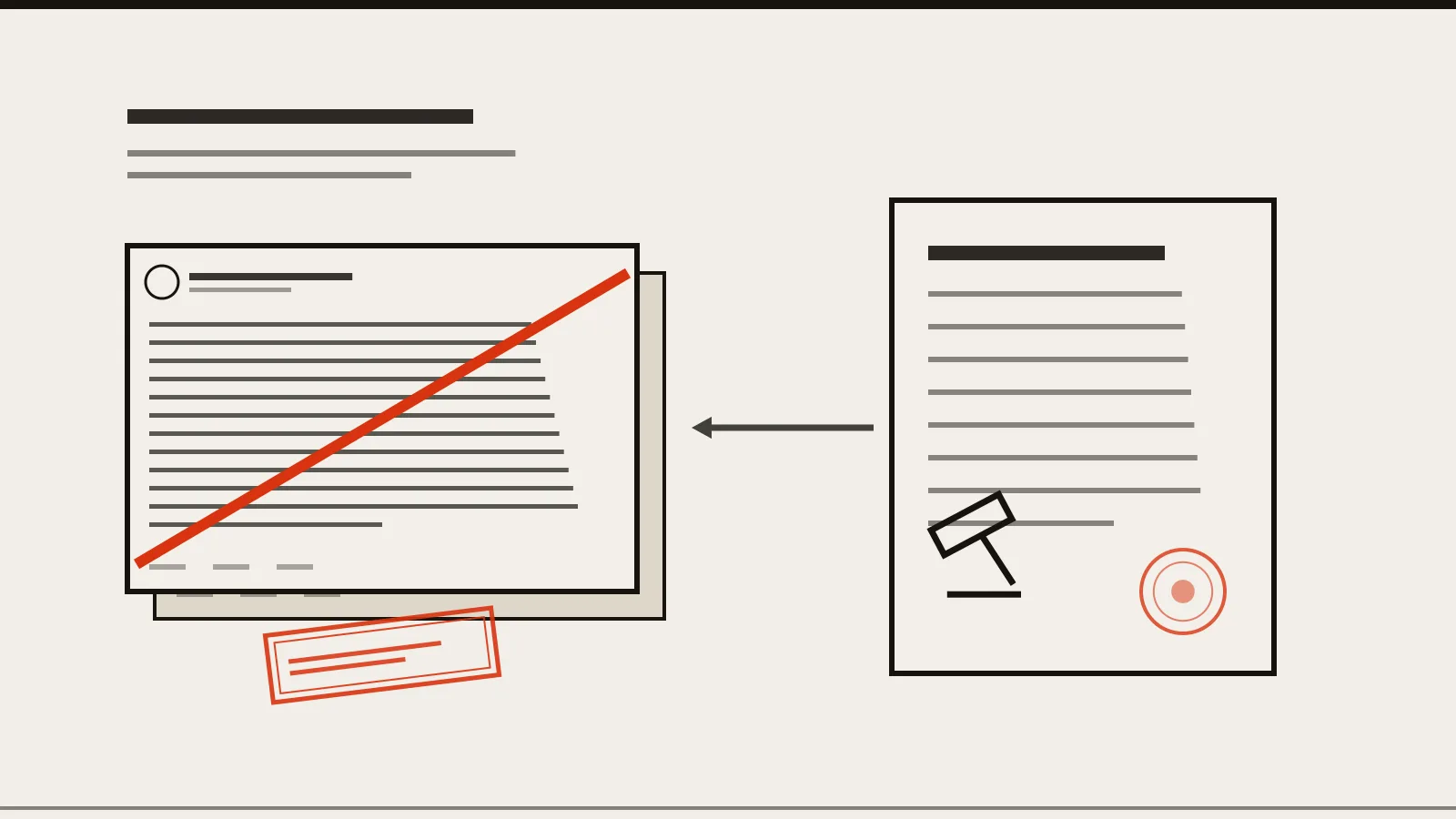
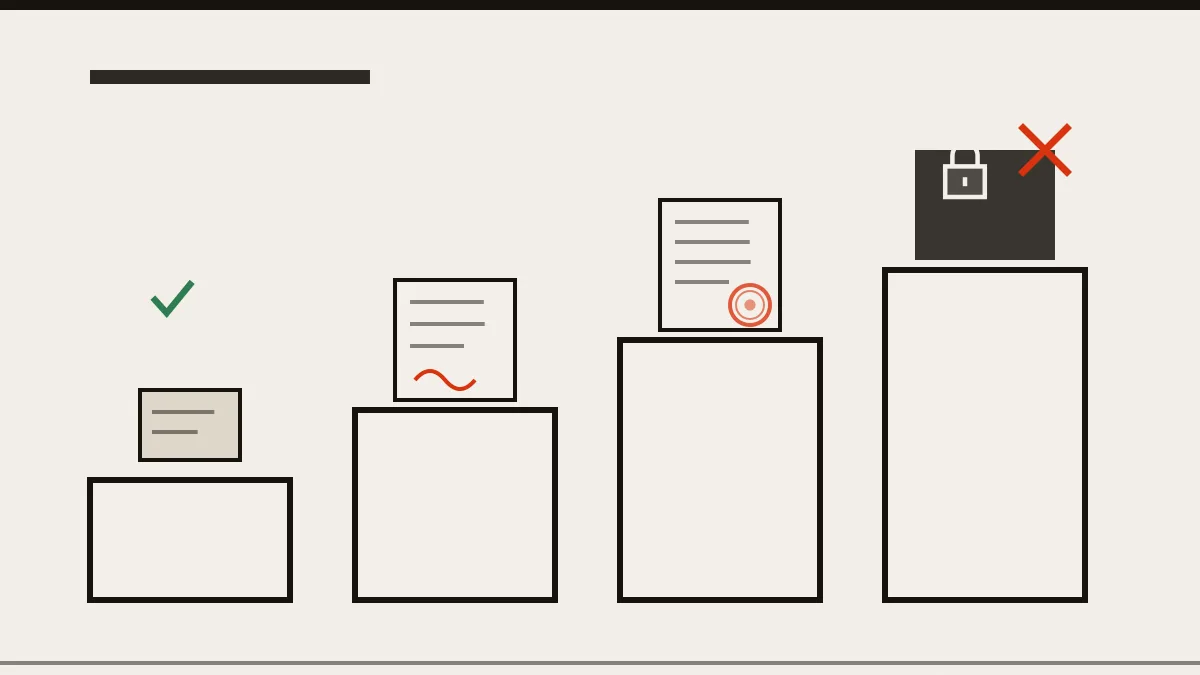
Every host that carries a false statement about you will, sooner or later, ask for one of four things before it acts. A report from a reader. A signed legal notice that names the words and says why they are false. A court order. Or nothing at all, because the host has decided it will not move for anyone. The legal route is simply the practice of working out which of those four a particular host needs, then giving it exactly that and no more. People lose months sending a solicitor's letter to a site that only acts on in-app reports, or pressing Report on a forum that ignores everything short of a judgment. As of October 2026, the platforms people search about most sit at different rungs, and a few sit on two at once. Quora, for example, takes the in-app report first and keeps a written "other infringement" request behind it. Ripoff Report sits near the top and barely moves.
So this briefing works rung by rung. Quora first, because it is where most of these searches start, then the review sites, the gossip forums, the encyclopaedias and the search engines. At each one the question is the same: what does this host need to see?
Defamation itself has a short test. The statement has to be presented as fact rather than opinion, it has to be false, it has to identify you, and it has to do real damage. In England and Wales, section 1 of the Defamation Act 2013 raised that last bar to "serious harm", and for a company, serious financial loss. That one test is what a moderator, a lawyer and a judge will each apply in their own way. If the words fail it, no rung on the ladder will remove them. Our wider briefing on social media defamation and the routes that remove it covers the elements in depth; here the focus is the host.
How does Quora defamation removal actually work?
Quora defamation removal runs through two doors, and the order matters. The first is the Report option in the "..." menu under every question, answer, post and comment. Quora's own help article, updated 17 October 2026, calls this "the fastest and most efficient way" to raise a policy problem. The report lands with Quora Moderation, which can collapse or hide the content, delete it for severe violations, limit or delete a question, and edit-block or ban a repeat offender, according to Quora's description of what happens after a report. You get a notification only if Moderation acts. Note what the menu is built for: spam, harassment, doxxing, targeted insults at private people. "False" is not, on its own, a policy violation a moderator can verify from a desk. That is why the second door exists. Quora's Contact Us page has a drop-down, and one of its options reads "I want to report other infringement". That written request is where a quora defamation takedown is properly argued, and where most attempts to remove defamatory Quora answer text are won or lost.
Report a Quora answer for defamation without wasting the first filing
People type it two ways, "report Quora defamation" and "report Quora answer for defamation", and both lead to the same menu. Pick the reason in the Report menu that is genuinely true of the content. If the answer names a private person and attacks them, harassment is usually the honest fit, and it is the reason Moderation can act on fastest. If the answer is calm, specific and false, a harassment flag will probably be declined, and a declined report makes the next reviewer warier. In that case go straight to the contact form and choose "other infringement". Give the exact answer URL, quote the sentences you say are false, say in one line why each is false, and attach whatever proves it: a court record, a document, a dated email. Keep it short enough to read in a minute.
When we file these for clients, the first written request often gets a template reply, and the answer that eventually comes down is usually the one where the false sentence is quoted next to a document that contradicts it. A request with no evidence and a reference to "my lawyer" tends to sit. That pattern is our experience, not Quora's stated rule.
To remove defamatory Quora content that was posted as a question, the job is easier than people expect. Questions about a private individual that a reasonable observer would read as harassment are listed in Quora's Platform Policies as a harassment example, and Moderation can delete the question outright. Answers are harder, because they look like opinion.
What about EU users and the Digital Services Act?
If you are in the EU, Quora's DSA page points EU users to the same Report option and to its electronic contact form. The DSA-POC@quora.com address on that page is for regulators only; Quora says it will only respond there to the authorities listed. Under Article 16 of the Digital Services Act, a notice of illegal content should carry the reasons, the exact URL, your name and email, and a statement that you believe it is accurate. Write the contact-form request that way and it doubles as a valid DSA notice.
Which hosts need a report, a notice, or a court order?
The table below sorts the hosts in these searches by the lowest rung that has actually moved them in practice. "Notice" means a written, evidenced complaint through the host's legal or contact form. "Order" means a court order or judgment. Several rows rely on the host's published policy; where the policy is silent, we say so.
| Host | First door | What it usually needs | Honest limit |
|---|---|---|---|
| Quora | Report menu, then Contact Us "other infringement" | Report for harassment; notice with evidence for false facts | Opinion and true criticism stay |
| Amazon reviews | "Report" under the review | Report against the community guidelines | Low-star honest reviews stay |
| Glassdoor | Report flag, then legal team | Guidelines breach; may defer to a court ruling | Will not unmask without a subpoena |
| Tripadvisor | Owner's management centre | Evidence the review breaks policy | Owners cannot simply ask for removal |
| Angi, Capterra, Sitejabber | Business dashboard dispute | Proof the reviewer was never a customer, or a guideline breach | Unhappy but real customers stay |
| GreatSchools | Flag on the review | Guideline breach | Will not remove reviews for being negative |
| Apartment review sites | Property dashboard flag | Proof of a non-resident or rival reviewer | Real tenants' experiences stay |
| App Store, Google Play | Developer reply, then report | Policy breach (off-topic, abusive, fake) | Ratings themselves cannot be disputed away |
| Nextdoor | Report on the post | Community guidelines (named accusations) | Local moderators vary |
| Medium | Report on the story | Rules breach; legal request case by case | Commentary on public figures stays |
| Tumblr | Report on the post | Policy breach; no published defamation route | Expect to need an order |
| Fandom wiki | Wiki admins, then Fandom staff | Editorial or terms breach | Community wikis argue about sources |
| Wikipedia | Article talk page, then the volunteer response team | Biographies of living persons policy | Sourced facts stay, even unwelcome ones |
| Truth Social | Report, then Contact Support | Policy breach | No published defamation address |
| BitChute | Contact form | Requests from "competent authorities" | Guidelines never mention defamation |
| Lipstick Alley | Moderators | Rarely anything short of a judgment | Relies on US immunity |
| Kiwi Farms | None that works | Nothing published | Treat as suppression or a court case |
| Ripoff Report | None for removal | Will only consider narrow court orders | Reports stay; at best words are redacted |
| Google, Bing | Legal removal forms | Defamation form or a court decision | De-indexing hides, it does not delete |
That last row matters more than people think. A court order that the host ignores can still be put in front of a search engine, and a page that nobody can find has lost most of its power to hurt you.
How do you remove defamatory online reviews?
To remove defamatory online reviews, stop thinking of "defamation" as the reason you file. Review platforms rarely judge truth. What they judge is whether a review breaks their own guidelines, and the guidelines that matter are concrete: the reviewer was never a customer, the review is about a different business, it names an employee and accuses them of a crime, it contains personal data, or it was written by a competitor or an ex-employee with an undisclosed interest. When a defamatory review fits one of those boxes, the platform's own dispute button usually works within days. When it does not, because the reviewer was a real customer who wrote something false about the job, the platform will tend to leave it up and wait for a court. Glassdoor is reported to defer to court rulings and will not unmask a poster without a subpoena. Our sister briefing on whether to flag a fake review yourself or hire a service sorts reviewers into the trays that decide this.
Platform by platform, the practical moves are short.
To remove defamatory Amazon review content, use the report link under the review and cite the guideline breach, not the word "defamation". Sellers asking to remove a false review about a product they did not ship should show the order record. To remove defamatory Glassdoor review content, flag it and show which sentence states a checkable fact that is false, or which detail identifies a named employee. To remove defamatory Tripadvisor review text, dispute it from the management centre with evidence, such as a booking system showing no such stay. To remove defamatory GreatSchools review content, flag it for a guideline breach; GreatSchools' published guidelines say it does not remove reviews just because they are negative (read 16 October 2026).
The smaller platforms follow the same logic. The same goes when you remove defamatory Angi review content, remove defamatory Capterra review content or remove defamatory Sitejabber review content: open the business dispute and lead with the strongest checkable point: no job number, no account, no purchase. To remove defamatory apartment review content, show the reviewer never held a lease. To remove defamatory app review content, reply publicly first, then report it on policy grounds; the same reporting screen is covered in our guide on how to report an app on App Store. Google reviews have their own eleven forms, which our Google review removal service briefing maps one by one.
Nextdoor is closer to a forum than a review site. To remove defamatory Nextdoor post content, report it under the community guidelines; posts that accuse a named neighbour or business of a crime are the ones moderators act on.
Gossip sites, forums and the hosts that answer nothing
This is where the legal route becomes literal. The searches here are blunt ("remove defamatory post from gossip site", "remove defamatory post from Lipstick Alley", "report defamatory content Lipstick Alley"), and every answer starts with one question: does the site have a moderator who reads anything at all? Many do. Some have built their business on not doing so.
Lipstick Alley is the example most people search. For a Lipstick Alley thread, start with the thread's moderators and the site's report tool; harassment, doxxing and posts about private individuals are the most likely to come down. If you want to remove slander from Lipstick Alley that is phrased as rumour about you, expect the site to rely on its US immunity. When the mayor of a US city sent lawyers' letters in 2012, the site said the comments would stay up "in perpetuity", as reported by Creative Loafing at the time. To report it usefully, file once, precisely, with the post link and the false sentence, and keep a copy of the filing. You will need it later.
Kiwi Farms publishes nothing that works as a removal door. If you need to remove defamatory content from Kiwi Farms, the realistic options are a court case against identifiable posters, de-indexing the thread from search, and, where the thread copies your photographs, a copyright notice to whoever hosts the files. Paying anyone who promises a Kiwi Farms "removal" is the fastest way to lose money in this whole field.
BitChute's community guidelines never mention defamation. To remove defamatory content from BitChute, the guidelines say geoblocking happens "when requested to do so by competent authorities", which in practice means a court or regulator, not you. File through its contact form with the video URL and timestamps, then plan for the search route.
Ripoff Report is the hardest host on the internet for this. Ripoff Report defamation removal through the site itself does not exist: it does not delete reports, even for the person who wrote them. It has said it will voluntarily honour certain court orders in very limited circumstances, and even then the usual outcome is that specific false sentences are redacted while the report stays. Its paid programmes are expensive and change the page around the report, not the report. If the report ranks for your name, the useful work happens in search rather than on the site. Our Trustpilot and Ripoff Report briefing walks through those paid options and the de-indexing route that actually helps.
To report defamation on Truth Social, use the report option on the post and, if that fails, the Contact Support link from its legal page. Its legal page, read on 18 October 2026, lists no separate defamation or legal-notice address. That absence matters: you will be filing into a general queue, so the evidence has to carry itself.
When the same claim follows you onto social media
Smears rarely stay on one host. The Quora answer gets screenshotted to Instagram, the forum thread gets pasted into a Facebook group, a Telegram channel reposts both. Each copy is a separate filing on a separate platform with its own rules. Our guides cover the routes: how to report an Instagram account depending on what kind of account it is, how to report an Instagram comment or a story, how to report a Facebook account or group, how to take down a page on Facebook when the Page itself exists to attack you, and how to report a Telegram account or channel. Meta also has a dedicated defamation form, covered in our Facebook defamation briefing.
One warning: the "mass report" tools and Instagram report apps sold as a shortcut do not create a legal route. Moderators review the content against the rule, and a pile of identical flags against true or opinion content is more likely to get the reporting accounts restricted than the post removed.
Wikipedia, Fandom, Medium and Tumblr: publishers with editors
These four have something the gossip forums lack: a layer of editors who care about sources. That makes them easier in one way and harder in another.
To remove defamatory Wikipedia content, do not edit your own article. Wikipedia's biographies of living persons policy says contentious material about a living person that is unsourced or poorly sourced should be removed immediately, and the subject of an article can contact the volunteer response team (VRT) at info-en-q@wikimedia.org with the article link and the problem. That route works well for unsourced claims. It works poorly against claims cited to a newspaper, because Wikipedia will then point you at the newspaper. When we handle these, the useful request names the exact sentence, shows the cited source does not say what the sentence claims, and asks for nothing else. A request to remove a whole article is almost always refused, and a request sent from an account that has been editing the article for weeks is read with open suspicion. Patience here pays.
To remove defamatory Fandom page content, start with the wiki's own administrators, who can delete or protect pages on their community. If they will not act, Fandom's staff can be contacted under its terms of use. Fan wikis that document real people (streamers, actors, YouTubers) are the usual source of these complaints.
Medium's published transparency material says it handles defamation requests case by case. To report defamatory Medium post content, use the report option on the story and then Medium's legal contact with the exact passage and evidence. If you need to remove defamatory content from Medium that is commentary on a public figure, expect it to stay; Medium is a publishing platform and leans towards keeping commentary up.
Tumblr's terms disclaim liability for third-party content and do not publish a defamation route. To remove defamation from Tumblr, report the post for any policy it genuinely breaks (harassment, private information), and if the post is simply false, plan on a court order. Automattic, which owns Tumblr, said in 2018 that WordPress.com requires "a court order or judgment" before removing allegedly defamatory content; we have not seen Tumblr publish a different standard.
Can you remove defamatory content from Bing and Google?
Yes, in a narrower sense than people hope. A search engine does not delete the page. It removes the page from its results, and for most people that is most of the harm gone.
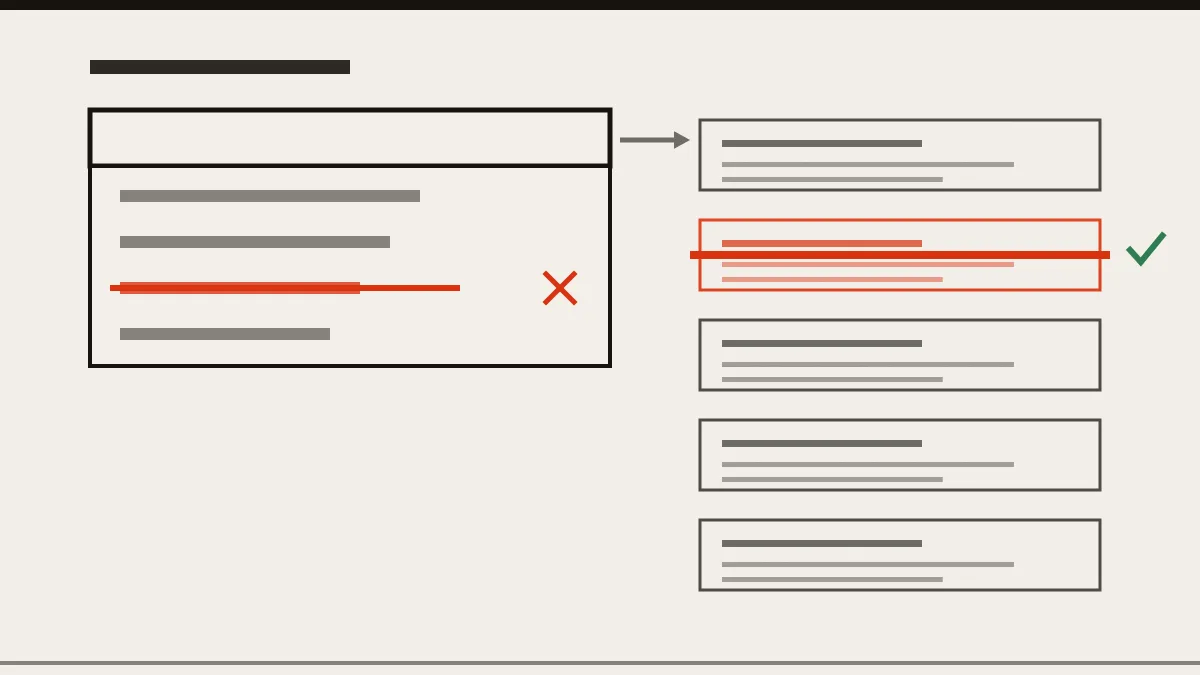
Google's legal removal troubleshooter offers two separate paths for search. One is for content that "defames you or your business", where you explain the claim yourself. The other is for content that a court decision has found unlawful, where you attach the order. The second is far stronger, because Google is not being asked to judge truth. As a working rule, a self-filed defamation request against a news site rarely succeeds, and a request backed by a judgment usually does.
To remove defamatory content Bing shows, Microsoft runs a "Report a concern to Bing" form for legal removals. We have not been able to confirm a defamation-specific category on it as of October 2026, so treat a court order as the realistic key there too, and file the same order you gave Google.
To remove defamatory search suggestions, use the autocomplete report link, not the legal form. Google's autocomplete policies say predictions should not link disparaging or sensitive terms to named people, and the "Report inappropriate predictions" link under the search box sends exactly that kind of prediction for review. Predictions are generated from what people actually search, so removing one is often followed by a slow return unless the underlying pages lose their rank too. Our de-indexing team checks suggestions again a few weeks after a removal for that reason.
What the legal route cannot remove
Honesty here saves money. True statements stay up, however painful. Opinion stays up, including harsh opinion, as long as it is presented as opinion and not as a hidden claim of fact. Fair reporting of court cases, convictions and public records stays up. Against those, the only lawful tool is suppression: pushing accurate material above them in search. We say which of the two applies before anyone is charged, and our disclaimer sets out the limits in writing.
We never forge notices, never send legal threats a solicitor has not approved, never invent court orders, and never ask for your passwords. The forged-order problem is real: in 2019 law professor Eugene Volokh and Public Citizen's Paul Alan Levy documented dozens of fake or fraudulently obtained court orders sent to Google, and the targeted sites later published them. Cases built that way collapse, and the attention they draw puts the original claim in front of more people than before.
The UK route has one more feature worth knowing. Under section 5 of the Defamation Act 2013 and the Defamation (Operators of Websites) Regulations 2013, you can send a "notice of complaint" to a website operator when you cannot identify the poster. It must give your name, the statement and why it is defamatory, where it appears, the meaning you say it carries, which parts are false or unsupported opinion, and whether you consent to your details going to the poster. The operator then has 48 hours to pass it to the poster, who has until the fifth day to respond. An operator that ignores the process can lose its defence. Once you have a judgment, section 13 lets an English court order a website operator to remove the statement. The US differs. Section 230 protects hosts, and in Hassell v. Bird (2018) the California Supreme Court split 4 to 3 against an order requiring Yelp, which was not a party, to remove reviews.
Building the file before anyone files
Every route above rewards the same preparation. Capture each URL with a date, a full-page screenshot and, ideally, an archived copy. Quote the exact sentences, and write one line for each explaining what is false and how you can prove it. Separate the false facts from the insults; insults can go under a harassment report, false facts need evidence. Note who posted, if you know, and whether they have posted elsewhere.
That file decides which rung you start on. If the post copies your own photographs or writing, copyright can be faster than defamation: a DMCA takedown website notice goes to the host rather than the author, an Imgur copyright takedown request removes re-hosted images, and a Vimeo copyright strike counts against an uploader who reuses your footage. On Instagram, the Instagram copyright report is a separate form from the general report. If someone has built a whole site to pose as you or attack you, an impersonation website takedown or, for phishing copies, a malicious domain takedown goes to the registrar and host instead of the author.
If a false answer, review or thread is ranking on your name, send us the links for a confidential review. We will tell you which rung each host sits on, whether removal or suppression is realistic, and what it would cost, before anything is filed.