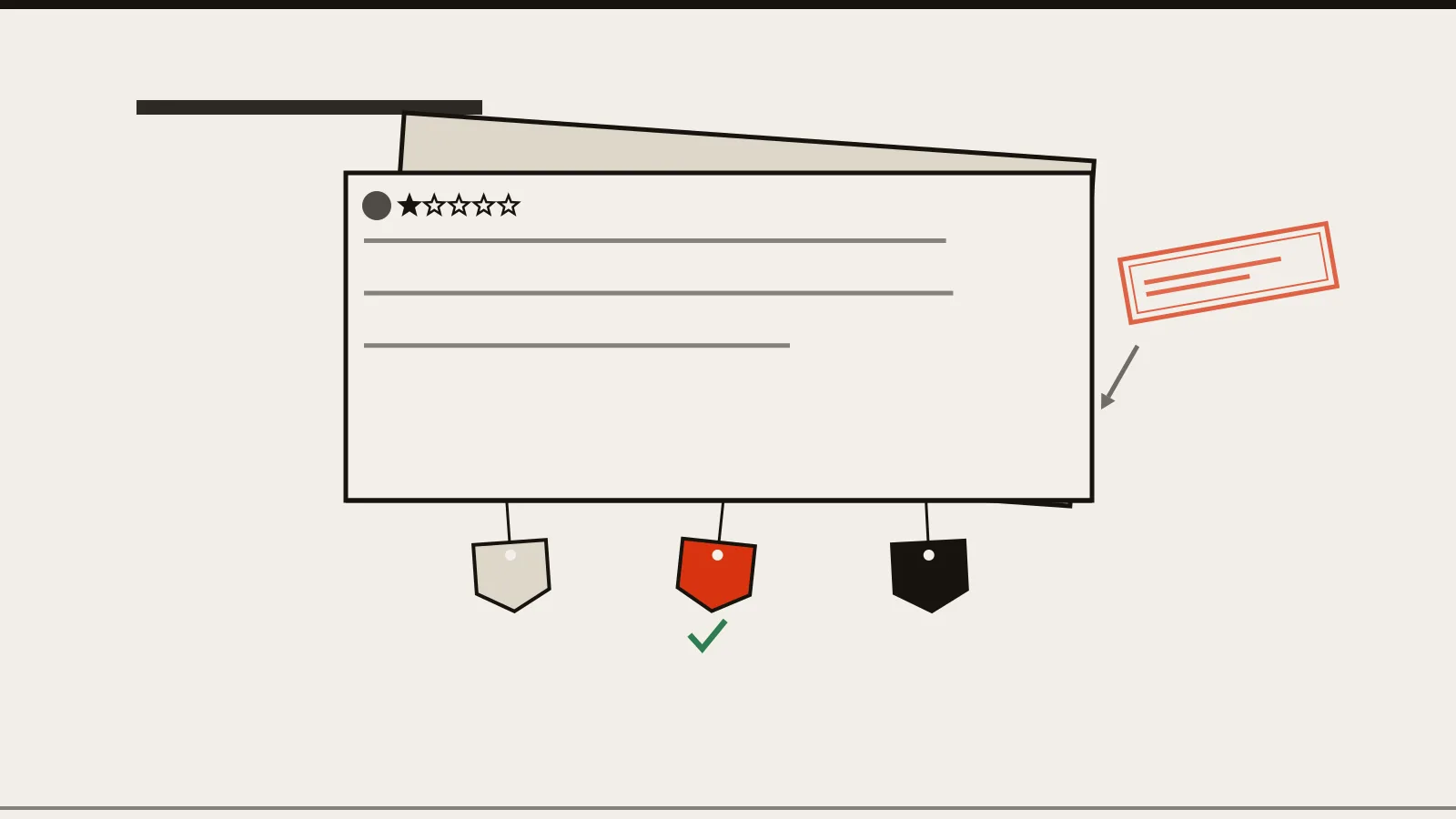
What do "fake", "harassing" and "defamatory" mean to a review site?
A review site does not have a button for "this review is unfair". It has a short menu of rules, and a report succeeds only when the review breaks one of them. Almost every menu we file through, from a school directory to a software marketplace, sorts down to three labels. The first is not a genuine experience: the writer was never a pupil's parent, a patient, a guest or a customer, or has a conflict of interest such as a competitor, a former employee or the owner's own relative. The second is harassment or private information: threats, slurs, sexual content, a named member of staff's home address or medical detail. The third is defamation: a false statement of fact that harms reputation. The first two are rules the site enforces itself, usually within days. The third is a legal question, and most US-based sites will not decide it for you; they wait for a court. So the job is to pick the label your evidence proves.
That sounds like paperwork. It is the whole game, and it works the same way off review sites: a Grindr fake profile report or an Instagram fake account report also succeeds only when it names the rule the profile breaks.
When a client sends us a review and asks for it gone, the first thing we write down is not the site's name. It is which of the three labels the review would fail, and what single piece of evidence shows it. A one-star post from someone who never booked is a fake-review case even if every word is also defamatory, because the fake-review rule moves faster. A real customer who calls the owner a thief is a defamation case, and no amount of flagging it as "fake" will change the moderator's answer.
How do you remove a fake GreatSchools review?
GreatSchools is a US school-information directory where parents, pupils and staff leave star ratings and written comments on individual schools. Its review guidelines say a review is removed only when it breaks those guidelines, not because it is critical or because a school asks. That one sentence sets the strategy. To remove fake GreatSchools review posts, the school or a parent flags the review on the school's profile and shows that the post fails a rule: the writer has no connection to the school, the same person has posted several times under different names, a pupil or teacher is named, or the language is abusive. A cluster of one-star reviews that lands in the same week as a staff dispute or an exclusion is the pattern we see most often. Moderation mixes automated checks with human review, and the site relies on user flags to find problems, so a flag that names the broken rule gets further than an angry email to head office.
What a school should not do is answer with a wave of five-star posts from staff. Reviews by employees about their own workplace are exactly what the guidelines screen for, and a burst of glowing ratings puts the whole profile under scrutiny, the genuine critics included.
Criticism of teaching, leadership or admissions in plain terms is opinion. It stays.
Remove fake review RateMDs: fake, harassment or a medical-privacy breach?
RateMDs is a doctor-rating site where patients score physicians and leave comments. Searches for remove fake review RateMDs usually come from a practice facing one of three things: a rating from someone who was never a patient, a post by a former employee or a rival clinic, or a review that discloses medical details. A doctor who claims a profile can hide a small number of ratings marked as suspicious. The site's FAQ, as quoted by practice advisers, puts the limit at three, and hidden ratings still count towards the star score, so hiding is cosmetic rather than removal. The paid hide feature that once drew criticism was dropped from paid plans in 2019. For anything else you flag the review and choose a reason, and the reason has to match the evidence.
Here is the trap that catches clinicians. Your appointment system may prove the reviewer was never seen, but you cannot say so in a public reply. Confirming or denying that someone was a patient is itself a disclosure under HIPAA in the US and under GMC confidentiality guidance in the UK. Put the evidence in the flag, which only the moderator sees, and keep the public response to a neutral invitation to get in touch.
Remove harassment review RateMDs posts first, argue facts second
If a review contains threats, slurs, sexual remarks, a home address or details about the doctor's family, report that before anything else. Harassment and private-information rules are enforced on the words themselves; the moderator does not need to decide who wrote them or whether the visit happened. To remove harassment review RateMDs posts, quote the exact sentence in the flag, pick the matching reason, and keep a dated screenshot. If the same person is also messaging the practice on social media, the Instagram report harassment routes cover the DMs and comments. A threat of violence goes to the police as well, and the crime reference number strengthens the flag. The false-fact claims in the same review, such as "struck off" or "lost his licence", are a separate defamation question you can raise afterwards, once the abusive text is gone and the remaining post is shorter, plainer and easier to judge.
Which label works on which site?
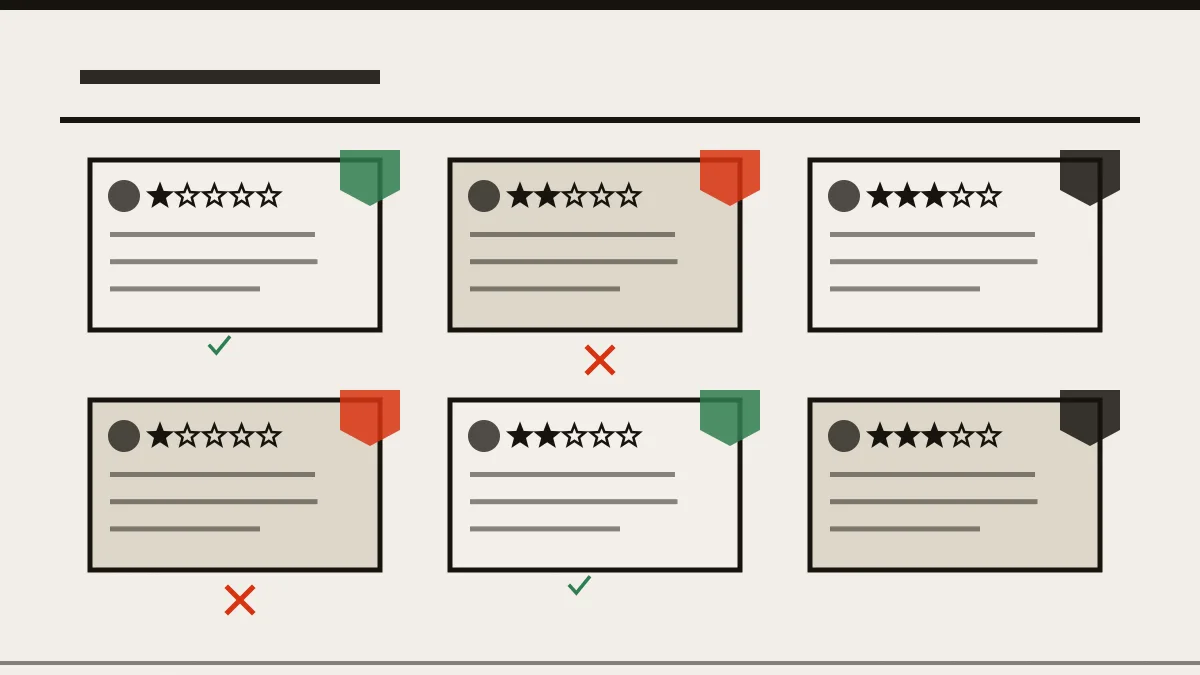
Each site words its rules differently, but the same three labels sit underneath. As of October 2026, this is where a business or subject starts and which label tends to carry the report. Where a site's help page would not load for us, the middle column says "support" rather than guessing at a button name.
| Site | Where the report starts | Label most likely to work |
|---|---|---|
| GreatSchools | Flag on the review | No link to the school, duplicates, named pupils |
| RateMDs | Flag under the review | Not a patient, threats, private details |
| Trustpilot | Business account, report | Not based on a genuine experience |
| Sitejabber | Flag on the review | Solicited or competitor spam |
| Tripadvisor | Management Center, Report a Review | Fraud: vandalism or blackmail threat |
| Yelp | Yelp for Business, report review | Conflict of interest, not first-hand |
| G2 | Three-dot menu, Report a Concern | Not a genuine user of the product |
| Capterra | Vendor support, citing the guidelines | Conflict of interest |
| Angi | Support, from the pro account | No job on record |
| Thumbtack | Support | Breach of the Content and Review Policy |
| DealerRater | Dealer Panel, Reviews, report | Not a customer, staff or rival |
| Apartments.com | Report on the review | Not a resident, private details |
| ApartmentRatings | Report, citing the user agreement | Not a resident |
| App Store | App Store Connect, Report a Concern | Spam, off-topic, abuse |
| Google Play | Play Console, flag, Report | Comment Posting Policy breach |
| Amazon | Report under the review | Incentivised or paid review |
Notice what is missing from the right-hand column. "Defamatory" is not there, because none of these menus treats it as a moderator's call.
Trustpilot and Sitejabber
To report fake Trustpilot review posts, a business uses its Business Account; anyone else can flag too. The guidelines for businesses list the grounds as harmful or illegal content, personal information, advertising or promotion, and not based on a genuine experience. That last label is the one that clears fakes, and the evidence is absence: no order, no booking, no email thread. Trustpilot's Trust Report 2025 says about 4.5 million reviews were removed as fake in 2024, 7.4% of those written, roughly 90% of them automatically. To remove fake Trustpilot reviews that the software missed, a clean report from the business account is the route, and a reviewer who cannot show the experience loses the review. Trustpilot may ask the writer for documentation, such as an invoice or a booking reference, so name the evidence you expect them not to have.
Sitejabber's moderators, writing on the company's own behalf, describe flagging for inappropriate language, irrelevant content, solicited reviews, site-promotion spam and competitor spam, and say they do not remove legitimate reviews for paying or free businesses or settle factual disputes. So when you report fake review on Sitejabber listings, pick solicited or competitor spam and attach what shows it. A report fake Sitejabber review request built on "this is untrue" will not move; a Sitejabber review removal service can only file the same flag, better evidenced.
Tripadvisor takedown requests and the management response
There is no single tripadvisor takedown button. Owners go to the Management Center, open Reviews and choose Report a Review, and the fraud path sorts complaints into types such as review vandalism and blackmail threats. Tripadvisor's 2025 Transparency Report counted 2.7 million fraudulent reviews in 2024, about 8% of the 31.1 million submitted, with 54% of them "review boosting" by owners and 214,000 suspected AI-written reviews removed. Read the other way round: most fraud the site catches is businesses praising themselves, so a report that looks like you are trying to clear critics gets checked hard.
To remove fake Tripadvisor review posts, match the review to your booking system by date, party size and room or table, and say what does not exist. A guest who threatens a bad review unless they get a refund is a blackmail case; report the threat before the review appears, with the message attached. Tripadvisor fake review removal is far faster when the threat is already on file. And reply publicly in two calm lines, never with the guest's booking details.
Capterra, G2 and other software marketplaces
To report fake G2 review posts, log in, open the three-dot menu on the review and choose Report a Concern. G2's reporting page is blunt that tone, placement and anonymity are not grounds for removal. What works is showing the reviewer was not a real user: no account on your platform, a competitor's employee, a reseller with a conflict.
Capterra's community guidelines carry a section on issues affecting vendors, and the vendor route runs through Capterra's support team. To report a fake Capterra review, give the reviewer's stated company and role and show it does not match any customer record. People also search to report fake Capterra review content and to report and remove negative Capterra reviews; the second only works when the negative review breaks a rule, because a paying customer's poor rating is the product working as designed. A software review removal service cannot see more than your vendor account sees. Its value is in matching each review to your licence records quickly.
Angi, Thumbtack and DealerRater
For home-services sites the evidence is the job itself. To remove fake reviews from Angi, check whether the reviewer's name and address match any booking or quote, then raise it with Angi support from your pro account; we could not confirm a public review-dispute page for Angi as of October 2026, so keep the job record ready rather than hunting for a form. The same logic applies when you report Angi review posts for abusive language: quote the line.
Thumbtack removes a review only when it breaks the Terms of Use or the Content and Review Policy, and its support team handles the request. To report fake Thumbtack review posts, show there was no hire through the platform; Thumbtack fake review removal rarely succeeds on "the customer is lying about the work" alone.
Car dealers report from the Dealer Panel: Reviews, then All Reviews, then report, as DealerRater's help guide sets out. The report goes to the DealerRater Moderation Team, which also handles reviews syndicated from Cars.com. To report fake DealerRater review posts, name the salesperson the reviewer claims to have dealt with and show the dates do not line up.
Apartments.com and ApartmentRatings
Rental sites live on a single claim: that the reviewer lived there. When you report fake review on Apartments.com, attach what shows they did not: no lease, no application, no unit that matches the floor or layout described. When you report review violating ApartmentRatings user agreement terms, quote the clause the review breaks, because that agreement is what the reviewer accepted when posting. Both sites will protect a resident's harsh but genuine account of mould, noise or a lost deposit.
US landlords should also know the Consumer Review Fairness Act 2016 voids lease clauses that ban or penalise honest reviews, and the FTC's 2024 rule treats threats against reviewers as suppression. Pressure on a tenant to take a review down is a liability, not a strategy. When the same person also runs a fake account in your company's name, the standard for how to report a fake TikTok account applies: prove the copy, not the insult.
App stores, Amazon sellers and the chrome extension question
To report fake app reviews as a developer, use App Store Connect and choose Report a Concern; Apple decides and the reviewer is not told. On Google Play, open Ratings and reviews in Play Console, click the flag and choose Report. Google checks the review against its Comment Posting Policy "within a few business days", and a rejected report cannot be filed again, per the Play Console help page. One shot, so make it count. The consumer side of the same flow, for a fake app rather than a fake review, is in our guide on how to report an app on App Store.
If you want to report Amazon seller paying for reviews, use the Report link under a suspicious review and the seller-level report on the product page, and say what you saw: an insert card offering a refund for five stars, a message asking for an edit. Incentivised reviews breach Amazon's policies and, in the US, the FTC rule.
People also search for a report fake reviews chrome extension. Mozilla shut Fakespot down on 1 July 2025, and Firefox's Review Checker ended on 10 June 2025. No checker we know of files a report with the site for you; at best an extension opens the site's own form. Treat any extension that promises to "report and remove" as a privacy risk, for the same reasons we gave about Instagram report apps.
When is a review defamatory, and who decides?
A review is defamatory when it states, or clearly implies, a fact that is false and that damages the subject's reputation. "The food was cold and the owner was rude" is opinion and honest experience. "The owner pockets deposits and never refunds anyone" is a factual claim, and if it is untrue and you can show a refund trail, it may be defamatory. The test turns on facts that can be checked, not on tone. Harsh, sarcastic and one-sided reviews are lawful in both the UK and the US. Only the false-fact core is actionable, and the burden of showing falsity sits differently on each side of the Atlantic: in England and Wales the publisher has to prove truth, while in the US the person complaining usually has to prove the statement false. In the UK a business also has to show serious financial loss under section 1 of the Defamation Act 2013, which rules out most single grumbles.
The harder question is who decides. US-hosted review sites lean on Section 230 of the Communications Decency Act, which shields them from liability for what users post. In practice that means Yelp, Tripadvisor, Sitejabber and Ripoff Report treat a defamation complaint as a dispute between you and the writer, and act when a court has ruled that specific words are false. In England and Wales, the section 5 notice-of-complaint procedure gives the site a reason to pass your complaint to the writer and remove the post if the writer stays silent or will not be named. That route works best against sites with a UK footprint, and it is the one we reach for first when the writer is anonymous.
Two practical points. A solicitor's letter sent to the writer is often faster than a claim, because most people will not defend a false allegation in their own name. And never send a letter to the site that bluffs about proceedings you have not started; moderators read hundreds, and a bluff costs you credibility on the next report.
When the attack leaves the review site
Review attacks rarely stay in one place. The same campaign often reposts your own photographs in a review, copies them to image hosts, or clips your promotional video into a mocking edit. Those copies are a copyright matter, not a review matter, and they come down faster: an Imgur copyright takedown request, a Vimeo copyright strike or an Instagram copyright report only needs you to own the work. If your code or documentation was lifted onto a clone site, a GitHub DMCA takedown service follows the same notice logic.
Two other spill-overs come up often. A reviewer who sets up a profile pretending to be your staff is an impersonation case, and the Instagram impersonation report is usually quicker than any review dispute. A thread on X that repeats the review's allegation can be handled one post at a time once you report a tweet with its post ID. And when the attacker registers a look-alike domain to host "reviews" and a payment demand, that is a malicious domain takedown for the registrar and host, not a review report.
Ripoff report removal for business reputation: why the page stays up
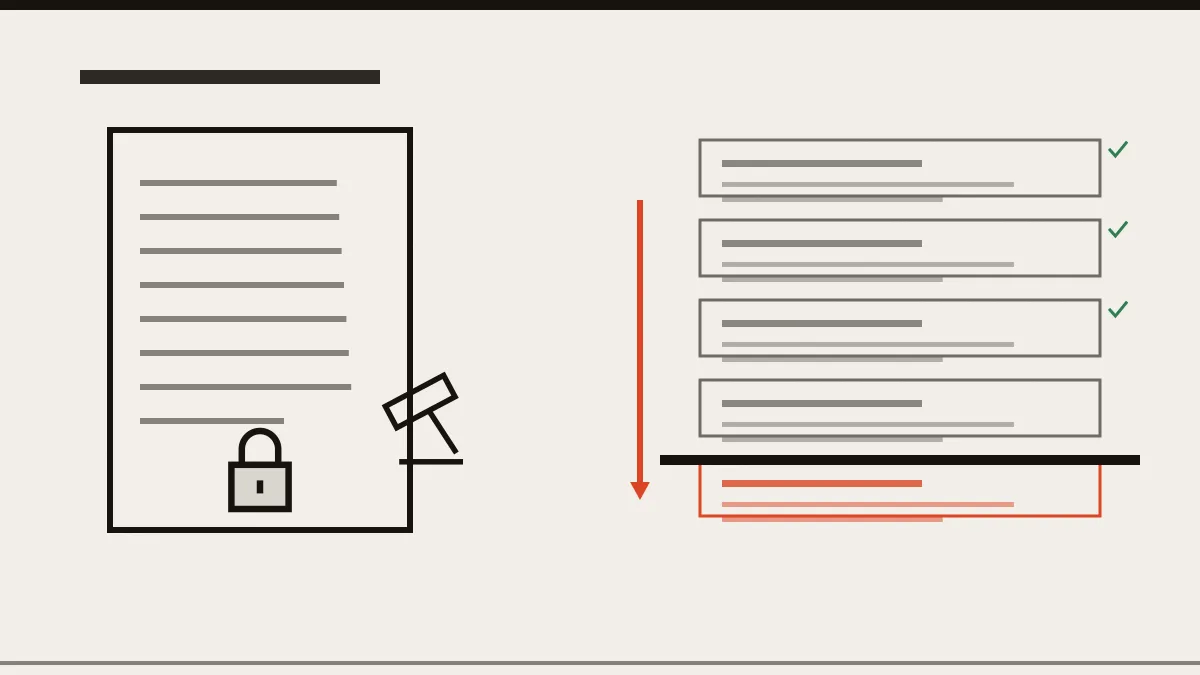
Ripoff Report does not delete reports, even when the author asks. That is its published model, and US courts have upheld its immunity for what users write. The paid arbitration option lets a neutral arbitrator redact statements found to be false; the report itself stays up with the redactions marked, and firms that have used it describe a fee in the low thousands of dollars. So ripoff report removal for business reputation is never truly removal. It is three tools in order: a court ruling or arbitration that the key statements are false, a legal removal request to Google with that ruling attached so the URL drops out of search, and accurate new material about the business so the page stops ranking on the first screen. We say this up front because the most common loss we see is a business that paid someone promising Ripoff Report deletion and received nothing.
What does a Tripadvisor review removal service actually sell?
A legitimate Tripadvisor review removal service sells three things: the sort, the file and the follow-up. The sort is the label decision above, made by someone who has read thousands of reviews and knows which ones a moderator will act on. The file is the report itself, written in the site's own language and backed with the booking ledger, the CCTV time stamp or the IP log that proves the claim. The follow-up is the appeal or the legal letter when the first report is refused. None of the three is a secret door, and the same holds for a Google review removal service. A Tripadvisor review takedown service, a Yelp review removal service, a Sitejabber review removal service and a software review removal service all use the same reporting tools you can see as the business owner; the difference is how well the report is built.
Anyone who sells guaranteed deletion is selling something else. Typically that is one of four things: a price for flagging, which you could do free; fake positive reviews to bury the bad one, which is now unlawful; pressure on the reviewer to withdraw, which can be review suppression; or a forged court order, which sites now check and which can end in contempt proceedings. In the US, the FTC's rule on consumer reviews bans buying or selling fake reviews and suppressing honest ones through threats or groundless legal claims, with civil penalties of up to $53,088 per violation (FTC, 2025 adjustment). In the UK, the Digital Markets, Competition and Consumers Act 2024 made commissioning, publishing or facilitating fake reviews a banned practice from 6 April 2025, enforced directly by the Competition and Markets Authority with fines of up to 10% of global turnover.
Questions worth asking before you pay any yelp review removal service or its competitors:
- Which rule on the site's own guidelines page does my review break, in their words?
- Will you file from my business account, or from accounts I don't control?
- What do you charge if nothing comes down?
- Will you ever contact the reviewer, and in whose name?
- Do you post reviews, or sell them, anywhere?
If the answer to the last one is yes, walk away. Their other clients' fakes are what the site's detection team is hunting, and your listing will sit in the same cluster.
What will not come down, whoever files it
A genuine review that is harsh, unfair or badly written stays up. So does a real complaint about a real problem, a review that names the owner in a way that is rude but true, and an opinion you strongly disagree with. No site removes reviews because a business pays for advertising or a premium listing, and the ones that are honest about it say so on their own guidelines pages. Truthful reporting about a business, court records and regulator findings are not reviews at all, and the only lawful answer to them is suppression: publishing better, accurate material until the old page drops off the first screen. Age is not a removal ground either. A three-year-old complaint that was true when written is still true, and the honest remedy is a steady flow of newer reviews from real customers.
We do not forge notices, invent legal action, post counter-reviews, contact reviewers under a false name or ask for anyone's password. We file from your own owner account, with your evidence, under the rule that fits. If nothing on a page can lawfully come down, we tell you before you pay, and we explain what suppression would and would not achieve. The full set of limits is on our disclaimer page.
When our team files fake-review reports in batches, the pattern is steady. Reports that name one rule, quote the offending sentence and attach one document land; reports that argue tone, list ten grievances or call everything defamatory come back refused, and a second report on the same review starts with that refusal on file. File once, file properly. If you want us to look at a review before you file it, send us the link in confidence and we will tell you which label it fails, if any.